Puppy Introduction Guide
Master the art of bringing a new puppy home to your resident dog with proven, stress-free strategies for lasting harmony.

Bringing a new puppy into a home with an existing dog requires careful planning to foster a positive relationship from the start. This comprehensive guide outlines practical strategies to minimize stress and promote successful bonding between your pets.
Preparation Before the Puppy Arrives
Success begins long before the puppy crosses the threshold. Start by assessing your current dog’s temperament and daily routine to anticipate potential challenges. Create a dedicated space for the newcomer, such as a crate or gated area in a quiet corner, equipped with bedding, water, and toys. This setup allows the puppy to acclimate without immediate territorial disputes.
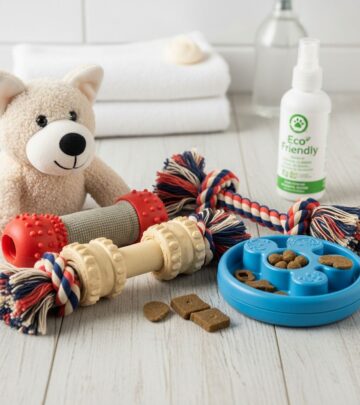
- Stock the puppy area with essentials like chew toys and puzzle feeders to encourage independent play.
- Update vaccinations and health checks for both dogs to prevent disease transmission.
- Gather supplies: sturdy leashes (non-retractable), high-value treats, and waste bags for outdoor sessions.
Introduce scents indirectly by swapping blankets or toys between the dogs’ areas. This familiarizes them with each other’s smell, reducing shock during the first visual encounter.
Setting Up the Home Environment
Designate clear boundaries in your living space. Use baby gates or exercise pens to separate zones while allowing visual and olfactory access. Place food bowls, beds, and resting spots far apart to avoid resource guarding. High-traffic areas should have easy access for supervision.
| Item | Puppy Zone | Adult Dog Zone |
|---|---|---|
| Food/Water | Separate bowls, timed feeding | Maintained routine |
| Resting Area | Crate with blanket | Familiar bed |
| Toys | Puppy-specific, rotated | Adult favorites untouched |
This organization supports gradual integration and prevents early conflicts over resources.
First Contact: Neutral Territory Meetings
Conduct initial introductions in a neutral outdoor location, like a park, to eliminate home turf advantages. Enlist a helper so each dog has a dedicated handler. Begin with parallel walks at a distance of 30 feet, gradually closing the gap as both remain calm.
- Walk dogs side-by-side on loose leashes, rewarding glances away from each other with treats and praise.
- Allow brief sniffing sessions, monitoring for tension, then separate and resume walking.
- End on a positive note before fatigue sets in.
If signs of stress appear, such as stiff posture or growling, increase distance immediately. Professional trainers can assist if leash reactivity is an issue.
Reading Canine Body Language
Understanding non-verbal cues is crucial for safe interactions. Relaxed dogs show loose tails, soft eyes, and playful bows. Warning signals include raised hackles, hard stares, lip curling, or whale-eye (whites visible).
- Positive indicators: Play bows, relaxed ears, wagging tail at mid-height.
- Red flags: Frozen stance, yawning excessively, tucked tail.
Intervene early by calmly separating dogs and providing a break. Consistent observation builds confidence in managing dynamics.
Bringing the Puppy Indoors
After successful outdoor sessions, transition inside under close supervision. Keep leashes on initially for control. Alternate one-on-one time to reinforce individual bonds with humans. Feed meals in crates to associate proximity with positivity.
Supervise all play: puppies’ nipping can annoy adults, so redirect with toys. Short, frequent sessions prevent overwhelm.
Daily Routines for Multi-Dog Harmony
Establish parallel schedules for walks, meals, and training. Exercise both dogs together once comfortable, starting with short joint outings. Individual attention prevents jealousy—dedicate 15 minutes daily per dog for play or training.
- Morning: Separate potty walks.
- Afternoon: Supervised play in gated yard.
- Evening: Crate training for quiet time.
Potty training the puppy consistently aids overall household calm.
Handling Common Challenges
Resource guarding may emerge; never force sharing. Train “leave it” commands separately. Puppies’ energy can exhaust adults—provide quiet retreats. If aggression persists, consult a certified behaviorist.
Age and size mismatches require extra caution: gentle adults with tiny pups need monitoring to avoid accidental injury.
Long-Term Bonding Strategies
Over weeks, increase interaction duration. Enroll in group puppy classes for socialization (post-vaccinations). Reward cooperative behaviors to strengthen their relationship. Patience yields companionship benefits like mutual exercise and reduced separation anxiety.
Frequently Asked Questions
How long does adjustment take?
Typically 2-4 weeks, varying by individual temperaments. Rushing prolongs issues.
What if my adult dog ignores the puppy?
This is common and often preferable to negativity. Allow natural pacing; force nothing.
Can I introduce them at home first?
Avoid this; neutral ground reduces defensiveness.
Signs to call a professional?
Repeated growling, snapping, or fear-based avoidance warrant expert intervention.
Best puppy age for introductions?
8-12 weeks, when adaptable, but success depends on adult dog’s sociability.
Training Essentials for New Pups
From day one, implement basic commands: sit, stay, come. Use positive reinforcement to build focus amid distractions. Crate training promotes independence and aids housebreaking.
Gradual exposure to household sounds, vacuums, and visitors shapes confident adults.
References
- 6 Tips for Introducing a New Puppy to Your Dog — Astro Loyalty. 2023. https://www.astroloyalty.com/6-tips-for-introducing-a-new-puppy-to-your-dog/
- Introducing your new dog or puppy to your current dog — Dogs Trust. 2024-01-15. https://www.dogstrust.org.uk/dog-advice/life-with-your-dog/at-home/introducing-new-puppy
- Your First Day at Home With a New Puppy — American Kennel Club. 2023-05-10. https://www.akc.org/expert-advice/puppy-information/first-day-new-puppy/
- The Dog and Puppy Introduction Survival Guide — Wise Mind Canine. 2022-11-20. https://wisemindcanine.com/blog/the-dog-and-puppy-introduction-survival-guide/
- How To Introduce Dogs to Each Other — PetMD. 2024-02-28. https://www.petmd.com/dog/behavior/how-to-introduce-dogs
- The First Week with a Puppy — Purina. 2023-08-05. https://www.purina.com/articles/dog/puppy/getting-a-puppy/puppys-first-week-home
- Caring For Your Puppy – 6 weeks to 12 months — RSPCA. 2024-03-01. https://www.rspca.org.uk/adviceandwelfare/pets/dogs/health/puppycare
Similar Articles







Read full bio of medha deb