

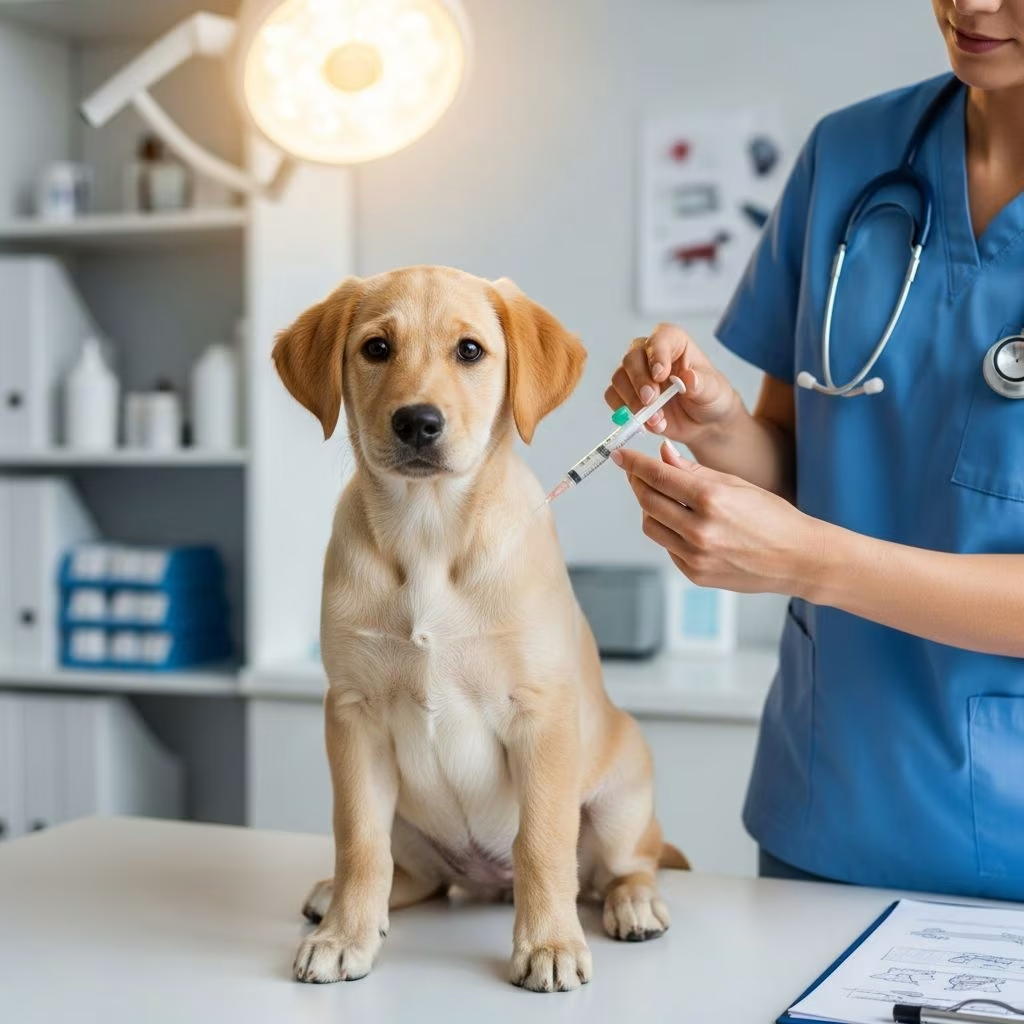
Bringing a new puppy into your home marks the beginning of an exciting journey filled with growth, learning, and countless memorable moments. However, this new chapter also brings important health responsibilities that directly impact your puppy’s long-term wellbeing. One of the most critical aspects of puppy care involves establishing a proper immunization program that protects your young dog from serious and potentially life-threatening diseases. Understanding the vaccination timeline, recognizing which shots are essential, and knowing what happens during veterinary visits will help you make informed decisions about your puppy’s health care from day one.
Understanding Vaccine Categories and Their Importance
Dog vaccines are strategically divided into two distinct categories, each serving a different purpose in your puppy’s health plan. This classification system helps veterinarians recommend the most appropriate protection strategy based on your individual puppy’s lifestyle, geographical location, and exposure risks.
Core vaccines represent the foundation of every puppy’s immunization program. These essential shots protect against diseases that pose widespread threats to dog populations and can cause severe illness or death. Because these diseases are highly contagious and often fatal, veterinary professionals recommend core vaccines for all dogs regardless of their living situation or lifestyle choices. Core vaccines typically include protection against distemper, hepatitis, parvovirus, and parainfluenza—each of which has historically caused significant morbidity and mortality in unvaccinated dog populations.
Non-core vaccines take a more personalized approach to protection. These optional immunizations are recommended based on careful evaluation of each puppy’s specific circumstances. Factors influencing non-core vaccine recommendations include your puppy’s intended lifestyle, the geographic region where you live, seasonal disease patterns, and your puppy’s anticipated social interactions. Examples of non-core vaccines include protection against kennel cough, leptospirosis, canine influenza, and Lyme disease. Some puppies may benefit greatly from these vaccines while others may never require them.
The Critical First Year: Timeline and Vaccination Stages
The first year of your puppy’s life represents a critical window for establishing immunological protection. During this period, your puppy receives multiple vaccine doses spaced at strategic intervals. This spacing protocol exists because puppies are born with temporary maternal antibodies—protective proteins passed through their mother’s milk. These maternal antibodies gradually decline over weeks, creating a window where the puppy becomes vulnerable to disease. Administering vaccines every two to four weeks helps minimize this susceptibility window and ensures robust immune response.
The Six to Eight Week Visit
The initial vaccination appointment typically occurs when your puppy reaches six to eight weeks of age. At this foundational visit, your veterinarian will introduce the first dose of the core vaccine commonly known as DAP or DA2PP, depending on the specific formulation. This combination vaccine provides protection against distemper, adenovirus (which causes hepatitis), parvovirus, and parainfluenza—four dangerous diseases that can devastate unvaccinated puppies.
Many veterinarians recommend beginning non-core vaccines at this same appointment if your puppy’s lifestyle warrants it. The bordetella vaccine, which protects against kennel cough, is frequently suggested for puppies that will be socialized with other dogs or attend training classes.
The Ten to Twelve Week Appointment
The second vaccination visit occurs when your puppy is between ten and twelve weeks old. This appointment reinforces the immune protection established by the first vaccine. At this stage, your veterinarian administers the second dose of the core combination vaccine, known as DHLPP or DHPP depending on formulation—this version includes additional leptospirosis protection. Leptospirosis is a bacterial disease that causes kidney and liver damage, making protection particularly valuable if your puppy will spend time outdoors or near wildlife.
The ten to twelve week visit also marks when many veterinarians introduce additional non-core vaccines aligned with your puppy’s lifestyle. These might include canine influenza vaccine and Lyme disease vaccine if your geographical location supports these pathogens.
The Fourteen to Sixteen Week Final Booster
The third vaccination appointment, typically scheduled between fourteen and sixteen weeks of age, completes the primary vaccination series. Veterinarians prefer administering the final core vaccine dose at sixteen weeks or later to ensure maximum protective response. This final booster dose of the core combination vaccine solidifies your puppy’s immunity against distemper, hepatitis, parvovirus, and parainfluenza.
The fourteen to sixteen week visit also includes the critical rabies vaccination. Rabies is a fatal viral disease that affects the brain and nervous system. In most jurisdictions, rabies vaccination is legally required for all dogs. Puppies must receive their first rabies vaccine no later than sixteen weeks of age. Depending on your location’s regulations and the specific vaccine formulation used, your veterinarian may have administered rabies earlier or may administer it at this appointment.
Additional non-core vaccines are also updated at this visit. If your puppy is receiving Lyme disease protection, a second dose is typically administered. Your veterinarian may continue or add canine coronavirus or other non-core vaccines based on ongoing risk assessment.
Beyond the Puppy Stage: Transition to Adult Maintenance
The transition from puppy to adult vaccination protocols begins around twelve to sixteen months of age. At this appointment, your puppy receives booster doses of previously administered vaccines to maintain and strengthen immunity. The DHPP vaccine is typically readministered, along with the rabies booster. Depending on your puppy’s health history and lifestyle, non-core vaccine boosters may also be given.
Following this twelve to sixteen month appointment, your dog enters the adult vaccination maintenance phase. The frequency of future boosters depends on several factors: the specific vaccine used, your dog’s health status, local disease prevalence, and your veterinarian’s professional recommendations. Some vaccines, particularly rabies, may provide protection lasting one to three years, while others require annual administration. Your veterinarian will develop a personalized booster schedule tailored specifically to your dog’s needs.
What Happens During Veterinary Vaccination Visits
Understanding the typical flow of a vaccination appointment helps you know what to expect and how to prepare. Each visit follows a logical progression designed to ensure your puppy receives safe, effective protection.
Pre-Vaccination Health Assessment
Before any vaccine is administered, your veterinarian conducts a thorough physical examination. This assessment evaluates your puppy’s overall health status, checking vital signs, palpating the abdomen, listening to the heart and lungs, and examining eyes, ears, and skin. This examination confirms that your puppy is healthy enough to receive vaccines. If your veterinarian identifies health concerns, they may recommend postponing vaccination until your puppy has recovered, as vaccines work most effectively in healthy individuals.
Vaccine Administration and Timing
Following successful health clearance, your veterinarian administers the appropriate vaccines according to the predetermined schedule. Your puppy may receive multiple vaccines during a single visit, with injections typically given in the hindquarters or shoulders. Most puppies tolerate vaccinations well, though some may experience mild discomfort or brief soreness at injection sites.
Post-Vaccination Monitoring
After vaccine administration, your veterinarian may observe your puppy for a brief period to identify any immediate adverse reactions. While serious vaccine reactions are rare, your veterinarian wants to ensure your puppy remains comfortable. You should also monitor your puppy at home during the twenty-four to forty-eight hours following vaccination, noting any unusual behavior or symptoms.
Vaccine Safety, Side Effects, and Rare Adverse Reactions
Vaccines undergo rigorous testing for safety and effectiveness before approval and licensing. Serious adverse vaccine reactions are uncommon, and when side effects do occur, they are typically mild and resolve without intervention. Common mild reactions include slight swelling or soreness at the injection site, temporary lethargy or reduced appetite for a day, and mild fever.
Rare more serious reactions can include allergic responses ranging from facial swelling to anaphylaxis. If you notice any concerning symptoms in the hours or days following vaccination—such as persistent vomiting, diarrhea, difficulty breathing, or behavioral changes—contact your veterinarian immediately. Puppies with a history of allergies or previous vaccine reactions require special consideration, and your veterinarian may recommend specific preventive measures or alternative vaccination protocols.
Addressing Common Vaccination Concerns
What Happens if a Dose is Missed?
Life circumstances sometimes cause vaccination appointments to be delayed. If your puppy misses a scheduled vaccine dose, don’t panic—your veterinarian can adjust the schedule to ensure continued protection. Missing a single dose may temporarily reduce the robustness of the immune response, but your veterinarian will work with you to bring your puppy current. The key is resuming the vaccination schedule as soon as possible rather than allowing prolonged gaps that increase disease vulnerability.
Understanding Booster Frequency
After completing the initial puppy series, your dog requires booster vaccinations to maintain immunity. Booster frequency varies depending on the specific vaccine and your dog’s individual factors. Some vaccines, like rabies, may provide protection lasting up to three years, while others require annual administration. Your veterinarian will provide guidance on your specific dog’s booster schedule based on vaccine type, local disease prevalence, and your dog’s health profile.
Tailored Vaccination Plans
Every puppy is unique, and a one-size-fits-all vaccination approach doesn’t account for individual differences. Your veterinarian creates customized vaccination plans based on your puppy’s age, health status, lifestyle, and geographic location. Urban puppies with frequent dog park visits may require different non-core vaccines than rural puppies with minimal dog-to-dog contact. Discussing your puppy’s specific circumstances with your veterinarian ensures the most appropriate protection strategy.
Frequently Asked Questions About Puppy Vaccination
At what age should vaccination begin?
Puppy vaccinations typically begin between six and eight weeks of age. This timing takes into account the decline of maternal antibodies and ensures vaccination protection begins before your puppy is exposed to diseases during socialization.
How many vaccine doses does a puppy need?
Puppies typically receive three doses of core combination vaccines during their first year: one at six to eight weeks, one at ten to twelve weeks, and one at fourteen to sixteen weeks. Additional doses or boosters may be recommended based on individual circumstances.
Are puppy vaccines painful?
Most puppies tolerate vaccinations well with minimal discomfort. Some may experience mild soreness at the injection site, similar to what adult dogs experience. Your veterinarian can discuss pain management strategies if your puppy shows sensitivity.
Can I vaccinate my puppy at home?
Puppy vaccinations should be administered by a licensed veterinarian who can properly assess your puppy’s health, administer vaccines correctly, and monitor for adverse reactions. Additionally, vaccination certificates issued by veterinarians are legally required in most jurisdictions for proof of vaccination.
What if my puppy has an existing health condition?
Puppies with existing health conditions require individualized vaccination planning. Your veterinarian may delay certain vaccines until your puppy has recovered, modify the vaccination schedule, or recommend alternative approaches. Always inform your veterinarian about any health concerns before vaccination.
Moving Forward With Confidence
Establishing a comprehensive vaccination program during your puppy’s first year provides the foundation for lifelong health and protection against serious diseases. By understanding the vaccination timeline, recognizing the importance of core and non-core vaccines, and maintaining open communication with your veterinarian, you’re taking one of the most important steps in responsible puppy ownership. Your veterinarian serves as your partner in this process, providing expert guidance customized to your puppy’s unique needs and circumstances. With proper vaccination and follow-up boosters throughout your dog’s life, you’re giving your furry companion the best chance for a long, healthy, and happy existence.
References
- The Ultimate Puppy Shot Guide: Understanding the Dog Vaccination Schedule — Eglinton Dufferin Animal Clinic. 2024. https://www.eglintondufferinanimalclinic.com/blog/1302962-the-ultimate-puppy-shot-guide-understanding-the-dog-vaccination-schedule
- Puppy and Dog Vaccinations: A Schedule for Every Life Stage — PetMD. 2024. https://www.petmd.com/dog/care/dog-vaccinations-for-every-lifestage
- Your Complete Guide to First-Year Puppy Vaccinations — American Kennel Club. https://www.akc.org/expert-advice/health/puppy-shots-complete-guide/
- 2024 Guidelines for the Vaccination of Dogs and Cats — World Small Animal Veterinary Association. 2024. https://wsava.org/wp-content/uploads/2024/04/WSAVA-Vaccination-guidelines-2024.pdf
- Puppy Vaccination Schedule in Ontario: First-Year Shots and Boosters — Bramalea Animal Hospital. https://bramaleaanimalhospital.ca/puppy-vaccination-schedule-ontario/



