

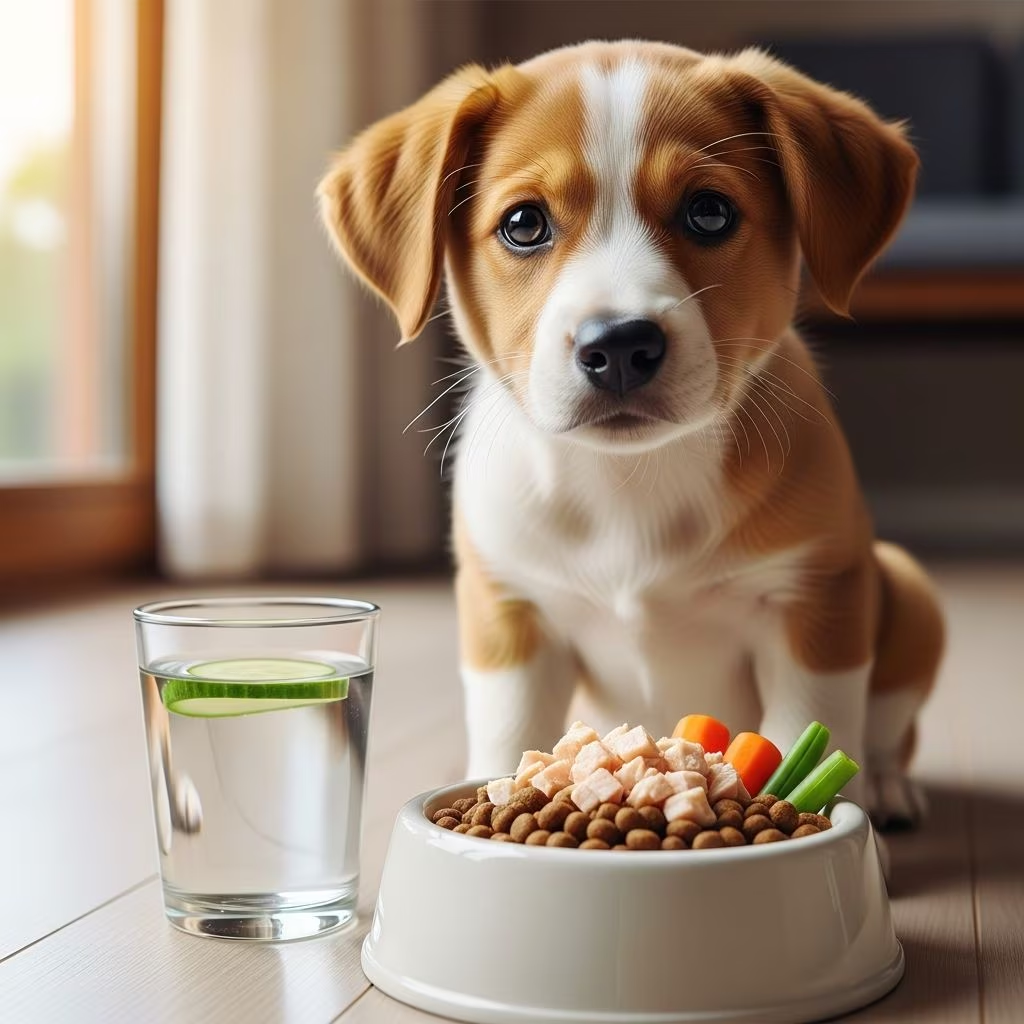
Hypoglycemia in puppies occurs when blood glucose levels drop dangerously low, posing a life-threatening risk especially to toy breeds and neonates. Proper dietary management through frequent, nutrient-dense feedings forms the cornerstone of prevention and recovery.
Why Puppies Face Higher Hypoglycemia Risks
Young puppies, particularly those under 12 weeks, have immature liver function limiting gluconeogenesis—the process converting proteins and fats into glucose. Small body size means limited glycogen stores in the liver, depleting rapidly during stress, play, or fasting. Toy breeds like Chihuahuas, Yorkies, and Pomeranians suffer most due to proportionally larger brains demanding constant glucose.
Common triggers include prolonged intervals between meals, intense exercise without refueling, gastrointestinal upset causing poor absorption, or overwhelming parasitic loads. Overdoses of insulin in diabetic pups or exposure to toxins like xylitol exacerbate episodes.
Spotting the Warning Signs Early
Detecting hypoglycemia swiftly allows timely intervention. Initial symptoms mimic fatigue but progress rapidly:
- Lethargy and weakness: Puppies appear disoriented, reluctant to move, or collapse.
- Muscle tremors: Shaking or twitching as energy reserves fail.
- Seizures: Convulsions signal severe drops requiring immediate action.
- Rapid breathing and heart rate: Body compensates for oxygen deprivation in brain cells.
- Vomiting or disorientation: Accompanies advanced stages with vision impairment.
Owners report puppies “stargazing”—head tilted upward with vacant stares—or unusual whining. Body temperature often falls below 99°F (37°C), compounding weakness.
Emergency Response Protocols
Act within minutes during a suspected episode. Prioritize stabilizing blood sugar before veterinary transport.
- Administer fast-acting glucose: Rub 1/4–1/2 teaspoon honey, Karo corn syrup, or light glucose gel on gums. Avoid force-feeding unconscious pups to prevent aspiration.
- Warm gently: Use blankets or incubators if chilled; hypothermia hinders recovery.
- Follow with meal: Once alert, offer puppy formula or soft food rich in carbs.
- Seek vet care: IV dextrose stabilizes severe cases; repeat oral sugar en route if needed.
Veterinarians administer 0.5–1g/kg dextrose IV bolus, followed by constant infusion to avoid rebound lows. Glucagon infusions serve refractory cases like insulin overdoses.
| Symptom Severity | Home Action | Vet Intervention |
|---|---|---|
| Mild (lethargy) | Oral honey + meal | Monitoring |
| Moderate (tremors) | Corn syrup on gums + transport | IV dextrose |
| Severe (seizures) | Glucose rub + immediate vet | Dextrose bolus + diagnostics |
Core Dietary Principles for Prevention
Consistent nutrition prevents 90% of episodes in at-risk puppies. Focus on steady glucose supply via balanced macronutrients.
- Frequent small meals: Feed 4–6 times daily, never exceeding 4-hour gaps. Neonates need every 2–3 hours.
- High-quality puppy food: Select AAFCO-approved formulas with 22–32% protein, 8–20% fat, and complex carbs like rice or oats.
- Balanced macros: Proteins for gluconeogenesis, fats for sustained energy, carbs for quick glucose.
Avoid simple sugars alone; they spike then crash levels. Include probiotics for gut health aiding absorption.
Sample Daily Feeding Schedules
Tailor plans by age and breed size. Monitor weight gain: puppies should double birth weight by week 2, triple by weaning.
For 4–8 Week Old Toy Pups
- 6 AM: 1–2 tbsp puppy milk replacer
- 9 AM: 2 tbsp soaked kibble + yogurt
- Noon: Milk + boiled chicken bits
- 3 PM: Kibble mash with honey drizzle
- 6 PM: Full meal puppy formula
- 9 PM: Light carb snack (oatmeal)
- Midnight: Nursing or bottle if applicable
For 8–12 Week Old Pups
- 7 AM: Breakfast kibble + egg
- 10 AM: Yogurt with fruit puree
- 1 PM: Lunch with rice/chicken
- 4 PM: Snack gel supplement
- 7 PM: Dinner puppy chow
- 10 PM: Bedtime meal
Portion: 2–4% body weight daily, split evenly. Adjust up 10–20% for active pups.
Nutrient-Rich Food Recommendations
Prioritize whole foods supporting liver glycogen storage.
| Food Type | Benefits | Serving Ideas |
|---|---|---|
| Complex Carbs (Oats, Sweet Potatoes) | Slow glucose release | Mashed into meals |
| Proteins (Chicken, Eggs, Fish) | Gluconeogenesis fuel | Boiled/shredded |
| Healthy Fats (Fish Oil, Yogurt) | Energy density | 1 tsp per meal |
| Supplements (Nutri-Cal, FortiCal) | Emergency glucose | Daily dab or vet-directed |
Commercial options: Royal Canin Starter, Hill’s Puppy, or vet-prescribed hepatic formulas for recurrent cases.
Long-Term Management Strategies
Beyond diet, holistic care minimizes risks.
- Activity balance: Limit play post-meal; provide rest periods.
- Health screenings: Deworm quarterly; test for Addison’s or portosystemic shunts.
- Monitoring tools: Home glucometers for high-risk pups; track at 70–150 mg/dL.
- Breeder awareness: Educate on neonatal care for small litters.
Prognosis excels with adherence: most outgrow vulnerability by 4–6 months as livers mature.
Frequently Asked Questions
What causes hypoglycemia in puppies?
Immature metabolism, skipped meals, stress, infections, or toxins primarily.
Can I use human baby food?
Yes, strained chicken or turkey without onion/garlic; mix with carbs.
How much honey is safe?
1/4 tsp for tiny pups, 1 tsp max; repeat once after 15 min if no improvement.
Is hypoglycemia breed-specific?
Toy breeds predominate, but any small or stressed puppy risks it.
When to hospitalize?
Unresponsive to sugar, recurrent episodes, or seizures demand ER care.
Partnering with Your Veterinarian
Regular checkups tailor plans. Bloodwork identifies underlying issues like insulinomas (rare in pups) or sepsis. Vets may prescribe diazoxide or octreotide for chronic cases, though dietary control suffices for most.
Empower yourself with knowledge: vigilant feeding transforms vulnerable puppies into thriving companions. Track progress, adjust as they grow, and celebrate steady energy levels.
References
- Hypoglycemia in Puppies, causes, symptoms and treatments — Care Animal Clinic. 2023. https://www.careanimalclinic.com/blog/hypoglycemia-in-puppies-causes-symptoms-and-treatments
- Hypoglycemia in Dogs: Signs, Symptoms, and Treatment — American Kennel Club (AKC). 2024-01-15. https://www.akc.org/expert-advice/health/hypoglycemia-in-dogs/
- Hypoglycemia in Puppies & Dogs — Revival Animal Health. 2023. https://www.revivalanimal.com/learning-center/hypoglycemia-in-puppies-dogs
- Hypoglycemia in dogs: Causes, management, and diagnosis — PMC (PubMed Central). 2018-06-01. https://pmc.ncbi.nlm.nih.gov/articles/PMC5949948/
- Hypoglycemia in Dogs — PetMD. 2024. https://www.petmd.com/dog/conditions/systemic/hypoglycemia-dogs
- Logical approach to diagnosis and management of hypoglycemia — dvm360. 2022. https://www.dvm360.com/view/logical-approach-diagnosis-and-management-hypoglycemia-proceedings
- Canine Hypoglycemia — MSPCA-Angell. 2023. https://www.mspca.org/angell_services/canine-hypoglycemia/



