

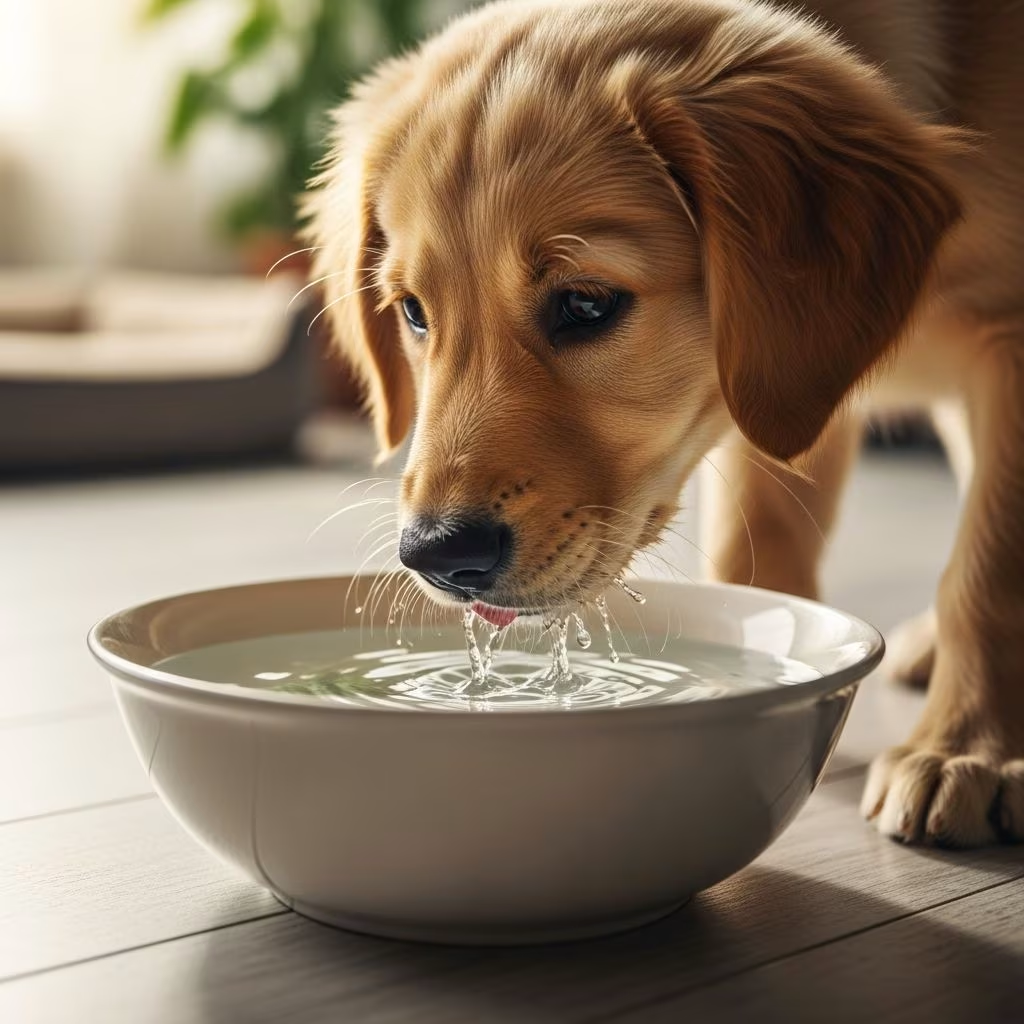
Water is fundamental to your puppy’s survival and development. A puppy’s body composition is more than 60% water, making proper hydration essential for maintaining healthy organ function, temperature regulation, and nutrient transport throughout their rapidly developing system. As a responsible pet owner, understanding your puppy’s specific water needs is as important as selecting quality food or establishing a training routine. This comprehensive guide will help you navigate the complexities of puppy hydration and ensure your young companion stays optimally hydrated throughout their critical growth phase.
Understanding the Foundation: Why Water Matters for Young Dogs
Water serves multiple critical functions in your puppy’s body. It regulates body temperature through panting and perspiration, transports essential nutrients to cells, removes waste products through the kidneys and urinary system, aids in digestion, lubricates joints as cartilage develops, and supports cognitive function as the brain develops. During the puppy stage, when dogs experience rapid skeletal and muscular growth, adequate hydration becomes even more crucial. Dehydration can lead to serious complications including organ dysfunction, urinary tract infections, and developmental issues.
The importance of water becomes especially apparent when you consider that puppies are more susceptible to dehydration than adult dogs due to their higher metabolic rates and less developed regulatory systems. Young puppies also cannot concentrate their urine as efficiently as adults, meaning they lose water more readily through urination. This biological reality underscores why establishing proper hydration habits early in your puppy’s life sets the foundation for lifelong health.
The Basic Formula: Calculating Your Puppy’s Daily Water Requirements
The most commonly recommended guideline for puppy water intake follows a straightforward calculation: puppies should consume approximately 1 ounce of water per pound of body weight per day. For those preferring metric measurements, this translates to roughly 20 to 40 milliliters per kilogram of body weight daily. This formula provides a practical starting point, though individual requirements vary based on multiple factors.
To illustrate this principle with concrete examples: a 5-pound puppy requires between 5 and 8 ounces (approximately 150-240 milliliters) of water daily, while a 15-pound puppy needs roughly 15 ounces (450 milliliters), and a 25-pound puppy should consume about 25 ounces (750 milliliters) per day. Converting to more intuitive measurements, a 10-pound puppy should drink slightly more than one cup of water daily, spread across multiple drinking opportunities throughout the day.
Water Intake by Puppy Weight Categories
| Puppy Weight Range | Daily Water Requirement (Ounces) | Daily Water Requirement (Cups) | Daily Water Requirement (Milliliters) |
|---|---|---|---|
| 3-5 lbs | 3-5 oz | ¼ – ⅜ cup | 90-150 mL |
| 6-10 lbs | 6-10 oz | ¾ – 1¼ cups | 180-300 mL |
| 11-15 lbs | 11-15 oz | 1⅜ – 1⅞ cups | 330-450 mL |
| 16-20 lbs | 16-20 oz | 2 – 2½ cups | 480-600 mL |
| 21-30 lbs | 21-30 oz | 2⅝ – 3¾ cups | 630-900 mL |
Age-Based Hydration Adjustments: From Newborns to Adolescents
A puppy’s water requirements change dramatically as they progress through different developmental stages. Understanding these age-specific needs ensures you provide appropriate hydration at each phase of growth.
The Nursing Phase (Birth to 3-4 Weeks)
During the earliest weeks of life, nursing puppies obtain virtually all their hydration from their mother’s milk. At this stage, supplemental water is typically unnecessary. The mother’s milk provides perfect hydration and nutrition tailored to puppies’ specific needs. Introducing water too early can disrupt their natural feeding patterns and may cause digestive upset.
The Weaning Transition (3-4 to 8 Weeks)
Around 3 to 4 weeks of age, puppies begin the weaning process as their deciduous teeth emerge. This is the appropriate time to introduce fresh water. During this transition period, puppies should receive small amounts of water frequently—approximately ½ cup every two hours. This frequent, limited-quantity approach prevents excessive urination that complicates housebreaking efforts. At this stage, puppies are learning to transition from milk to solid food and water, so patience and consistency matter significantly.
The Post-Weaning Period (8 Weeks to 6 Months)
Once fully weaned and consuming solid food, puppies can graduate to more regular water schedules. Young weaned puppies typically need ½ to 1 ounce of water per pound of body weight daily. For puppies transitioning completely off milk, establishing a consistent schedule becomes increasingly important. Most puppies in this age range thrive on 3-4 water breaks daily, offered at predictable times that align with meal times and outdoor potty breaks.
The Adolescent Phase (6 Months and Beyond)
By six months of age, puppies begin approaching adult hydration patterns. At this stage, puppies can typically transition to free-choice water access throughout the day, similar to adult dogs. However, monitoring intake remains important, as some puppies develop excessive drinking habits that warrant veterinary evaluation. The 1 ounce per pound formula continues to serve as a reliable guideline during this phase.
Variables That Influence Individual Water Needs
While the 1-ounce-per-pound guideline provides an excellent baseline, numerous factors cause individual puppies to require more or less water than the standard calculation suggests.
Environmental Temperature and Climate
Puppies living in warm climates or during hot seasons naturally require more water than those in cooler environments. Heat increases fluid loss through panting and perspiration, necessitating increased water intake to maintain proper hydration. Puppies spending significant time outdoors in warm weather should have water available more frequently than indoor puppies. During summer months or in consistently warm regions, increasing water availability by 25-50% above baseline recommendations ensures adequate hydration.
Activity Level and Exercise Intensity
Highly active puppies engaged in frequent play, training sessions, or exploration burn more energy and lose more water through panting than sedentary puppies. Young puppies with high energy levels may require 20-30% additional water beyond standard calculations. After vigorous play or training sessions, offering water encourages rehydration and recovery. However, avoid allowing puppies to consume excessive water immediately after intense exercise, as this can cause stomach upset or bloating.
Diet Composition
A puppy’s diet significantly impacts water requirements. Puppies consuming primarily dry kibble require substantially more water than puppies eating canned or raw diets with higher moisture content. Canned puppy food typically contains 75-80% water, while kibble contains only 10-12% moisture. A puppy eating exclusively canned food may require 25-30% less additional water than one eating dry food. Similarly, puppies receiving frequent wet food, broths, or high-moisture treats need adjustment of their water consumption calculations.
Individual Metabolic Differences
Just as humans vary in their hydration needs, puppies display individual differences in water consumption patterns. Some puppies naturally drink more or less than breed or size averages suggest. These variations are typically normal and not cause for concern if the puppy appears healthy and energetic. However, significant changes in drinking habits warrant veterinary attention, as altered water consumption can indicate underlying health issues.
Health Status and Medical Conditions
Certain medical conditions increase water requirements substantially. Puppies with fever, diarrhea, or vomiting lose fluids rapidly and need increased water access. Similarly, puppies predisposed to urinary tract infections benefit from increased water intake to promote frequent urination and prevent bacterial growth. Any puppy displaying signs of illness should have water readily available and veterinary attention sought promptly.
Establishing a Structured Water Schedule
Creating a consistent water schedule benefits both your puppy and your housebreaking efforts. Predictable water access helps regulate urination patterns, making it easier to identify optimal potty break times and reinforce housebreaking training.
Recommended Daily Water Schedule for Young Puppies
- 6:00 AM: Water upon waking, followed by a potty break within 15-30 minutes
- 8:00 AM: Meal time with water available during and for 15 minutes after eating
- 11:00 AM: Mid-morning water break before midday play
- 12:30 PM: Post-activity water offering, followed by potty break
- 3:00 PM: Afternoon water break with subsequent potty opportunity
- 5:30 PM: Evening meal with associated water access
- 7:00 PM: Water break following play or training session
- 9:00 PM: Final water access before bedtime
This schedule distributes water throughout the day while avoiding excessive water consumption late evening, which reduces nighttime accidents during housebreaking. The timing aligns water access with natural triggers like meals, play, and training, supporting both hydration and behavioral management.
Monitoring Your Puppy’s Hydration Status
Active monitoring ensures your puppy receives adequate hydration and alerts you to potential problems requiring veterinary attention. Several indicators help assess your puppy’s hydration status.
Visual Assessment Methods
Gum color provides a quick hydration indicator. Well-hydrated puppies have pink, moist gums. Pale or dry gums suggest dehydration requiring immediate attention. The skin turgor test offers another assessment method: gently pull the skin on the back of your puppy’s neck. In well-hydrated puppies, the skin springs back immediately. Dehydrated puppies’ skin returns to normal position more slowly, indicating fluid loss.
Behavioral and Physical Indicators
Monitor your puppy’s energy level, appetite, and activity patterns. Dehydrated puppies often become lethargic, lose appetite, and display reduced interest in play. Conversely, puppies drinking excessive amounts may indicate diabetes, kidney disease, or urinary tract infections. Keep detailed records of your puppy’s daily water consumption and urination frequency. Sudden increases or decreases in water intake warrant veterinary consultation.
Urine Color and Frequency
Healthy puppy urine appears pale yellow to clear. Dark yellow or amber urine suggests insufficient hydration. Similarly, a significant reduction in urination frequency or straining during urination indicates possible dehydration or medical issues. Conversely, excessive urination coupled with increased water intake may suggest metabolic problems requiring veterinary evaluation.
Managing Water Intake During Training and Housebreaking
Balancing adequate hydration with successful housebreaking requires strategic water management. Rather than restricting water—which can lead to dehydration—puppies benefit from scheduled water access that prevents excessive intake at inappropriate times.
Remove water bowls 2-3 hours before bedtime to reduce nighttime accidents, but maintain access throughout the active day. Offer water immediately after play, training sessions, and meals, then remove it for a brief period. This approach ensures hydration while establishing predictable potty schedules. Never withhold water as punishment or due to accidents, as puppies cannot control their bladders until approximately 12-16 weeks of age.
Freshness and Water Quality Considerations
The quality of water matters as much as quantity. Always provide fresh, clean water. Change water bowls daily and wash them thoroughly to prevent bacterial growth and contamination. Stagnant water develops bacteria and becomes unpalatable, potentially discouraging puppies from drinking adequate amounts. During warm weather, change water more frequently, as bacteria proliferate faster in warm conditions.
Consider your tap water quality in your region. Hard water with high mineral content or water containing contaminants may discourage drinking. If your puppy seems reluctant to drink, try offering filtered water or bottled water to determine if water quality affects consumption. Some puppies prefer running water, making a water fountain an effective investment that encourages adequate hydration.
Signs of Dehydration Requiring Immediate Attention
Recognizing dehydration symptoms enables rapid veterinary intervention, preventing serious complications. Moderate to severe dehydration constitutes a medical emergency requiring immediate professional attention.
- Excessive lethargy or weakness unrelated to exercise
- Refusal to eat or drink
- Dry mouth and gums
- Sunken eyes or dull eye appearance
- Reduced skin elasticity (skin tenting)
- Rapid or weak pulse
- Reduced or absent urination
- Vomiting or diarrhea persisting despite rehydration attempts
- Seizures or collapse
If you observe any combination of these signs, contact your veterinarian immediately. Severe dehydration causes shock and organ failure, making emergency intervention critical.
Transitioning from Puppy to Adult Water Schedules
Around 6-12 months of age, depending on breed size, puppies can gradually transition to adult water management. Smaller breeds typically complete this transition by 12 months, while large and giant breeds may require extended hydration support through 18-24 months due to their extended growth period. During transition, gradually move from scheduled water access to free-choice availability. Most adult dogs thrive with constant water access throughout the day, though maintaining attention to consumption patterns remains prudent.
Frequently Asked Questions About Puppy Hydration
Can puppies drink too much water?
Yes, excessive water consumption can cause hyponatremia (dangerously low sodium levels) or gastric bloating. However, true water intoxication is rare in puppies with normal kidney function. Abnormally excessive drinking often indicates medical conditions like diabetes or urinary tract infections requiring veterinary evaluation. Limit water immediately after intense activity and avoid allowing puppies to continuously access water during or immediately after vigorous play.
Is tap water safe for puppies?
In most regions with municipal water systems, tap water is safe for puppies. However, if your area has water quality concerns, hardness issues, or contamination warnings, filtered or bottled water provides a safer alternative. Well water should be tested periodically to ensure safety. Always provide whatever water source you personally drink, maintaining consistency to prevent digestive upset.
Should puppies drink water with meals or separately?
Puppies can safely drink water during and after meals. Some suggest limiting water immediately during eating to prevent overfilling the stomach, but small amounts of water with meals don’t cause problems. After meals, puppies naturally seek water as part of digestion. Allow free access shortly after eating, then remove the bowl if managing housebreaking.
What’s the difference between water needs for different dog breeds?
The 1-ounce-per-pound formula applies across breeds, but larger breeds often require more absolute water volume due to greater body mass. Additionally, double-coated breeds or breeds with higher energy levels may need increased water. Brachycephalic (flat-faced) breeds like Bulldogs or Pugs struggle to drink efficiently due to anatomical constraints and may need water offered more frequently.
How do I know if my puppy’s water intake is appropriate?
Healthy puppies should urinate 8-12 times daily depending on age, display good energy and appetite, have moist pink gums, and produce pale yellow urine. If your puppy meets these criteria, water intake is likely adequate. Any significant changes warrant veterinary consultation.
References
- How Much Water Does a Puppy Need? — PetPlace.com. Accessed January 2026. https://www.petplace.com/article/dogs/pet-health/dog-health/dog-diet-nutrition/how-much-water-does-a-puppy-need
- How Much Water Should a Puppy Drink in 24 Hours? — Jinx Dog Food. Accessed January 2026. https://www.thinkjinx.com/blogs/news/how-much-water-should-a-puppy-drink-in-24-hours
- How Much Water Should a Puppy Drink? — Native Pet. Accessed January 2026. https://nativepet.com/blogs/health/how-much-water-should-my-puppy-drink
- How Much Water Should Dogs & Cats Drink Each Day? — Hill’s Pet Nutrition. Accessed January 2026. https://www.hillspet.com/pet-care/nutrition-feeding/how-much-water-should-dogs-and-cats-drink
- Is My Pet Getting Enough Water? — Tampa Veterinary Hospital. Accessed January 2026. https://www.tampavet.com/DrWebsters-Blog/water-for-pets/



