

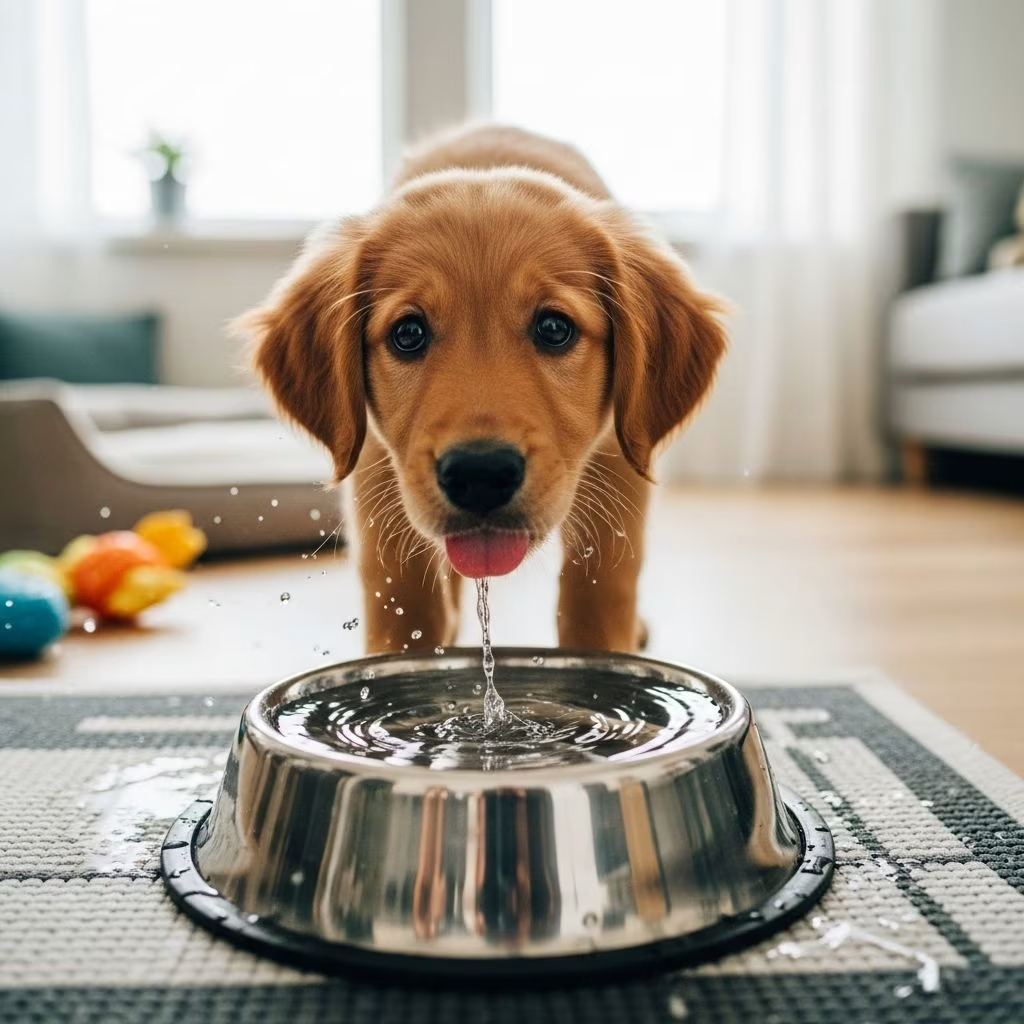
Puppies require constant access to fresh water due to their rapid growth and higher metabolic rates, typically tolerating only 4-6 hours without fluids before dehydration risks emerge. Understanding these limits helps prevent serious health issues in young dogs.
Why Water Matters More for Puppies Than Adult Dogs
Young puppies have smaller bodies with proportionally larger surface areas, leading to faster fluid loss through evaporation and respiration. Their kidneys are still maturing, making efficient water regulation challenging. Daily intake should match 50-100 ml per kg of body weight, far exceeding adult needs due to playfulness and growth demands.
Depriving a puppy of water stresses vital organs quickly. Unlike adults, who might endure 12-24 hours in emergencies, puppies face organ strain within hours, emphasizing always-available bowls during waking periods.
Daily Water Requirements by Puppy Age and Size
Water needs vary with age, breed, diet, and activity. Here’s a breakdown:
| Age Group | Average Daily Intake (ml/kg) | Example for 5kg Puppy (ml/day) |
|---|---|---|
| 0-8 weeks | 100-150 | 500-750 |
| 2-6 months | 70-100 | 350-500 |
| 6-12 months | 50-80 | 250-400 |
Adjust for kibble-fed pups (less water from food) versus wet food eaters. Hot weather or exercise doubles requirements. Monitor intake; sudden drops signal problems.
Recognizing Early Dehydration Warning Signs in Pups
Mild dehydration appears subtly but progresses fast in puppies. Key indicators include:
- Lethargy: Reduced playfulness or sleeping excessively, as low fluids drop blood pressure and energy.
- Sticky or dry gums: Normal gums are moist and pink; dehydrated ones feel tacky, with capillary refill over 2 seconds.
- Dry nose: Loss of usual moisture, though not exclusive to dehydration.
- Excessive panting: Even in cool conditions, signaling body overheating from fluid deficit.
Test skin elasticity: Pinch neck skin gently; it should snap back instantly. Slow return (over 2 seconds) confirms mild issues.
Severe Dehydration: Critical Symptoms Requiring Immediate Action
When dehydration advances, puppies show life-threatening signs needing vet intervention:
- Sunken eyes: Fluids shift to organs, drying eye areas.
- Rapid heart rate: Over 160 bpm sustained; normal puppy range 100-160.
- Vomiting or diarrhea: Worsens fluid loss viciously.
- Disorientation or collapse: Brain and muscle function fails.
- Thick, ropey saliva: Indicates advanced moisture scarcity.
Pale, dark red, or extremely dry gums signal shock; heart rates nearing 250 bpm are emergencies.
Common Causes of Water Deprivation in Puppies
Several factors lead to insufficient intake:
- Environmental: Hot days, travel, or empty bowls during owner absence.
- Health-related: Nausea from illness, dental pain, or infections causing refusal.
- Activity-induced: Post-play panting without replenishment.
- Lactation in nursing dams: Affects pups indirectly via milk quality.
Behavioral pickiness or new environments can mimic issues; rule out medical causes first.
Home Tests to Check Your Puppy’s Hydration Status
Perform these non-invasive checks daily:
- Skin tent test: Lift scruff skin; observe return speed.
- Gum check: Press gum; color return in <2 seconds is healthy.
- Eye assessment: Look for brightness; sunken means trouble.
- Urine color: Pale yellow ideal; dark signals concentration.
Combine tests for accuracy; consult vets if multiple fail.
Practical Strategies for Preventing Dehydration
Maintain hydration proactively:
- Provide multiple clean bowls around home, refreshed 2-3 times daily.
- Add ice cubes to bowls for cooling and prolonged drinking in heat.
- Mix water into meals for moisture boost, especially kibble diets.
- During travel, use portable fountains or bottles with slow-drip spouts.
- Post-exercise, offer small amounts frequently to avoid gulping-induced vomiting.
For weaning pups, ensure milk replacer or formula includes hydration. Monitor nursing mothers closely.
Nighttime Water Management for House Training
Balance potty training with needs: Remove water 1-2 hours before bed for puppies under 12 weeks, limiting to 6-8 hours max overnight. Older pups (4+ months) keep access but elevate bowls to reduce spills. Wake young ones for midnight drinks if whining occurs.
When to Seek Veterinary Help Urgently
Rush to clinic if severe signs appear or mild ones persist post-rehydration attempts. Vets use IV fluids, blood tests for electrolyte balance. Home remedies like electrolyte solutions (pediatric types diluted) aid mild cases temporarily. Never force water on vomiting pups.
Rehydrating Your Puppy Safely at Home
For mild cases:
- Offer fresh, room-temp water in small sips.
- Use unflavored Pedialyte (1:1 with water) if vet-approved.
- Chicken broth (low-sodium, no onion) entices picky drinkers.
- Monitor 30-minute intake; improvement expected quickly.
Track weight daily; 5% loss indicates urgency.
Seasonal and Lifestyle Adjustments for Hydration
Summer demands frozen treats like puppy-safe broth pops. Winter dry air prompts humidifiers and wet food increases. Active breeds (e.g., Labs) need 20% more.
FAQ
How long can a 8-week-old puppy go without water?
Maximum 4 hours during day; overnight up to 6-8 with monitoring.
Is a dry nose always dehydration in puppies?
No, but combined with other signs, yes—check gums and energy.
Can wet food replace water bowls?
Partially; still provide bowls as pups prefer direct drinking.
What if my puppy refuses water after play?
Cool them first, offer ice chips; persistent refusal warrants vet check.
Do puppies dehydrate faster in heat?
Yes, up to twice as quick; always shade and water outdoors.
References
- What Are the Signs of Dehydration in Dogs? — Zoetis Petcare. 2023. https://www.zoetispetcare.com/blog/article/signs-dehydration-dogs
- Signs of Dehydration in Dogs — Charlotte Carolina Vet. 2021-04-19. https://www.charlotte.carolinavet.com/site/charlotte-emergency-vet-blog/2021/04/19/signs-dehydration-dogs
- 9 Signs Your Dog Might be Dehydrated — Pet Evolution. 2023. https://www.petevolution.com/blog/9-signs-your-dog-might-be-dehydrated/
- Dog Dehydration: Signs, Causes and Treatment Options — Pets Furst Urgent Care. 2023. https://petsfursturgentcare.com/blog/dog-dehydration/
- Signs of Dehydration in Dogs — Shawsheen Animal Hospital. 2023. https://shawsheenanimalhospital.com/blog/dehydration-in-dogs/
- Is My Dog Dehydrated? — PetMD. 2023. https://www.petmd.com/dog/symptoms/is-my-dog-dehydrated



