

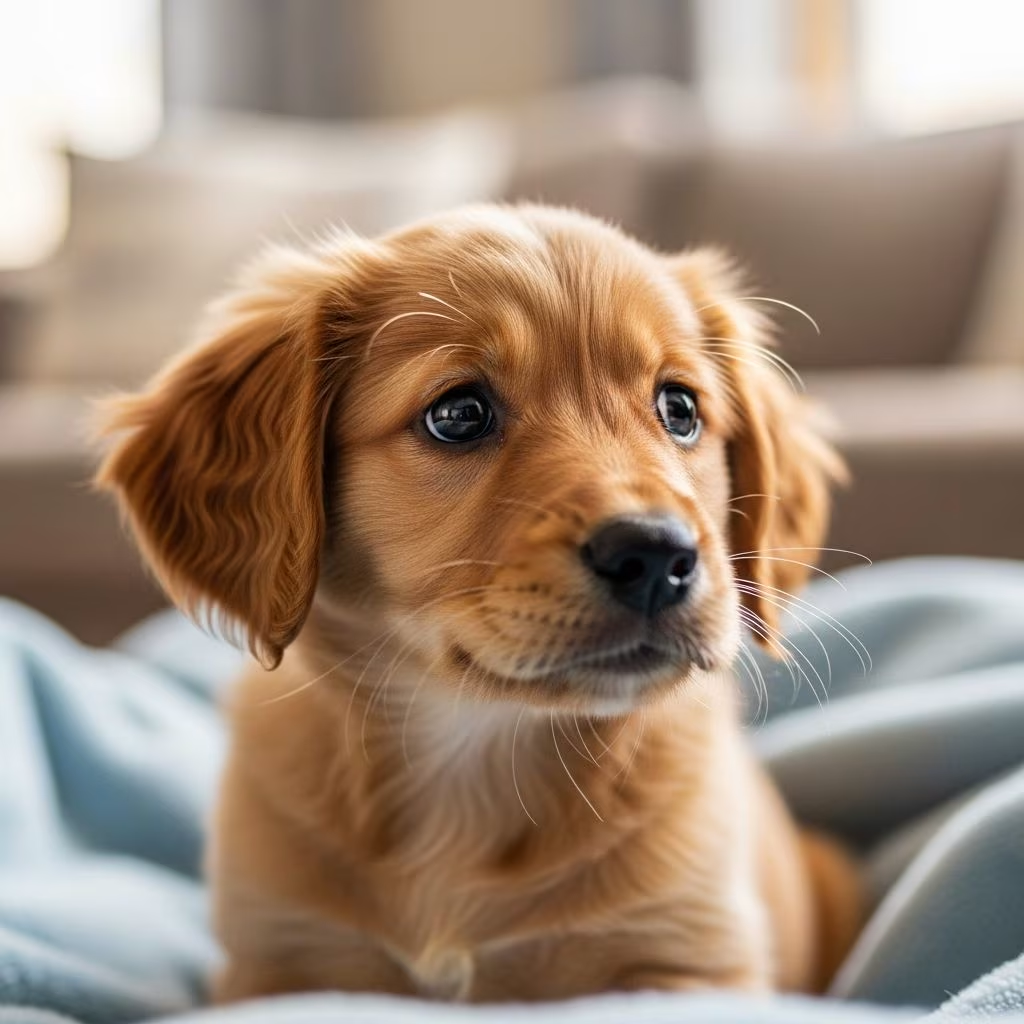
Puppy hiccups are a common occurrence that can startle new pet parents, but they are typically harmless and resolve on their own. These involuntary spasms of the diaphragm muscle, which separates the chest from the abdomen and aids in breathing, happen when the muscle contracts suddenly, causing the characteristic “hic” sound as the glottis closes. In puppies, hiccups are especially frequent due to their developing bodies and enthusiastic behaviors. Understanding the causes, knowing safe remedies, and recognizing when to consult a vet can help you manage these episodes effectively and keep your puppy comfortable.
Why Do Puppies Get Hiccups?
Hiccups in puppies stem from irritation or sudden contraction of the diaphragm. Unlike adult dogs, puppies experience them more often because their organs are still maturing, and they tend to be more excitable. The diaphragm’s spasms lead to rapid, involuntary breathing changes, producing the familiar hiccuping sound. While occasional bouts are normal, frequent or prolonged hiccups warrant closer attention.
Common Causes of Puppy Hiccups
- Eating or Drinking Too Quickly: Puppies often gulp food or water in excitement, swallowing excess air that irritates the diaphragm and stomach. This is one of the most frequent triggers, as rapid intake creates gas buildup near the diaphragm.
- Excitement and Overexertion: High energy bursts, play, or stress cause heavy breathing or hyperventilation, leading to diaphragm spasms. Puppies’ immature respiratory systems make them prone to this during vigorous activity.
- Immature Digestive System: Young pups have less developed stomachs, making them susceptible to gas, food intolerance, or upset from dietary changes. Stomach irritation close to the diaphragm can provoke hiccups.
- Temperature Extremes: Cold exposure, hypothermia, or sudden temperature shifts—like drinking icy water—can trigger spasms. Sleeping puppies may hiccup if overly tired or chilled.
- Environmental Irritants: Smoke, perfumes, or chemicals can inflame the respiratory tract, indirectly affecting the diaphragm.
These factors combined make puppies hiccup-prone, but most episodes last only a few minutes and decrease with age as their systems mature.
How to Stop Puppy Hiccups: Safe Home Remedies
Most puppy hiccups resolve without intervention, but gentle remedies can provide relief and prevent recurrence. Always prioritize calming techniques to avoid startling your pup, and never force remedies that could cause choking.
- Encourage Slow Eating and Drinking: Use slow-feeder bowls to prevent gulping air. Offer smaller, more frequent meals and room-temperature water in small sips via a shallow bowl or pet fountain.
- Gentle Distraction and Massage: Pet your puppy softly, rub their belly or chest gently to relax the diaphragm, or take them for a calm walk to regulate breathing.
- Sweet Soothers (Use Cautiously): A tiny amount of honey, maple syrup, or sugar water (diluted) can coat the throat and calm spasms—but avoid xylitol-containing products, which are toxic to dogs. Consult your vet first for puppies under 8 weeks.
- Create a Calm Environment: Reduce excitement by dimming lights, speaking softly, and avoiding rough play during episodes.
These methods work by interrupting the spasm cycle and promoting steady breathing. Avoid hard foods during hiccups to prevent choking hazards from violent diaphragm contractions.
Prevention Tips for Puppy Hiccups
Proactive steps can minimize hiccups, focusing on diet, routine, and environment. Consistent habits help puppies develop better eating behaviors and reduce triggers.
| Prevention Strategy | How It Helps | Implementation Tips |
|---|---|---|
| Slow-Feeder Bowls | Reduces air swallowing | Choose puzzle-style bowls; transition gradually |
| Smaller Meals | Prevents overeating/upset stomach | 3-4 meals/day for puppies under 6 months |
| Controlled Playtime | Avoids overexertion | Short bursts of activity with rest periods |
| Stable Temperature | Prevents cold-induced spasms | Keep bedding warm; avoid iced water |
| Gradual Diet Changes | Minimizes irritation | Introduce new foods over 7-10 days |
By integrating these into daily care, you’ll see fewer hiccup episodes, promoting overall puppy health.
When to Worry: Serious Causes of Hiccups
While rare, persistent hiccups (over 24-48 hours) or those with other symptoms may signal underlying issues. Contact your vet promptly if hiccups don’t resolve.
- Respiratory Problems: Coughing, wheezing, nasal discharge, or sneezing alongside hiccups could indicate asthma, bronchitis, pneumonia, or kennel cough.
- Heatstroke: Especially in brachycephalic breeds like Pugs; symptoms include panting, lethargy, drooling.
- Heart or Gastrointestinal Issues: Pericarditis, nausea, acid reflux, or heart disease may cause chronic hiccups with vomiting or diarrhea.
- Other Signs: Lethargy, loss of appetite, blue gums, or difficulty breathing require immediate vet attention.
Vets may perform exams, X-rays, or bloodwork to diagnose and treat root causes like infections or inflammation. Early intervention prevents complications.
Hiccups in Adult Dogs vs. Puppies
Adult dogs hiccup less frequently due to mature systems, but similar causes apply. Puppies’ higher incidence ties to weaker organs and excitability.
| Aspect | Puppies | Adult Dogs |
|---|---|---|
| Frequency | Very common, multiple times/week | Rare, occasional |
| Main Triggers | Excitement, fast eating, cold | Diet changes, irritants, stress |
| Duration | Short bursts, self-resolve | Similar, but monitor longer |
| When to Vet | >30 min or with symptoms | >48 hours or symptoms |
As puppies age (around 6-12 months), hiccups naturally decline.
Frequently Asked Questions (FAQs)
Are puppy hiccups dangerous?
Usually not; they’re benign and short-lived. Worry if persistent or with symptoms like coughing or lethargy.
How long do puppy hiccups last?
Typically a few minutes to half an hour. If over 24 hours, see a vet.
Can I give my puppy honey for hiccups?
A small amount may soothe, but only for pups over 8 weeks and vet-approved. Avoid xylitol.
Why do sleeping puppies hiccup?
Fatigue or cold relaxes the diaphragm, triggering spasms common in sleep.
Do slow feeder bowls prevent hiccups?
Yes, by curbing fast eating and air intake.
Key Takeaways on Puppy Hiccups
- Hiccups result from diaphragm irritation, common in puppies due to energy and immaturity.
- Remedies: Slow feeding, massages, calm environments work best.
- Prevent with routine care and awareness of triggers.
- Seek vet help for prolonged cases or symptoms like respiratory distress.
With these strategies, you can handle most puppy hiccups confidently, ensuring your little one stays happy and healthy.
References
- Hiccups in Dogs & Puppies: Causes, Cures, Concerns — Pawlicy Advisor. 2023. https://www.pawlicy.com/blog/hiccups-in-dogs-and-puppies/
- Dog Hiccups: Causes & Remedies — Brown Veterinary Hospital. 2024-05-15. https://brownvethospital.com/blog/dog-hiccups/
- Why your puppy might have hiccups and how to help them — Dogs Trust. 2023-11-01. https://www.dogstrust.org.uk/dog-advice/health-wellbeing/at-home/hiccups
- Dog Hiccups: Why Dogs Get Hiccups and How to Get Rid of Them — Sunset Anytime. 2024. https://sunsetanytime.com/blog/dog-hiccups/
- Can Dogs Get Hiccups? Causes and Treatments — BARK. 2023. https://bark.co/blogs/health/can-dogs-get-hiccups
- Dog Hiccups: What Are They and How Do Dogs Get Them? — PetMD. 2025-03-10. https://www.petmd.com/dog/general-health/dog-hiccups



