

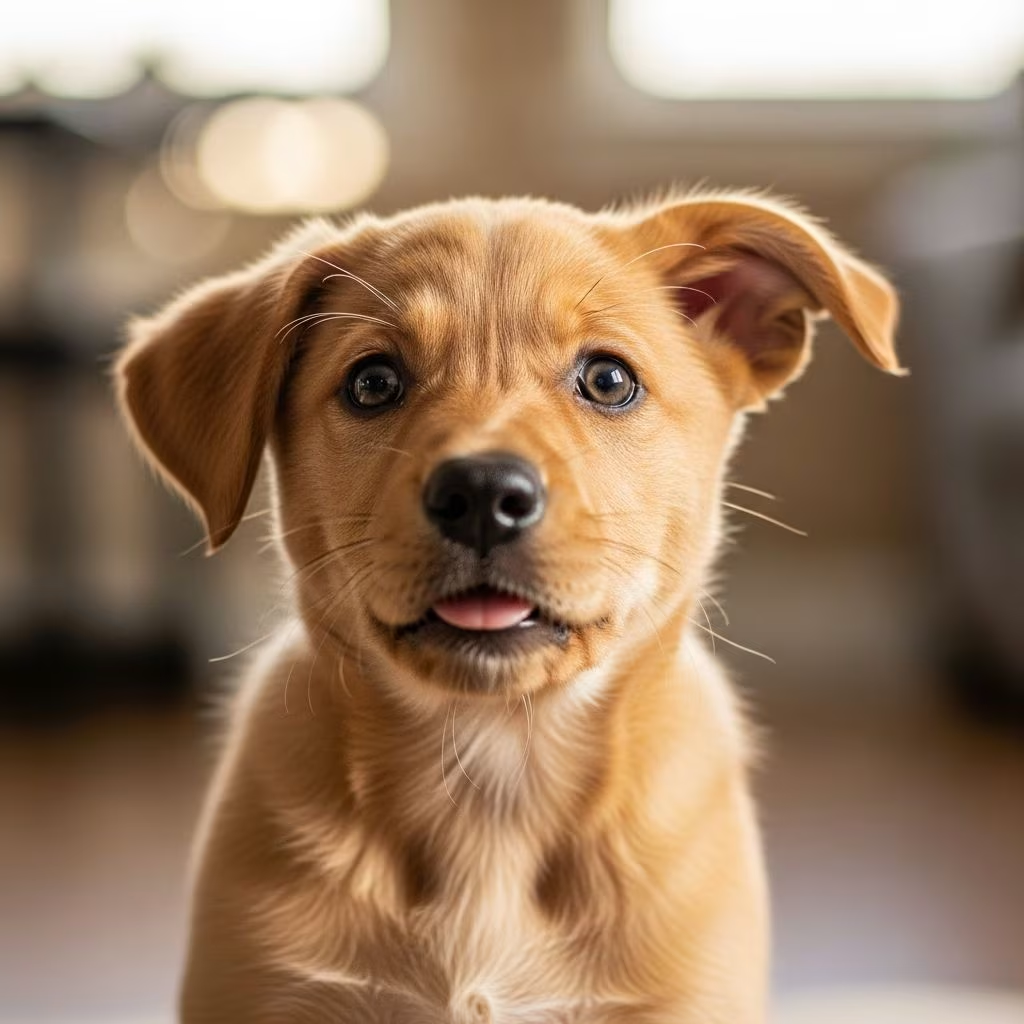
Puppy hiccups are a frequent occurrence that can startle new pet owners, but they stem from the same physiological process as in humans. The diaphragm, a thin muscle separating the chest from the abdomen, spasms involuntarily, causing the characteristic ‘hic’ sound when the vocal cords snap shut. In young dogs, these episodes happen more often due to their developing bodies and enthusiastic behaviors.
The Physiology Behind Hiccups in Young Dogs
Hiccups result from sudden diaphragm contractions triggered by irritation from the stomach, nerves, or rapid breathing. Puppies’ smaller, less mature diaphragms make them particularly susceptible. Unlike adult dogs, whose systems are more robust, puppies’ organs are still growing, amplifying minor irritants into noticeable spasms.
This reflex serves no clear purpose but often resolves quickly as the diaphragm resets. Understanding this helps owners respond calmly rather than with alarm.
Everyday Triggers for Puppy Hiccups
Most puppy hiccups arise from benign, daily activities. Recognizing patterns allows proactive prevention.
- Rapid Eating or Drinking: Puppies devour meals with gusto, gulping air (aerophagia) that distends the stomach and presses on the diaphragm. This is the top cause, seen in excitable young eaters.
- High Energy and Excitement: Bursts of play cause heavy panting and irregular breaths, irritating the diaphragm. Puppies’ boundless energy exacerbates this.
- Stomach Upset from Diet: Sudden food changes, treats, or irritants like spicy scraps create gas or discomfort near the diaphragm.
- Temperature Shifts: Cold water or chilly environments can shock the system, prompting spasms.
- Stress or Fatigue: Overstimulation or exhaustion disrupts breathing rhythms, common during naps.
Why Puppies Experience More Hiccups Than Adults
Puppies hiccup frequently because their diaphragms and digestive tracts are underdeveloped. Immature nerves controlling the muscle are hypersensitive, and smaller airways mean quicker air intake during excitement. As they mature around 6-12 months, episodes dwindle.
| Factor | Puppies | Adult Dogs |
|---|---|---|
| Diaphragm Maturity | Developing, sensitive | Fully formed, resilient |
| Eating Speed | Very fast, gulps air | Slower, controlled |
| Energy Levels | Hyperactive bursts | Steady activity |
| Frequency of Episodes | Common, multiple times weekly | Rare, occasional |
Proven Home Remedies to Stop Puppy Hiccups
Simple interventions mimic human remedies by calming the diaphragm or easing stomach pressure. Always monitor for improvement.
- Slow Down Meals: Use puzzle feeders or scatter kibble to prevent gulping. Divide into 3-4 smaller portions daily.
- Gentle Belly Rubs: Massage in circles while the puppy lies on its back to relax muscles and steady breathing.
- Room-Temperature Water: Offer small sips slowly via a shallow dish or fountain to hydrate without shocking the system.
- Calm Environment: Dim lights, soft voices, and quiet time reduce excitement-induced spasms.
- Light Exercise Pause: Short, slow walks normalize breathing post-play.
Avoid startling the puppy or force-feeding, as this worsens spasms. Most bouts last minutes to hours and self-resolve.
Potential Health Concerns Linked to Persistent Hiccups
While rare, ongoing hiccups signal underlying issues. Watch for clusters exceeding hours or days.
- Respiratory Problems: Coughing, wheezing, or nasal discharge alongside hiccups may indicate bronchitis, pneumonia, or kennel cough. Brachycephalic breeds like Pugs are prone.
- Gastrointestinal Distress: Vomiting, diarrhea, or bloating points to reflux, allergies, or obstructions pressing the diaphragm.
- Heat-Related Issues: Panting, lethargy, and drooling with hiccups suggest heatstroke, especially in hot weather.
- Cardiac or Temperature Extremes: Hypothermia from cold exposure or pericarditis (heart sac inflammation) can trigger spasms. Look for shivering or weakness.
Track duration, frequency, and symptoms in a journal for vet discussions.
Preventing Hiccups Through Lifestyle Adjustments
Proactive habits minimize occurrences, promoting overall wellness.
- Consistent feeding schedule with measured portions.
- Gradual diet transitions over 7-10 days.
- Avoid human foods, especially spicy or fatty ones.
- Maintain moderate play sessions with rest breaks.
- Ensure warm, draft-free sleeping areas.
Regular vet check-ups catch maturing vulnerabilities early.
Breed-Specific Considerations for Hiccup-Prone Puppies
Certain breeds face heightened risks due to anatomy.
| Breed Type | Risk Factors | Prevention Tips |
|---|---|---|
| Brachycephalic (e.g., Bulldog, Pug) | Short airways, heavy breathing | Slow feeders, AC-cooled spaces |
| High-Energy (e.g., Labrador, Border Collie) | Excitement bursts | Structured play, calm-down routines |
| Small Breeds (e.g., Chihuahua) | Immature systems, fast eaters | Tiny portions, frequent meals |
FAQs on Puppy Hiccups
Are hiccups painful for puppies?
No, they are uncomfortable at worst, like a mild twitch, and rarely distress puppies.
How long is too long for puppy hiccups?
Over 24-48 hours warrants a vet call, especially with other symptoms.
Can vaccines or growth spurts cause hiccups?
Indirectly, via stress or rapid development, but not directly.
Is it safe to ignore frequent hiccups?
Occasional yes, but patterns need monitoring for trends.
Do puppy hiccups affect sleep?
Often start during naps due to relaxed, irregular breathing.
Long-Term Monitoring and Veterinary Guidance
Owners should log episodes: time, duration, triggers, remedies. Annual wellness exams include respiratory checks. For chronic cases, vets may recommend diagnostics like X-rays or bloodwork to rule out parasites, allergies, or neuromuscular issues.
Nutrition plays a role; high-quality, grain-free diets reduce gas in sensitive pups. Hydration stations encourage sipping over gulping.
By blending prevention, remedies, and vigilance, hiccups become minor footnotes in a puppy’s joyful growth.
References
- Dog Hiccups: Causes & Remedies — Brown Vet Hospital. 2023. https://brownvethospital.com/blog/dog-hiccups/
- Hiccups in Dogs & Puppies: Causes, Cures, Concerns — Pawlicy Advisor. 2024. https://www.pawlicy.com/blog/hiccups-in-dogs-and-puppies/
- Why Dogs Get Hiccups and How to Get Rid of Them — Sunset Anytime. 2023. https://sunsetanytime.com/blog/dog-hiccups/
- Dog & Puppy Hiccups: How to Get Rid of Them — AC Gas Vet. 2022-05-31. https://www.acgasvet.com/site/blog/2022/05/31/dog-puppy-hiccups
- Can Dogs Get Hiccups? Causes and Treatments — BARK. 2024. https://bark.co/blogs/health/can-dogs-get-hiccups
- Why Does My Dog Have Hiccups? — VHA Vets. 2023. https://vhavets.com/blog/why-does-my-dog-have-hiccups/
- Dog Hiccups: What Are They and How Do Dogs Get Them? — PetMD. 2024. https://www.petmd.com/dog/general-health/dog-hiccups



