

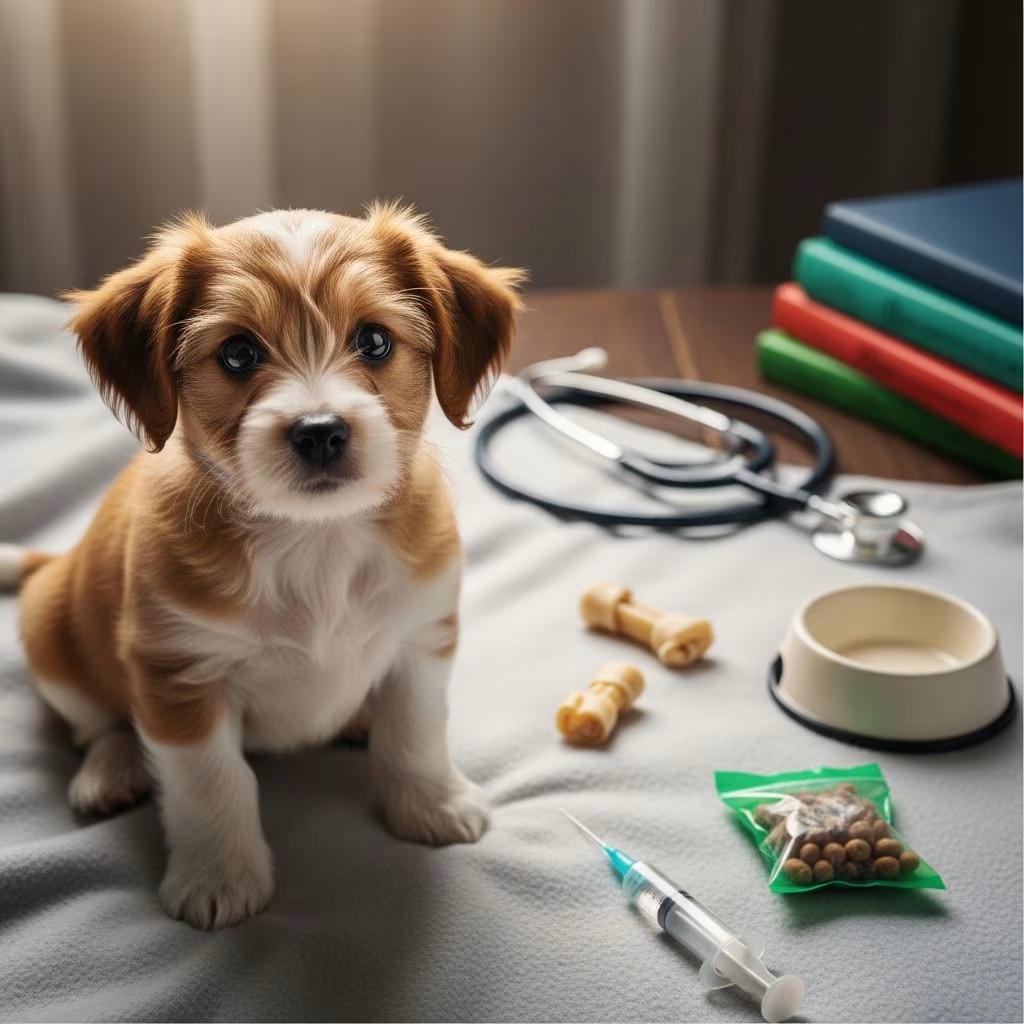
Bringing a puppy into your home brings immense joy, but it also comes with the responsibility of safeguarding their delicate health. Young dogs, especially those under six months, face unique vulnerabilities due to immature immune systems. This guide explores prevalent conditions, offering clear signs to watch for, management approaches, and proactive steps to ensure your furry companion grows strong and healthy.
Understanding Puppy Vulnerability
Puppies transition from maternal antibodies to their own defenses around 6-12 weeks, creating a window of susceptibility. Factors like incomplete vaccinations, exposure to contaminated environments, and poor nutrition amplify risks. Early detection through observant care can dramatically improve outcomes, as many issues progress rapidly in tiny bodies.
Viral Threats: Parvovirus Breakdown
**Parvovirus (Parvo)** stands as one of the most dreaded puppy ailments, highly contagious via fecal matter in shared spaces. It targets rapidly dividing cells in the intestines and bone marrow, leading to severe gastrointestinal distress.
- Key Indicators: Bloody diarrhea, persistent vomiting, high fever, extreme lethargy, refusal to eat, rapid dehydration, and weakness.
- Progression Timeline: Symptoms erupt 3-10 days post-exposure; without intervention, fatality rates soar above 90% in unvaccinated pups.
Treatment focuses on supportive care: intravenous fluids combat dehydration, anti-nausea drugs ease vomiting, and antibiotics prevent secondary infections. Hospitalization lasts 3-7 days typically, with survivors regaining full vitality within weeks. Prevention hinges on a vaccine series starting at 6-8 weeks, boosters at 12 and 16 weeks, and avoiding dog parks until fully protected.
Respiratory Infections in Young Dogs
Puppies’ developing lungs make them prone to airborne pathogens, often contracted in group settings like shelters or playgroups.
Kennel Cough Essentials
This Bordetella-driven condition mimics a bad cold but spreads like wildfire through cough droplets.
- Warning Signs: Honking cough, nasal discharge, sneezing, mild fever, appetite loss, and fatigue.
Mild instances resolve with rest and humidity; severe ones require antibiotics and cough suppressants, clearing in 7-14 days. A Bordetella vaccine, often intranasal, offers protection—mandatory for boarding facilities.
Dog Influenza Insights
Less common yet serious, canine flu presents flu-like symptoms: moist/dry coughs, eye/nose discharge, fever, breathing difficulties, and lethargy.
No direct cure exists; vets provide fluids, oxygen, and isolation to curb spread. Recovery spans 2-3 weeks, but complications like pneumonia loom.
Distemper: The Multi-System Menace
Canine distemper virus ravages respiratory, digestive, and nervous systems, with pups under 4 months at highest risk.
| Stage | Symptoms |
|---|---|
| Early (Respiratory/GI) | Fever, eye/nose discharge, cough, vomiting, diarrhea, lethargy. |
| Advanced (Neurologic) | Seizures, twitching, paralysis, head tilting, circling. |
Supportive therapy—fluids, anticonvulsants, antibiotics—bolsters survival, though rates vary by strain (10-50%). No antiviral cure; lingering neurologic damage affects 20-30% of survivors. Core DHPP vaccine series (distemper, hepatitis, parvo, parainfluenza) is non-negotiable, administered at 6, 10, 14, and 16 weeks.
Parasitic Invaders: Internal and External
Parasites thrive in puppies, often inherited from mothers or picked up outdoors, sapping nutrition and vitality.
Worms and Protozoa
- Common Types: Roundworms, hookworms, whipworms, giardia, coccidia.
- Effects: Pot-bellied swell, diarrhea (bloody/mucoid), vomiting, poor coat, anemia, stunted growth.
Dewormers like pyrantel or fenbendazole clear infestations; monthly preventives (e.g., Heartgard) maintain control. Annual fecal exams catch stealth cases.
Fleas, Ticks, and Mites
These ectoparasites irritate skin, transmit diseases like Lyme, and trigger allergies.
- Signs: Flea dirt (black specks), incessant scratching, red hotspots, hair loss, tick lumps.
Topicals (Frontline), orals (Nexgard), and collars eradicate them; baths soothe infestations. Environment treatment prevents reinfestation.
Other Frequent Puppy Concerns
Adenovirus and Hepatitis
This viral foe assaults the liver, causing fever, lethargy, bloody diarrhea, and breathing issues. Supportive care yields 1-30% survival; vaccination bundles it with distemper shots.
Leptospirosis (Regional Risk)
Bacterial invader from contaminated water prompts increased thirst, jaundice, and kidney distress. Vaccines cover high-risk areas.
Decoding Sickness Signals
Beyond specific diseases, general red flags demand immediate vet attention:
- Persistent vomiting/diarrhea >24 hours
- Lethargy or isolation
- Unusual stool colors/textures
- Loss of appetite >48 hours
- Breathing struggles or pale gums
- Seizures or disorientation[10]
Prevention Blueprint for Puppy Wellness
A robust strategy combines science and diligence:
- Vaccination Schedule: Core shots (DHPP) at 6-16 weeks, rabies at 12-16 weeks; non-core like Bordetella/lepto per lifestyle.
- Parasite Protocol: Start preventives at 8 weeks, fecal checks quarterly first year.
- Hygiene Habits: Disinfect yards/toys, limit unvaccinated contacts, safe socialization post-series.
- Nutrition Foundation: High-quality puppy food supports immunity; avoid raw diets.
- Regular Checkups: Wellness visits at 8, 12, 16 weeks monitor growth.
When to Rush to the Vet
Err on caution: Puppies deteriorate fast. Day/night emergency signs include collapse, unrelenting bleed, or breathing crises. Telemedicine aids minor queries, but hands-on exams rule for diagnostics.[10]
Frequently Asked Questions
How soon after symptoms should I see a vet for parvo suspicion?
Immediately—dehydration kills within hours. Bring a fecal sample if possible.
Is kennel cough dangerous for puppies?
Rarely fatal but weakens defenses, risking pneumonia in vulnerable pups.
Can over-the-counter dewormers suffice?
No; vet-prescribed doses target species accurately, avoiding resistance.
What’s the full puppy vaccine timeline?
6-8w: DHPP #1; 10-12w: #2 + Bordetella; 14-16w: #3 + Rabies. Boosters yearly.
Do home remedies work for puppy diarrhea?
Not for infectious causes; rice water or probiotics aid mild cases, but vet first.
Long-Term Health Building
Beyond crises, spay/neuter at 6-9 months curbs cancers/behaviors. Dental chews prevent periodontal issues early. Exercise matching breed energy fosters heart/lung strength. Track weight weekly; obesity shadows many adults from puppy habits.
Investing knowledge now yields years of tail-wags. Consult your vet for tailored plans, as breeds/environments vary risks.
References
- Common Puppy Illnesses: Signs, Symptoms, Treatment — American Kennel Club. 2023. https://www.akc.org/expert-advice/health/common-puppy-illnesses-to-know/
- 7 Common Puppy Illnesses and How To Protect Your Pup — PetMD. 2024. https://www.petmd.com/dog/general-health/7-common-puppy-illnesses-and-how-to-protect
- Puppy Health Concerns: Signs to Look Out For — Park Town Veterinary. 2023. https://www.parktownvet.com/blog/puppy-health-concerns-signs-to-look-out-for.html
- How Do I Know if My Puppy Is Sick? Symptoms & Treatment — Purina. 2024. https://www.purina.com/articles/dog/puppy/health/sick-puppy
- Three Common Puppy Illnesses — AKC Pet Insurance. 2023. https://www.akcpetinsurance.com/blog/three-common-puppy-illnesses



