

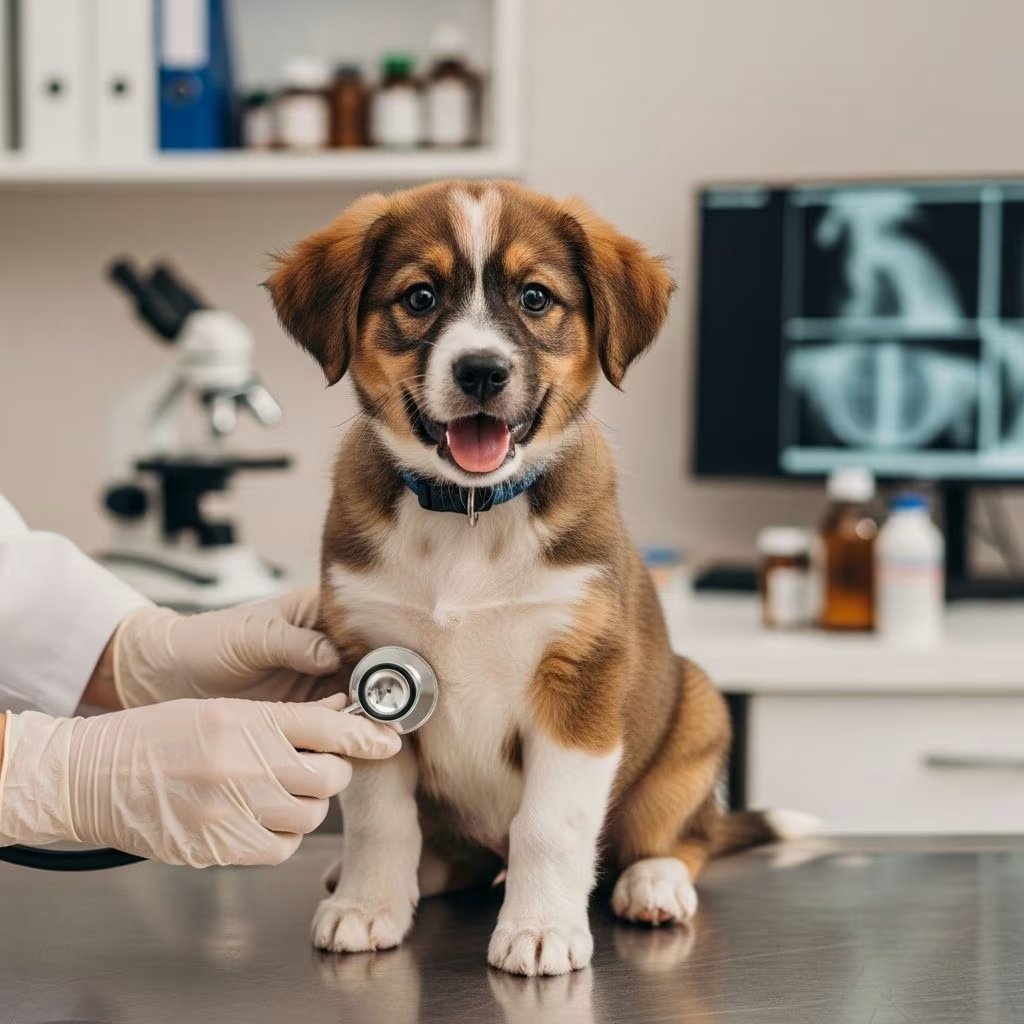
Bringing a puppy into your home brings immense joy, but it also comes with the responsibility of safeguarding their delicate health. Young dogs, especially those under six months, face heightened vulnerability to various illnesses due to immature immune systems. Early detection and proactive measures can make all the difference in ensuring a long, happy life for your furry companion.
Why Puppies Are Particularly Susceptible
Puppies’ immune defenses are still developing, making them prime targets for viral infections, bacterial issues, and parasites. Factors like incomplete vaccination series, exposure in public areas such as parks or shelters, and close contact with other dogs amplify these risks. According to veterinary experts, timely vaccinations starting at six to eight weeks can dramatically reduce incidence rates of severe diseases.
Understanding the landscape of common health threats empowers owners to act swiftly. This guide explores prevalent conditions, their warning signs, management approaches, and prevention tactics, drawing from established veterinary protocols.
Viral Infections: The Most Critical Concerns
Viral diseases top the list of puppy health dangers because they spread rapidly and often lack direct cures, relying instead on intensive supportive therapy.
Parvovirus: A Rapidly Progressing Danger
Parvovirus, or parvo, strikes the gastrointestinal tract and immune cells, leading to swift deterioration if untreated. Puppies aged six weeks to six months are most at risk, with symptoms erupting suddenly: severe bloody diarrhea, relentless vomiting, high fever, extreme lethargy, dehydration, loss of appetite, pale gums, and abdominal tenderness.
Without prompt intervention, parvo can cause shock, sepsis, or cardiac complications. Survival hinges on immediate veterinary hospitalization featuring IV fluids, anti-nausea drugs, antibiotics for secondary infections, and nutritional support. Recent data shows up to 90% survival with aggressive care, though recovery spans 7-10 days and demands strict isolation to curb contagion.
Prevention is straightforward and highly effective: adhere to the vaccination schedule at 6, 8, 12, and 16-20 weeks, followed by annual boosters. Avoid dog parks until fully vaccinated.
Canine Distemper: Multi-System Attacker
Distemper virus targets respiratory, digestive, and nervous systems, manifesting in fever, nasal/eye discharge, coughing, vomiting, bloody diarrhea, lethargy, and in advanced cases, seizures or twitching. It’s airborne and highly contagious in unvaccinated populations.
No antiviral exists; treatment focuses on symptom relief via fluids, antibiotics, and isolation. Fatality rates are high, and survivors may suffer lifelong neurological deficits or enamel damage predisposing to dental woes. Vaccination in the core puppy series provides robust protection.
Canine Adenovirus and Influenza Variants
Adenovirus prompts hepatitis-like symptoms: fever, lethargy, jaundice, bleeding tendencies, and respiratory distress. Dog flu adds moist/dry coughs, sneezing, runny eyes/nose, and breathing difficulties. Both demand supportive care—IV therapy, oxygen if needed—and quarantine. Vaccines mitigate adenovirus; flu shots are emerging recommendations.
Respiratory Challenges in Puppies
Kennel Cough: The Persistent Honker
This Bordetella-driven complex causes a distinctive ‘honking’ cough, plus sneezing, runny nose, mild fever, and fatigue. Highly transmissible in group settings like boarding or classes.
Mild instances resolve with rest in 7-14 days; severe ones may require antibiotics, cough suppressants, or nebulization. Intranasal vaccines offer quick onset protection for social puppies.
Parasitic Infestations: Hidden Drainers
Internal and external parasites sap vitality, causing diarrhea, vomiting, pot-bellied swellings, poor coat, weight loss, anemia, and visible worms in stool. Common culprits include roundworms, hookworms, whipworms, fleas, ticks, and heartworms.
Dewormers at 2, 4, 6, and 8 weeks, then monthly preventives, combined with flea/tick topicals, form the defense. Routine fecal checks catch issues early. Heartworm prevention is year-round essential, especially in endemic zones, via oral or injectable meds.
Identifying Emergency Symptoms
Act fast on these red flags: persistent vomiting/diarrhea (especially bloody), unquenchable thirst/urination, labored breathing, seizures, jaundice, bleeding, collapse, or refusal to eat/drink for 24 hours. Dehydration test: pinch skin on neck; slow tenting signals urgency.
| Symptom | Possible Cause | Action |
|---|---|---|
| Bloody diarrhea | Parvo, parasites | Immediate vet |
| Honking cough | Kennel cough | Monitor; vet if prolonged |
| Seizures | Distemper | Emergency care |
| Pot-belly | Worms | Fecal exam/deworm |
| Yellow gums | Adenovirus | Hospitalize |
Vaccination Blueprint for Puppy Protection
A structured vaccine protocol is non-negotiable. Core shots cover distemper, parvo, adenovirus, parainfluenza, and rabies (at 12-16 weeks). Non-core like Bordetella suit lifestyle needs.
- 6-8 weeks: First DHPP combo
- 10-12 weeks: Booster + leptospirosis if relevant
- 14-16 weeks: Final DHPP + rabies
- Annual titers/boosters thereafter
Consult your vet for tailored plans, factoring breed, location, and exposure risks.
Home Care Strategies During Recovery
Post-treatment, provide a quiet, warm space; bland diets (boiled chicken/rice); small, frequent meals; and ample fresh water. Probiotics aid gut recovery. Monitor weight, stool, and energy daily. Avoid baths until cleared to prevent chilling.
Preventive Lifestyle Adjustments
- Sanitize bowls, bedding, yards with bleach (1:30 dilution).
- Limit unvaccinated puppy interactions.
- Regular wellness exams every 3-6 months.
- Balanced puppy kibble supports immunity.
- Microchip and ID collar for lost pups.
Frequently Asked Questions
How soon after parvo exposure do symptoms appear?
Incubation is 3-7 days; symptoms peak rapidly.
Can vaccinated puppies still get kennel cough?
Vaccines reduce severity but don’t guarantee immunity due to multiple strains.
What’s the cost of parvo treatment?
Hospitalization ranges $500-$3000+, varying by location and duration.
Are natural remedies safe for puppy illnesses?
They supplement but never replace vet care; consult professionals first.
How to check puppy dehydration at home?
Skin tent test, gum moisture, eye sunkenness—vet if positive.
Long-Term Health Monitoring
Beyond puppyhood, annual checkups, dental cleanings, and senior screens maintain wellness. Spay/neuter around 6 months curbs cancers and behaviors. Nutrition evolves with growth phases.
Investing in prevention today yields a robust companion tomorrow. Stay vigilant, vaccinate diligently, and partner with your veterinarian for peak puppy prosperity.
References
- 7 Common Puppy Illnesses and How To Protect Your Pup — PetMD. 2023. https://www.petmd.com/dog/general-health/7-common-puppy-illnesses-and-how-to-protect
- The Most Common Dog Illnesses: Symptoms and Treatment — VSEC. 2023-01-30. https://www.vsecto.com/site/blog/2023/01/30/common-dog-illnesses-symptoms-treatment
- Common Puppy Illnesses: Signs, Symptoms, Treatment — AKC. N/A. https://www.akc.org/expert-advice/health/common-puppy-illnesses-to-know/
- Puppy Illnesses — Mokena Animal Clinic. N/A. https://www.mokenaanimalclinic.com/blog/illnesses-to-watch-for-in-puppies
- Common Dog Diseases — ASPCA. N/A. https://www.aspca.org/pet-care/dog-care/common-dog-diseases
- What common illnesses do dogs get? — Banfield Pet Hospital. 2025. https://www.banfield.com/Bblog/bwell/2025/What-common-illnesses-do-dogs-get



