

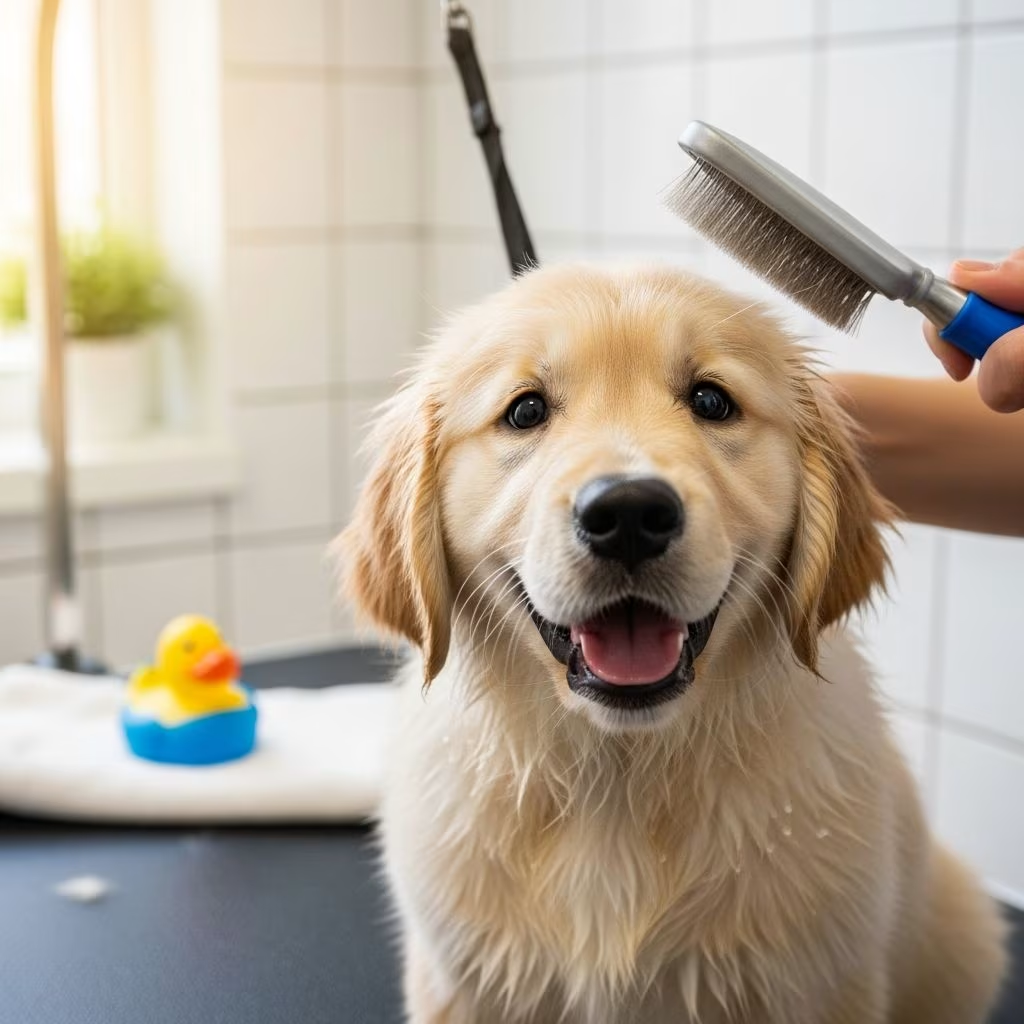
Grooming your new puppy is essential for maintaining their health, hygiene, and appearance while fostering a strong bond between you and your furry companion. Starting early with gentle, positive grooming routines helps puppies become comfortable with handling, prevents matting, and allows you to spot health issues promptly.
Why Grooming Matters for Puppies
Regular grooming keeps your puppy clean, supports healthy skin and coat, improves circulation, and serves as a bonding opportunity that reduces stress for both puppy and owner. It also enables early detection of lumps, bumps, parasites, or injuries, especially in longer-haired breeds. All puppies, regardless of coat type, benefit from grooming introduced in their first weeks at home, turning it into a fun, routine part of life rather than a stressful event.
Professional groomers emphasize that a solid foundation of nutrition and consistent care leads to a show-quality coat. For instance, handlers at Crufts stress that healthy grooming starts from within, with good diet and regular sessions being non-negotiable.
Getting Your Puppy Used to Grooming
Introduce grooming gradually with positive reinforcement to build trust. Start with short sessions using plenty of treats and praise, associating touch with rewards. Puppies should view grooming as playtime, not punishment.
- Begin brushing and towelling early, even after playful rolls in mud or fox poo.
- Handle paws, ears, and mouth daily to desensitize them.
- Use a calm environment for first experiences, avoiding overwhelming noises.
At-home preparation is key before professional visits. Videos from groomers show slowly introducing brushes like slicker brushes, working tangles gently without yanking to avoid discomfort.
Grooming Tools You’ll Need
Invest in breed-appropriate tools for effective, safe grooming. A basic kit includes:
- Slicker brush or pin brush: For removing loose fur and detangling.
- Comb: Fine-toothed for mats, wide-toothed for general use.
- Nail clippers or grinder: Puppy-sized to prevent splitting.
- Dog-specific shampoo and conditioner: Gentle, pH-balanced formulas.
- Toothbrush and enzymatic toothpaste: For dental health.
- Towels and drying mitts: Absorbent microfiber for post-bath care.
Choose tools suited to coat type: short-haired pups need less, while long-coated breeds like Shih Tzus require more frequent brushing.
Brushing Your Puppy’s Coat
Brushing distributes natural oils, removes dirt, and prevents mats. Frequency depends on breed:
| Coat Type | Frequency | Tips |
|---|---|---|
| Short/Smooth | 1-2 times/week | Quick rubber curry brush sessions. |
| Medium/Wavy | 2-3 times/week | Slicker brush; check for undercoat buildup. |
| Long/Double | Daily | Pin brush from skin outward; separate sections for tangles. |
Technique: Always brush in the direction of hair growth, starting from the end and working up to avoid pulling. For puppies, use corner of the brush on tough spots and spray detangler like glow coat for easier glide. Sessions should be short initially to build tolerance. Pros note breed-specific changes, like Poodles needing more washes as puppies before adult coat develops.
Bathing Your Puppy
Bathe only when necessary—every 4-6 weeks for most pups—to preserve natural oils. Overbathing dries skin.
- Wet coat thoroughly with lukewarm water.
- Apply puppy shampoo, lather gently, avoiding eyes and ears.
- Rinse completely to prevent irritation.
- Conditioner for tangles, then towel dry or low-heat blow dry.
- Keep sessions positive with toys and treats.
Crufts experts advocate regular bathing for knot prevention: “A clean coat is a happy coat”. Puppies like Standard Poodles may need 3x weekly maintenance baths early on, reducing later.
Nail Trimming Essentials
Puppy nails grow fast and can curl painfully if neglected. Trim every 2-4 weeks or when clicking on floors.
- Introduce clippers gradually; touch paws daily.
- Clip small amounts, avoiding the quick (pink vein inside nail).
- Use styptic powder for bleeds; grinders are safer for wiggly pups.
- White nails show quick easily; dark ones require caution.
First professional trims should be calm; request early appointments.
Ear Cleaning and Inspection
Check ears weekly for wax, redness, or odor indicating infections. Long-eared breeds are prone.
- Use vet-approved cleaner on cotton pad; never Q-tips deep.
- Wipe visible areas gently.
- Dry thoroughly to prevent moisture buildup.
Dental Care for Puppies
Start toothbrushing at 8 weeks to prevent plaque. Use finger brush and dog toothpaste 2-3x weekly.
- Introduce flavor gradually.
- Brush outer surfaces in circles.
- Supplement with dental chews.
Details like manicured nails and ear care contribute to overall health.
When to Start Professional Grooming
First groom at 12-16 weeks, post-vaccinations. Choose certified groomers experienced with puppies. Prep at home builds confidence. Keep initial visits minimal: bath, brush, nails, sanitary trim. Goal: Gain trust for future sessions.
Breed-Specific Grooming Advice
Tailor routines:
- Shih Tzu/Poodle: Frequent baths, scissoring; protective banding post-groom.
- Shiba Inu: Simple bath and dry for short coats.
- Short-haired breeds: Weekly wipe-downs suffice.
Grooming evolves with coat changes from puppy to adult.
Common Grooming Mistakes to Avoid
Don’t overdo products or heat; natural is best. Avoid yanking mats—separate gently. Skip full clips on first visits; focus on positives. Never punish fear.
Frequently Asked Questions (FAQs)
Q: How often should I groom my puppy?
A: Daily for long coats, 1-2x weekly for short; adjust by breed and lifestyle.
Q: When is a puppy’s first professional groom?
A: Around 12-16 weeks; start with basics to build trust.
Q: Can I bathe my puppy too much?
A: Yes, every 4-6 weeks max to avoid dry skin.
Q: What if my puppy hates grooming?
A: Go slow, use rewards, keep sessions short; consult pros if needed.
Q: Are special shampoos necessary?
A: Use puppy-formulated, gentle ones; avoid human products.
Grooming is an ongoing commitment yielding a healthier, happier puppy. Consistency pays off in confidence and shine.
References
- New Puppy Essentials: What You Need – Kinship — Kinship. 2025. https://www.kinship.com/uk/dog-lifestyle/puppy-essentials-uk
- Crufts 2025: Top Grooming Tips From The Professionals – Kinship — Kinship. 2025. https://www.kinship.com/uk/dog-health/crufts-professional-grooming-tips
- Grooming Your Puppy – All Your Questions Answered | Purina UK — Purina UK. 2020-11-26. https://www.purina.co.uk/articles/dogs/puppy/health/puppy-grooming
- Puppy’s First Grooming! How to Build Trust, Brush, and … – YouTube — Grooming By Rudy. 2025-06-27. https://www.youtube.com/watch?v=JRFQtlO1gSA
- How to Groom Your New Puppy – Kinship — Kinship. 2025. https://www.kinship.com/dog-health/puppy-grooming-tips



