

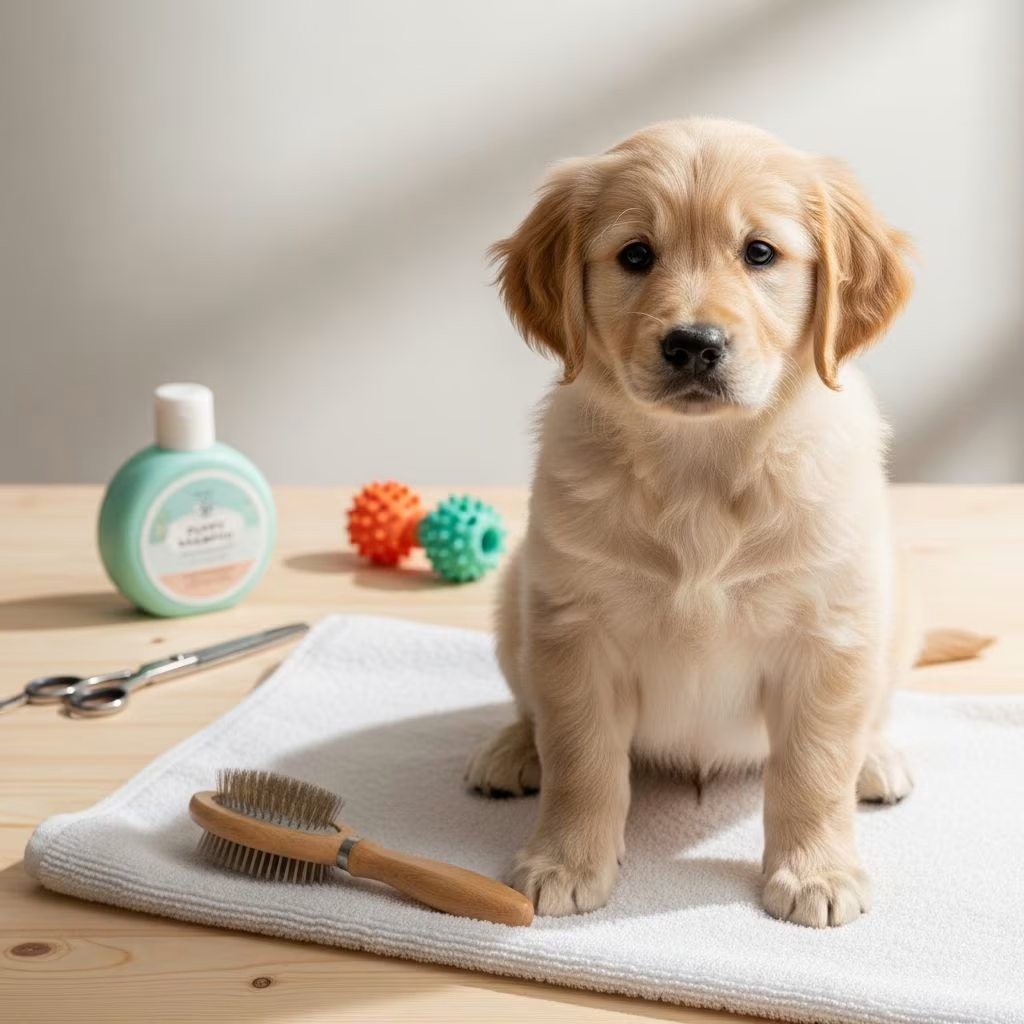
Grooming your new puppy is essential for their health, comfort, and appearance. Starting early establishes positive habits, prevents matting, and helps detect health issues early. This guide covers all aspects of puppy grooming, from brushing and bathing to nail trimming and professional visits, ensuring your pup stays happy and well-maintained.
Why Groom Your Puppy Early?
Introducing grooming routines during puppyhood builds trust and makes future sessions easier. Puppies have soft coats that can mat quickly if neglected, leading to discomfort or skin issues. Regular grooming removes dirt, distributes natural oils, and promotes circulation for a healthy coat. It also familiarizes them with handling, reducing stress at the vet or groomer.
Professionals emphasize starting with a solid foundation: healthy diet and consistent brushing for show-quality fur, applicable to all pets. Early grooming prevents problems like tangled hair or overgrown nails, which can cause pain or infection.
Grooming Supplies You’ll Need
Stock up on puppy-safe tools to make grooming efficient and gentle:
- Slicker brush or pin brush: For removing loose fur and tangles without irritating skin.
- Comb: Fine-toothed for detangling, wide-toothed for general use.
- Puppy shampoo: Mild, oatmeal-based formulas suit sensitive skin.
- Nail clippers or grinder: Guillotine-style for puppies.
- Ear cleaner and cotton balls: Vet-recommended solutions.
- Toothbrush and enzymatic toothpaste: Poultry-flavored for appeal.
- Towels and treats: For drying and positive reinforcement.
Choose tools sized for your puppy’s breed and coat type. Short-haired breeds need less, while long-haired ones like Shih Tzus require daily attention.
How Often Should You Groom Your Puppy?
| Grooming Task | Frequency | Notes |
|---|---|---|
| Brushing | Daily for long coats; 2-3x/week for short | Prevents mats, especially in puppies. |
| Bathing | Every 4-6 weeks | Overbathing dries skin; spot clean as needed. |
| Nail Trimming | Every 2-4 weeks | Listen for clicking on floors. |
| Ear Cleaning | Weekly | More for floppy ears. |
| Teeth Brushing | Daily | Prevents plaque buildup. |
Adjust based on breed: Poodles need frequent washing as puppies, reducing as adults; Shiba Inus may need less. Monitor for changes like excessive shedding.
Step-by-Step Brushing Guide
Brushing is the cornerstone of puppy grooming. It removes dirt, debris, shed skin, and loose hair while preventing mats.
- Choose a calm time: After play or meals when relaxed.
- Build trust: Let puppy sniff brush; use treats. Start with gentle strokes.
- Brush direction: With the grain, then against for undercoat. Use slicker brush corners for knots—never yank.
- Section the body: Head, back, sides, belly, legs, tail. Go slow on sensitive areas like armpits.
- Positive reinforcement: Praise and reward throughout. Sessions 5-10 minutes initially.
For first-time groomers, keep minimal: brush out, no full clips. Daily brushing for breeds like Shih Tzus ensures a healthy coat from within.
Bathing Your Puppy Safely
Bathing keeps coats clean but shouldn’t be overdone. A clean coat is a happy coat, preventing knots.
- Frequency: Puppies every 4 weeks; more for dirty pups, less for adults.
- Prep: Brush first to loosen debris. Use lukewarm water in a sink or tub.
- Shampoo: Dilute puppy formula; lather gently, avoiding eyes/ears.
- Rinse thoroughly: Residue irritates skin.
- Dry: Towel dry; air dry or low-heat blower if tolerated. Skip if stressful.
Towel drying suits sensitive pups like Shiba Inus. Use cream rinses post-bath for detangling.
Nail Trimming Tips
Overgrown nails cause pain and poor gait. Start early to acclimate.
- Tools: Sharp clippers; grinder for fearful pups.
- Expose to sound: Run clippers without cutting first.
- Clip small amounts: Avoid quick (pink part with blood vessels). White nails: clip until translucent.
- If bleed: Styptic powder stops it.
- Reward heavily: Make positive.
Trim every 3 weeks; pros check for perfect manicure.
Ear Cleaning and Inspection
Clean ears weekly to prevent infections, especially floppy-eared breeds.
- Wipe visible dirt with damp cloth daily.
- Use vet cleaner: Fill canal, massage base, let shake, wipe with cotton.
- Never insert deep; check for redness, odor, discharge.
- Judges note ears as health indicators.
Dental Care for Puppies
Daily brushing prevents periodontal disease, common in dogs.
- Start slow: Finger brush, then dog toothbrush.
- Paste: Enzymatic, dog-safe only.
- Technique: Circular motions on outer teeth.
- Alternatives: Dental chews, water additives.
Clean teeth signal overall health.
Professional Grooming: When and How
First pro groom at 12-16 weeks, post-vaccinations.
- Choose wisely: Ask for puppy specialists; first appointment early.
- Prep at home: Brush regularly so familiar.
- Keep short: Build trust, minimal services first.
- Discuss needs: Breed-specific; natural look preferred.
Handlers stress not overdoing: no excess products for true presentation.
Breed-Specific Grooming Needs
Tailor to coat:
- Long/Silky (Shih Tzu): Daily brush, frequent baths.
- Curly (Poodle): 3x/week wash puppy stage; clip every 6 weeks.
- Short (Labs): Weekly brush, monthly baths.
- Double Coat (Shiba Inu): Seasonal shedding; undercoat rake.
As fur changes from puppy to adult, adjust routines.
Common Grooming Mistakes to Avoid
- Overbathing: Dries skin; stick to schedule.
- Yanking mats: Separate gently.
- Forcing tools: Build tolerance slowly.
- Human products: Toxic to pups.
- Neglecting details: Ears, nails affect health.
Tips for Stress-Free Grooming Sessions
Positive reinforcement: Treats, praise. Short sessions, end on high note. Handle paws/ears daily from 8 weeks. If fearful, consult trainer.
Frequently Asked Questions (FAQs)
Q: When should I start grooming my puppy?
A: Begin at 8 weeks with gentle brushing and handling to build trust.
Q: How do I know if my puppy needs a bath?
A: When dirty or smelly, but not more than every 4 weeks to avoid dry skin.
Q: Is it okay to trim my puppy’s fur short?
A: Minimal clips first; consult pros for breed standards. Avoid full shaves unless necessary.
Q: What if my puppy hates nail trimming?
A: Desensitize with sound first, clip tiny bits, use grinder alternative.
Q: How often for professional grooming?
A: Every 6-8 weeks depending on breed; start after 12 weeks.
Final Thoughts on Puppy Grooming
Consistent grooming keeps your puppy healthy, confident, and ring-ready. Attention to detail—from diet to nails—shows dedication. Adapt to your pup’s needs for a lifetime of shine.
References
- Crufts 2025: Top Grooming Tips From The Professionals — Kinship. 2025. https://www.kinship.com/uk/dog-health/crufts-professional-grooming-tips
- Puppy’s First Grooming! How to Build Trust, Brush, and… — Grooming By Rudy (YouTube). 2025-06-27. https://www.youtube.com/watch?v=JRFQtlO1gSA
- August Newsletter: Tips on Grooming Your New Puppy — HAH Pets. N/A. https://www.hahpets.com/articles/980565-august-newsletter-tips-on-grooming-your-new-puppy
- How to Groom Your New Puppy — Kinship. N/A. https://www.kinship.com/dog-health/puppy-grooming-tips
- Lather, Rinse, Repeat: The Ultimate Dog Grooming Guide — Kinship. N/A. https://www.kinship.com/dog-health/dog-grooming-guide



