

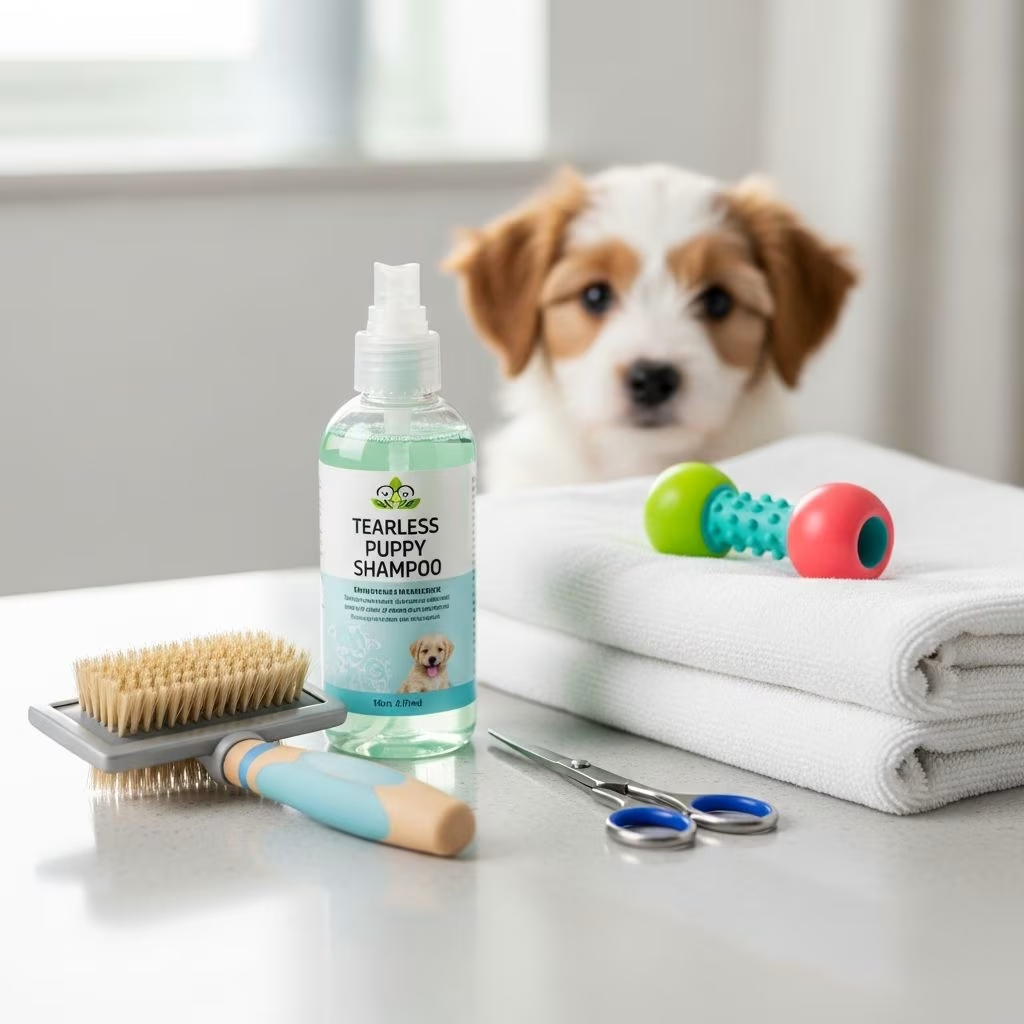
Grooming your puppy goes beyond aesthetics; it promotes overall health by preventing infections, reducing shedding, and fostering a strong bond between you and your pet. Starting early establishes positive routines that last a lifetime.
Why Early Grooming Matters for Puppies
Introducing grooming from a young age helps puppies become accustomed to handling, which minimizes stress during future professional visits. Regular maintenance distributes natural oils, stimulates blood flow to the skin, and catches potential health issues like parasites or skin irritations early. Puppies’ skin is more sensitive than adults’, so gentle methods are crucial to avoid irritation.
Neglecting grooming can lead to matted fur, overgrown nails causing pain while walking, or ear buildup resulting in infections, particularly in breeds with droopy ears. A consistent schedule—weekly for short coats, daily for long ones—keeps your pup comfortable and your home cleaner.
Understanding Your Puppy’s Coat Variations
Different breeds exhibit unique coat types, each demanding specific care strategies. Short-haired puppies like Labradors shed frequently but require minimal brushing, while long-haired ones like Yorkies need daily detangling to prevent painful mats.
- Short coats (e.g., Beagles, Dalmatians): Weekly bristle brushing removes loose hair and shines the coat.
- Medium coats (e.g., some retrievers): Bi-weekly slicker brushes manage undercoat shedding.
- Long or silky coats (e.g., Afghan hounds): Daily wide-tooth combing followed by bristle brushing.
- Curly or wiry coats (e.g., Poodles, Terriers): Frequent combing and professional trims to avoid felting.
Assess your puppy’s coat at 8-12 weeks and adjust tools accordingly. Educate yourself on breed standards via veterinary resources for tailored advice.
Step-by-Step Bathing Guide
Bathing frequency depends on lifestyle: every 4-6 weeks for indoor pups, more often for active outdoor ones. Always use lukewarm water and puppy-formulated shampoo to preserve the skin’s pH balance—human products disrupt this barrier, inviting bacteria.
- Prepare a non-slip mat in a tub or sink to ensure safety.
- Wet from neck down, avoiding face, eyes, and ears.
- Massage shampoo gently, rinse thoroughly to prevent residue.
- Dry with microfiber towels or low-heat dryer, brushing as you go.
For thick-coated breeds like Huskies, pre-brush to remove loose fur, and allow extra drying time. Sessions last 30-60 minutes; reward with treats to build positive associations.
Brushing Techniques for Healthy Fur
Brushing stimulates follicles and prevents tangles. Choose tools by coat: rubber for short, slicker for medium/long, pin for curly.
| Coat Type | Recommended Tool | Frequency |
|---|---|---|
| Short | Bristle brush | Weekly |
| Long | Slicker + comb | Daily |
| Curly | Wide-tooth comb | Every other day |
| Wire | Stripping knife | Bi-weekly |
Brush in the direction of hair growth, starting from the end and working up. For face and paws, use a face-hold technique: gently secure under chin while stroking. This preps for pro groomers and reduces injury risk.
Nail Trimming and Paw Maintenance
Overgrown nails split or curve into pads, causing limping. Trim every 3-4 weeks using guillotine or scissor clippers, cutting just the tip to avoid the quick.
- Inspect pads for debris, foxtails, or mats; clean with damp cloth.
- Apply paw balm for cracked pads, especially in dry climates.
- Trim hair between toes even with pads to prevent slipping.
If unsure, seek a vet demo. Desensitize by touching paws daily from puppyhood.
Ear Cleaning to Prevent Infections
Floppy-eared breeds like Spaniels trap moisture, breeding yeast. Clean bi-weekly with vet-approved solution on cotton balls—never Q-tips deep inside.
Wipe visible wax and dirt; dry thoroughly. Signs of trouble: odor, redness, head shaking—consult a vet promptly. Teach owners home checks between visits.
Dental Hygiene from the Start
Poor dental care leads to plaque, gingivitis, and tooth loss. Begin at 8 weeks: let sniff enzymatic dog toothpaste, progress to finger brush, then full toothbrush.
Daily 30-60 second sessions, focusing outer surfaces. Offer dental chews weekly. Avoid human toothpaste—xylitol is toxic.
Professional Grooming Timelines
First pro visit at 12-16 weeks post-vaccinations. Full services (bath, trim, nails) take 3-4 hours. Discuss styles: puppy clips leave even length for easy maintenance.
Every 4-6 weeks thereafter; home care bridges gaps. Breed impacts needs—short clips for doodles need less brushing than long.
Common Grooming Pitfalls to Avoid
- Overbathing strips oils; stick to dog-specific products.
- Rushing nails risks bleeding; use styptic powder if cut.
- Ignoring wrinkles in breeds like Pugs invites infections—clean daily.
Building a Grooming Routine Schedule
Customize by age and breed:
| Age | Weekly Tasks | Monthly Tasks |
|---|---|---|
| 8-12 weeks | Gentle brush, paw touch, tooth intro | First bath, nail trim |
| 3-6 months | Daily brush (long coat), ear check | Pro groom, dental full clean |
| 6+ months | Full routine | Every 4-6 weeks pro |
Frequently Asked Questions
When should I start grooming my puppy?
Immediately upon bringing home, with gentle handling to acclimate.
How often do puppies need baths?
Every 4-6 weeks, or as needed for dirt.
Can I trim my puppy’s hair at home?
Basic puppy trims yes, but consult pros for breed cuts.
What if my puppy hates grooming?
Use treats, short sessions, and positive reinforcement.
Is professional grooming necessary?
For complex coats yes; basics can be home-done.
References
- The Ultimate Puppy Grooming Guide for Pet Groomers — Pride + Groom Pro. 2023. https://pro.prideandgroom.com/blogs/dog-grooming/the-ultimate-puppy-grooming-guide-for-pet-groomers-1
- Puppy Grooming Guide: How and When To Groom a Puppy — PetMD. 2024-01-15. https://www.petmd.com/dog/general-health/grooming-tips-new-puppy
- Dog Grooming Tips — ASPCA. 2023. https://www.aspca.org/pet-care/dog-care/dog-grooming-tips
- Proper Grooming for Various Dog Breeds — Gingrapp. 2024. https://www.gingrapp.com/blog/proper-grooming-for-various-dog-breeds-a-comprehensive-guide
- 8 Key Tips to Prepare Your Puppy for Professional Grooming — Barkbus. 2023-05-10. https://www.barkbus.com/blog/tips-to-prepare-your-puppy-for-professional-grooming
- Dog Grooming and Style Guide — Hounds Lounge. 2024. https://www.houndslounge.com/blog/dog-grooming-and-style-guide/



