

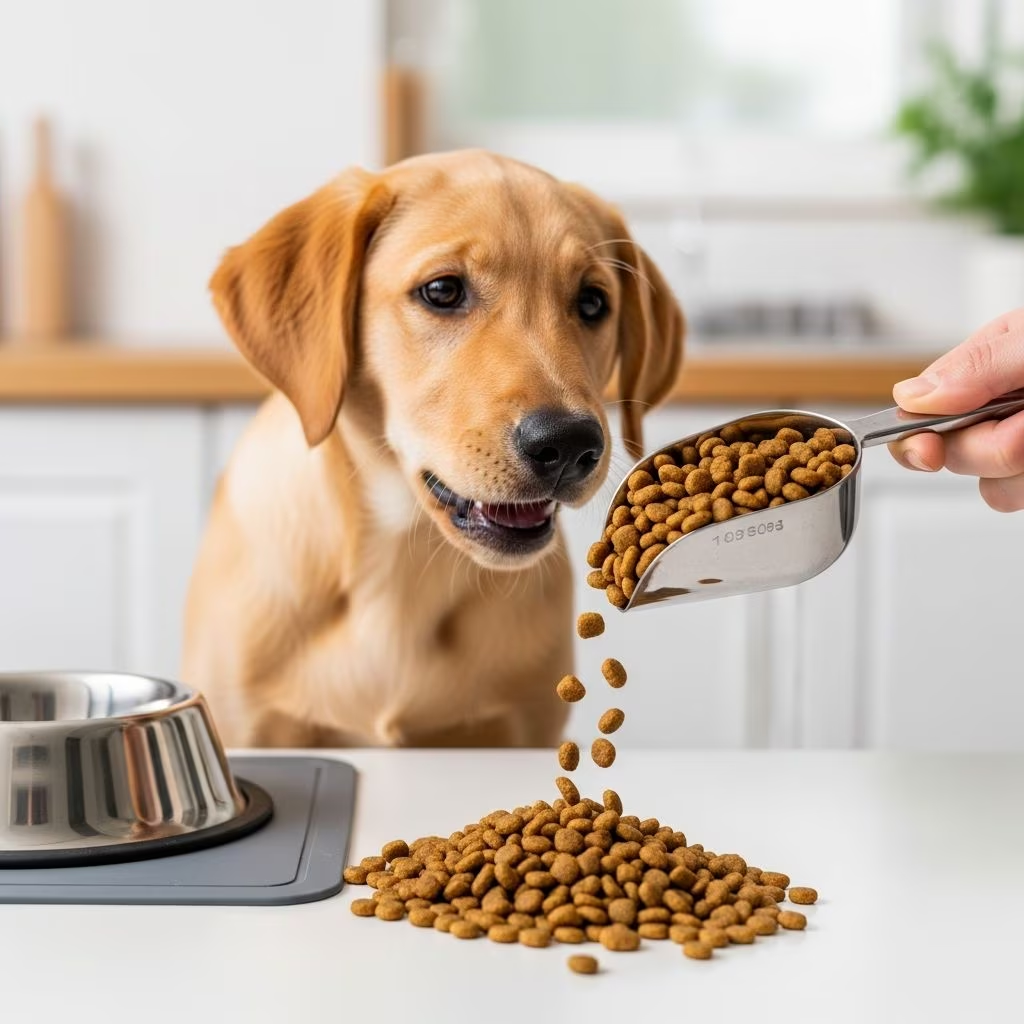
Puppies require specialized nutrition to support rapid growth, but the duration varies significantly by breed size and individual factors. Understanding when to switch to adult food ensures proper development without nutritional excess.
Why Puppies Need Special Food
Puppy formulas provide higher levels of protein, fat, and key minerals like calcium and phosphorus to fuel bone development, muscle growth, and organ maturation. These nutrients are calibrated for the intense growth phases early in life. Switching too early risks stunted growth, while delaying too long can lead to obesity or joint strain from excessive calories.
Small breeds mature faster, needing less time on puppy food, whereas large and giant breeds benefit from extended periods to manage controlled skeletal growth and prevent orthopedic issues. Veterinary consensus emphasizes reaching about 80% of adult weight as a key maturity indicator.
Breed Size and Transition Timelines
Different breeds reach physical maturity at varying ages, dictating puppy food duration. The table below summarizes recommended switch times from authoritative sources.
| Breed Size | Adult Weight | Switch Age Range | Notes |
|---|---|---|---|
| Toy/Small | Under 20-25 lbs | 6-12 months | Fastest growth; monitor activity |
| Medium | 20-50 lbs | 12-15 months | Adjust for training intensity |
| Large | 50-80 lbs | 15-24 months | Supports joint health |
| Giant | 80+ lbs | 18-24+ months | Often uses junior formulas |
For mixed breeds, estimate adult size using parental weights or consult a vet for X-ray assessments. Highly active puppies, like those in performance sports, may stay on puppy or specialized high-energy formulas longer.
Signs Your Puppy is Ready for Adult Food
Age guidelines are starting points; observe physical cues:
- Weight stabilizes at 80-90% of projected adult size.
- Growth plates close (vet can confirm via exam).
- Energy levels even out, with reduced growth spurts.
- Coat, teeth, and muscle tone appear mature.
Spayed or neutered puppies may mature slower metabolically, warranting a slight delay. Regular weigh-ins and body condition scoring help track progress.
Step-by-Step Transition Process
Abrupt diet changes cause digestive upset like diarrhea or vomiting. Implement a gradual 7-14 day shift:
- Days 1-3: 75-90% puppy food + 10-25% adult food.
- Days 4-7: 50% each, monitoring stool quality.
- Days 8-10: 25% puppy + 75% adult.
- Day 11+: 100% adult, with probiotics if needed.
Choose adult foods matching puppy formula profiles (e.g., grain-free to grain-free) to minimize issues. Track intake and adjust portions to maintain ideal body condition.
Nutritional Differences: Puppy vs. Adult Food
Puppy food boasts 22-32% protein and 8-20% fat for energy demands, plus DHA for brain/eye health. Adult formulas prioritize maintenance: 18-25% protein, lower calories to prevent weight gain. Large breeds need balanced calcium-phosphorus ratios (1.2-1.8:1) to avoid hip dysplasia.
Post-transition, monitor for nutrient gaps; supplements like omega-3s support ongoing joint care in bigger dogs.
Factors Influencing Switch Timing
Activity Level
Athletic puppies in agility or herding may require extended puppy nutrition or performance blends until 18 months. Sedentary pups switch earlier to curb fat accumulation.
Health Conditions
Puppies with allergies, sensitivities, or orthopedic risks (e.g., hip dysplasia predisposition) benefit from vet-guided timelines. Neutering alters metabolism, often delaying the switch by 1-2 months.
Mixed or Unknown Breeds
Estimate via growth charts or DNA tests. Feed conservatively toward larger potential size until maturity confirms.
Common Mistakes to Avoid
- Switching Too Soon: Risks developmental disorders in large breeds.
- No Gradual Mix: Leads to GI distress; always taper over 10+ days.
- Ignoring Portions: Adult food needs calorie recalibration to avoid obesity.
- One-Size-Fits-All: Breed-specific formulas outperform generics.
Choosing the Right Adult Food
Select based on life stage needs: maintenance for pets, senior for aging, or active formulas for sport dogs. Prioritize AAFCO statements for “all life stages” if unsure. Ingredients should feature real meat, balanced fats, and breed-appropriate sizing (e.g., small kibble for toys).
Long-Term Health Benefits of Proper Timing
Timely transitions promote lean muscle, strong bones, and vitality. Studies link optimized puppy nutrition to reduced osteoarthritis risk in large breeds by 20-30%. Owners report fewer allergies and better coat quality post-switch.
Frequently Asked Questions
How do I know my puppy’s adult size?
Use breed standards, parent sizes, or vet growth projections. Track monthly weights against charts.
Can I switch faster than 7 days?
No; sensitive stomachs require 10-14 days. Probiotics aid tolerance.
What if my puppy refuses adult food?
Mix flavors or warm slightly. Persistence prevents prolonged puppy feeding.
Is raw or homemade food okay during transition?
Only with nutritional balancing; consult a vet nutritionist to match puppy/adult needs.
Does neutering affect feeding duration?
Yes, it slows metabolism; extend puppy food 1-3 months.
Monitoring Post-Transition
Weigh bi-weekly, score body condition (ribs palpable, waist visible). Adjust calories: small adults 400-800 kcal/day, giants 2000+. Annual vet checkups catch issues early.
References
- Transitioning from Puppy to Adult Food Based on Breed Size — American Kennel Club. 2023. https://www.akc.org/expert-advice/dog-breeding/transitioning-puppy-adult-food-based-breed-size/
- When to Switch from Puppy to Adult Dog Food — Blue Buffalo. 2024. https://www.bluebuffalo.com/articles/dog/puppy-feeding-guidelines/
- How Long to Feed Puppy Food & Switching to Adult Dog Food — Purina. 2025. https://www.purina.com/articles/dog/puppy/feeding/how-long-to-feed-puppy-food
- Switching your puppy to adult food — VCA Animal Hospitals. 2024. https://vcahospitals.com/pediatric/puppy/nutrition/when-to-switch-puppy-to-adult-food
- When Should You Switch From Puppy to Adult Dog Food? — PetMD. 2025. https://www.petmd.com/dog/nutrition/when-should-you-switch-puppy-adult-dog-food



