

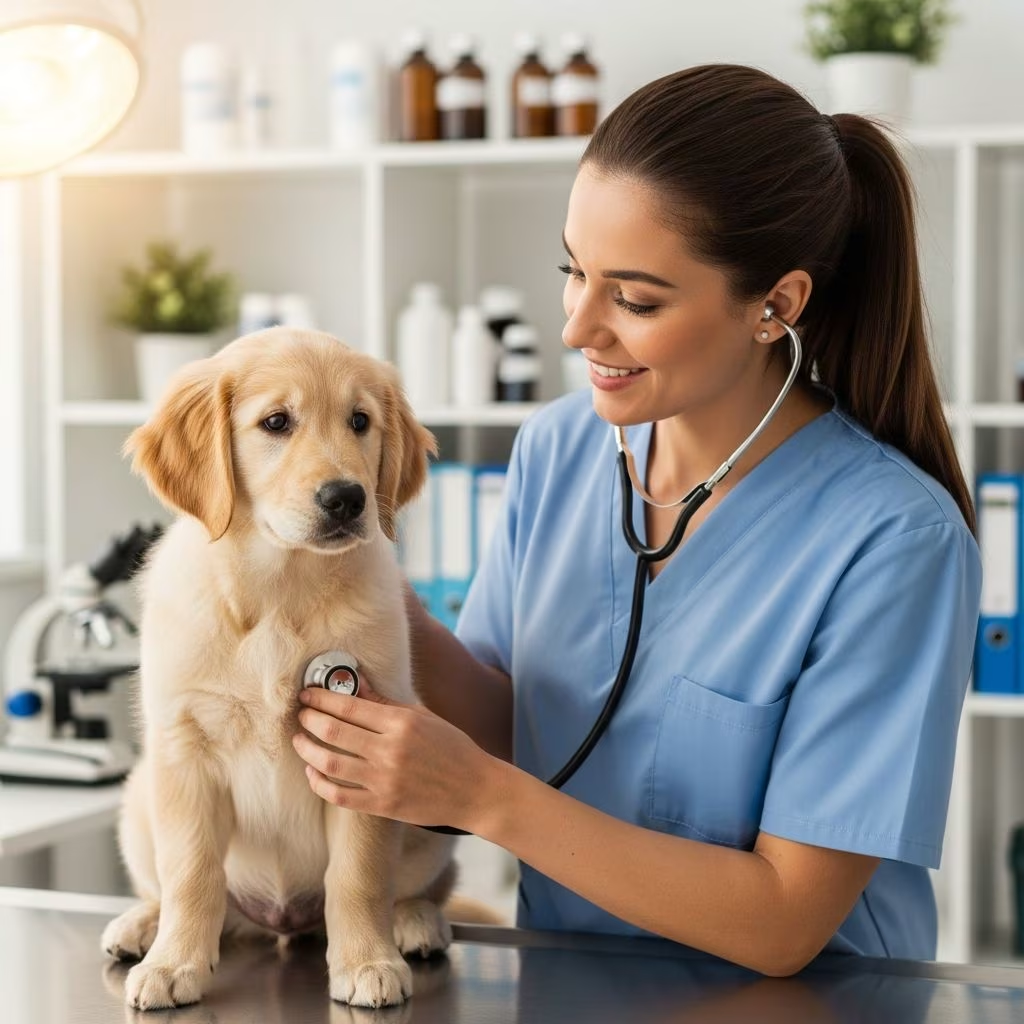
Your puppy’s first vet visit is a crucial milestone that sets the foundation for a lifetime of health and happiness. Typically scheduled within a few days of bringing your new furry friend home, this appointment allows the veterinarian to perform a thorough examination, establish a baseline for your puppy’s health, and create a personalized care plan. Puppies usually need visits every 3-4 weeks from 6-8 weeks old until about 4-5 months, covering essential vaccinations and wellness checks.
When to Schedule Your Puppy’s First Vet Visit
Book the appointment as soon as possible after adoption—ideally within the first week. If your puppy is 6-8 weeks old, this aligns with the start of their vaccination series. Delaying can leave them vulnerable to preventable diseases. Contact your vet promptly, especially if adopting from a breeder or shelter, to review any existing records. Early intervention detects congenital issues, parasites, or nutritional deficiencies before they worsen.
Puppy’s First Vet Visit Checklist: What to Bring
Preparation ensures a smooth visit. Gather these essentials to help your vet provide the best care:
- Any veterinary records from the breeder, shelter, or previous owner, including vaccination history and deworming details.
- A fresh stool sample (collected within 24 hours) in a clean container for parasite screening.
- Notes on your puppy’s diet: types of food, treats, feeding frequency, and quantities.
- A written list of questions about health, behavior, or care concerns.
- Secure carrier or crate lined with familiar towels or blankets smelling like home for comfort.
- Leash, collar, or harness for safe handling.
- Chew toys and small treats to distract and reward good behavior during the exam.
- Completed new client or puppy forms if provided by the clinic.
Arriving prepared helps the vet address specifics efficiently, minimizing stress for your puppy.
What to Expect During the Exam
The visit begins with a history review: your puppy’s age, breed, diet, behavior, and any symptoms like diarrhea, coughing, or lethargy. Staff will then weigh your puppy and conduct a comprehensive physical exam. Key components include:
- Observing movement and gait in the exam room to check for lameness or coordination issues.
- Full body inspection: eyes (clarity, discharge), ears (wax, infection), nose (discharge), feet/nails (overgrowth, injuries), skin/coat (fleas, mange), teeth/gums (malocclusion, tartar), and genitalia.
- Auscultation of heart and lungs with a stethoscope for murmurs, arrhythmias, or respiratory noises.
- Temperature, pulse, and respiratory rate measurement to establish baselines.
- Reflex testing, abdominal palpation for organ size/masses, and lymph node checks for swelling.
- Fecal analysis for intestinal parasites like roundworms or giardia.
The exam typically lasts 20-30 minutes, with time for your questions. Labs like bloodwork may be recommended if issues are suspected.
Vaccinations and Preventatives
Core vaccines protect against deadly diseases. At the first visit (6-8 weeks), expect:
- Core vaccines: Distemper, adenovirus (hepatitis), parvo, parainfluenza (DHPP), and rabies (later at 12-16 weeks).
- Non-core (lifestyle-based): Bordetella (kennel cough), leptospirosis, Lyme.
Follow-up boosters every 3-4 weeks until 16 weeks ensure full immunity. Discuss flea/tick/heartworm preventatives and deworming schedules, as puppies are highly susceptible. Your vet tailors based on location and exposure risks.
Topics Your Vet Will Cover
Beyond the exam, expect guidance on holistic care:
- Nutrition: Puppy-specific formulas for growth; feeding 3-4 times daily, transitioning to adult food at 12 months.
- Grooming/Dental: Brushing, nail trims, tooth cleaning to prevent periodontal disease.
- Parasite Control: Year-round flea/tick/heartworm meds.
- Behavior/Socialization: Crate training, potty tips, safe puppy classes before full vaccines.
- Spay/Neuter: Benefits (cancer prevention, population control) and timing (6-9 months).
- ID/Safety: Microchipping, tags, toxin-proofing home.
- Zoonotics: Diseases like ringworm transferable between pets/humans.
These discussions empower you for proactive ownership.
Questions to Ask Your Vet
Come prepared with specifics:
Nutrition & Feeding
- What food best meets my puppy’s breed/size needs?
- How often and much should they eat?
- When to switch to adult food?
Training & Behavior
- Crate training tips and safe durations?
- Potty training methods?
- Socialization timeline with dogs/humans?
- Exercise amount by age?
- Local trainer recommendations?
Health & Preventatives
- Vaccination schedule details?
- Parasite prevention start age?
- Spay/neuter pros/cons/timing?
- Grooming routine?
Asking demonstrates commitment and clarifies home care.
Frequently Asked Questions (FAQs)
When should my puppy have their first vet visit?
Within a few days of coming home, ideally at 6-8 weeks to begin vaccines.
What if my puppy is older than 8 weeks?
Schedule immediately; titer tests may check immunity levels before boosters.
How much does the first visit cost?
Varies by location/clinic ($50-200+); call for estimates including vaccines.
Can I skip the stool sample?
Preferred but not always required; it enables immediate parasite detection.
When can my puppy go to dog parks?
After full vaccination series (16 weeks) to avoid parvo exposure.
Is microchipping necessary?
Highly recommended for lost pet recovery; often done at first visit.
This FAQ section addresses common new owner concerns for quick reference.
Making the Visit Stress-Free for Your Puppy
Puppies often find vet visits overwhelming. Tire them out with play beforehand, bring comforting scents, and use treats/praise. Short, positive trips to the clinic pre-visit build familiarity. If anxious, discuss calming aids like pheromone sprays. Post-visit, lavish praise to associate vets with positivity.
Follow-Up Care After the First Visit
Adhere to prescribed vaccines, meds, and diets. Monitor for vaccine reactions (lethargy, swelling) and contact your vet if noted. Schedule boosters promptly. Track growth/weight at home for next appointments. Consistent care prevents issues and builds a strong human-vet bond.
Your puppy’s first vet visit launches their health journey. By preparing thoroughly and engaging actively, you ensure early detection and prevention, fostering a long, vibrant life together.
References
- Checklist for a Successful First Vet Visit for Your Puppy — Friendly Animal Clinic. 2024-01-15. https://www.greensboroncvet.com/site/friendly-animal-clinic-blog/2024/01/15/puppy-vet-visit-checklist
- Puppy’s First Vet Visit: Checklist & What to Expect — College Animal Hospital. 2023-05-15. https://www.collegeanimalhospital.com/site/blog/2023/05/15/puppy-first-vet-visit
- Puppy’s First Vet Visit: Checklist & What to Expect — North Wake Animal Hospital. 2024-09-15. https://www.northwakeanimalhospital.com/site/blog/2024/09/15/puppys-first-vet-visit-checklist-what-to-expect
- Puppy’s First Vet Visit: Checklist & What to Expect — Animal General. 2023-06-30. https://www.animal-general.com/site/blog/2023/06/30/puppys-first-vet-visit-checklist
- Puppy’s First Vet Visit: Checklist & What to Expect — Steinway Court Vet. 2024-04-30. https://www.steinwaycourtvet.com/site/blog/2024/04/30/puppys-first-vet-visit-checklist
- Puppy’s First Vet Visit: When To Go, What To Expect — Chewy Education. N/A. https://www.chewy.com/education/dog/new-dog/what-to-expect-at-puppys-first-vet-visit



