

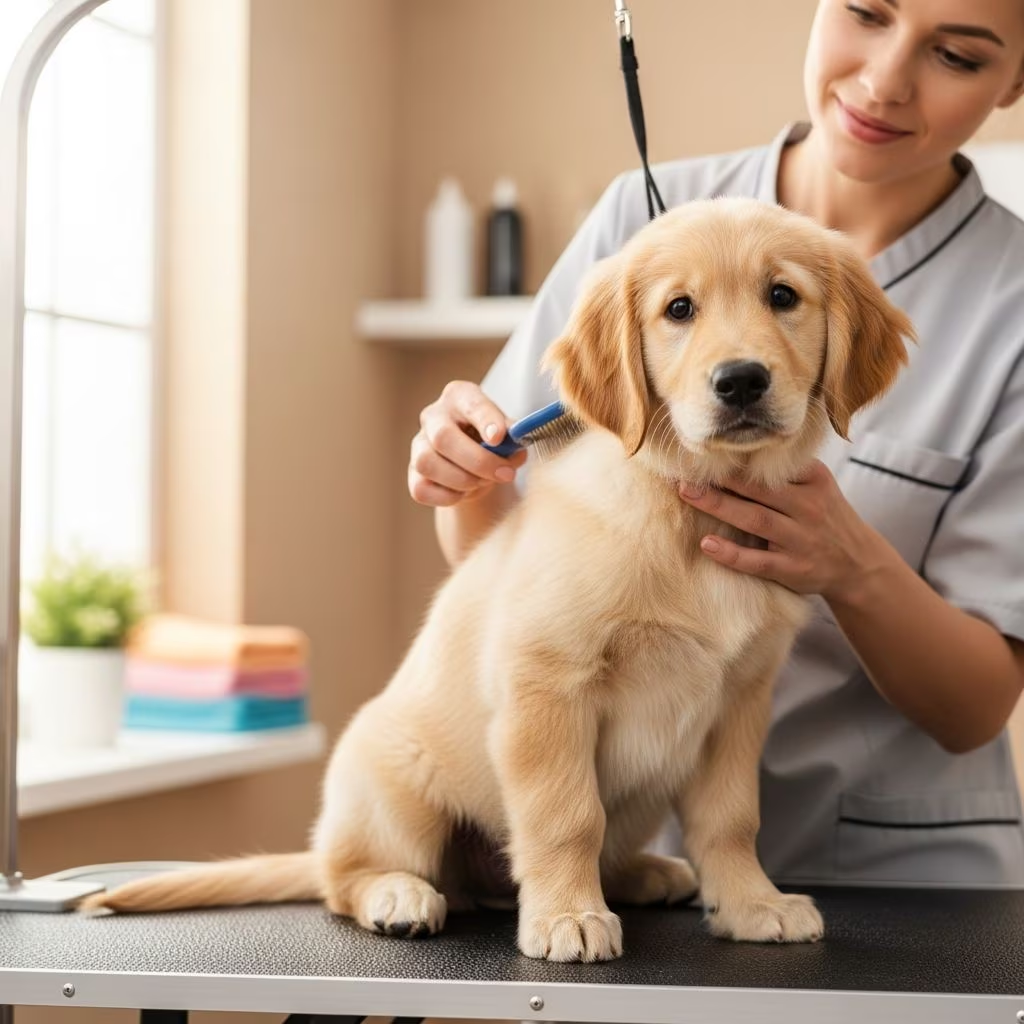
Making Your Puppy’s First Trip to the Groomer Stress-Free
The first grooming experience sets the foundation for your puppy’s relationship with grooming throughout their life. A positive first visit can establish grooming as a normal, enjoyable part of their routine, while a negative experience can create anxiety and resistance to future appointments. Understanding how to prepare your puppy properly and what to expect during their first professional grooming session is essential for building their confidence and ensuring their comfort.
When Should Your Puppy Have Their First Professional Grooming?
Timing is crucial when introducing your puppy to professional grooming services. Most veterinarians and grooming experts recommend scheduling your puppy’s first professional grooming appointment when they are approximately 10 to 12 weeks old or after they have received their second round of vaccinations. This timing ensures that your puppy has adequate immunity protection while still being young enough to adapt easily to new experiences.
However, you can begin preparing your puppy for grooming from the moment you bring them home. Early acclimation helps your puppy become comfortable with the various sensations, sounds, and handling involved in the grooming process before their first professional appointment.
Pre-Grooming Preparation at Home
The key to a stress-free first grooming visit begins with preparation in your own home. By familiarizing your puppy with grooming-related experiences before their appointment, you significantly reduce anxiety and create positive associations with the grooming process.
Start Handling Practice Early
One of the most important steps in preparing your puppy is getting them comfortable with being touched and handled in areas that will be addressed during grooming. This involves desensitizing your puppy to touch in sensitive areas such as their paws, ears, face, and tail.
Handle Your Puppy’s Paws: Puppies naturally instinctively pull back when people first touch their paws because they are not accustomed to this sensation. Gently pick up each paw and hold it for a few seconds, gradually increasing the duration over time. Massage their paws gently and lovingly until they begin to see paw handling as a normal form of affection. This practice is particularly important since nail trimming is often part of the grooming process.
Acclimate Their Ears: Massage your puppy’s ears regularly when you first bring them home to ensure they understand that having their ears touched and played with is comforting. This preparation is invaluable because ear cleaning is a common grooming procedure. When your puppy is already accustomed to ear handling, the ear cleaning process during their grooming appointment will feel routine rather than frightening.
Touch Their Face and Tail: Gently touch and hold your puppy’s face and tail regularly. Be especially careful with their tail and inner thighs, as these are particularly sensitive areas that puppies are not yet accustomed to having touched. Desensitizing these areas gradually will help your puppy remain calm when the groomer works in these regions.
Use Positive Reinforcement: Throughout the handling practice process, offer treats and praise to create positive associations with being touched. Reward calm behavior consistently to reinforce that handling is a positive experience.
Introduce Regular Brushing
Regular brushing is one of the most effective ways to familiarize your puppy with grooming. Brushing is the first stage of grooming and should begin early in your puppy’s life. Even if your puppy is a breed with a short coat, daily brushing is still important for maintaining healthy fur and establishing a grooming routine.
When you brush your puppy regularly, you accomplish several important objectives. First, brushing keeps their coat healthy and reduces shedding, which is beneficial for your home. Second, regular brushing prevents tangles and mats from forming in their coat, which makes the professional grooming experience much less stressful and time-consuming. Imagine yourself going to a barber with rough, tangled hair—it would be annoying and time-consuming for both you and the barber. The same applies to your puppy.
During brushing sessions, pay careful attention to sensitive areas like the inner thighs and tail, as these require extra care. Start with soft brushing and touching their paw pads to help them become accustomed to being handled. Keep these sessions calm and relaxed, always offering praise and treats to maintain positive associations.
Acclimate Your Puppy to Grooming Sounds and Equipment
Professional grooming involves various sounds and equipment that can be intimidating to a puppy who has never encountered them before. Desensitizing your puppy to these stimuli before their appointment significantly reduces fear and anxiety during the actual grooming session.
Introduce Grooming Sounds: Play sound recordings of grooming equipment at low volume and gradually increase the volume over several days. This allows your puppy to become familiar with these noises in a safe, controlled environment. Start with very quiet volumes so your puppy doesn’t become startled, and reward calm behavior with treats.
Present Grooming Tools: Let your puppy sniff and explore grooming tools such as brushes, clippers, and dryers in a calm environment. Allow them to investigate these tools at their own pace without pressure. This exploration helps demystify the equipment and reduces the novelty factor during the actual grooming appointment.
Practice with Tools: Use gentle sounds or tools in short practice sessions, rewarding calm behavior with treats. For example, you might run a hairdryer on a very low setting while giving your puppy treats to create a positive association with the sound.
Create a Home Grooming Spot
Establishing a designated grooming area in your home helps your puppy become accustomed to the grooming environment and routine. Use a comfortable table or surface where you can practice grooming procedures. Simulate a grooming session by practicing brushing, ear cleaning, and nail trims in this relaxed setting.
If your puppy gets anxious during these home practice sessions, consider using calming aids such as calming sprays, aromatherapy, or calming wall plugs to help create a soothing atmosphere. Familiarity with the grooming setup and routine makes your puppy feel secure, which reduces anxiety during the real appointment.
Introducing Your Puppy to the Professional Groomer
After you have completed at-home preparation, scheduling a visit to meet the professional groomer can be highly beneficial. Many grooming salons offer introductory or “meet-and-greet” sessions that allow your puppy to become familiar with the groomer and environment before their first full grooming appointment.
Schedule a Pre-Grooming Consultation
Contact your chosen grooming salon and ask if they offer a first-time visit or pre-groom meet-and-greet. During this consultation, you can discuss your puppy’s specific needs, fears, or sensitivities with the groomer. Provide the groomer with information about your puppy’s temperament, any handling sensitivities, and your goals for the grooming experience.
Observe how your puppy reacts to the groomer and the grooming environment during this visit. Pay attention to your puppy’s body language and comfort level. A good groomer will use soothing tones, show affection through petting or playing, and demonstrate patience to build trust with your puppy.
Bring your puppy’s favorite treats or toys to this visit to help create positive associations. Having familiar comfort items present can help your puppy feel more secure in the new environment.
What to Expect During Your Puppy’s First Grooming Appointment
Understanding what will happen during your puppy’s first grooming session helps you prepare mentally and emotionally, which in turn helps your puppy remain calm. When puppies and their owners first arrive at the grooming salon, the groomer should introduce themselves and talk in soothing tones to build trust. Showing affection through petting or gentle play demonstrates that the grooming experience is enjoyable rather than threatening.
Abbreviated Session Structure
Professional groomers typically keep the first grooming session with a puppy intentionally short. Puppies perform better and become more comfortable with being handled by a groomer when sessions are abbreviated rather than full-length appointments. The idea is to expose the more intense parts of grooming to a puppy slowly, which maintains the puppy’s confidence in the experience and keeps things manageable.
A good groomer will likely want to warm your puppy up to grooming with abbreviated sessions, potentially starting with just a bath on the first visit. The next appointment might include hair trimming, and subsequent visits can gradually introduce additional grooming services.
Recommended First-Visit Services
For the first grooming appointment, focus on basic, less intensive services that allow your puppy to acclimate to the grooming environment:
Bathing: A standard bath with appropriate shampoos and conditioners is typically the best way to start. The groomer will lather at the neck and work their way down toward the back legs and tail, giving the puppy a calming massage with the bath. It’s recommended to use a washcloth for the puppy’s face to avoid getting soap in their eyes.
Nail Trim: A light nail trim helps your puppy become accustomed to having their nails handled and trimmed by a professional.
Ear Cleaning: The groomer will clean your puppy’s ears, which should feel familiar if you’ve been massaging their ears at home.
Face and Feet Trim: Ask your groomer to do a face trim, feet trim, and sanitary cut on the first visit. This allows the puppy to get used to the sights and sounds of a grooming salon without overwhelming them. You can then bring your puppy back in three to four weeks for a more comprehensive body trim.
Brushing: Light brushing helps keep the puppy’s coat healthy and reduces shedding. Regular brushing is important maintenance that most groomers will include in the appointment.
Managing Your Own Emotions and Behavior
Your puppy is highly attuned to your emotional state and body language. Dogs can easily read your emotions and will react to them, so managing your own anxiety is crucial for your puppy’s experience.
Stay Calm and Relaxed
Approach the grooming appointment with a calm, positive demeanor. If you appear anxious or worried, your puppy will pick up on this energy and become anxious themselves. Remind yourself that you have prepared your puppy thoroughly, and the groomer is a professional experienced with puppies.
Have a Low-Key Departure and Arrival
Don’t make your departure and arrival at the grooming salon a big deal in front of your puppy. Try to have a low-key departure and arrival so your puppy doesn’t become very anxious. Avoid saying emotional goodbyes or making a fuss, as this will only make your departure more difficult for your pet. Simply say goodbye calmly and leave promptly.
Wait for Pickup Calmly
When it’s time to pick up your puppy, wait for the groomer to call you when your puppy is ready. If you show up too early or your puppy hears your voice during the grooming process, he might become overexcited and the groomer may not be able to complete the groom. Let the groomer finish their work before you collect your puppy.
Post-Grooming Care and Reinforcement
How you handle the period immediately after the grooming appointment helps shape your puppy’s future attitudes toward grooming. Shower your puppy with love and positive reinforcement, as this positive feedback can work wonders on all pets. Lavish them with love and extra attention to reinforce that the grooming experience was positive and that you are proud of their behavior.
Inspect your puppy’s coat and skin after grooming to check for any unusual bumps, redness, or irritation. Continue regular brushing at home to maintain their coat between grooming appointments. Keep nails trimmed and ears clean, and provide lots of praise and treats to reinforce that grooming is a positive experience.
Establishing a Consistent Grooming Schedule
Most dogs require professional grooming every four to eight weeks, depending on their breed and coat type. Scheduling regular grooming appointments is not only important for maintaining your puppy’s health and appearance but also for building trust and making grooming a normal part of their routine. Consistency helps your puppy understand what to expect and reduces anxiety with each subsequent visit.
Special Considerations for Anxious or Fearful Puppies
Some puppies may be naturally more anxious or fearful than others. If your puppy shows signs of excessive fear or anxiety, be patient and allow them more time to adjust. It might take more than one session for your puppy to fully adjust to grooming. Work with your groomer to develop a gradual introduction plan that moves at your individual puppy’s pace.
Consider discussing anxiety management strategies with your veterinarian, such as calming supplements or techniques. Never rush the process or force your puppy into a grooming situation if they are extremely distressed, as this can create lasting negative associations.
Frequently Asked Questions
Q: At what age can I take my puppy to a professional groomer?
A: Most experts recommend scheduling your puppy’s first professional grooming appointment at approximately 10 to 12 weeks of age or after they have received their second round of vaccinations. However, you can begin preparing your puppy for grooming at home from the moment you bring them home.
Q: How can I make my puppy comfortable with being touched?
A: Start handling practice at home by gently touching and holding your puppy’s paws, ears, face, and tail. Use positive reinforcement with treats and praise to create positive associations. Regular brushing also helps familiarize your puppy with being handled.
Q: How long should my puppy’s first grooming appointment be?
A: The first grooming session should be intentionally short. Professional groomers typically keep initial appointments abbreviated to allow puppies to acclimate without becoming overwhelmed.
Q: What services should be included in my puppy’s first grooming visit?
A: Recommended first-visit services include a basic bath, light nail trim, ear cleaning, face and feet trim, and light brushing. More intensive services can be introduced during subsequent appointments.
Q: How should I act when dropping off my puppy for grooming?
A: Keep your departure calm and low-key. Avoid emotional goodbyes or making a fuss, as puppies can read your body language and emotions. A simple, calm goodbye helps your puppy remain relaxed.
Q: How often does my puppy need professional grooming?
A: Most dogs require professional grooming every four to eight weeks, depending on their breed and coat type. Regular, consistent appointments help establish grooming as a normal routine and build trust with the groomer.
Q: What should I do if my puppy is extremely anxious about grooming?
A: Be patient and allow your puppy more time to adjust. It might take several sessions for them to fully acclimate. Work with your groomer to develop a gradual introduction plan, and consider discussing anxiety management options with your veterinarian.
Q: Should I prepare anything special before my puppy’s first grooming appointment?
A: Yes, prepare by practicing handling at home, doing regular brushing, introducing grooming sounds and equipment, and creating a home grooming spot. You can also schedule a pre-grooming meet-and-greet with the groomer beforehand.
References
- What to Do When Grooming a Puppy for the First Time — Merryfield. 2024. https://www.merryfield.edu/blog/pet-grooming/grooming-a-puppy/
- How to Prepare Your Dog for Their First Grooming Session: A Step-by-Step Guide — Jazz’s Wonderland. 2024. https://www.jazzswonderland.com/blog/how-to-prepare-your-dog-for-their-first-grooming-session-a-step-by-step-guide
- Top Do’s and Don’ts of Your Puppy’s First Trip to the Dog Groomer — Splash and Dash for Dogs. 2024. https://splashanddashfordogs.com/blog/top-dos-donts-puppys-first-trip-dog-groomer/
- Puppy’s First Grooming Experience — Animal Behavior College. 2024. https://www.animalbehaviorcollege.com/blog/animal-career-advice/grooming/puppys-first-grooming-experience/
- Puppy Grooming Guide: How and When To Groom a Puppy — PetMD. 2024. https://www.petmd.com/dog/general-health/grooming-tips-new-puppy
- Top Do’s and Don’ts for Your Pet’s First Trip to The Dog Groomer — Paws Pava. 2024. https://pawspava.com/top-dos-and-donts-for-your-pets-first-trip-to-the-dog-groomer/



