

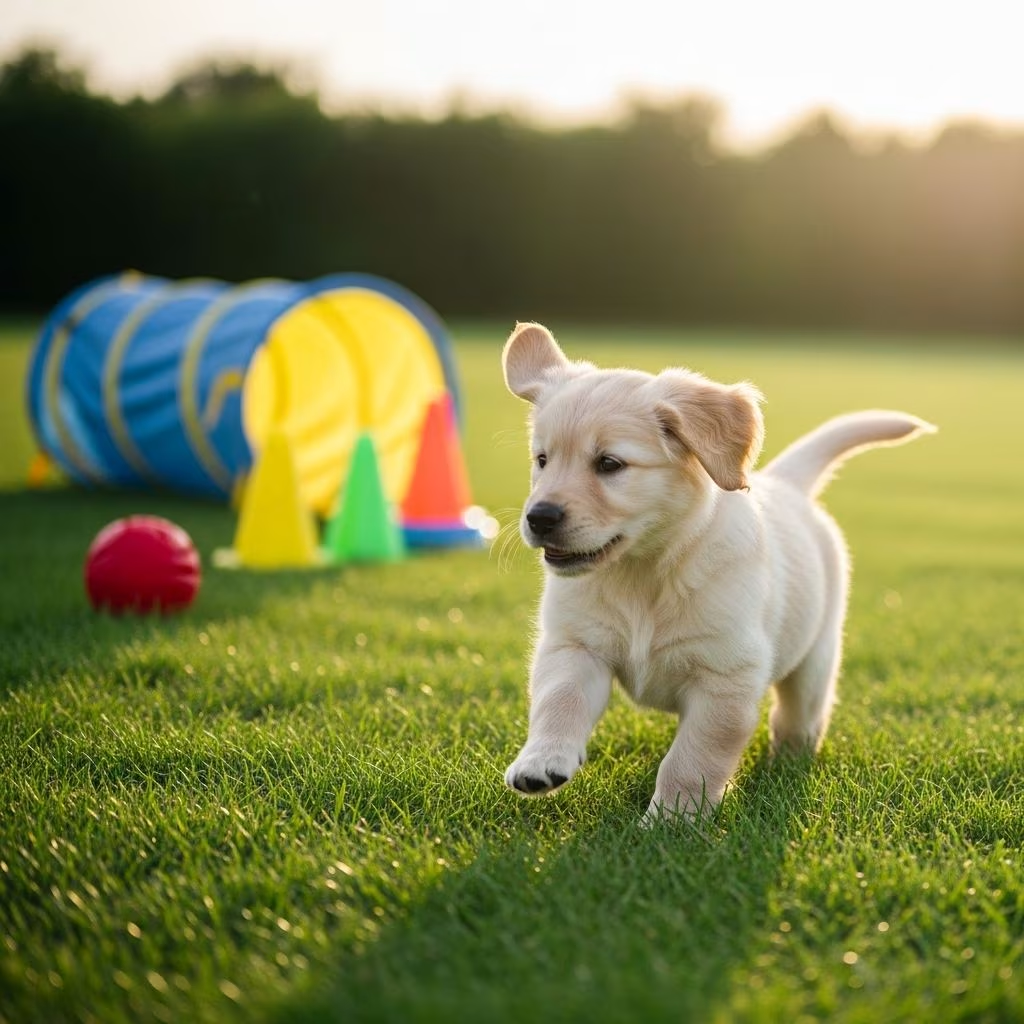
Proper exercise is vital for a puppy’s physical development, mental stimulation, and overall well-being. During their growth phase, puppies require balanced activity to strengthen muscles and joints without causing harm to developing bones. Overdoing it can lead to long-term issues like joint problems, while too little can result in obesity or behavioral challenges. This guide outlines age-appropriate routines, suitable activities, and key precautions based on veterinary recommendations.
Understanding Puppy Growth Stages and Activity Needs
Puppies grow rapidly, with bones and joints maturing at different rates depending on breed size. Growth plates, the soft areas at the ends of bones, remain vulnerable until full maturity, typically 6-24 months. Exercise must support this process by promoting controlled movement rather than high strain.
- 8-12 Weeks: Focus on short, gentle play. Limit structured walks to 50-200 feet, emphasizing sniffing and exploration.
- 12-16 Weeks: Gradually extend to 100-200 feet walks. Introduce informal sniffing sessions up to 15 minutes.
- 4-6 Months: Increase to 200-400 feet on soft surfaces. Sniffing strolls can reach 45 minutes at a slow pace.
- 6-12 Months: Build endurance slowly; avoid pavement for long periods. Introduce hiking on dirt or turf.
A common benchmark is 5 minutes of structured exercise per month of age, up to twice daily. For instance, a 3-month-old gets 15 minutes per session. Adjust based on energy levels, not rigid timers.
Age-Based Exercise Chart for Puppies
| Age Range | Daily Walks (Structured) | Sniff/Stroll Sessions | Play Focus |
|---|---|---|---|
| 8-12 Weeks | 50-200 feet, 1-2x/day | Up to 15 min | Gentle indoor play |
| 12-16 Weeks | 100-200 feet, 1-2x/day | 15-20 min | Exploration on grass |
| 4-6 Months | 200-400 feet, 2x/day | 20-45 min | Low-impact games |
| 6-12 Months | Gradual increase, soft surfaces | 45+ min with breaks | Supervised off-leash |
This chart draws from service dog training protocols and veterinary guidelines, prioritizing joint safety.
Ideal Activities to Promote Healthy Development
Select exercises that engage body and mind while minimizing impact. Variety prevents boredom and overuse injuries.
- Leash Walks: Short outings on grass or sand for sniffing. Start controlled, let puppy lead pace to build confidence.
- Mental Stimulation Toys: Puzzle feeders and snuffle mats offer low-physical engagement, burning energy through scent and problem-solving.
- Supervised Play: Off-leash in fenced areas with similar-sized pups. Monitor to prevent rough play.
- Swimming: Excellent for cardio without joint stress. Use life jackets for safety; supervise closely.
- Hide-and-Seek: Encourages natural movement and cognitive skills indoors or yard.
- Soft Terrain Exploration: Sand, grass, or textured mats strengthen stabilizers gently.
Incorporate training like loose-leash heeling in 5-10 minute bursts to combine fitness with obedience.
Activities to Steer Clear Of During Growth
Certain high-risk actions can damage developing skeletons. Prioritize prevention for lifelong health.
- Prolonged Running or Hiking: Puppies tire quickly; extended endurance suits adults only.
- Jumping and High-Impact: Avoid furniture leaps or repetitive fetches. Use ramps if needed.
- Hard Surfaces: Limit concrete until paws toughen; prefer dirt or grass.
- Rough Play with Adults: Larger dogs can overwhelm, causing strains.
- Forced Marches: No pushing beyond puppy’s pace; allow self-rest.
Wait for skeletal maturity before jogging: small breeds 6-8 months, giants up to 24 months.
Breed Variations in Exercise Tolerance
Not all puppies are equal; size and genetics influence needs. Small breeds like Maltese mature faster and handle less volume than giants like Great Danes.
| Breed Size | Maturity Age | Exercise Adjustment |
|---|---|---|
| Toy/Small | 6-8 months | Shorter walks, more rest |
| Medium | 12 months | Moderate increase post-6 months |
| Large/Giant | 18-24 months | Very gradual; low-impact priority |
High-energy breeds (e.g., herding types) need more mental outlets; laid-back ones less physical. Always consult vets for breed-specific plans.
Recognizing Overexertion and Fatigue Signs
Puppies self-regulate but young ones mask tiredness. Watch for:
- Slowing pace or lagging.
- Excessive panting or lying down mid-play.
- Limping, stiffness post-activity.
- Disinterest in toys/food.
- Overheating or trembling.
Intervene immediately: shorten sessions, provide water/shade, rest 1-2 hours. Persistent issues warrant vet checks to rule out injury.
Balancing Exercise with Rest and Nutrition
Puppies sleep 18-20 hours daily, crucial for growth hormone release. Schedule play around naps, post-meal digestion (1 hour wait). Maintain ideal weight: feel ribs/spine easily, visible waist. Excess fat strains joints.
Do’s:
- Short, fun sessions with variety.
- Monitor energy; enforce rest.
- Vet consultations for custom advice.
- Vaccinate before public areas.
Don’ts:
- Overlook breed/individual differences.
- Ignore limps or fatigue.
- Skip recovery days.
Cover slippery floors; build fitness gradually.
Frequently Asked Questions (FAQs)
How often should I walk my 4-month-old puppy?
One to two 20-minute sessions daily, per the 5-minutes-per-month rule. Include sniffing breaks on soft ground.
Can puppies swim before vaccinations?
Only in clean, private pools under supervision with life jackets. Public waters post-vaccination.
What if my puppy seems hyperactive?
Boost mental games like puzzles; ensure 18+ hours sleep. Rule out diet/medical issues with vet.
Is off-leash park play safe for puppies?
Yes, in controlled settings with similar-age pups. Avoid until fully vaxxed and monitor interactions.
How do I transition to adult exercise?
After maturity (breed-dependent), slowly extend duration/intensity over weeks.
Long-Term Benefits of Proper Puppy Exercise
Balanced routines foster confident, athletic adults less prone to obesity, anxiety, or orthopedic diseases. Consistency builds habits; track progress in a journal. Partner with vets or trainers for tailored programs, ensuring your puppy thrives into seniority.
References
- The Puppy Workout Plan: How Much Exercise is Too Much? — Toronto Veterinary Rehabilitation. 2023. https://torontovetrehab.com/blog/the-puppy-workout-plan-how-much-exercise-is-too-much
- How often should I exercise my puppy? — Blue Cross. 2024. https://www.bluecross.org.uk/advice/dog/puppy-exercise
- Puppy Exercise Chart By Age — Freedom Service Dogs. 2022-04-01. https://freedomservicedogs.org/wp-content/uploads/2022/04/Puppy-Exercise-Chart-By-Age-Exercise-Chart.pdf
- Exercising your puppy — PDSA. 2024. https://www.pdsa.org.uk/pet-help-and-advice/looking-after-your-pet/puppies-dogs/exercising-your-puppy
- How Much Mental and Physical Exercise Do Puppies Need? — American Kennel Club (AKC). 2024. https://www.akc.org/expert-advice/health/puppies-mental-physical-exercise/



