

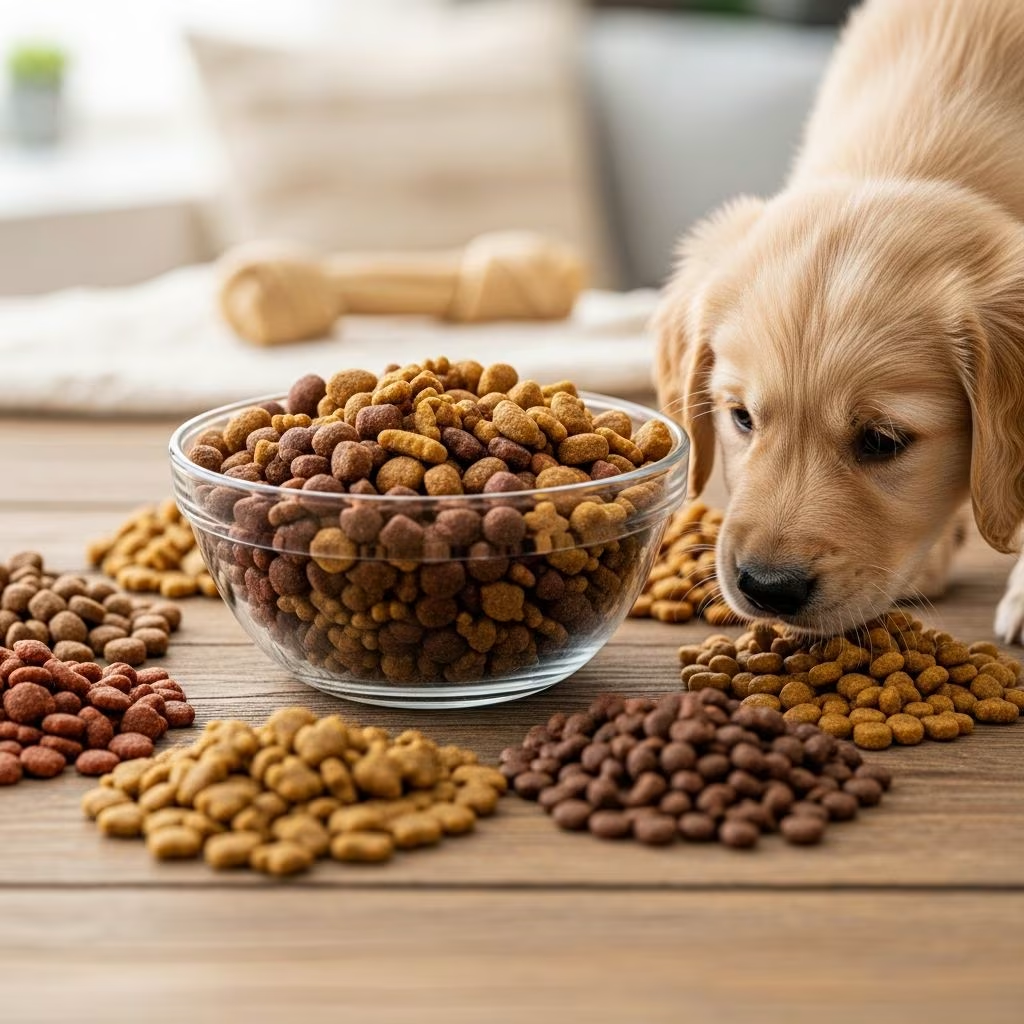
Feeding dry kibble to puppies requires careful attention to age, breed size, activity levels, and individual growth patterns to ensure proper development without overfeeding or underfeeding. This guide provides evidence-based recommendations drawn from veterinary and canine nutrition experts to help new puppy owners establish effective routines.
Understanding Puppy Nutritional Needs During Early Development
Puppies experience rapid growth phases that demand higher caloric intake and specific nutrient profiles compared to adult dogs. From weaning around 6-12 weeks, their diet must support bone formation, muscle development, and immune system strengthening. Dry puppy formulas typically feature elevated levels of protein (around 32%), digestible fats, and calcium to meet these demands.
- Protein for muscle growth: High-quality sources promote lean body mass.
- Calcium and phosphorus balance: Essential for skeletal health, particularly in large breeds prone to joint issues.
- DHA from fish oils: Supports brain and vision development.
Choosing a complete and balanced dry food labeled for puppies ensures all essential nutrients are provided without supplementation.
Age-Based Feeding Schedules for Dry Kibble
Puppies transition from frequent small meals to fewer larger ones as they mature. Start with four daily feedings for young pups, reducing gradually to prevent digestive upset.
| Age Range | Meals Per Day | Dry Food Transition Notes |
|---|---|---|
| 6-12 weeks | 4 meals | Introduce unmoistened kibble for large breeds by 9-10 weeks; small breeds by 12-13 weeks. Soften with warm water if needed. |
| 3-6 months | 3 meals | Fully transitioned to dry; monitor weight weekly. |
| 6-12 months | 2 meals | Switch to breed-specific growth formula if large breed. |
Consistency in timing fosters good habits and aids house training. Divide total daily kibble into equal portions per meal.
Calculating Dry Food Portions by Breed Size and Weight
Portion sizes vary significantly by expected adult weight. Always refer to the food bag’s guidelines, adjusting based on your puppy’s current weight and body condition. Overfeeding large breeds can lead to skeletal problems like hip dysplasia.
| Expected Adult Weight | Current Puppy Weight (lbs) | Daily Dry Food (Cups, Approx.) |
|---|---|---|
| Small (<20 lbs) | 5-10 | 1/2 – 1 cup |
| Medium (20-50 lbs) | 10-25 | 1 – 2 cups |
| Large (50-100 lbs) | 25-50 | 2 – 4 cups |
| Giant (>100 lbs) | 50+ | 4+ cups, plus 1/3 cup per 10 lbs over 100 |
Weigh your puppy weekly and use body condition scoring: ribs palpable but not visible, waist visible from above. Increase by 10% if underweight; decrease if overweight.
Transitioning Puppies to Dry Kibble Safely
Abrupt diet changes can cause diarrhea or refusal to eat. Gradually introduce dry food over 7-10 days by mixing increasing amounts with current food.
- Days 1-3: 25% new kibble + 75% old food.
- Days 4-6: 50% each.
- Days 7-9: 75% new + 25% old.
- Day 10: 100% kibble.
For very young puppies, soften kibble with warm water (2-3 tbsp per cup) to create a mash, allowing it to stand for 2 minutes before serving. This eases weaning from mother’s milk.
Benefits and Drawbacks of Dry Puppy Food
Dry kibble offers convenience, affordability, and dental benefits through its crunch, which helps reduce tartar buildup.
- Pros: Economical, easy storage, complete nutrition, promotes chewing for oral health.
- Cons: Lower moisture content may require extra water encouragement; less palatable for picky eaters.
Store in a cool, dry place and use within the printed date for freshness.
Enhancing Dry Kibble with Mixed Feeding Approaches
Combining dry kibble with wet food boosts hydration, palatability, and nutrient density. Wet food adds moisture (important for kidney health), while kibble provides crunch.
- Mix 1 can wet puppy food with 1.5 cups dry kibble for a meaty texture.
- Top kibble with warm broth (unsalted) to entice eating.
- Separate bowls for variety: dry in morning, mixed in evening.
This approach suits fussy eaters or those needing higher water intake.
Monitoring Your Puppy’s Growth and Adjusting Portions
Regular weigh-ins and vet check-ups are crucial. Puppies should gain steadily: small breeds 5-10% body weight weekly early on; large breeds slower to avoid rapid growth issues.
Signs of proper feeding:
- Shiny coat, bright eyes, high energy.
- Firm stools, no begging excessively.
If issues arise (e.g., loose stools), consult a vet for sensitive stomach formulas.
Common Mistakes to Avoid in Puppy Kibble Feeding
Free-feeding (leaving food out) leads to overeating and obesity. Human scraps disrupt balance and cause nutritional gaps.
- Avoid adult food: Lacks puppy-specific nutrients.
- Don’t ignore activity: Active pups need 10-20% more calories.
- Account for treats: Limit to 10% of daily intake.
Frequently Asked Questions About Puppy Dry Food
When can puppies start eating dry food exclusively?
Large breed puppies by 9-10 weeks; small breeds by 12-13 weeks, once teeth develop.
How much water should puppies drink with dry kibble?
Provide constant fresh water; expect 1/2 to 1 oz per lb of body weight daily, more in hot weather.
Can I switch puppy food brands mid-growth?
Yes, but transition gradually over 7 days to avoid tummy upset.
What if my puppy refuses dry kibble?
Soften with water/broth, mix with wet food, or try different textures/flavors after vet approval.
Is grain-free kibble better for puppies?
Not necessarily; choose based on whole nutrition profile, consulting your vet.
Special Considerations for Breed-Specific Dry Food Needs
Small breeds grow quickly and need calorie-dense kibble with tiny pieces. Large/giant breeds require controlled calcium to prevent orthopedic issues.
Toy breeds: Higher metabolism, 2-3x calories per lb vs. giants.
Working breeds: Add 20-50% for exercise.
References
- Puppy Feeding Fundamentals — American Kennel Club. 2023. https://www.akc.org/expert-advice/nutrition/puppy-feeding-fundamentals/
- PEDIGREE PUPPY Chicken, Rice & Vegetable Flavor — Pedigree. 2024. https://www.pedigree.com/products/dry/pedigree-puppy-chicken-rice-vegetable-flavor
- Puppy Feeding Guide — Chewy. 2024. https://www.chewy.com/education/dog/food-and-nutrition/puppy-feeding-guide
- Puppy Feeding & Nutrition — Royal Canin US. 2024. https://www.royalcanin.com/us/dogs/puppy/puppy-feeding-and-nutrition
- How Much Should You Feed Your Puppy? — Jinx. 2023. https://www.thinkjinx.com/blogs/news/how-much-should-you-feed-your-puppy
- Dog & Puppy Feeding Guide — Burgess Pet Care. 2024. https://www.burgesspetcare.com/pet-care/dogs/feeding-dog/



