
Building Confidence: Puppy Dog-to-Dog Socialization
Master safe, effective techniques to help your puppy develop healthy relationships with other dogs
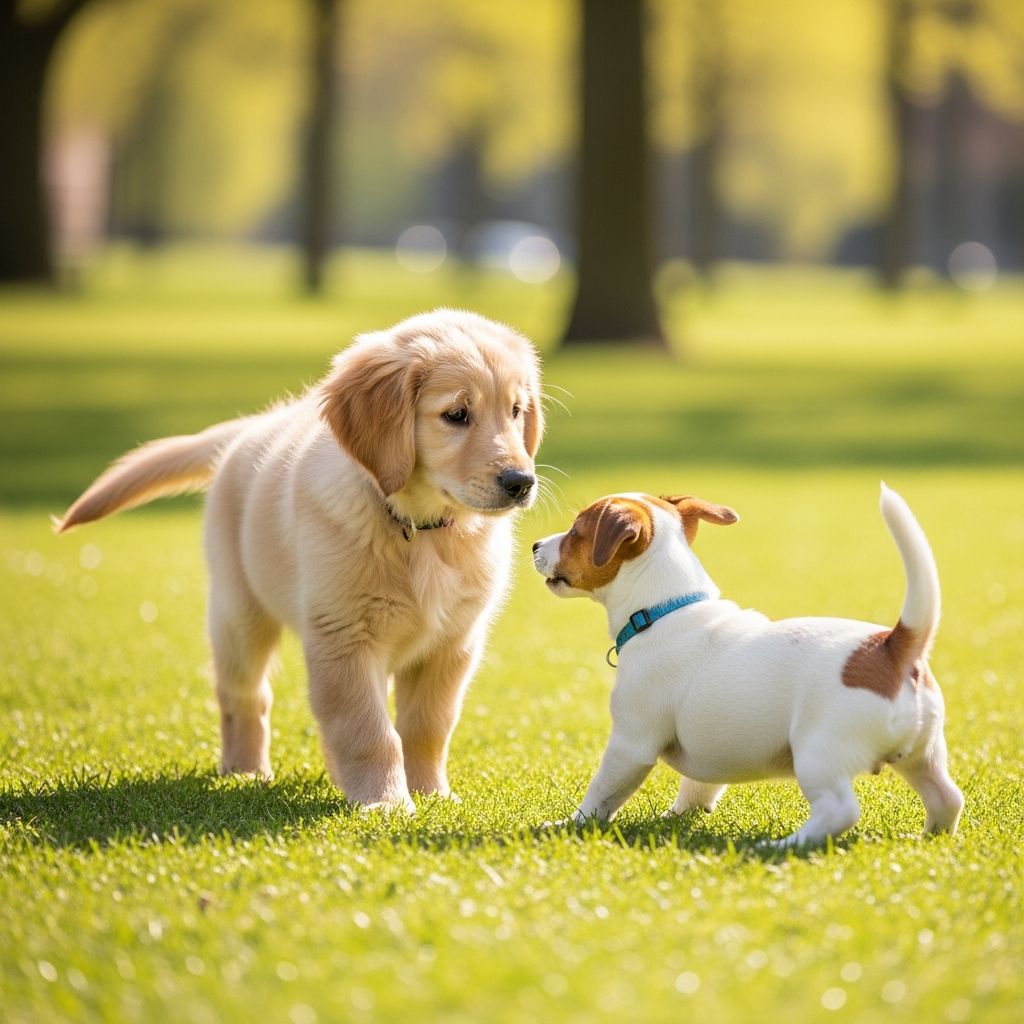
One of the most important investments you can make in your puppy’s future is establishing positive relationships with other canines early in life. When puppies learn to interact appropriately with fellow dogs, they develop confidence, reduce anxiety, and establish behavioral patterns that will serve them well throughout their adult years. The socialization window during puppyhood is a critical period where experiences shape how your dog will respond to others for decades to come.
Why Early Canine Interaction Matters
Introducing your puppy to a variety of dogs during their formative months creates a foundation for emotional resilience and social competence. Puppy-to-puppy play serves multiple developmental functions, including stress reduction, physical exercise, and most critically, the development of bite inhibition—the ability to control mouth pressure during interaction.
Young dogs learn through play how hard they can bite before their playmates respond negatively. When a puppy nips too forcefully, the other dog will typically yelp or withdraw, teaching the offending puppy to moderate their intensity. This natural feedback mechanism cannot be fully replicated in human training alone, making peer interaction invaluable for behavioral development.
Additionally, exposing puppies to different dogs and social scenarios during this critical window helps prevent fear-based aggression and anxiety disorders later in life. Dogs who lack proper socialization often display defensive behaviors, hypervigilance, or inappropriate reactivity when encountering unfamiliar canines.
Timing and Vaccination Considerations
A common misconception among new puppy owners is that all socialization must wait until vaccination is complete. However, the socialization window closes around 12-16 weeks of age, and delaying exposure until that period has passed can result in permanent social deficits.
The solution lies in strategic, controlled exposure rather than unrestricted access. Once puppies reach 8 weeks of age and have received their second parvo/distemper vaccination series, they can safely interact with other puppies and adult dogs of known vaccination status. Puppies from rescue organizations or unknown backgrounds should undergo a 14-day quarantine period away from other dogs before group socialization begins.
During this early phase, focus on introducing puppies to canines of similar age, size, and vaccination status. As they mature and receive additional vaccinations, gradually expand their circle to include a wider variety of dogs.
Orchestrating Safe First Meetings
The Walking Introduction Method
One of the most effective ways to introduce your puppy to an unfamiliar adult dog is through a parallel walking session. This approach allows both dogs to assess each other while moving forward with a shared purpose, reducing the intensity of the initial encounter.
Before the meeting, both handlers should arrive with pockets full of high-value treats. Begin with the dogs at a distance where they notice each other but cannot directly interact. As you walk together, maintain this parallel path, allowing the dogs to observe one another naturally. If the body language from the adult dog appears loose and relaxed, with a wagging tail, and your puppy shows interest by leaning in, you can gradually decrease the distance over several minutes.
Treats serve as powerful positive associations during this process. Each time your puppy notices the other dog calmly, reward them. This teaches your puppy that the presence of another canine predicts good things happening, rather than uncertainty or threat.
Barrier-Based Introductions
Using physical barriers such as fences, gates, or exercise pens provides another safe introduction method, particularly when introducing puppies to dogs whose temperament is unknown. The barrier prevents accidental injury while allowing the dogs to sniff and investigate each other.
During barrier introductions, feed both dogs high-value treats on opposite sides of the fence. This creates positive associations while naturally encouraging calm behavior. As the dogs become more comfortable with each other’s presence, you can ask them to perform basic commands like sit, which redirects their focus and reinforces obedience during social situations.
Selecting Appropriate Playmates
Not every dog makes an ideal socialization partner for your puppy. Thoughtful selection of companions is essential for positive outcomes.
Compatibility Factors
- Size and weight: Choose dogs within a similar weight range to your puppy to prevent accidental injury during play. A 60-pound dog playing full-force with a 10-pound puppy can cause serious harm, even with good intentions.
- Energy levels: Match your puppy with dogs of comparable energy and play intensity. A high-energy, boisterous adult dog may overwhelm a calmer puppy, creating negative associations.
- Temperament history: Prioritize dogs known for enjoying interaction with other canines. Avoid introducing your puppy to dogs with a history of aggression, resource guarding, or social anxiety.
- Age considerations: While adult dogs can teach puppies valuable social lessons, younger dogs of similar developmental stages often provide more comfortable learning environments for first interactions.
Where to Find Suitable Companions
Structured environments provide the safest socialization opportunities. Puppy training classes and organized playgroups offer supervised settings where your puppy can interact with carefully selected peers under professional guidance. These classes typically limit group size, match participants by age and size, and teach both owners and puppies appropriate interaction protocols.
Private playdates with friends’ or family members’ dogs in controlled home environments represent another excellent option. Home settings eliminate the unpredictability of encountering unknown dogs while allowing for close monitoring and immediate intervention if needed.
While dog parks may seem appealing, they present significant risks for young puppies. Parks attract dogs of all temperaments, vaccination statuses, and sizes, creating an uncontrolled environment where injuries or negative experiences are more likely. Most veterinary and training professionals recommend avoiding dog parks until puppies are older, better trained, and have completed their vaccination series.
Managing Play Intensity and Safety
Even in ideal circumstances, puppy play can escalate quickly. Your role involves constant monitoring and skillful intervention to maintain appropriate boundaries.
Reading Body Language
Before play becomes too intense, learn to recognize canine stress signals. Dogs displaying stress often show stiff posture, tucked tails, whale eye (where the whites of the eyes are visible), or attempts to escape. If a dog appears uncomfortable at any point, interrupt play immediately and provide space.
Healthy play typically includes role-reversals, where dogs take turns chasing and being chased, and play-bows, where one dog lowers their front end in a playful invitation. Both dogs should appear relaxed between interactions and voluntarily return to play.
Intervention Strategies
When play becomes too rough, redirect both puppies’ attention using toys or treats rather than yelling or physically separating them. Sudden, harsh interventions can create anxiety and actually teach puppies to play more intensely when humans aren’t watching.
If play continues to escalate despite redirects, separate the dogs and allow them to calm down before resuming interaction. Shorter, frequent play sessions are preferable to extended sessions where fatigue and frustration accumulate.
Beyond Peer-to-Peer Interaction
Exposure to Adult Dogs
While puppy-to-puppy interaction is important, equally valuable is exposure to calm, well-socialized adult dogs. Adult dogs teach puppies sophisticated social communication, appropriate deference, and how to read subtle canine body language cues. These learned behaviors prevent behavioral problems with other dogs throughout the puppy’s life.
When introducing puppies to adult dogs, allow the older dog to provide necessary corrections for inappropriate behavior such as excessive biting or disrespect. This natural feedback helps puppies develop social awareness in ways that human intervention cannot replicate.
Casual Canine Sightings
Simple exposure to dogs at a distance also contributes to socialization. When walking your puppy and spotting dogs from across the street, pause and provide treats as your puppy observes them. This builds positive associations with merely seeing other dogs, establishing a foundation for calm, neutral behavior around unfamiliar canines.
Foundation Training for Social Success
Basic obedience skills significantly enhance socialization outcomes. Puppies who can reliably sit, remain calm, and respond to recall commands navigate social situations with greater control and composure.
Essential Commands for Social Situations
- Sit: Teaches impulse control and provides an alternative behavior to jumping or lunging toward other dogs.
- Stay or wait: Allows you to maintain distance during initial introductions while the puppy practices restraint.
- Come or recall: Provides immediate control if a situation becomes unsafe or overwhelming.
- Leave it or drop: Prevents resource guarding scenarios and teaches appropriate item exchange protocols.
Training Methodology
Use reward-based training approaches that associate obedience with positive outcomes. Food treats, toys, and verbal praise reinforce appropriate social behaviors, teaching your puppy that calm interactions with other dogs produce desirable consequences. This positive association becomes self-reinforcing over time.
Creating a Comprehensive Socialization Plan
Effective socialization isn’t random exposure but rather a deliberate progression of experiences.
Phase-Based Approach
| Age Range | Primary Focus | Recommended Activities |
|---|---|---|
| 8-12 weeks | Vaccinated peers, controlled environments | Puppy classes, private playdates with known dogs |
| 12-16 weeks | Expanded peer group, adult dogs | Organized playgroups, walking introductions to varied adult dogs |
| 16+ weeks | Environmental diversity, behavioral refinement | Varied settings, diverse dog types, advanced training classes |
Environmental Variety
In addition to peer interaction, expose your puppy to different environments where they may encounter other dogs. Parks, busy streets, pet-friendly retail locations, and neighborhood walks provide varied contexts for canine encounters. Gradually increasing the complexity of these environments helps puppies develop flexibility and confidence in novel situations.
Consistency and Lifelong Development
Puppy socialization is not a project with a completion date but rather an ongoing process throughout your dog’s life. While the critical window closes around 16 weeks, dogs continue learning and adapting throughout their years.
Regular, positive interactions with other dogs maintain social skills and prevent regression into fearful or aggressive behaviors. Even adult dogs benefit from periodic exposure to novel dogs and environments. Building socialization into your routine through occasional playdates, walks in varied neighborhoods, or attendance at dog-friendly events ensures your puppy develops into a socially confident adult.
Common Mistakes to Avoid
- Delaying socialization until vaccination is complete: This misses the critical window and often results in social anxiety or aggression.
- Forcing interactions: Pushing a fearful puppy into situations causes negative associations rather than confidence building.
- Allowing unsupervised play: Without monitoring, play can escalate to dangerous levels or create negative experiences.
- Using unvaccinated or unknown-status dogs: Exposes your puppy to health risks and unpredictable temperaments.
- Assuming all exposure is beneficial: A single negative experience with an aggressive dog can create lasting behavioral issues.
Frequently Asked Questions
At what age can puppies safely socialize with other dogs?
Puppies can begin socializing with other puppies and vaccinated adult dogs at approximately 8 weeks of age, following their second parvo/distemper vaccination series. Prior socialization should focus on human interaction and environmental exposure.
Does my puppy need to play with many different dogs?
Quality matters more than quantity. A puppy benefits more from regular, positive interactions with a few carefully selected dogs than from sporadic exposure to many unfamiliar canines. However, occasional exposure to varied dogs helps build flexibility and reduces fear of novelty.
What should I do if my puppy has a negative experience with another dog?
Don’t delay—continue gentle exposure to well-selected, calm dogs in controlled settings. A single negative experience can create lasting anxiety if not addressed promptly. Consider working with a professional trainer to rebuild confidence.
Is puppy training class necessary for socialization?
While not absolutely necessary, puppy training classes offer supervised, age-appropriate socialization with professional oversight. They provide structured learning opportunities and guidance that private interactions may not offer.
References
- Top 6 Tips for Socializing Your Puppy with Other Dogs — Upstate Canine. Accessed March 2026. https://www.upstatecanine.com/blog/top-6-tips-for-socializing-your-puppy-with-other-dogs/
- How to Socialize a Puppy to People, Dogs — Best Friends Animal Society. Accessed March 2026. https://bestfriends.org/pet-care-resources/puppy-socialization-how-socialize-puppy-people-dogs
- Socializing Puppies with Other Dogs — Whole Dog Journal. Accessed March 2026. https://www.whole-dog-journal.com/puppies/pre_puppy_prep/socializing-puppies-with-other-dogs/
- Safely Socialize Your New Puppy with Other Dogs — Peach On A Leash. Accessed March 2026. https://peachonaleash.com/how-to-safely-socialize-your-new-puppy-with-other-dogs/
- How to Socialize Your New Puppy — Leerburg. Accessed March 2026. https://leerburg.com/socializepuppies.htm
Similar Articles








Read full bio of medha deb




