

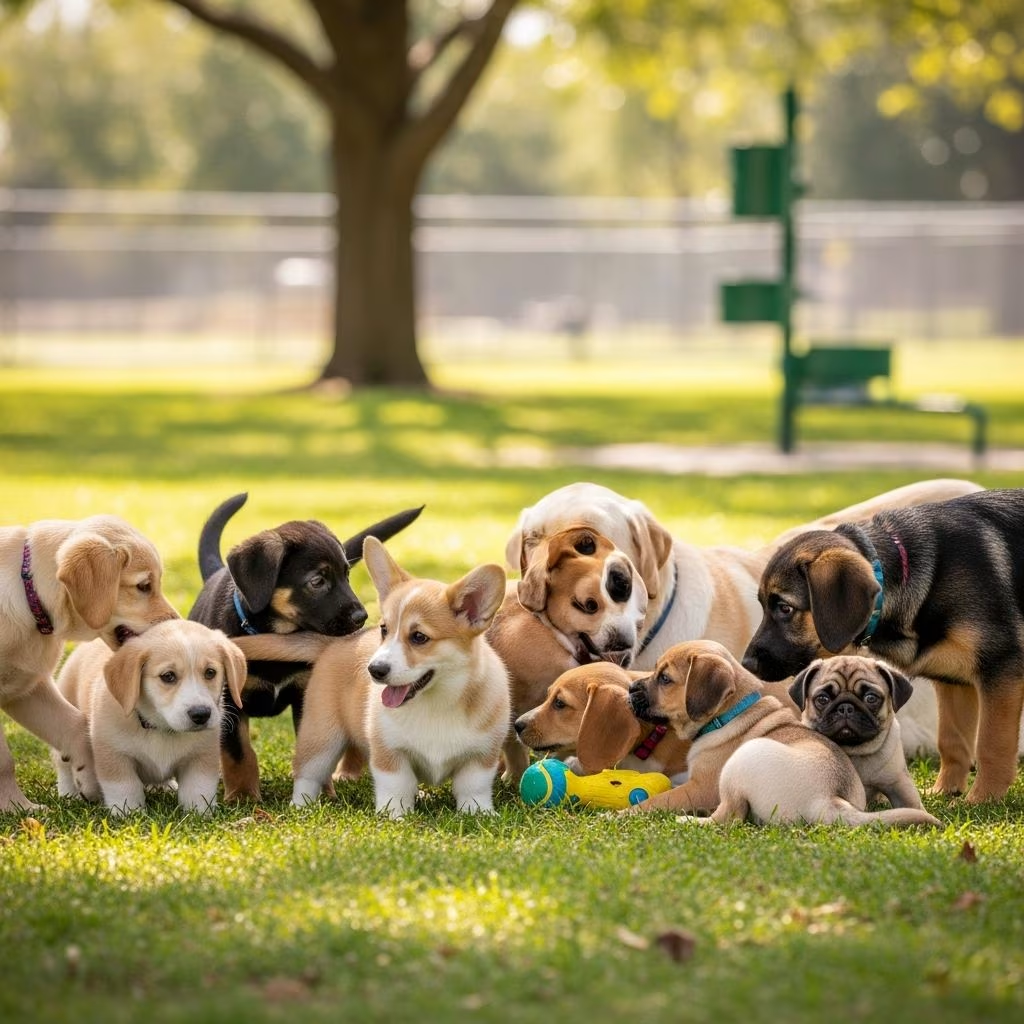
Introducing your puppy to other dogs is a cornerstone of their development, fostering confidence, communication skills, and appropriate behavior that lasts a lifetime. Done correctly during the critical early weeks, this process helps prevent fear, aggression, or anxiety in adulthood.
Why Early Dog-to-Dog Interactions Matter
The sensitive period for puppy socialization typically spans from 3 to 12 weeks of age, when puppies are most receptive to new experiences. During this window, positive encounters with other dogs teach vital lessons in body language reading, play etiquette, and bite inhibition—the ability to control the force of their jaws. Research from animal behavior experts emphasizes that puppies deprived of these interactions may struggle with social cues later, leading to isolation or conflict in group settings.
Beyond play, these meetings reduce stress hormones and build resilience. Puppies learn to differentiate friendly overtures from warnings, ensuring they grow into well-adjusted adults who enjoy parks, walks, and family gatherings.
Health Precautions Before Any Introductions
Vaccination status is non-negotiable. Wait until your puppy has received at least their second round of core vaccines (distemper, parvo) around 8-10 weeks before dog-to-dog contact. Orphaned or shelter puppies may need a 14-day quarantine first. Avoid high-risk areas like dog parks or pet stores until fully vaccinated, as they teem with pathogens.
Consult your veterinarian for a tailored schedule. Even then, prioritize playmates of similar age, size, and health profiles to minimize injury or disease transmission.
Choosing the Right Playmates for Your Puppy
Select dogs that model good behavior: patient adults who gently correct rude puppy antics, or littermates and peers who match energy levels. Steer clear of dogs with poor temperaments, history of aggression, or discomfort around pups—these can instill fear.
- Same-age puppies: Ideal for rough-and-tumble play without overwhelming size differences.
- Social adult dogs: Provide feedback on boundaries, like appropriate mouthing.
- Neutered/spayed adults: Often more tolerant and less hormonally driven.
Apps like NextDoor or local Facebook groups can connect you with vetted owners for safe meetups.
Setting Up Successful Puppy Playdates
Host at home for control. Start in a neutral yard or living room with an exercise pen for safety. Keep sessions short—10-15 minutes—to end on a high note before fatigue sets in.
- Allow initial sniffs from a distance.
- Monitor body language: relaxed tails, play bows indicate fun; stiff postures or growls mean intervene.
- Interrupt rough play with a calm “break” and redirect to toys.
- End with praise and treats for both dogs.
For ongoing playdates, rotate groups to expose variety without overwhelming.
Introducing Puppies to Adult Dogs Safely
Adult dogs offer mentorship but require caution. Begin with parallel walks: leashed, side-by-side at a distance, tossing treats to associate the other dog positively. Narrate sightings: “Look, a dog! Good puppy.” This builds calm familiarity.
Progress to fence-line greetings, using barriers to prevent tangles. Reward sits and calm behavior. Only allow direct contact if both show loose, wagging enthusiasm—no forcing.
| Stage | Method | Tips |
|---|---|---|
| Observation | Street sightings or walks | Treat every glance; keep moving. |
| Proximity | Joint walks or fences | Maintain 10-20 ft; watch ears/tail. |
| Contact | Supervised sniffs | Short sessions; separate if stressed. |
The Benefits of Puppy Socialization Classes
Structured classes provide vetted playgroups, trainer oversight, and foundational obedience. Puppies learn in controlled environments with vaccination checks, ideal for urban owners. Look for positive reinforcement-based programs emphasizing recall and impulse control amid distractions.
Classes also teach handlers to read canine signals, preventing mishaps. Frequency: once weekly, supplemented by home practice.
Reading and Responding to Dog Body Language
Success hinges on interpreting signals. Happy play features bouncy bows, relaxed mouths, take-turn chasing. Warning signs include lip curls, hard stares, tucked tails—separate immediately.
- Play signals: Wiggling butt, soft eyes, yawning (relaxation).
- Stress cues: Whale eye (whites showing), freezing, lip licking.
- Overstimulation: Nipping without release, mounting—pause play.
Your calm energy influences outcomes; anxiety transfers.
Common Mistakes and How to Avoid Them
Overloading with too many dogs at once breeds shutdown. Leash tangles provoke defensive bites—always manage lines. Ignoring adult dog feedback risks rude puppies who ignore boundaries.
Don’t punish fear; instead, increase distance and reward bravery. Flooding (forcing interactions) creates phobias.
Integrating Dog Socialization with Broader Experiences
Dog meetings pair with human variety (beards, hats, wheelchairs), surfaces (grasses, grates), and sounds (traffic, vacuums). Touch habituation—paws, ears, tail—eases grooming. Positive reinforcement ties it all: treats for calm exposures.
Family involvement ensures consistency; kids log new encounters for fun tracking.
Long-Term Maintenance of Social Skills
Post-16 weeks, continue controlled outings. Adolescence (6-18 months) tests manners—reinforce with recalls. Annual refreshers via classes keep skills sharp.
Track progress: confident greetings, easy separations signal success.
Frequently Asked Questions
Can I socialize before full vaccines?
Yes, with vetted peers post-second shots; avoid public risks.
What if my puppy seems scared?
Slow pace, greater distance, high-value rewards. Consult a trainer if persistent.
How often should playdates happen?
2-3 times weekly, 15-30 minutes, varying partners.
Is it too late for an older puppy?
No, but urgency decreases; methodical exposure still works.
What breeds are best for playmates?
Temperament over breed; prioritize known friendly dogs.
References
- How to Socialize a Puppy to People, Dogs — Best Friends Animal Society. 2023. https://bestfriends.org/pet-care-resources/puppy-socialization-how-socialize-puppy-people-dogs
- Puppy Socialization: The Ultimate Guide — Chewy. 2024. https://www.chewy.com/education/dog/training-and-behavior/positively-trained-puppy-socialization-dos-and-donts
- Socializing Puppies with Other Dogs — Whole Dog Journal. 2023. https://www.whole-dog-journal.com/puppies/pre_puppy_prep/socializing-puppies-with-other-dogs/
- Safely Socialize Your New Puppy with Other Dogs — Peach On A Leash. 2024. https://peachonaleash.com/how-to-safely-socialize-your-new-puppy-with-other-dogs/
- How to Socialize a Puppy — American Kennel Club. 2025-02-15. https://www.akc.org/expert-advice/training/puppy-socialization/



