
Puppy Dog Park Guide: Prep Essentials
Essential steps to ensure your puppy's first dog park visit is safe, fun, and stress-free for everyone involved.
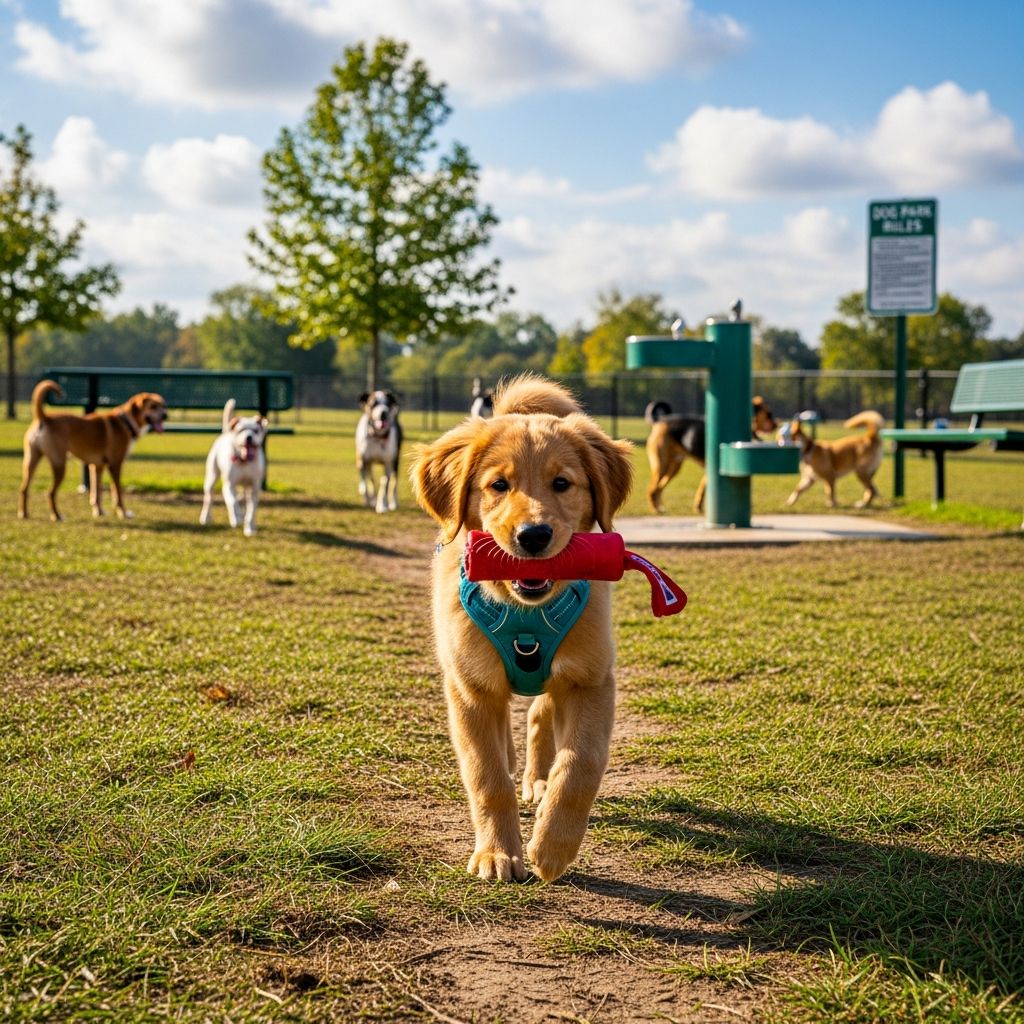
Bringing a young dog to an off-leash play area requires careful planning to protect their health and promote positive interactions. This guide outlines critical steps for a successful experience, drawing from veterinary recommendations and owner best practices.
Assessing Your Puppy’s Readiness
Before heading out, evaluate if your pup is prepared for the high-energy environment of a dog park. Puppies under 4-5 months old face elevated risks due to incomplete vaccinations and immature social skills. Wait until they complete their core vaccine series, including boosters for bordetella, leptospirosis, and canine influenza as advised by veterinarians. Adult dogs must also be current on shots and parasite preventives for fleas, ticks, and heartworms.
Behavioral readiness matters equally. Ensure your puppy responds reliably to basic commands like ‘come,’ ‘sit,’ and ‘leave it’ in distracting settings. Practice recalls by running backward while calling them, rewarding with treats to build focus amid excitement. If they ignore you during play, delay the visit and reinforce training at home or quieter spots.
- Confirm full vaccination status via vet records.
- Test obedience in varied environments.
- Observe comfort around unfamiliar dogs on leashed walks first.
Choosing the Right Park Facility
Not all dog parks suit every pup. Select venues with secure, well-maintained features to minimize escape risks and injuries. Ideal setups include fencing at least 4-6 feet tall with no gaps underneath, preventing digging or crawling out. Double-gated entry systems create a safe buffer zone: enter the first gate, secure it, remove the leash, then proceed.
Check for separate areas by dog size—small pups under 25 pounds play safer away from larger breeds to avoid overwhelming mismatches. Inspect for hazards like sharp edges, broken glass, or standing water that breeds bacteria. Visit during off-peak hours initially, like early mornings, to gauge crowd levels and atmosphere.
| Feature | Why It Matters | Check For |
|---|---|---|
| Height & Security | Prevents escapes | 4-6 ft tall, no holes |
| Double Gates | Safe entry/exit | Functional locks |
| Size Separation | Reduces injury risk | Clear signage |
| Cleanliness | Low disease spread | No waste, fresh water |
Health and Wellness Preparations
Prioritize preventive care to shield your puppy from common threats. Schedule a vet check-up to verify up-to-date immunizations and discuss park-specific needs like canine flu shots. Administer monthly flea, tick, and heartworm treatments, especially in grassy areas. Females in heat or unspayed males should skip visits to prevent mounting or fights.
Pack essentials for hydration and hygiene: portable water bowl, bags for waste cleanup, treats for reinforcement, and a sturdy leash for quick control. A basic first-aid kit with bandages, antiseptic wipes, and tweezers handles minor scrapes or tick removals. Monitor for dehydration signs like excessive panting—encourage drinks every 20-30 minutes.
Mastering Entry and Leash Protocols
Leash management prevents tension. Walk to the park leashed, but remove it in the double-gate airlock before entering the main area. A leashed dog among off-leash ones feels trapped, triggering defensive reactions. Always follow posted rules on collars, ID tags, and toy restrictions.
Upon arrival, scan the scene: avoid entering if dogs are packing into large groups, as this heightens arousal and fight risks. Let your puppy observe from outside initially to assess their interest.
Recognizing Healthy Play vs. Trouble
Supervise constantly—ditch the phone to intervene promptly. Normal play involves balanced chasing, relaxed postures, and play bows (front down, rear up). Watch for stress signals: tucked tail, lip licking, yawning, or avoidance.
Issues escalate with the ‘3 Ps’: packing (group ganging up), possession (guarding toys/food), and provoking (bullying). If one dog repeatedly pins another or chases relentlessly, separate them calmly by calling yours away. Humping or resource guarding warrants immediate removal.
- **Good signs:** Take turns, loose wags, brief pauses.
- **Red flags:** Stiff body, growling, one-sided dominance.
- **Action:** Redirect with a walk or toy toss elsewhere.
Owner Responsibilities and Etiquette
Respect shared space by cleaning up waste immediately and obeying signage on hours, sizes, and intact dogs. Skip visits with small children—they risk knocks or bites amid zooming pups. Stay present, not chatting obliviously; be approachable to discuss concerns with others.
If your dog misbehaves, leave without confrontation. Praise good interactions to reinforce positives. For shy puppies, puppy-specific parks or playdates with known healthy dogs build confidence gradually.
Handling Conflicts and Emergencies
Stay calm during scuffles—most resolve naturally, but step in if imbalance persists. Use barriers like your body or a jacket to separate without grabbing collars, avoiding bites. Know exit routes and have your vet’s emergency contact ready.
Post-visit, check for injuries, ticks, or fatigue. If symptoms like lethargy or limping appear, seek care promptly. Some days, opt for hikes or backyard play if the park feels off.
Alternatives to Traditional Dog Parks
Not every pup thrives in crowds. Consider fenced private fields via apps, supervised group classes, or home playdates with vaccinated peers. These control variables for better socialization without overwhelming stimuli.
Frequently Asked Questions
When can puppies start visiting dog parks?
Typically after 4-5 months with full vaccinations, per AKC guidelines.
Should I bring toys to the dog park?
Check rules; high-value items often spark guarding—stick to neutral fetch balls if allowed.
What if my dog seems scared?
Respect their signals; short visits or alternatives prevent negative associations.
Is supervision really necessary the whole time?
Yes—distracted owners risk escalations, undermining park safety for all.
How often should puppies go?
1-2 times weekly max, balancing with solo training to avoid overstimulation.
References
- Dog Parks – What You Should Know Before You Go — Parks4Pups. Accessed 2026. https://www.parks4pups.org/helpful-documents
- 10 Dog Park Safety Tips: What To Know Before You Go — Southcentral Veterinary Services. Accessed 2026. https://southcentralvet.com/blog/dog-park-safety-tips/
- Should You Take Your Dog to a Dog Park? — American Kennel Club. Accessed 2026. https://www.akc.org/expert-advice/training/dog-park-etiquette-tips/
- Mastering Dog Park Etiquette for a Fun and Safe Outing — Cincinnati Family Vet. Accessed 2026. https://www.cincinnatifamilyvet.com/services/dogs/blog/become-dog-park-pro-mastering-dog-park-etiquette-fun-and-safe-outing
- Dog Park Rules & Safety Tips — AKC Pet Insurance. Accessed 2026. https://www.akcpetinsurance.com/blog/dog-park-safety-tips
- The Complete Dog Park Guide: Etiquette, Safety & Success — Wagbar. Accessed 2026. https://www.wagbar.com/the-complete-dog-park-guide-etiquette-safety-success
Similar Articles








Read full bio of medha deb




