Puppy Dog Eyes Study Debunks Domestication Myth
New research reveals puppy dog eyes exist in wild dogs too, challenging the idea they evolved just for humans.
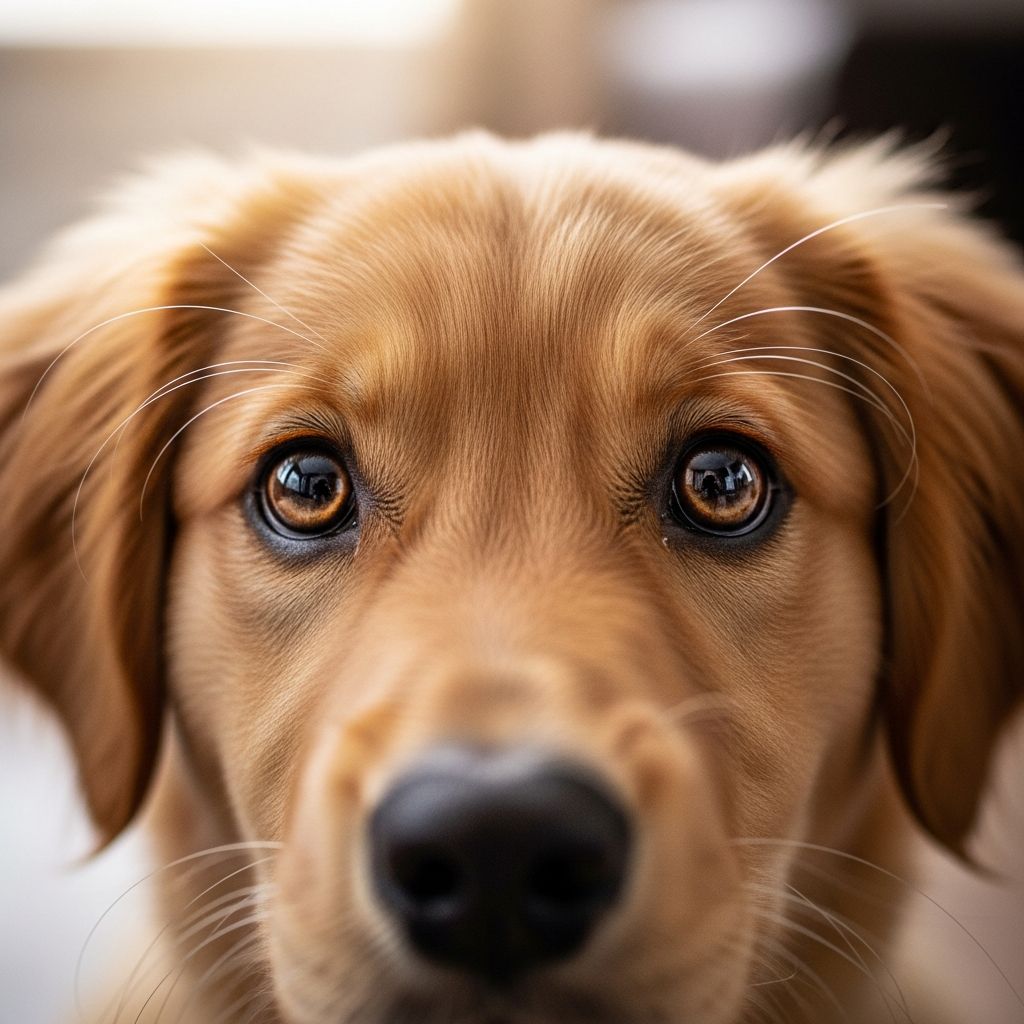
Puppy Dog Eyes Study: Not Just for Domesticated Dogs
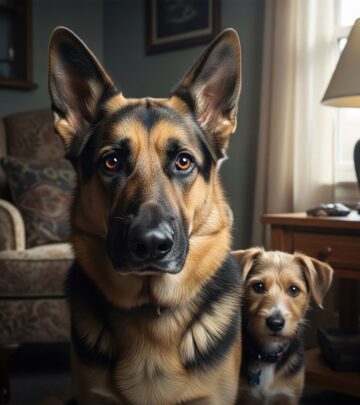
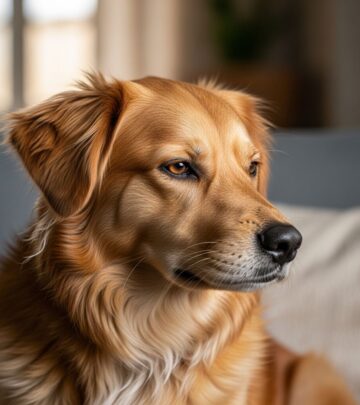
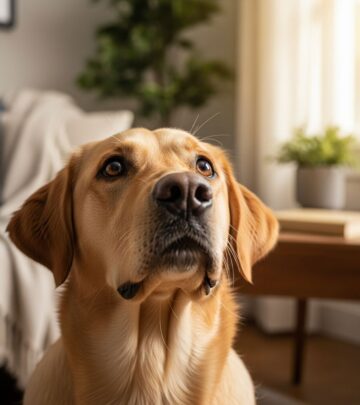
There’s a reason your dog can con you into extra treats or melt your heart after mischief—it’s the irresistible ‘puppy dog eyes’ effect. This beseeching facial expression, with raised inner eyebrows creating wide, pleading eyes, tugs at human emotions like few things can. But a groundbreaking study published in The Anatomical Record challenges the long-held belief that these eyes evolved exclusively through human domestication. Researchers found the key eye muscle present in wild canids, debunking the idea that dogs developed this trait solely to manipulate us.
They Didn’t Evolve Just for Us, After All
The phenomenon gained fame from a 2019 study suggesting dogs evolved a unique muscle—the levator anguli oculi medialis (LAOM)—absent in wolves, allowing them to raise their inner eyebrows for a paedomorphic (baby-like) look. Authors, including Anne M. Burrows, claimed this ‘hijacks’ human nurturing instincts, fostering bonds that secured food and shelter during domestication.
However, Heather Smith and her team at Midwestern University questioned this. Examining a deceased African wild dog (Lycaon pictus), they discovered the LAOM muscle was as developed as in domestic dogs. This wild species, not domesticated, uses the same expression for pack communication or hunting signals.
“So, it kind of debunks the idea that domestic dogs are the only canids that have this, and that they evolved specifically for us,” Smith explained. The finding shifts perspective: puppy dog eyes may be an ancestral canid trait, amplified rather than created by domestication.
Pups and Their People Share a “Mutual Gaze”
Even if not solely a domestication product, puppy dog eyes strengthen human-dog bonds. The 2019 research highlighted a ‘mutual gaze’—prolonged eye contact releasing oxytocin in both species, mimicking parent-infant interactions. This doesn’t occur as strongly with wolves or other pets.
Dogs’ expressive faces, including the frontalis muscle for eyebrow lifts, create infant-like appearances triggering care. Humans respond with affection, treats, or forgiveness, as seen in everyday scenarios like a dog post-mischief fixing a pleading stare.
A table summarizing key muscle differences and presence:
| Muscle | Wolves | Domestic Dogs | African Wild Dogs |
|---|---|---|---|
| LAOM (Inner Eyebrow Raise) | Weak/Absent | Well-Developed | Well-Developed |
| Frontalis (Outer Eyebrow) | Present | Enhanced | Present |
This mutual gaze explains why dogs succeed as companions: their eyes communicate needs silently, deepening emotional ties.
The Science Behind Puppy Dog Eyes
Puppy dog eyes involve two muscles: LAOM for inner eyebrow elevation, making eyes appear larger and sadder, and frontalis for overall expressiveness. This creates paedomorphism—retained juvenile features appealing to caregivers.
Human reactions are instinctive. Studies show raised eyebrows increase perceived cuteness, eliciting 30-50% more nurturing responses than neutral expressions. Oxytocin surges during gaze-locking reinforce attachment.
- Larger, infant-like eyes: Mimic human babies, triggering protection instincts.
- Dynamic movement: Subtle eyebrow lifts convey pleading or joy.
- Silent communication: Bypasses barks for nuanced emotional signaling.
Evolutionary pressure favored expressive dogs. Those eliciting human care survived better, passing genes. Yet, the new study shows wild parallels, suggesting broader canid utility.
Debunking the 2019 Domestication Theory
The 2019 paper in Proceedings of the National Academy of Sciences dissected 49 dog and six wolf heads, noting LAOM hypertrophy in dogs. Wolves’ weaker muscles limited expressions.
Smith’s team expanded to wild dogs, using histology on preserved tissue. Results: LAOM fibers were robust, matching domestic dogs. This implies the trait predates domestication, possibly aiding wild social dynamics like pup-parent appeals or pack coordination.
Implications challenge anthropocentric views. Dogs didn’t ‘evolve for us’ exclusively; humans selected from expressive variants. Wild dogs’ eyes might charm us too—if encountered.
How Puppy Eyes Influence Human Behavior
Beyond anecdotes, experiments quantify impact. In one, 200+ participants viewed dog photos: puppy-eyed versions garnered more adoptions and treats virtually.
List of influences:
- Extra treats or playtime.
- Forgiveness after misbehavior.
- Increased petting/affection.
- Shelter adoption boosts.
- Decision sway (e.g., furniture access).
This manipulation is mutual—humans gain companionship, stress relief via oxytocin.
Wild vs. Domestic: Comparative Anatomy
While domestic dogs refine expressions for humans, wild canids use them intraspecies. African wild dogs hunt cooperatively; expressive eyes may signal readiness or submission.
Wolves rely more on ears/tail; limited eye muscles suit solitary hunts. Domestication relaxed selection, enhancing faces as wolves were bred for tameness (Belyaev fox experiments analog).
Broader Implications for Canine Evolution
This research reframes domestication. Expressive traits were pre-existing, selected over 15,000-40,000 years. Future studies may scan live wild packs for behaviors.
For owners: Recognize the gaze’s power, but train consistently. It’s biology, not deceit.
Frequently Asked Questions (FAQs)
Do all dogs have puppy dog eyes?
Most breeds do, thanks to shared ancestry. Some, like Basenjis, show less due to primitive traits, but the muscle is generally present.
Can wolves make puppy eyes?
Wolves have rudimentary LAOM, producing minimal effect compared to dogs or wild dogs.
Why do puppy eyes work on humans?
They mimic baby faces, activating nurturing brain circuits and oxytocin release.
Does this mean wild dogs are as manipulative?
The muscles enable expression, but context is pack-based, not human-targeted.
Can I train my dog out of puppy eyes?
No—it’s anatomical. Use positive reinforcement to balance emotional leverage.
Related Topics in Dog Behavior
- Vocalizations: Grunts/whines complement eyes for communication.
- Social Bonds: Dogs form ‘bestie’ friendships like humans.
- Hybrids: Wolfdogs retain wild traits, less expressive.
References
- A New Study Debunks the Theory That “Puppy Dog Eyes” Are for Domesticated Dogs Only — Kinship.com. 2023. https://www.kinship.com/dog-behavior/puppy-dog-eyes-study
- The Science Behind Puppy Eyes: How Dogs Manipulate Humans — OLK9 Iowa. 2023. https://olk9iowa.com/the-science-behind-puppy-eyes/
- Poignant puppy-dog eyes are a product of domestication — NCBI/NIH (referencing PNAS study). 2019-01-30. https://www.ncbi.nlm.nih.gov/search/research-news/2301/
- Puppy Eyes Didn’t Evolve Just for Humans, Study of Wild Dogs Finds — Referenced in Kinship (Anatomical Record). 2023. https://www.kinship.com/dog-behavior/puppy-dog-eyes-study
Similar Articles



Read full bio of medha deb