

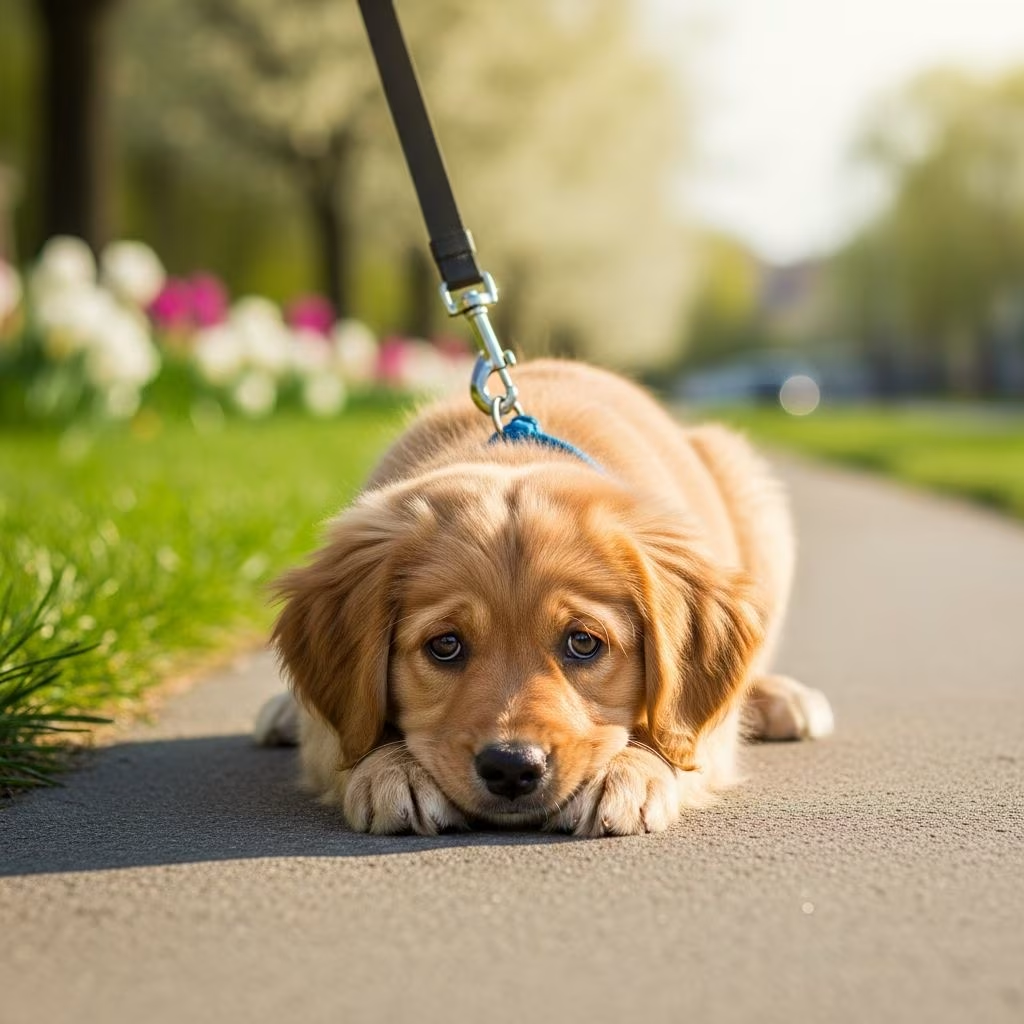
Your adorable new puppy suddenly plants their paws firmly on the ground at the door, refusing to step outside for a walk. This common issue frustrates many new pet parents, but it’s often rooted in fear, lack of experience, or discomfort rather than stubbornness. Understanding the underlying causes and applying patient, positive training methods can transform walk time into a joyful routine.
Why Won’t My Puppy Walk Outside?
Puppies, especially those under 16 weeks, are navigating a world full of novel stimuli. The great outdoors can overwhelm their developing senses with unfamiliar sounds, textures, smells, and sights. Common reasons include:
- Fear of new environments: Slippery surfaces, loud noises, or bustling streets trigger anxiety.
- Physical discomfort: Ill-fitting collars, harsh leashes, or cold/hot weather make movement unpleasant.
- Lack of socialization: Puppies not exposed early may view the outside as threatening.
- Separation sensitivity: They resist leaving the safety of home or family members behind.
- Previous negative experiences: A scary encounter like a loud car or aggressive dog creates lasting hesitation.
According to dog behavior experts, early intervention prevents this from becoming a lifelong habit. Puppies follow their owners naturally indoors, making it the perfect time to build positive associations with leashes and doors.
Step-by-Step Solutions to Get Your Puppy Walking
Patience and positive reinforcement are key. Avoid dragging or forcing your puppy, as this reinforces fear. Instead, use these proven steps drawn from professional trainers like Lauren Novack and Robert Haussmann.
1. Make the Gear Fun
Start indoors. Pair the collar, harness, and leash with high-value treats. Let your puppy wear them while playing or eating. Gradually add movement: walk around the house, rewarding calm following. This builds ‘value’ at your side, teaching them that gear means good things.
- Choose a comfortable harness over a collar to prevent neck strain.
- Use a 4-6 foot leash for control without tension.
- Practice ‘touch’ cues: lure nose to hand with treats to encourage forward movement.
2. Desensitize to the Door and Outdoors
Many puppies fear the threshold. Sit by the door, open it slightly, and toss treats outside without pressure to cross. Repeat until they eagerly anticipate. Progress to stepping one paw out, then back in with rewards. Use the ‘stay’ cue indoors to build excitement before releasing toward the door.
Transition slowly: first to the yard, then short neighborhood loops. Keep sessions under 5 minutes to avoid overwhelm.
3. Use Positive Reinforcement Techniques
Treats, praise, and play motivate. Hold treats at your leg to teach heel position. Take one step, reward if they follow; stop if they pull. Never yank back—stop moving until slack returns, then reward forward progress.
| Problem Behavior | Solution |
|---|---|
| Pulling ahead | Stop walking; resume only on slack leash. Reward check-ins. |
| Freezing in place | Use ‘stay’ then ‘let’s go’ cue with excited tone and treats ahead. |
| Sitting and refusing | Tempt with toys or food lures; involve family or friend dogs for motivation. |
4. Address Specific Fears
Observe triggers: grass texture? Carry them initially, gradually lowering paws. Noisy areas? Start during quiet times. Weather issues? Use booties or jackets. For social fears, walk parallel to friendly dogs at a distance, closing gap as confidence grows.
5. Build Motivation with Play and Socialization
Turn walks into adventures. Let them sniff (structured ‘sniff walks’ boost mental health). Walk with friends’ puppies for peer encouragement. Incorporate games like chasing bubbles or tug at rest stops. Consistency across family members prevents confusion.
Common Puppy Walking Personalities and Fixes
Puppies exhibit unique styles reflecting personality or emotion. Tailor training accordingly.
- The Sniffer: Slow explorers gathering intel. Allow sniff breaks to prevent shutdowns.
- The Prancer: High-energy bouncers. Channel into games to tire them before walks.
- The Freezer: Anxious sitters. Use reassurance, short sessions, and vet checks for pain.
- The Chaser: Play-driven hunters. Redirect energy with toys instead of chasing distractions.
Monitor for changes: limping or tucked tails signal health issues—consult a vet.
Benefits of Successful Leash Training
Well-trained walkers enjoy safer, healthier lives.
- Safety: Prevents bolting into traffic or fights.
- Bonding: Builds trust and communication.
- Health: Regular exercise combats obesity; mental stimulation reduces anxiety.
- Convenience: Stress-free outings for busy owners.
Troubleshooting Persistent Refusal
If progress stalls:
- Rule out medical issues: pain, vision problems via vet exam.
- Vary routes to avoid boredom or fear spots.
- Increase exercise alternatives: indoor fetch, puzzle toys until ready.
- Seek professional help: certified trainers for customized plans.
Remember, puppies learn fastest between 8-16 weeks. Persistence pays off—most overcome reluctance in 1-4 weeks with daily practice.
Frequently Asked Questions (FAQs)
Q: How long does it take to train a puppy to walk outside?
A: Typically 1-4 weeks with consistent 5-10 minute daily sessions using positive reinforcement. Patience varies by puppy age and temperament.
Q: What if my puppy pulls on the leash?
A: Stop moving until slack returns; reward calm walking. Avoid pulling back, as it reinforces the behavior.
Q: Is a harness better than a collar for walking?
A: Yes, harnesses distribute pressure evenly, ideal for puppies to prevent tracheal injury.
Q: My puppy sits and won’t move—what now?
A: Use excitement-building cues like ‘stay’ and release, or lure with treats/toys. Walk with another dog for motivation.
Q: Can weather cause walk refusal?
A: Absolutely—extreme temps, rain, or wind overwhelm. Use protective gear and short outings.
Q: When should I see a professional trainer?
A: If no improvement after 2 weeks, or signs of aggression/fear, consult a certified behaviorist.
References
- How to Leash-Train a Puppy or Dog — Kinship. 2023. https://www.kinship.com/dog-behavior/leash-training-a-puppy
- What Does Your Dog’s Walking Style Say About Their Personality? — Kinship. 2023. https://www.kinship.com/dog-behavior/dog-walking-style-personality
- My Puppy Won’t Walk Outside! 7 Tips to Get Them Moving — Kinship (YouTube). 2023. https://www.youtube.com/watch?v=Un_5OhpZifk
- 8 Fun Ways to Keep Your Dog Entertained Indoors — North Shore News. 2024-01-14. https://www.nsnews.com/highlights/8-fun-ways-to-keep-your-dog-entertained-indoors-when-its-freezing-outside-11708461



