

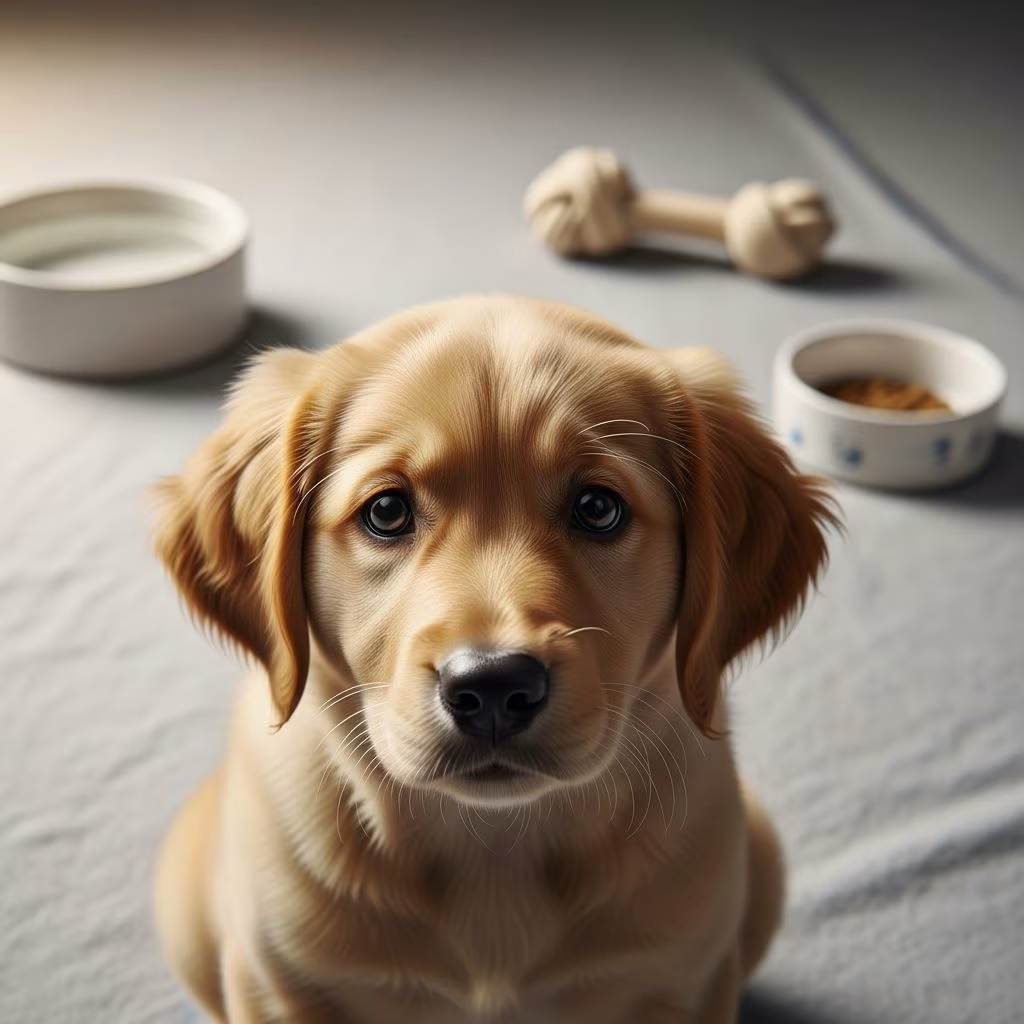
Puppy diarrhea is a frequent concern for owners of young dogs, often signaling temporary digestive upset or more serious health issues. Recognizing symptoms early and responding appropriately can prevent dehydration and complications in these vulnerable pets.
Recognizing the Signs of Diarrhea in Puppies
Diarrhea in puppies appears as loose, watery stools passed more frequently than normal. Unlike solid formations, these stools may contain mucus, blood, or undigested food particles, indicating irritation in the gastrointestinal tract. Puppies under six months are particularly susceptible due to immature immune and digestive systems.
Key indicators include:
- Stools that are soft, pudding-like, or fully liquid.
- Increased bowel movements, sometimes urgent or explosive.
- Dark, tarry, or bloody appearances suggesting internal bleeding.
- Foul odors stronger than typical puppy waste.
Observe stool color and consistency: yellow or green hues might point to rapid transit through the intestines, while black stools could indicate digested blood from upper digestive issues.
Common Triggers Behind Puppy Digestive Upset
Multiple factors contribute to diarrhea in young dogs, ranging from benign to life-threatening. Understanding these helps in targeted management.
Dietary Shifts and Intolerances
Abrupt food changes, such as switching kibble brands or introducing rich treats, overwhelm a puppy’s sensitive gut. Ingredients like dairy, grains, or specific proteins can provoke reactions, leading to loose stools and gas.
Owners often overlook table scraps or overfeeding, which accelerate digestion and reduce nutrient absorption. Gradual transitions over 7-10 days minimize risks.
Parasitic Infestations
Intestinal parasites thrive in puppies, especially those from shelters. Roundworms, hookworms, giardia, and coccidia cause mucus-laden or watery diarrhea, pot-bellied appearances, and poor growth. Fecal exams confirm presence; dewormers provide relief.
Infectious Agents: Bacteria and Viruses
Bacterial culprits like Salmonella, E. coli, and Clostridium enter via contaminated water or food, producing fever, vomiting, and bloody stools. Viral threats, notably parvovirus, devastate unvaccinated puppies with severe, foul-smelling diarrhea and lethargy. Prompt veterinary intervention is crucial.
Environmental and Behavioral Factors
Stress from rehoming, travel, or routine changes disrupts gut flora, yielding transient diarrhea. Scavenging garbage, ingesting toys, or toxins like chocolate exacerbates issues.
Underlying Medical Conditions
Chronic cases link to pancreatitis, inflammatory bowel disease, or organ dysfunction. Small breeds face higher risks due to delicate systems.
Assessing Severity: When It’s an Emergency
Not all episodes demand immediate action, but certain red flags necessitate vet visits within hours. Diarrhea persisting beyond 24-48 hours, especially with vomiting, refuses to eat, or lethargy, signals dehydration risks.
| Symptom | Low Concern | High Concern (Call Vet) |
|---|---|---|
| Duration | <24 hours, isolated | >48 hours or recurring |
| Stool Appearance | Soft, no blood | Bloody, black, or with worms |
| Companion Signs | Normal energy, appetite | Vomiting, weakness, fever |
| Dehydration Check | Gums moist, skin elastic | Dry gums, sunken eyes, tented skin |
Test dehydration by pinching skin on the neck; slow return signals trouble. Puppies dehydrate rapidly, dropping blood sugar levels.
Home Management Strategies for Mild Cases
For short-lived, mild diarrhea without alarming symptoms, supportive care restores balance. Always consult vets first, particularly for puppies under 12 weeks.
Hydration First
Prevent electrolyte loss with constant fresh water access. Oral rehydration solutions formulated for pets work best; avoid human sports drinks.
Bland Diet Introduction
After 6-12 hours fasting (vet-approved for older puppies), offer boiled white rice mixed with lean chicken or turkey in 1:3 ratios. Small, frequent meals rebuild stools over 2-3 days before resuming normal food.
- Day 1: Rice and protein only.
- Day 2: Add plain canned pumpkin (1-2 tsp per meal) for fiber.
- Day 3: Blend with regular puppy food.
Probiotic Support
Pet-specific probiotics replenish beneficial bacteria disrupted by illness. Yogurt suits some but check for lactose tolerance.
Monitor progress; improvement should occur within 24 hours. Worsening demands professional care.
Professional Veterinary Interventions
Vets diagnose via history, physical exams, and tests like fecal analysis, bloodwork, or ultrasounds. Treatments tailor to causes:
- Parasites: Antiparasitics like fenbendazole.
- Infections: Antibiotics or antivirals; IV fluids for hospitalization.
- Dehydration: Subcutaneous or IV fluids.
- Chronic issues: Specialized diets, steroids, or surgery.
Hospitalization protects severe cases, especially parvo, with isolation protocols.
Preventive Measures for Long-Term Gut Health
Proactive steps reduce recurrence odds significantly.
- Vaccinations: Core shots guard against parvo, distemper.
- Parasite Control: Monthly preventives from 8 weeks.
- Nutrition: High-quality, AAFCO-approved puppy formulas with probiotics. Slow diet changes.
- Environment: Secure trash, supervise play, regular deworming.
- Stress Reduction: Consistent routines, gradual introductions.
Annual wellness checks catch issues early.
Nutritional Foundations for Resilient Digestion
Puppy foods should feature digestible proteins, prebiotics, and balanced fibers. Avoid fillers; opt for novel proteins if allergies suspected. Wet foods hydrate while easing digestion.
Frequently Asked Questions
Can I give my puppy over-the-counter anti-diarrheal meds?
No, human medications like loperamide risk toxicity in puppies. Vet-prescribed options only.
How long before puppy diarrhea becomes dangerous?
Over 24 hours with symptoms like lethargy warrants a call. Dehydration hits fast.
Is bloody diarrhea always parvo?
Not always; parasites, bacteria, or toxins cause it too. Vet testing clarifies.
What’s the best home remedy for puppy diarrhea?
Bland diet of rice and boiled chicken, plus hydration. Probiotics aid recovery.
Why does my vaccinated puppy have diarrhea?
Vaccines don’t cover parasites, diet issues, or stress. Full prevention is multifaceted.
Long-Term Monitoring and Wellness
Track stool quality weekly in growth logs. Persistent softness prompts allergy trials or breed-specific checks, as German Shepherds risk certain conditions. Integrate omega-3s for anti-inflammatory benefits. Responsible ownership ensures puppies thrive into adulthood.
References
- Puppy Diarrhea: Causes, Treatment & Symptoms — Spot & Tango. 2023. https://www.spotandtango.com/blog/puppy-diarrhea
- Common Causes of Diarrhea in Dogs & How to Stop it — Center Star Animal Hospital. 2023-09-15. https://www.centerstarvet.com/site/blog/2023/09/15/common-causes-diarrhea-dogs
- Puppy Diarrhea: Causes, Symptoms & Treatment — Purina US. N/A. https://www.purina.com/articles/dog/puppy/health/puppy-diarrhea
- Puppy Diarrhea – Causes, Treatment, and Symptoms — American Kennel Club. N/A. https://www.akc.org/expert-advice/health/puppy-diarrhea/
- Puppy Diarrhea Treatment Guide: Safe Foods and Care Tips — Cain Hoy Veterinary Hospital. N/A. https://www.cainhoyvet.com/puppy-diarrhea-treatment-guide/
- Chronic Diarrhea in Dogs: What Causes It and When Should You … — PetMD. N/A. https://www.petmd.com/dog/symptoms/chronic-diarrhea-in-dogs
- Diarrhea — Cornell University College of Veterinary Medicine. N/A. https://www.vet.cornell.edu/departments-centers-and-institutes/riney-canine-health-center/canine-health-topics/diarrhea



