

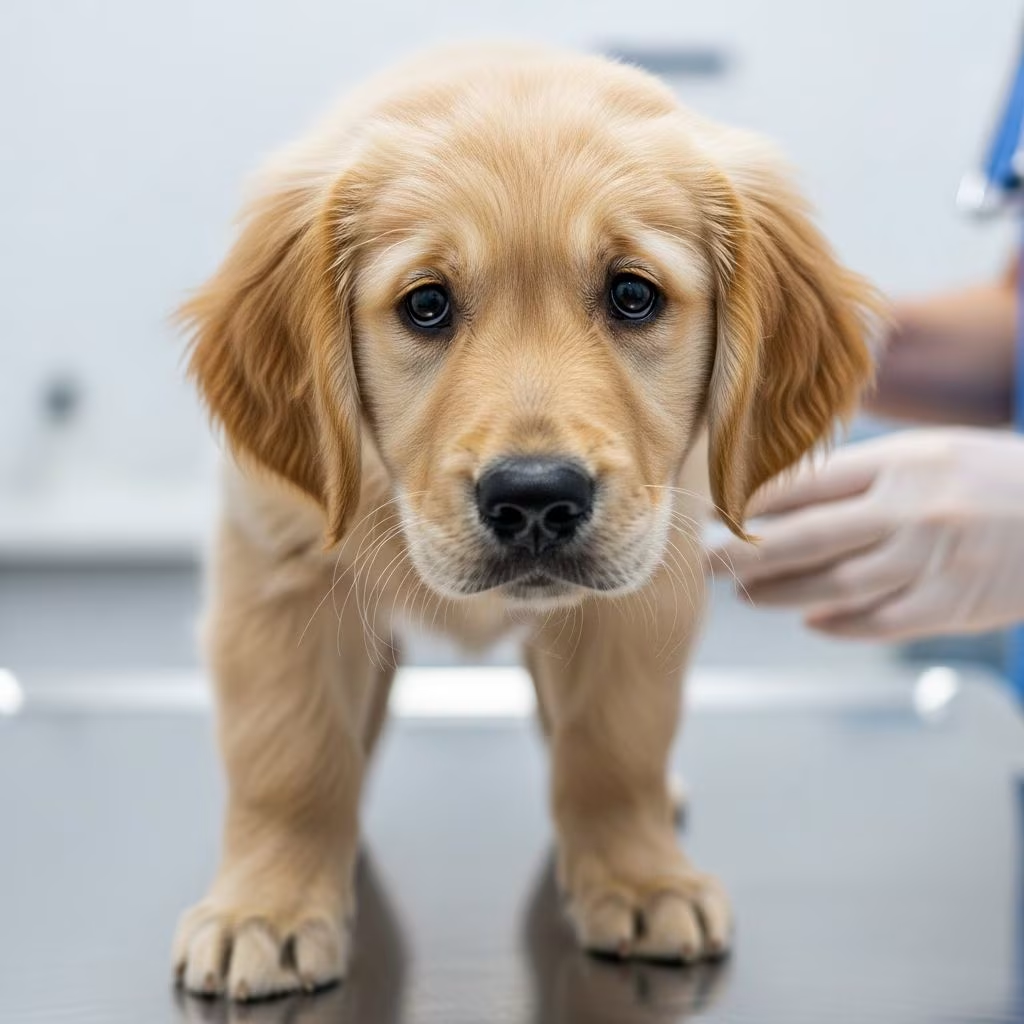
Puppy diarrhea is one of the most common health issues new dog owners face, often appearing suddenly and causing alarm. While many cases resolve quickly with simple adjustments, others signal underlying problems requiring professional attention. Understanding the root causes helps owners respond effectively, preventing dehydration and more severe complications in these vulnerable young animals.
Recognizing the Signs of Diarrhea in Puppies
Diarrhea in puppies manifests as loose, watery, or frequent stools, differing from firm, formed ones. Watch for changes in color, consistency, or frequency—pale, black, tarry, or bloody stools demand immediate concern. Accompanying symptoms like vomiting, lethargy, fever, or loss of appetite elevate urgency.
- Watery stools: Often from mild irritants like diet shifts.
- Mucousy or bloody stools: Possible infection or parasite indicator.
- Foul odor: Suggests bacterial overgrowth or spoiled food ingestion.
- Straining or scooting: May point to parasites or anal gland issues.
Puppies dehydrate faster than adults due to their small size, so monitor gums for tackiness, skin elasticity, and energy levels. Persistent episodes beyond 24 hours warrant a vet visit.
Everyday Factors Triggering Loose Stools
Many diarrhea episodes arise from non-serious, manageable triggers tied to a puppy’s developing digestive system and exploratory nature.
Dietary Disruptions
Abrupt food changes overwhelm sensitive puppy guts. Transition new kibble or wet food gradually over 7-10 days, blending 25% new with 75% old initially. Table scraps, fatty treats, or dairy often provoke reactions, as puppies lack enzymes to digest lactose.
Stress and Environmental Shifts
New homes, litter separation, or travel induce stress colitis, yielding mild, self-limiting diarrhea. This typically improves as routines stabilize.
Overindulgence or Scavenging
Puppies gulp food rapidly or raid trash, leading to gastric upset from spoiled items or indigestible bits like fabric scraps.
| Common Dietary Culprits | Symptoms | Resolution Time |
|---|---|---|
| Sudden food switch | Soft stools, gas | 1-3 days with bland diet |
| Human foods (e.g., grease) | Violent diarrhea, vomiting | 24-48 hours |
| Overeating treats | Frequent loose stools | Fast with fasting |
Serious Medical Causes Demanding Attention
Beyond benign triggers, infections and infestations pose real threats, especially to unvaccinated or young pups under 6 months.
Parasitic Infestations
Roundworms, hookworms, whipworms, coccidia, and giardia thrive in contaminated environments or pass from dam to pup. Symptoms include pot-bellied appearance, poor growth, and intermittent diarrhea, often with mucus or blood. Fecal exams confirm diagnosis; dewormers treat effectively.
Bacterial and Viral Threats
Bacteria like Salmonella, E. coli, or Clostridium enter via tainted water or feces. Viral foes—parvovirus (bloody, foul diarrhea with lethargy), distemper (respiratory and GI signs)—are life-threatening without vaccines. Antibiotics combat bacteria; supportive care (IV fluids) aids viruses.
Toxins and Obstructions
Chocolate, xylitol, plants (lilies), or rodenticides cause hemorrhagic diarrhea. Swallowed toys or socks block intestines, mixing diarrhea with vomiting. Induce vomiting only under vet guidance for toxins.
Chronic cases may stem from allergies, pancreatitis, or IBD, needing allergy testing or endoscopy.
When to Rush to the Vet
Not all diarrhea needs emergency care, but red flags include:
- Blood, black stools, or severe odor.
- Vomiting persisting over 12 hours.
- Lethargy, fever above 103°F, or abdominal pain.
- Diarrhea lasting >48 hours or puppy under 3 months.
- Dehydration signs: sunken eyes, dry gums.
Vets use fecal tests, bloodwork, imaging, or ultrasounds to pinpoint issues. Costs for parvo treatment can exceed $1,000, underscoring prevention’s value.
Proven Home Management Strategies
For mild cases sans red flags, these steps restore balance:
- Fast temporarily: Withhold food 12-24 hours (water okay) to rest the gut.
- Bland diet: Boiled chicken (skinless) and white rice (1:3 ratio), small frequent meals for 3-5 days.
- Hydration boost: Add unflavored Pedialyte or bone broth; ice cubes entice drinking.
- Probiotics: Puppy-formulated strains like Enterococcus faecium repopulate good bacteria.
- Pumpkin puree: 1-2 tsp plain canned per 10 lbs aids fiber balance.
Monitor progress; revert to regular diet gradually if stools firm up.
| Home Remedy | Dosage Guideline | Expected Benefit |
|---|---|---|
| Chicken & Rice | 1/4 cup per 10 lbs, 4x/day | Soothes inflammation |
| Probiotics | Follow label for weight | Restores gut flora |
| Pumpkin | 1 tsp per 10 lbs daily | Firm stools naturally |
Preventing Recurrence Through Smart Habits
Proactive measures keep puppy tummies stable:
- Vaccination schedule: Core shots against parvo/distemper by 8 weeks.
- Parasite protocol: Monthly preventives from 2 weeks; quarterly fecals.
- Measured feeding: Puppy-specific food, no free-feeding; split into 3-4 meals.
- Secure environment: Trash lids, toxin-proof homes, supervised play.
- Stress reduction: Consistent routines, crate training, pheromone diffusers.
Annual wellness exams catch issues early. Pet insurance offsets diagnostics/treatments.
Frequently Asked Questions (FAQs)
Can I give my puppy over-the-counter anti-diarrheal meds?
No—human meds like Imodium risk toxicity. Consult vets for safe options.
How long is too long for puppy diarrhea?
Over 24-48 hours, or with other symptoms, seek care promptly.
Is wet food better for diarrhea-prone puppies?
Hydrating wet food aids, but choose limited-ingredient formulas post-recovery.
What if my puppy has diarrhea after antibiotics?
Probiotics counteract microbiome disruption; vet may adjust.
Does breed affect diarrhea risk?
Small breeds like Yorkies are more sensitive; monitor closely.
Long-Term Gut Health for Puppies
Beyond acute fixes, foster resilience with prebiotics in food, omega-3 supplements, and fiber-rich veggies like carrots. Track stool via apps for patterns. If chronic, explore hydrolyzed diets or allergy panels. Healthy pups thrive on balanced nutrition and vigilant care, turning potential crises into minor blips.
Armed with this knowledge, owners can navigate diarrhea confidently, ensuring their puppies grow strong and playful.
References
- Puppy Diarrhea: Causes, Symptoms & Treatment — Purina US. 2023. https://www.purina.com/articles/dog/puppy/health/puppy-diarrhea
- Puppy Diarrhea: When to Worry and What to Do — Pawlicy Advisor. 2023. https://www.pawlicy.com/blog/puppy-diarrhea/
- Puppy Diarrhea – Causes, Treatment & Symptoms — American Kennel Club (AKC). 2023. https://www.akc.org/expert-advice/health/puppy-diarrhea/
- Puppy Diarrhea Treatment Guide — Cain Hoy Veterinary Hospital. 2023. https://www.cainhoyvet.com/puppy-diarrhea-treatment-guide/
- Common Causes of Diarrhea in Dogs — Center Star Veterinary. 2023-09-15. https://www.centerstarvet.com/site/blog/2023/09/15/common-causes-diarrhea-dogs
- Dog Diarrhea: Causes, Treatment and When to Worry — GoodRx. 2023. https://www.goodrx.com/pet-health/dog/dog-diarrhea



