

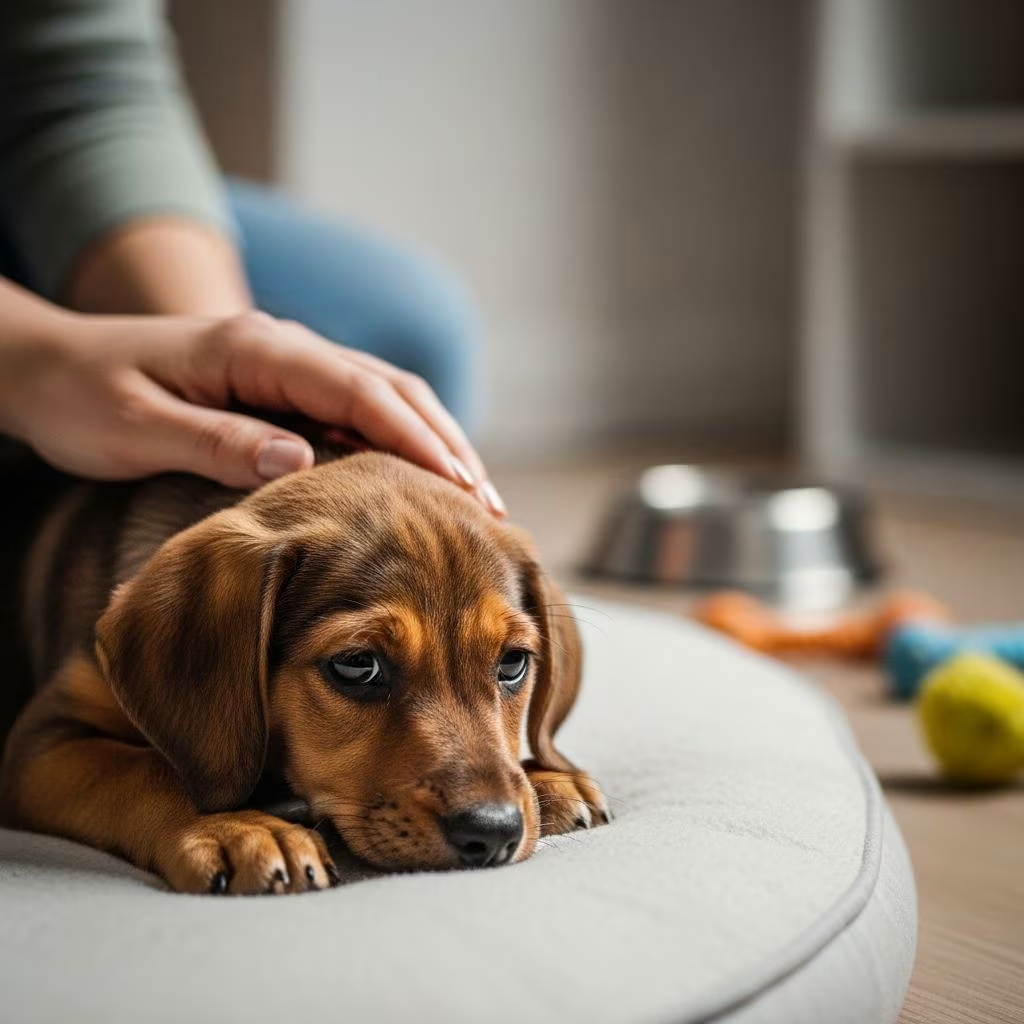
What to Do When Your Puppy Has Diarrhea
Puppy diarrhea is one of the most common concerns new pet owners face. While it can be alarming to see your young companion experiencing digestive troubles, the good news is that most cases of puppy diarrhea are not serious and can be managed effectively with proper care and attention. Understanding the causes, recognizing warning signs, and knowing the appropriate treatment options will help you navigate this common health issue with confidence.
Understanding Puppy Diarrhea: Common Causes
Puppies have developing immune systems that make them more susceptible to various digestive issues compared to adult dogs. Several factors can trigger diarrhea in young dogs, and identifying the underlying cause is the first step toward effective treatment.
Diet Changes and Food Intolerance
One of the most frequent causes of puppy diarrhea is a change in diet. Even a simple switch to a new brand of puppy food or a different protein source can upset your puppy’s digestive system. When bringing a new puppy home, it’s important to maintain consistency with their current food initially. If a diet change is necessary, transition slowly over seven to ten days by gradually mixing the new food with the old food, increasing the proportion of new food each day.
Some puppies develop food intolerances or sensitivities to specific ingredients. Common culprits include certain proteins, grains, or artificial additives. If you suspect your puppy has a food intolerance, consult your veterinarian about switching to a limited ingredient or novel protein diet.
Stress-Related Diarrhea
Puppyhood involves significant life changes and new experiences that can trigger stress-related diarrhea. Moving to a new home, meeting unfamiliar people and animals, traveling, or changes in routine can all cause temporary digestive upset. This type of diarrhea typically resolves once your puppy adjusts to their new environment and routine becomes more stable.
Bacterial Infections
Puppies have more delicate immune systems than adult dogs, making them susceptible to bacterial infections that can cause diarrhea. Common culprits include Salmonella, E. coli, and Clostridium bacteria. These infections are usually acquired through contaminated water, contact with infected animals, or poor sanitation. Bacterial infections often present with additional symptoms such as fever, loss of appetite, vomiting, and bloody diarrhea, warranting immediate veterinary attention.
Viral Infections
Viral infections pose more serious concerns for puppies compared to dietary or stress-related issues. Parvovirus and canine distemper are potentially fatal viral diseases that can affect unvaccinated or partially vaccinated puppies. These conditions require immediate veterinary intervention and often necessitate hospitalization. Ensuring your puppy receives appropriate vaccinations on schedule provides crucial protection against these serious diseases.
Parasites
Internal parasites are common in puppies and represent a significant cause of diarrhea. Roundworms, hookworms, whipworms, coccidia, and giardia can all cause gastrointestinal upset and diarrhea. Young puppies may be born with parasites passed from their mother, or they may acquire them from contaminated environments. Parasite infections require veterinary diagnosis through stool samples and appropriate anti-parasitic medication.
Foreign Object Ingestion
Puppies are curious creatures that often investigate their world by eating things they shouldn’t. Ingesting garbage, spoiled food, toys, bones, fabric, or toxic substances can cause diarrhea. Some foreign objects may pass through naturally, while others can cause intestinal obstruction requiring emergency surgery. If you suspect your puppy has ingested something harmful, contact your veterinarian immediately.
Recognizing Warning Signs: When Diarrhea Requires Immediate Attention
While mild cases of puppy diarrhea often resolve on their own, certain symptoms indicate the need for prompt veterinary care. It’s important to contact your veterinarian if your puppy displays any of the following:
- Bloody or black diarrhea
- Diarrhea lasting more than 24 hours despite home treatment
- Vomiting accompanying the diarrhea
- Signs of dehydration including lethargy, dry gums, or sunken eyes
- Loss of appetite or refusal to drink water
- Fever or other signs of illness
- Abdominal pain or distension
- Diarrhea following suspected ingestion of toxins or foreign objects
Interpreting Puppy Diarrhea Appearance
The appearance and color of your puppy’s diarrhea can provide valuable clues about the underlying cause. Understanding these differences helps guide your response and determines whether home care is appropriate or veterinary consultation is necessary.
Color and Consistency Indicators
| Appearance | Possible Cause | Recommended Action |
|---|---|---|
| Green diarrhea | May indicate mucous or that puppy has eaten grass | Monitor at home; usually resolves quickly |
| White or pale diarrhea | Highly unusual; may indicate excessive calcium or bowel infection | Contact veterinarian for evaluation |
| Yellow, white, or clear mucous | Indicates bowel irritation | Consult veterinarian if persistent |
| Brown with white spots | Likely sign of intestinal parasites | Schedule veterinary visit for stool sample |
| Bloody or tarry diarrhea | Indicates serious infection or condition | Contact veterinarian immediately |
Home Treatment for Mild Puppy Diarrhea
If your puppy is eating, drinking, and playing normally, and showing no warning signs, you can often manage mild diarrhea at home with simple interventions.
Hydration and Rest
Maintaining proper hydration is crucial when your puppy has diarrhea, as this condition can quickly lead to dehydration. Ensure fresh water is always available. Some puppies benefit from electrolyte solutions designed for dogs, which replace lost minerals and fluids more effectively than water alone. Allow your puppy adequate rest to support their immune system’s recovery efforts.
Bland Diet Approach
Switching to a bland diet for 24 to 48 hours helps calm the digestive system. Recommended bland diet options include plain cooked white rice combined with boiled skinless chicken, or low-fat ground hamburger. Offer small, frequent meals rather than large portions to avoid overwhelming the digestive tract. Once diarrhea resolves, gradually reintroduce your puppy’s regular food over several days.
Fasting Considerations
Some veterinarians recommend brief fasting of 6 to 12 hours for puppies with mild diarrhea, followed by the bland diet approach. However, extended fasting is not appropriate for young puppies who require regular nutrition for proper growth and development. Always consult your veterinarian before implementing fasting protocols.
Probiotic Supplementation
Probiotics can help restore healthy gut bacteria and support digestive health during recovery from diarrhea. Canine-specific probiotic supplements are available in various forms including powders, treats, and capsules. These beneficial bacteria can be particularly helpful after antibiotic treatment or in cases of dietary indiscretion.
Veterinary Treatment Options
When home treatment is insufficient or the underlying cause requires professional intervention, your veterinarian has several treatment options available.
Treating Infections
For bacterial infections, mild cases typically respond to oral antibiotics, while severe cases may require hospitalization with intravenous fluids and antibiotics. Viral infections require different management strategies, including medications to protect the stomach lining, anti-emetics to control nausea and vomiting, and often antibiotics to prevent secondary bacterial infections. More severe viral infections necessitate hospitalization with aggressive fluid therapy and broad-spectrum antibiotic coverage.
Parasite Elimination
Parasitic infections require specific anti-parasitic medications matched to the particular parasite identified through stool analysis. Your veterinarian will prescribe the appropriate medication and may recommend probiotics to restore healthy gut flora following treatment.
Dietary Management
For diarrhea caused by dietary issues, your veterinarian may recommend prescription dietary options designed for sensitive digestion, or suggest specific feeding protocols. They can also prescribe metronidazole, an oral anti-diarrhea medication, for more severe cases related to dietary causes or stress.
Prevention Strategies
While you cannot prevent all cases of puppy diarrhea, several proactive measures can reduce the likelihood and severity of digestive issues:
- Maintain consistent diet and avoid abrupt food changes without gradual transition periods
- Ensure current vaccinations and parasite prevention medications are up-to-date
- Provide clean, fresh water at all times and prevent access to contaminated water sources
- Keep your puppy’s living environment clean and sanitized
- Prevent access to garbage, spoiled food, and toxic substances
- Supervise play to minimize ingestion of inappropriate objects
- Minimize stress through consistent routines and positive socialization experiences
- Schedule regular veterinary check-ups to monitor overall health and development
When to Contact Your Veterinarian
While many cases of puppy diarrhea resolve with home care, professional veterinary guidance is always valuable. Contact your veterinarian immediately if diarrhea is severe, if your puppy shows signs of illness, or if diarrhea persists beyond 24 hours despite appropriate home treatment. Early veterinary intervention can prevent complications and ensure your puppy receives necessary care for serious underlying conditions.
Frequently Asked Questions About Puppy Diarrhea
Q: How long does puppy diarrhea typically last?
A: Most mild cases of puppy diarrhea resolve within two to three days with appropriate home care, including hydration, bland diet, and probiotics. However, if diarrhea persists beyond 24 hours or worsens, veterinary evaluation is recommended.
Q: Can I give my puppy over-the-counter anti-diarrhea medications?
A: It’s best to consult your veterinarian before giving any medications to your puppy. Some over-the-counter options may not be appropriate for young dogs, and treating the underlying cause is often more effective than symptom management alone.
Q: How can I tell if my puppy is dehydrated?
A: Signs of dehydration include lethargy, dry gums, sunken eyes, loss of skin elasticity, and reduced interest in activities. If you suspect dehydration, contact your veterinarian immediately.
Q: Should I switch my puppy’s food if they have diarrhea?
A: If dietary indiscretion caused the diarrhea, switching to a bland diet temporarily is appropriate. However, if the current food is appropriate, gradually introduce a bland diet, then gradually transition back to the original food once diarrhea resolves.
Q: Is puppy diarrhea contagious to other dogs?
A: It depends on the cause. If diarrhea results from viral or bacterial infections, parasites, or certain pathogens, it can be contagious to other dogs. Keep affected puppies separated from other animals and practice good hygiene to prevent spread.
Q: What is the best bland diet for puppies with diarrhea?
A: Plain cooked white rice mixed with boiled skinless chicken or low-fat ground hamburger is highly effective. Offer small, frequent meals and ensure adequate hydration alongside dietary adjustments.
References
- Puppy Diarrhea: Causes, Symptoms & Treatment — Purina US. 2025. https://www.purina.com/articles/dog/puppy/health/puppy-diarrhea
- Puppy Diarrhea – PetMD — PetMD. 2025. https://www.petmd.com/dog/symptoms/puppy-diarrhea
- Puppy Diarrhea: When to Worry and What to Do — Pawlicy Advisor. 2025. https://www.pawlicy.com/blog/puppy-diarrhea/
- Puppy Diarrhea – Causes, Treatment & Symptoms — American Kennel Club. 2025. https://www.akc.org/expert-advice/health/puppy-diarrhea/
- Diarrhea — Cornell University College of Veterinary Medicine. 2025. https://www.vet.cornell.edu/departments-centers-and-institutes/riney-canine-health-center/canine-health-information/diarrhea
- Dog Diarrhea: How To Identify, Diagnose, and Treat It — PetMD. 2025. https://www.petmd.com/dog/symptoms/dog-diarrhea
- Dog Diarrhea: Causes, Treatment and When to Worry — GoodRx. 2025. https://www.goodrx.com/pet-health/dog/dog-diarrhea



