

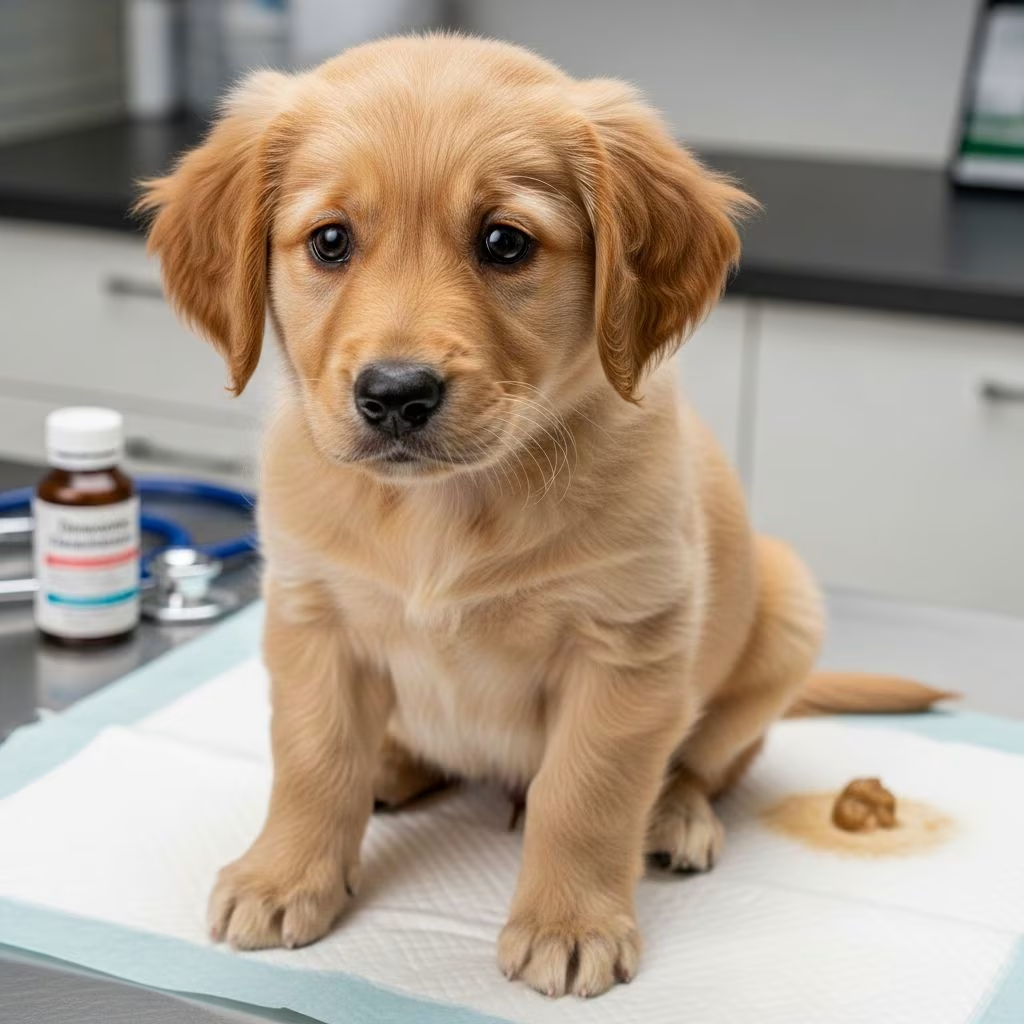
Deworming is a vital step in protecting young dogs from harmful intestinal parasites, but it’s common for puppies to develop loose stools or diarrhea shortly afterward. This reaction stems from the medication’s action on worms, which can irritate the gut lining as parasites are expelled. Most cases resolve within 24-48 hours with proper home care, though vigilance is key to spotting issues needing professional intervention.
Why Deworming Triggers Digestive Upset in Puppies
Puppies are especially prone to worm infections due to their immature immune systems and frequent exposure from mothers or environments. Common parasites like roundworms, hookworms, and tapeworms reside in the intestines, feeding on nutrients and causing prior symptoms such as poor growth or pot-bellied appearance.
When dewormers are administered—typically starting at 2-3 weeks of age—they paralyze or kill these invaders, prompting the body to flush them out via stool. This mass expulsion can inflame the intestinal walls, especially in pups with heavy infestations, leading to diarrhea, mild vomiting, or reduced appetite. Puppies may pass visible dead or dying worms for 2-3 days, which is a positive sign of treatment efficacy, though smaller worms like hookworms might not be noticeable.
- Mass parasite die-off: High worm burdens cause sudden gut inflammation as bodies are eliminated.
- Medication sensitivity: Active ingredients disrupt normal digestion temporarily.
- Immature systems: Young pups react more strongly than adults.
Normal vs. Concerning Symptoms After Treatment
Distinguishing routine side effects from problems is crucial. Mild, short-lived diarrhea—soft stools without blood or mucus—is expected and often improves as the puppy digests remnants. Behavior remains playful, with normal energy levels.
| Symptom | Normal (Monitor) | Concerning (Vet Now) |
|---|---|---|
| Diarrhea Duration | 24-48 hours, mild | Over 2 days, frequent |
| Stool Appearance | Soft, may contain worms | Bloody, black, or with mucus |
| Other Signs | Slight appetite dip | Lethargy, vomiting, dehydration |
| Behavior | Active, drinking well | Weak, tremors, seizures |
Severe reactions are rare but can occur with incorrect dosing or breed sensitivities, like MDR-1 gene mutations in herding breeds that heighten ivermectin risks. Dehydration signs include dry gums, sunken eyes, or skin that tents when pinched—address promptly with electrolyte solutions.
Home Management Strategies for Quick Recovery
Support your puppy’s return to normalcy through simple, effective measures. Withhold food for 12-24 hours to rest the gut, then reintroduce bland meals like boiled chicken and rice in small portions.
- Hydration first: Offer fresh water constantly; add unflavored Pedialyte if needed.
- Bland diet transition: Gradually mix in regular kibble over 3-5 days.
- Probiotics: Vet-approved supplements restore gut flora balance post-treatment.
- Rest and warmth: Keep the puppy in a quiet, clean area to minimize stress.
Observe stool for worm remnants, but avoid over-cleaning obsessively—prompt feces removal prevents reinfection. A follow-up fecal exam 2-4 weeks later confirms clearance, as eggs or larvae may survive initial dosing.
Puppy Deworming Schedules and Best Practices
Effective parasite control demands routine timing. Puppies require treatments every 2 weeks from 2 weeks old until 8 weeks, then monthly to 6 months, shifting to every 3-6 months for adults based on lifestyle risks like outdoor access.
Administer on an empty stomach for better absorption, and choose broad-spectrum products targeting multiple worms. Heartworm preventives often include deworming agents, streamlining care. Always consult a vet for fecal testing before starting, as self-treatment risks wrong medication.
Preventing Reinfection and Long-Term Gut Health
Worms spread via contaminated soil, fleas, or prey, so vigilance extends beyond treatment. Regular flea control is essential, as they transmit tapeworms.
- Daily yard pickup and disinfection with pet-safe cleaners.
- Monthly preventives covering intestinal and heartworms.
- Hygiene: Wash bowls, hands after handling stool.
- Annual vet checkups with fecal screens.
Post-deworming weight stabilization signals success; monitor for anemia recovery in hookworm cases. A nutrient-rich diet bolsters resilience against future exposures.
FAQ: Common Puppy Deworming Concerns
Is it normal to see worms in stool after deworming?
Yes, dead or dying worms appearing for 2-3 days (up to a week) confirms the medication is working. Live-looking ones are often expiring.
How long does diarrhea last after puppy worming?
Typically 24-48 hours; contact a vet if longer or worsening.
Can deworming cause vomiting in puppies?
Mild vomiting can occur shortly after dosing, especially if gulped quickly. Redose if tablet is intact; otherwise, call your vet.
What if my puppy seems lethargic post-treatment?
Mild tiredness is common, but persistent lethargy with refusal to eat warrants immediate vet evaluation for dehydration or reaction.
Do I need to re-deworm if worms reappear?
Multiple rounds target larvae; follow vet protocol and test stool to identify type.
Understanding Parasite Impacts on Puppy Development
Untreated worms rob vital nutrients, stunting growth, dulling coats, and risking blockages or anemia—fatal in severe puppy cases. Early intervention via deworming restores health, but side effects like diarrhea highlight treatment intensity. Balancing this with supportive care ensures puppies thrive.
For multi-pet homes, treat all simultaneously to curb spread. Environmental decontamination involves vacuuming, washing bedding at hot temperatures, and yard steaming.
References
- Dog Wormed Now Has Runs Normal — Dial A Vet. 2023. https://www.dialavet.com/vet-answers/dog-wormed-now-has-runs-normal-300381
- Deworming Side Effects in Dogs: Symptoms, Care & Prevention — Virbac India. 2024. https://in.virbac.com/every-advice/dealing-with-deworming-side-effects-in-dogs.html
- What Can You Expect after Deworming My Dog? — Elanco. 2023. https://yourpetandyou.elanco.com/us/parasites/intestinal-worms/what-to-expect-after-deworming-my-dog
- Deworming Puppies: What To Expect, Symptoms, and More — Chewy. 2024. https://www.chewy.com/education/dog/new-dog/deworming-puppies-what-to-expect
- Puppy Deworming Schedule: Everything You Need To Know — Pawlicy Advisor. 2024. https://www.pawlicy.com/blog/puppy-deworming-schedule/
- Dog Deworming — Vintage Heights Veterinary Hospital. 2023. https://www.vhvet.com/services/dogs/deworming-dogs



