

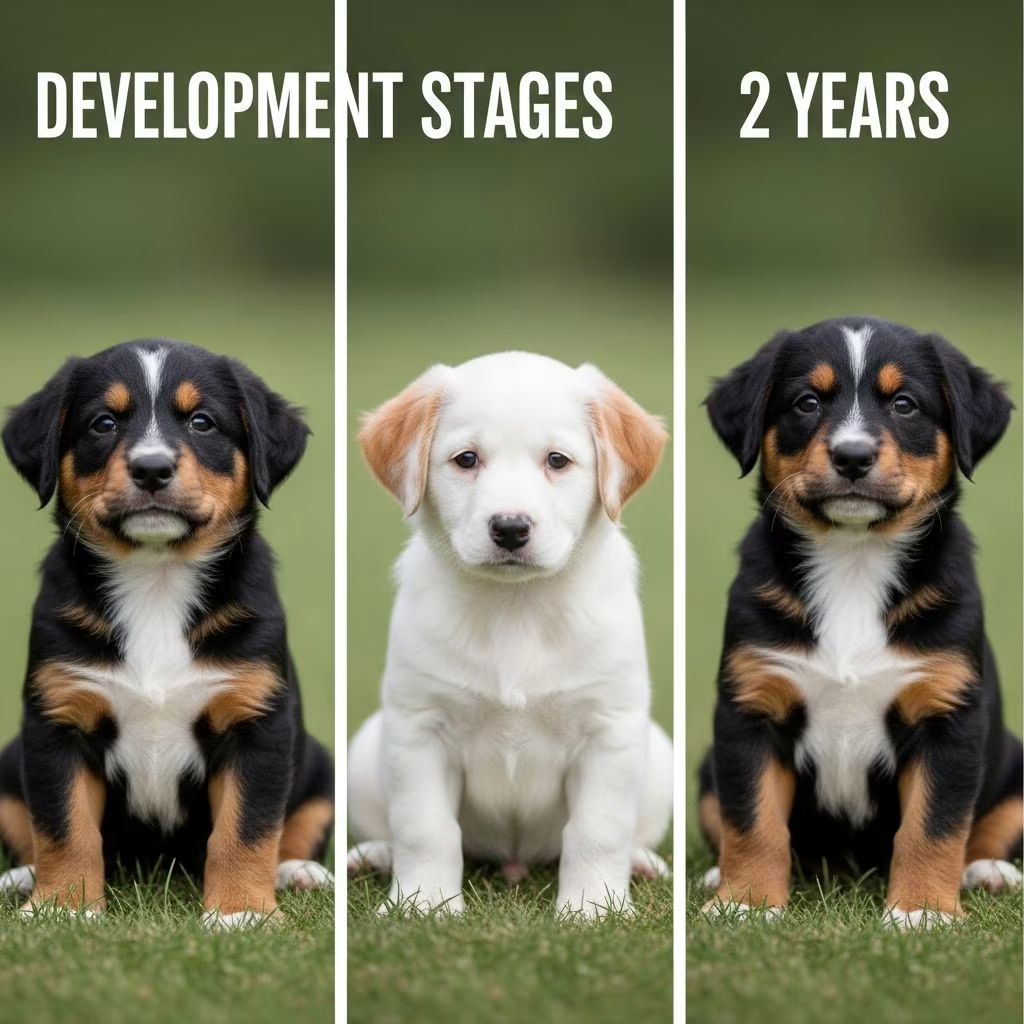
Puppy Development Stages: Birth to 2 Years Old
Welcoming a new puppy into your home is an exciting journey filled with growth, learning, and countless memorable moments. To help your puppy grow up happy and healthy, it’s essential to understand the distinct developmental stages they go through during their first two years of life. Each stage brings unique physical changes, behavioral milestones, and specific care requirements. By recognizing what your puppy needs at every phase, you can provide appropriate nutrition, training, socialization, and enrichment to support their development.
Birth to 2 Weeks Old: The Neonatal Stage and Dependence on Mother
The neonatal stage is the very beginning of your puppy’s life, a period of complete dependence on their mother. During these first two weeks, puppies are focused entirely on basic survival needs: eating and sleeping. While their world may seem limited at this stage, crucial development is happening behind the scenes.
At birth, puppies have only two functional senses: touch and taste. These senses allow them to find their mother and locate food sources. Their eyes and ears are sealed shut, and they cannot regulate their own body temperature, making maternal care absolutely critical for their survival. Neonatal puppies have very limited movement capabilities and are capable of only slow crawling movements. They spend most of their time sleeping and nursing.
During this stage, the mother dog provides all nutrition, warmth, and stimulation her puppies need. She keeps them clean, helps them eliminate waste, and protects them from the world. The bond between mother and puppies is profound and sets the foundation for healthy development. If you’re caring for orphaned puppies, it’s crucial to consult with a veterinarian, as they require specialized bottle feeding, temperature regulation, and round-the-clock care.
2 to 4 Weeks Old: The Transitional Stage and Development of Senses
The transitional stage marks a significant shift in your puppy’s development. During weeks two through four, puppies begin to interact meaningfully with their littermates and mother for the first time. This stage is characterized by rapid sensory development that opens up an entirely new world to your growing puppy.
Around 10 to 14 days of age, your puppy’s eyes will open, though their vision remains blurry initially and continues improving. By around five weeks, their sight becomes well-developed. Simultaneously, their ears open around the two-week mark, and they begin responding to sounds in their environment. Their senses of hearing and smell are rapidly developing during this time.
Baby teeth start emerging around three weeks of age, which coincides with the introduction of solid food. As puppies become more mobile, they begin to stand, walk unsteadily, wag their tails, and produce their first attempts at barking. By the end of this period, puppies can eliminate waste without their mother’s stimulation—a significant milestone in their independence. Their unique personality begins to shine through, and you’ll notice different temperaments emerging among littermates.
During the transitional stage, puppies remain highly influenced by their mother and littermates. They’re learning foundational social skills by observing and interacting with their pack. This is when their earliest memories and social preferences begin forming, making it a critical period despite its short duration.
3 to 16 Weeks Old: Training, Vaccinations, and Socialization
The socialization stage, spanning from roughly 3 to 16 weeks of age, is perhaps the most critical period in your puppy’s entire development. During this extended stage, puppies are like sponges, absorbing information about their world and forming lasting impressions about people, other animals, environments, and experiences.
Early Learning and Social Skills (3-6 Weeks)
From 4 to 6 weeks, puppies continue to be heavily influenced by their mother and littermates. Play with littermates becomes increasingly important, teaching puppies essential social skills such as inhibited biting—the ability to bite in play without causing harm. Through play-fighting, puppies learn bite inhibition, which prevents them from injuring other dogs and people throughout their lives. Puppies also learn the ins and outs of group structure and social hierarchy within their pack.
Puppies become much more vocal during this period, with the emergence of play barking and growling. These vocalizations are part of normal play and communication development. Between three and five weeks, puppies become increasingly aware of their surroundings, companions (both dogs and people), and the relationships around them.
Critical Socialization Window (5-12 Weeks)
By five to seven weeks of age, puppies develop increasing curiosity and begin exploring new experiences. This is the optimal time to expose your puppy to a wide variety of positive human experiences. Gentle handling by different people, exposure to various environments, and positive introductions to other animals help build confidence and prevent behavioral problems later in life.
By seven to nine weeks, puppies are refining their physical skills and coordination, including housetraining abilities. They have full use of their senses and are ready to absorb lessons about appropriate behavior. This is an ideal time to begin basic training, as puppies are mentally capable of learning commands and house rules.
Throughout this stage, veterinary care is essential. Puppies require a series of vaccinations to protect them from serious diseases, typically administered at 6, 9, and 12 weeks of age. Your veterinarian will establish a vaccination schedule tailored to your region and your puppy’s specific health needs.
4 to 6 Months Old: The Juvenile Stage and Establishing Hierarchy
The juvenile stage brings dramatic physical growth and significant behavioral changes. During this four-month period, you might notice daily changes in your puppy’s size and abilities. Puppies often appear to grow almost overnight, especially large breed puppies.
Physical Development
One of the most noticeable developments during this stage is teething. Puppies begin losing their baby teeth around 3 to 4 months of age, with adult teeth fully erupting by 6 to 7 months. This process can be quite uncomfortable, leading to increased chewing behavior as puppies seek relief. Providing appropriate chew toys, frozen toys, and safe outlets for this natural behavior is essential. The discomfort of teething may also temporarily affect housetraining progress.
Growth accelerates significantly during the juvenile stage, especially in large and giant breed puppies. Much of a puppy’s height and muscle growth happens between six to nine months, depending on breed size. Even though puppies are very energetic during this stage, it’s important not to exercise your puppy too strenuously. Puppies can overdo it and injure themselves, particularly in large breeds where excessive exercise can damage developing joints. Consult with your veterinarian about appropriate exercise levels for your specific puppy.
Behavioral Changes and Ranking
Among themselves, puppies begin to use ranking in their group structure—they start testing where they fit in the hierarchy. If you have multiple puppies, you may notice them establishing dominance patterns and social rankings. This is completely normal canine behavior.
Many puppies experience another fear phase during this stage that lasts approximately one month and may seem to appear from nowhere. Puppies that were previously confident may suddenly become timid or startled by things they previously ignored. This is a perfectly normal part of puppy development and nothing to be alarmed about. Maintain a calm, reassuring presence and avoid forcing your puppy into scary situations. This fear phase typically passes on its own.
Training and Nutrition
During the juvenile stage, consistent training becomes increasingly important. Puppies are capable of learning more complex commands and understanding house rules. Ongoing training helps establish a respectful relationship and prevents behavioral issues from developing. Nutritional needs also change during this stage, with puppy food formulated to support growth and development remaining essential until your puppy reaches full maturity.
1 to 2 Years Old: Social Maturity and Ongoing Development
By the one-year mark, your puppy has reached physical adulthood, though continued development occurs well into the second year. At this stage, your dog may appear fully grown, but significant changes in social preferences, habits, and emotional maturity can still occur up to 2 years of age.
Reaching Adulthood
The timeline for reaching full maturity varies considerably based on breed size. Extra small breed dogs can reach full maturity at around 8 months, while giant breeds are not considered fully grown until 2 years old. Large breed puppies continue growing and developing well into their second year, requiring continued monitoring and appropriate nutrition to support their extended development period.
Continued Training and Relationship Building
Ongoing training during this stage is crucial for ensuring a respectful and fun relationship between your dog and all human family members. Young adult dogs may test boundaries as they develop increasing independence and confidence. Consistent training, clear rules, and positive reinforcement help establish good behaviors and prevent problematic ones from developing. Many behavioral issues that appear in adult dogs stem from insufficient training during this critical period.
Sexual maturity begins to emerge during this stage, typically between 6 to 12 months of age, though the timing varies by breed and individual. Males may begin marking behavior or show increased interest in females. Females may have their first heat cycle. Discussion with your veterinarian about spaying or neutering is important during this time.
Emotional Development
Emotional maturity continues developing throughout the 1 to 2-year period. Your puppy is learning how to interact appropriately with their family, how to handle stress, and how to respond to various situations. The foundation laid during earlier developmental stages significantly influences how your dog navigates these challenges. Dogs that received adequate socialization and training during puppyhood generally adapt more easily to change and handle stress more effectively.
Breed-Specific Development Considerations
Different dog breeds mature at dramatically different rates, and understanding your puppy’s breed characteristics helps you provide appropriate care at each stage.
| Breed Size | Physical Maturity | Puppy Food Timeline | Special Considerations |
|---|---|---|---|
| Extra Small/Toy Breeds | 8-9 months | Until 9-12 months | Move through developmental stages faster; may be ready for adult food earlier; smaller portions more frequently |
| Small Breeds | 9-12 months | Until 12 months | Rapid metabolism; more frequent meals; reach adult size relatively quickly |
| Medium Breeds | 12-15 months | Until 12-15 months | Moderate growth rate; balanced development between toy and large breeds |
| Large Breeds | 18-24 months | Until 18-24 months | Extended growth period requires prolonged puppy food; careful nutrition management to prevent joint problems; slower growth rate recommended |
| Giant Breeds | 24+ months | Until 24+ months | Longest developmental period; require breed-specific puppy formulas; rapid growth in early months requires careful monitoring |
Smaller breeds typically reach physical maturity by 9 to 12 months and move through developmental stages faster than larger dogs. They may be ready for adult dog food earlier than their larger counterparts.
Large and giant breed dogs continue growing until 18 to 24 months or even longer. Their extended growth period requires longer use of puppy food specifically formulated for their specific needs. Rapid growth in these breeds requires careful nutrition management to prevent developmental orthopedic disease and joint problems. Overfeeding and excessive exercise during the growth phase can cause serious, permanent damage to developing joints.
Frequently Asked Questions About Puppy Development
Q: At what age can puppies leave their mother?
A: Puppies can typically leave their mother at 8 to 12 weeks of age. Leaving before 8 weeks can negatively impact their social development and learning from littermates. Most responsible breeders don’t release puppies before 8 weeks, and many wait until 12 weeks to ensure adequate socialization and vaccination.
Q: When should I start training my puppy?
A: You can begin basic training as early as 7 to 9 weeks of age. Puppies are capable of learning simple commands and house rules at this stage. Keep training sessions short (5-10 minutes), use positive reinforcement, and keep it fun. Early training establishes good habits and builds your relationship with your puppy.
Q: How often should I take my puppy to the veterinarian?
A: During the first year, puppies should visit the veterinarian every 3 to 4 weeks until 16 weeks of age to receive vaccinations and health checks. After that, visits typically transition to every 6 to 12 months depending on your puppy’s health and age. Your veterinarian can recommend a schedule appropriate for your puppy.
Q: What should I feed my puppy at different stages?
A: Feed high-quality puppy food formulated for your puppy’s age and breed size. Large breed puppies need specially formulated food to support controlled growth. Follow feeding guidelines on the puppy food package, adjusting portions as your puppy grows. Transition to adult food according to your breed’s maturity timeline, typically between 9 to 24 months depending on size.
Q: Is it normal for puppies to be afraid during development?
A: Yes, fear phases are a normal part of puppy development. Most puppies experience fear periods around 8 to 16 weeks and again around 6 to 14 months. During these periods, previously confident puppies may become timid. Maintain a calm, supportive environment and avoid forcing your puppy into scary situations. These phases typically pass on their own.
Q: When do puppies stop biting and chewing everything?
A: Excessive biting and chewing typically peak during teething (3-7 months) and decrease as adult teeth emerge. Teaching bite inhibition early and providing appropriate chew toys helps manage this behavior. Consistent training and management can redirect this natural behavior into appropriate outlets throughout your puppy’s development.
References
- Puppy Development Stages From Birth to 2 Years Old — Best Friends Animal Society. 2025. https://bestfriends.org/pet-care-resources/puppy-development-stages-birth-2-years-old
- Puppy Development Stages & Behaviour Into Adulthood — Eukanuba. 2024. https://www.eukanuba.com/au/articles/puppy-development-stages-and-behaviour-into-adulthood
- Puppy Stages Milestones: What to Expect — Coastal Veterinary Care. 2024. https://coastalveterinarycare.vet/puppy-stages-milestones/
- Developmental Stages of Puppy Behavior — Seattle Humane Society. 2024. https://www.seattlehumane.org/resource-library/developmental-stages-of-puppy-behavior/
- Puppy Development Stages: From Puppy to Adult Dog — Royal Canin. 2024. https://www.royalcanin.com/us/dogs/puppy/puppy-development-from-birth-to-adulthood
- Puppy Developmental Stages and Behaviour — Regina Humane Society. 2024. https://reginahumanesociety.ca/programs-services/alternatives-to-admission/dog-behaviour-tips/puppy-developmental-stages-and-behaviour/
- Puppy Development Stages: Birth to Adolescence — Nylabone. 2024. https://www.nylabone.com/dog101/puppy-development-stages-birth-to-adolescence



