

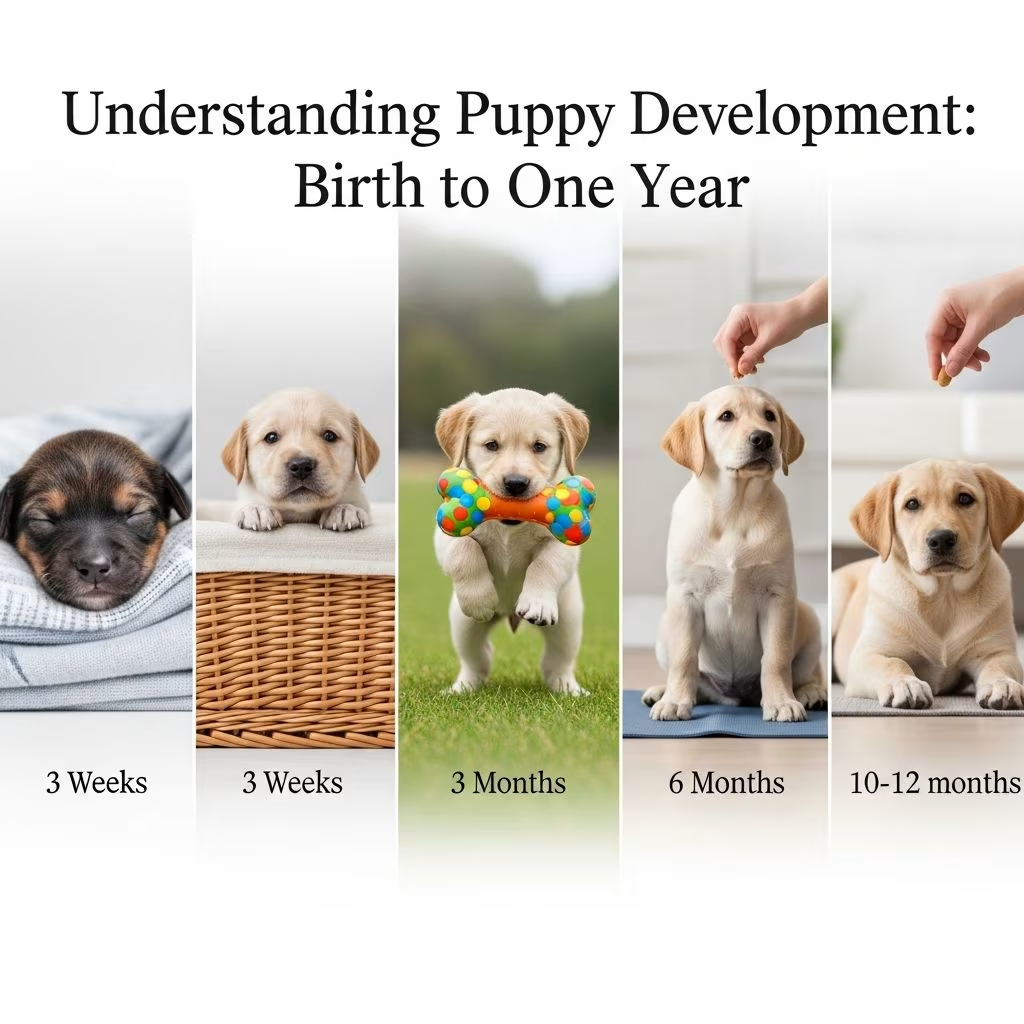
Bringing a new puppy into your home is an exciting journey filled with rapid changes and important developmental milestones. During the first twelve months of life, puppies undergo dramatic physical and behavioral transformations as they grow from helpless newborns into young adult dogs. Understanding these developmental stages helps pet owners provide appropriate care, training, and socialization at the right times to ensure their puppies develop into well-adjusted, healthy companions.
The Earliest Days: Birth Through Four Weeks
The Neonatal Phase (Birth to Two Weeks)
During the first two weeks of life, newborn puppies exist in a state of complete dependence on their mother. At this stage, puppies rely entirely on their dam for nutrition, warmth, and basic hygiene. Their sensory capabilities are extremely limited—only taste and touch are functional at birth. Vision and hearing are not yet developed, as puppies’ eyes and ears remain sealed shut during this period.
Physically, neonatal puppies demonstrate minimal mobility, capable of little more than slow crawling movements. They spend the majority of their time sleeping, which is essential for their rapid growth and development. Elimination of bodily waste is handled entirely by the mother, who stimulates and cleans her puppies through licking. During this phase, there is virtually no interaction with littermates or the external environment beyond their immediate nesting area.
The Transitional Period (Two to Four Weeks)
Between two and four weeks of age, puppies enter a transformative phase marked by the emergence of critical senses. Around the two-week mark, puppies’ eyes begin to open, though vision remains blurry initially. Their sense of hearing develops as ears unseal, allowing puppies to respond to sounds in their environment. The sense of smell also develops during this window, providing puppies with new ways to interact with their world.
Physical development accelerates during this stage. Baby teeth begin emerging around three weeks of age, coinciding with the introduction of solid food to supplement maternal nursing. Puppies become increasingly mobile, attempting to stand and walk with growing coordination. Their personalities begin to shine through as they develop the ability to bark, wag their tails, and display individual temperaments. By the end of this period, puppies gain the ability to eliminate waste independently without maternal stimulation.
Behavioral changes during the transitional stage include increased interaction with littermates and exploration of their immediate surroundings. Puppies begin playing with their siblings, establishing the foundation for learning essential canine communication skills. This is an ideal time for gentle human handling to familiarize puppies with touch and build trust with people.
Critical Bonding and Learning: Weeks Three Through Sixteen
The Canine Socialization Window (Three to Seven Weeks)
During the canine socialization period, littermate interaction becomes increasingly important for proper development. Puppies learn body language and vocalizations by practicing with their siblings, discovering how their actions affect other dogs in their social group. Through play-fighting and rough-and-tumble interactions, puppies learn bite inhibition—the ability to control the strength of their bite. When a puppy bites too hard during play, siblings yelp and stop playing, providing immediate feedback that teaches mouth control.
Puppies also begin accepting discipline from their mother during this phase. This early lesson in accepting correction from an authority figure establishes a foundation for responding to human training later. Puppies removed from their littermates or mother too early may lack these critical social skills and might demonstrate excessive biting or poor canine communication abilities.
The Human Socialization Window (Seven to Twelve Weeks)
As puppies reach seven to twelve weeks of age, they become capable of forming strong bonds with human caregivers. During this window, puppies develop a foundational relationship with people through gentle activities such as holding, petting, and positive interactions. Their brains have matured sufficiently to handle significant environmental changes, making this an ideal period for puppies to transition to new homes.
This stage is crucial for establishing the human-canine bond and beginning formal training. Puppies demonstrate increased independence and curiosity, actively exploring beyond their mother and littermates. They show growing interest in human interaction and become receptive to learning basic commands and household rules. Socialization with diverse people, environments, and mild sensory experiences during this window helps puppies develop confidence and adaptability.
The First Fear Period (Eight to Sixteen Weeks)
Between eight and sixteen weeks of age, puppies may experience a fear period—a natural developmental phase during which previously familiar experiences or novel stimuli may trigger unexpected fear responses. During this sensitive time, puppies are forming lasting impressions about their world and may develop lifelong opinions about specific experiences or environments.
Managing the first fear period requires careful handling and positive reinforcement. Owners should avoid exposing puppies to scary or negative experiences when possible, instead focusing on rewarding confident behavior and providing gentle exposure to new situations. Even subtle negative experiences during this window can influence a puppy’s long-term confidence and worldview.
Rapid Growth and Independence: Three to Six Months
Physical Development During the Juvenile Stage
Between three and six months of age, puppies enter the juvenile stage, during which physical growth accelerates dramatically. Owners may notice visible daily changes in their puppies’ size and proportions. The most noticeable change is teething—puppies begin losing their baby teeth around three to four months, with adult teeth fully emerging by six to seven months. This process creates discomfort that drives puppies to chew on objects, making appropriate chew toys essential to redirect this natural behavior away from furniture and household items.
Growth rates vary significantly between breeds. Large breed puppies experience particularly rapid growth during this stage, requiring careful nutrition and exercise management. Excessive exercise can lead to overexertion, as puppies may not recognize their own physical limitations despite having high energy levels. High-quality puppy food formulated for their specific breed size remains important for supporting proper bone and muscle development.
Behavioral Development and Independence
The juvenile stage marks a transition from instinctive behavior to independent decision-making. Puppies begin displaying their true personalities more clearly, showing whether they are naturally confident, shy, cautious, or playful. This is the stage during which puppies develop conflicting drives—they may struggle to choose between obeying commands and pursuing distractions like small animals or interesting scents.
Puppies become much more vocal during this period, with the emergence of play barking and growling as social interaction continues. Among littermates or other puppies, puppies begin testing their position in the group hierarchy, establishing where they fit within social structures. This ranking behavior is a normal part of canine development and helps puppies understand group dynamics.
Group Hierarchy and Social Structure
Between four and six months, puppies use ranking within social groups to understand their place in the world. They may test boundaries with other dogs and their human families, seeking to understand expectations and limits. This is not a problem behavior but rather a natural developmental process. Consistent training and clear household rules help puppies understand their role within the family structure.
The Second Fear Period and Adolescence: Six to Twelve Months
The Second Fear Phase
During the six- to fourteen-month period, puppies may experience a second fear phase that appears unexpectedly and lasts approximately one month. This second fear period is a normal developmental milestone and should not cause alarm. Puppies may suddenly display apprehension about situations they previously navigated confidently. This temporary anxiety typically resolves on its own as the puppy continues maturing.
Sexual Maturity Onset
Between six and twelve months, puppies approach sexual maturity, bringing hormonal changes that influence behavior. Unspayed females may experience their first heat cycle, while unneutered males may display increased marking behavior and heightened interest in other dogs. Discussing spaying or neutering timelines with a veterinarian is important during this stage to prevent unwanted litters and manage behavior-related changes.
Emotional Maturation and Extended Development
True emotional maturity typically extends beyond the first year, often continuing until twelve to eighteen months of age. During this extended period, puppies continue learning behavioral boundaries, refining their responses to training, and developing stable personalities. Some behavioral challenges present during adolescence gradually resolve as puppies mature emotionally and cognitively.
Developmental Milestones Overview
| Age Range | Physical Milestones | Behavioral Changes | Care Focus |
|---|---|---|---|
| Birth to 2 weeks | Eyes and ears sealed; limited mobility; taste and touch only | Completely dependent on mother; sleeping majority of time | Ensure warmth, nutrition from mother, safe environment |
| 2-4 weeks | Eyes open; hearing and smell develop; baby teeth emerge; walking begins | Littermate interaction begins; personality emerges; independent elimination | Gentle handling; introduce softened food; safe exploration space |
| 3-8 weeks | Continued tooth development; coordination improves; potty training possible | Canine socialization; bite inhibition learning; human bonding begins | Socialization with littermates and humans; training foundation; vaccinations begin |
| 8-16 weeks | Baby teeth fully in; sensory systems fully developed | First fear period possible; human bonding intensifies; ready for new home | Avoid negative experiences; positive reinforcement; continue socialization |
| 3-6 months | Rapid growth; teething (baby teeth shed, adult teeth emerge); coordination improves | Personality fully displays; independence increases; playfulness peaks; vocalization increases | Appropriate chew toys; quality nutrition; controlled exercise; establish boundaries |
| 6-12 months | Adult teeth fully in; rapid growth in large breeds; approaching adult size | Second fear period possible; sexual maturity onset; testing boundaries; adolescent behavior | Spay/neuter consideration; consistent training; exercise management; patience with adolescence |
Nutrition and Health Throughout the First Year
Proper nutrition is foundational to healthy puppy development. Puppies require high-quality puppy food formulated specifically for their life stage and breed size. Large breed puppies have different nutritional requirements than small breeds, particularly regarding calcium and phosphorus ratios to support proper skeletal development.
Vaccination schedules typically begin around six to eight weeks of age and continue through the juvenile stage with booster shots. Regular veterinary check-ups help monitor growth rates, dental health, and development. Parasitic prevention, including protection against intestinal parasites and fleas, is important throughout puppyhood.
Training Foundations for Each Stage
Early Training Opportunities (Three to Twelve Weeks)
Training begins naturally during the first several weeks as puppies interact with littermates and humans. Puppies are mentally developed enough to handle training around seven to eight weeks of age. Early training should focus on building positive associations with people, establishing basic commands, and beginning housebreaking.
Consistency and Positive Reinforcement
Throughout the entire first year, consistent rules and positive reinforcement yield the best results. Puppies learn through repetition and reward, so establishing predictable responses to behavior creates a stable learning environment. Different family members should enforce the same rules to avoid confusion about household expectations.
Frequently Asked Questions About Puppy Development
When should puppies be weaned from their mother?
Puppies typically begin weaning around three to four weeks when solid food is introduced alongside maternal nursing. Complete weaning usually occurs by seven to eight weeks, though mother’s milk continues providing valuable nutrients and immune support when available.
Why is littermate socialization important?
Littermates teach puppies essential canine communication skills, including bite inhibition, body language interpretation, and social hierarchy understanding. Puppies removed from littermates too early may lack these critical skills and demonstrate excessive biting or poor interactions with other dogs.
When should puppies receive their first vaccinations?
Initial vaccinations typically begin around six to eight weeks of age, with boosters continuing through the juvenile stage. Consult with your veterinarian about the specific vaccination schedule appropriate for your puppy’s breed and health status.
Is it normal for puppies to show fear during certain periods?
Yes, fear periods are normal developmental phases occurring around eight to sixteen weeks and again between six and fourteen months. These temporary periods of heightened anxiety typically resolve naturally as the puppy matures.
How much exercise should puppies receive?
Exercise needs vary by age and breed, but excessive exercise can be harmful to developing puppies, particularly large breeds. A general guideline is five minutes of exercise per month of age, twice daily. Always allow puppies to self-regulate their activity and avoid strenuous exercise until growth plates close.
Supporting Healthy Puppy Development
Supporting your puppy through their first year requires understanding their developmental needs at each stage. Providing appropriate nutrition, veterinary care, socialization opportunities, and training creates the foundation for a well-adjusted adult dog. Recognizing that challenging behaviors like excessive chewing, biting, or fear responses are often normal developmental phases rather than problems helps owners respond with patience and appropriate intervention.
Each puppy develops at their own pace, with individual variation based on genetics, breed size, and environmental factors. While understanding general developmental timelines is helpful, observing your individual puppy’s progress and consulting with veterinarians about any concerns ensures personalized care that supports optimal growth and development.
References
- Puppy Development Stages & Behaviour Into Adulthood — Eukanuba. 2024. https://www.eukanuba.com/au/articles/puppy-development-stages-and-behaviour-into-adulthood
- Puppy Development Stages From Birth to 2 Years Old — Best Friends Animal Society. https://bestfriends.org/pet-care-resources/puppy-development-stages-birth-2-years-old
- Puppy Stages: What To Expect in Their First Two Years — Chewy. https://www.chewy.com/education/dog/new-dog/what-to-expect-the-first-year-with-your-new-puppy
- Puppy Stages Milestones: What to Expect — Coastal Veterinary Care. https://coastalveterinarycare.vet/puppy-stages-milestones/
- Understanding Your Puppy’s Developmental Stages — Dogtopia. https://www.dogtopia.com/blog/understanding-your-puppys-developmental-stages/
- A Puppy Growth Timeline: Transitions in Puppyhood — American Kennel Club. https://www.akc.org/expert-advice/puppy-information/puppy-growth-timeline-transitions-puppyhood/
- Puppy development from birth to adulthood — Royal Canin. https://www.royalcanin.com/us/dogs/puppy/puppy-development-from-birth-to-adulthood



