

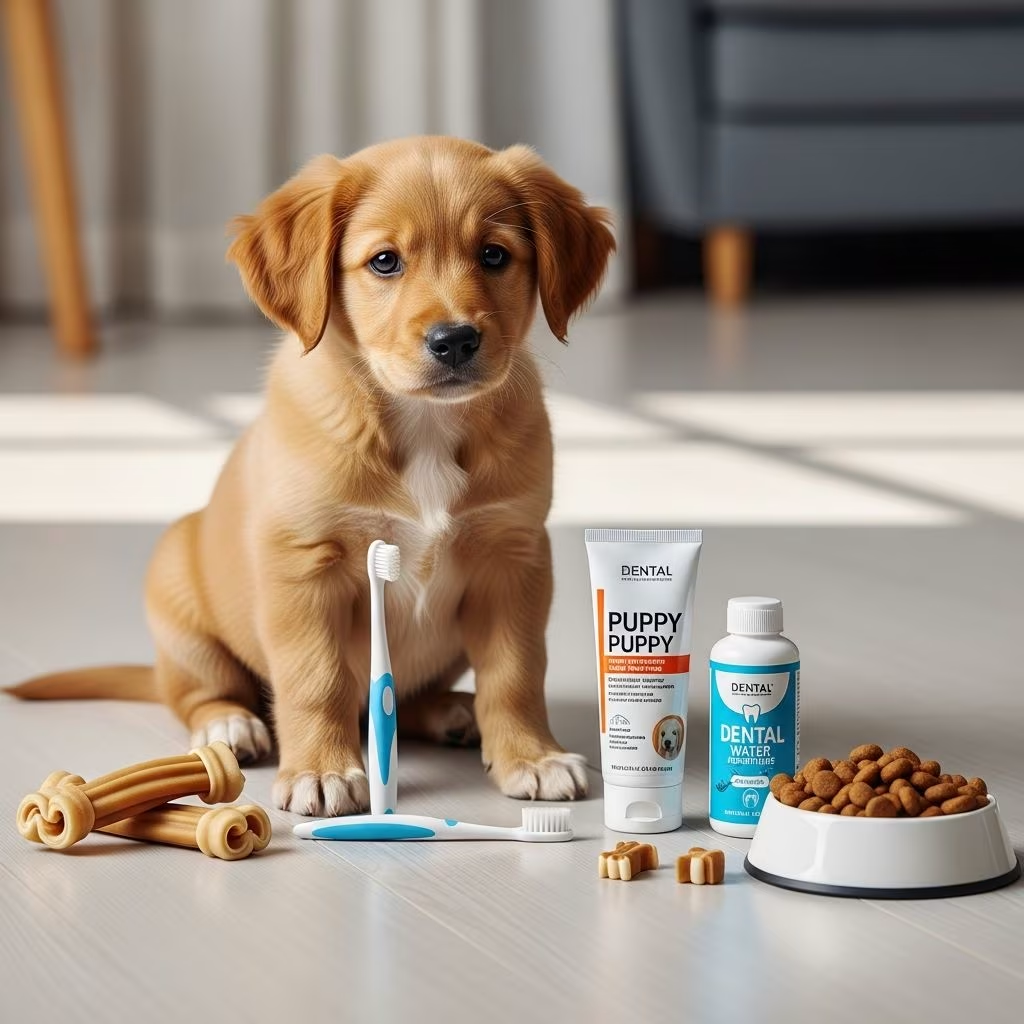
Puppy dental care forms the cornerstone of a healthy life for young dogs, preventing common issues like plaque buildup and gum inflammation that can lead to serious health complications. Starting early with proper routines ensures strong teeth and fresh breath, enhancing their playful energy and longevity.
Why Oral Health Matters for Growing Puppies
During the puppy stage, rapid tooth development occurs, with milk teeth erupting around 3-6 weeks and adult teeth replacing them by 6-7 months. Neglecting this phase invites bacterial growth, tartar formation, and potential links to heart or kidney problems via oral bacteria entering the bloodstream. Healthy mouths support efficient chewing, reducing digestive strain and promoting nutrient absorption vital for growth.
Owners often underestimate how **daily habits** influence long-term outcomes. Puppies with pristine oral hygiene experience fewer vet visits, lower treatment costs, and more joyful interactions without discomfort.
Understanding Puppy Tooth Development Stages
Puppies begin life toothless, gaining 28 primary teeth shortly after birth. These deciduous teeth are temporary, designed for soft foods, and shed naturally as 42 permanent teeth emerge. Monitor this transition closely, as delays or abnormalities signal nutritional gaps or genetic factors.
- Weeks 2-4: Incisors appear first, aiding nursing.
- Weeks 6-8: Premolars and molars support weaning to solids.
- Months 3-7: Permanent canines and molars push out baby teeth; chewing intensifies.
Teething brings discomfort, prompting excessive gnawing. Provide safe outlets to avoid damage while fostering jaw strength.
Daily Brushing: The Foundation of Clean Teeth
Brushing stands as the most effective at-home method, mechanically scraping plaque before it hardens into tartar. Aim for daily sessions using enzymatic pet toothpaste—never human varieties containing xylitol or fluoride, which are toxic to dogs.
Step-by-Step Brushing Technique
Position your puppy comfortably, facing the same direction for control. Start slow to build tolerance:
- Wet the soft-bristled pet brush or finger wrap.
- Apply pea-sized enzymatic paste; let puppy lick for flavor acclimation.
- Gently lift lips, angle brush 45 degrees at gumline.
- Use circular motions on outer surfaces, focusing on molars where buildup thrives.
- Praise lavishly; sessions last 30-60 seconds initially.
Back teeth demand extra attention—pull lips back softly. Consistency trumps perfection; even partial brushing yields benefits.
Supportive Tools and Treats for Oral Maintenance
Beyond brushing, integrate chews, toys, and diets targeting dental health. These abrade plaque while satisfying natural instincts.
| Tool/Treat Type | Benefits | Best For |
|---|---|---|
| Dental Chews | Reduce tartar via chewing action; enzymatic coatings break down bacteria. | Daily use post-meals. |
| Rubber Chew Toys | Massage gums; durable for teething relief. | Puppies 3-9 months. |
| Water Additives | Kill bacteria systemically; no brushing needed. | Busy owners. |
| Prescription Diets | Kibble texture scrubs teeth; vet-approved formulas. | Small breeds prone to issues. |
Select Veterinary Oral Health Council (VOHC)-approved products for proven efficacy. Rotate options to maintain interest and maximize coverage.
Spotting Early Warning Signs of Dental Trouble
Vigilance prevents escalation. Watch for:
- Persistent bad breath: Indicates bacterial overgrowth.
- Red, swollen gums: Gingivitis precursor.
- Loose or missing teeth: Especially during/after teething.
- Excessive drooling/pawing at mouth: Pain signals.
- Brown tartar on teeth: Hardened plaque needing pro removal.
Puppies with brachycephalic breeds (e.g., Bulldogs) face higher risks due to crowded teeth. Act promptly to avert periodontal disease.
Professional Veterinary Interventions
Annual exams are non-negotiable, including oral charting and probing. Full cleanings under anesthesia scale subgingival tartar invisible at home.
Procedures involve:
- X-rays for root/jaw assessment.
- Scaling/polishing for smoothness.
- Extractions if needed for fractured/decayed teeth.
- Follow-up antibiotics for infections.
Frequency varies: small breeds may need biannual cleanings. Costs range $300-800, but prevention slashes expenses long-term.
Nutrition’s Role in Building Strong Teeth
Diet profoundly impacts enamel hardness and gum resilience. Opt for crunchy kibble over soft foods; it naturally buffs teeth.
Key nutrients:
- Calcium/Phosphorus: Bone/tooth mineralization.
- Omega-3s: Anti-inflammatory for gums.
- Vitamin C/D: Tissue repair.
Avoid table scraps promoting decay. Transition foods gradually during weaning to support microbiome balance.
Tailoring Care for Breed-Specific Needs
Not all puppies are equal dentally. Toy breeds suffer crowding; large ones endure heavy wear.
- Small Jaws (e.g., Chihuahuas): Prone to retained deciduous teeth; extra brushing.
- Deep-Chested (e.g., Labs): Focus on back molars.
- Brachycephalics: Frequent pro cleanings essential.
Consult breed clubs or vets for customized plans.
Long-Term Strategies for Lifelong Dental Wellness
Extend puppy habits into adulthood: track progress with photos, maintain routines amid life changes. Senior dogs need gentler tools as enamel thins.
Success stories abound—dogs on daily protocols rarely require surgery, enjoying pain-free years. Invest time now for dividends later.
Frequently Asked Questions
When should I start brushing my puppy’s teeth?
Introduce at 8-12 weeks, post-weaning, building to daily by 4 months.
Is anesthesia safe for puppy dental cleanings?
Yes, when performed by qualified vets with pre-op bloodwork; modern protocols minimize risks.
Can dental chews replace brushing?
No, they supplement but don’t match brushing’s thoroughness.
What if my puppy resists tooth brushing?
Use positive reinforcement, start with gauze wraps, and progress slowly.
How often are vet dental exams needed?
At least yearly, more for at-risk breeds.
References
- Caring for Your Dog’s Teeth: A Complete Guide — Lange Animal Hospital. 2023. https://langeanimalhospital.com/caring-for-your-dogs-teeth-a-complete-guide/
- A Comprehensive Guide to Proactive Dental Care for Pets — All Animal Veterinary Services. 2024. https://allanimalveterinaryservices.com/healthy-barks-whiskers-a-comprehensive-guide-to-proactive-dental-care-for-pets/
- A Guide to Dog Dental Care — Bond Vet. 2024. https://bondvet.com/blog/dog-dental-care-guide
- How to Clean a Dog’s Teeth: Tools and Tips — PetMD. 2025-01-15. https://www.petmd.com/dog/grooming/what-best-way-clean-my-dogs-teeth
- Pet dental care — American Veterinary Medical Association (AVMA). 2024. https://www.avma.org/resources-tools/pet-owners/petcare/pet-dental-care
- At-Home Pet Dental Care Tips — Healthy Pet Hospital. 2023. https://www.healthypethospital.com/blog/1357518-at-home-pet-dental-care-tips
- The Ultimate Dog Dental Guide — Shorehaven Veterinary Hospital. 2024. https://shorehavenveterinaryhospital.com/blogs/the-ultimate-dog-dental-guide-nurturing-your-canine-s-canines



