

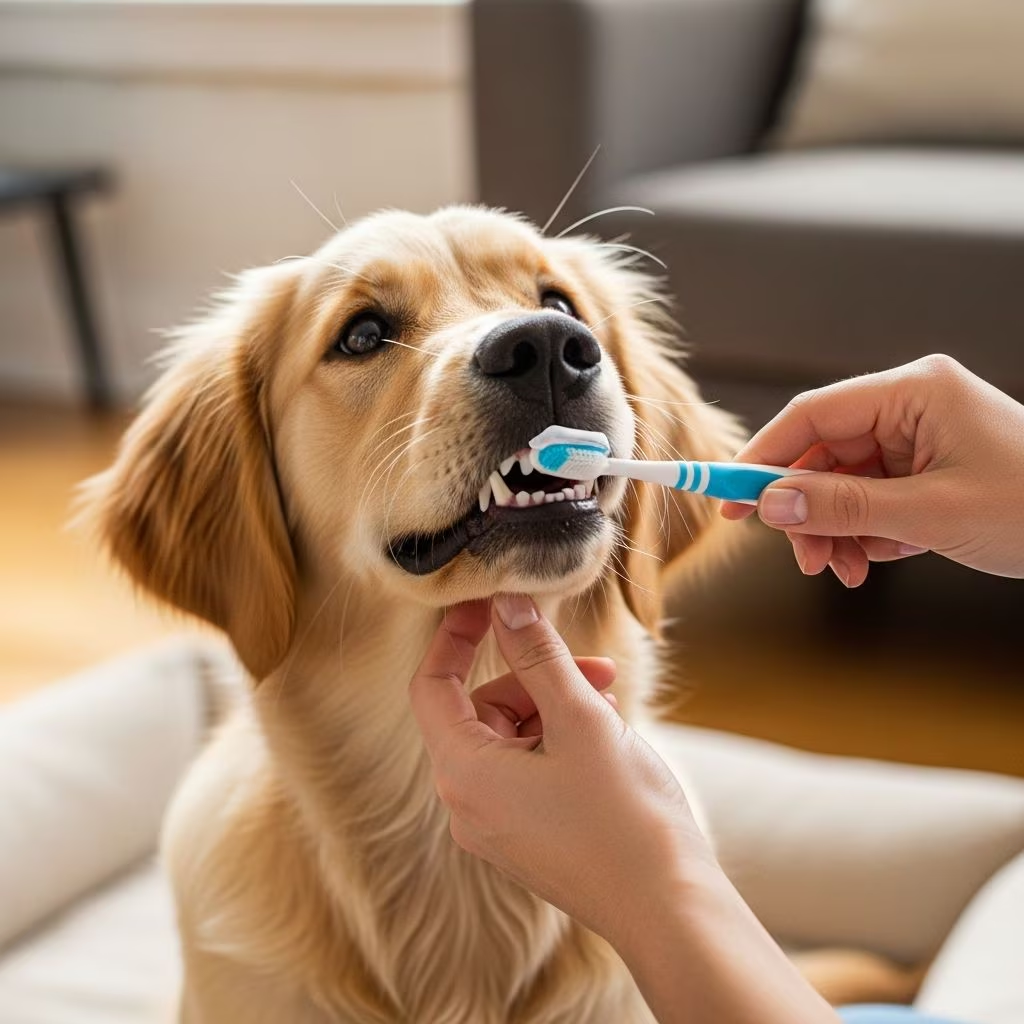
Why Early Dental Education Matters for Your Puppy
Dental health represents one of the most overlooked aspects of puppy care, yet it establishes the foundation for a lifetime of oral wellness. Many pet owners delay introducing dental hygiene routines until their dogs reach adulthood, at which point behavioral resistance and established plaque accumulation create significant obstacles. Beginning oral care during the puppy stage transforms what could become a challenging medical procedure into a natural, manageable part of your dog’s grooming routine.
The primary challenge of postponing dental care is that puppies accustomed to having their mouths handled from an early age adapt far more readily to tooth brushing than adult dogs who have never experienced this handling. This early familiarization reduces stress during veterinary examinations and makes professional cleanings less complicated and potentially less expensive. Additionally, establishing consistent brushing habits prevents the rapid accumulation of tartar, which can calcify within forty-eight hours and lead to progressive periodontal disease.
Understanding Your Puppy’s Dental Development Timeline
Puppies experience significant dental changes during their first year of life. Most puppies begin developing their full set of adult teeth between twelve and sixteen weeks of age, with the complete dentition typically established by approximately six months. This developmental window coincides with increased chewing behavior as puppies seek relief from the pressure and discomfort of erupting teeth.
Recognizing the difference between normal puppy breath and signs of dental problems is important during this developmental phase. Puppy breath—a characteristically sweet smell—is completely normal and typically disappears as your dog matures. However, persistently foul-smelling breath or visible brown discoloration on the teeth indicates potential tartar buildup and warrants veterinary attention.
Introducing Mouth Handling: The Foundation of Acceptance
Before attempting to brush your puppy’s teeth, you must first acclimate your puppy to having their mouth and muzzle touched. This gradual introduction reduces anxiety and builds positive associations with oral care activities. The process should be gentle, rewarding, and never forced, particularly if your puppy displays discomfort or resistance.
Begin by gently touching your puppy’s muzzle during relaxed moments, such as before bedtime when energy levels are naturally lower. Use light finger touches around the mouth area for just a few seconds initially, then immediately provide positive reinforcement through treats or praise. Gradually progress to gently lifting the jowls to briefly expose the teeth, holding this position for only a few seconds before releasing and rewarding. This incremental approach builds confidence and prevents negative associations from forming.
Once your puppy tolerates muzzle handling without resistance, begin introducing the concept of having objects placed in their mouth. Allow your puppy to investigate and interact with the toothbrush by sniffing, licking, and chewing on it during handling sessions. Apply a small amount of flavored enzymatic toothpaste to the brush to create a positive taste association and encourage exploration. This phase typically requires several days of repetition before proceeding to actual brushing motions.
Selecting Appropriate Dental Care Products
The tools and products you choose significantly impact your puppy’s comfort and your success in establishing a consistent dental care routine. Quality equipment specifically designed for dogs ensures safety and effectiveness while making the experience more pleasant for your puppy.
Toothbrush Options
Several toothbrush styles work well for puppies, each with distinct advantages. Soft-bristled brushes designed specifically for dogs are generally the most effective for removing food debris and preventing tartar formation. These brushes come in various sizes, with many featuring dual-headed designs that include both larger brushes for general cleaning and smaller brushes for accessing tight spaces between teeth.
Finger-tip brushes—rubber implements that slip over your index finger—serve as an excellent introduction tool, particularly for puppies showing initial resistance to traditional brushes. The smaller profile and familiar sensation of your finger rather than an unfamiliar object make this option less intimidating for sensitive puppies. Once your puppy tolerates the finger brush, transitioning to a standard soft-bristled brush becomes considerably easier. Standard child-sized human toothbrushes also work adequately if specialized dog brushes are unavailable, though they are less ergonomic than purpose-designed canine alternatives.
Toothpaste Selection
Always use toothpaste formulated specifically for dogs, never human toothpaste. Human formulations contain ingredients that can cause gastrointestinal upset if swallowed, and some contain xylitol, an artificial sweetener that is toxic to dogs. Dog toothpastes come in various flavors—such as poultry, beef, and malt—that encourage acceptance and make the brushing experience more appealing to puppies.
Enzymatic toothpastes offer particular advantages for canine dental care. These formulations contain natural enzymes that help break down bacteria responsible for plaque and tartar formation, providing additional cleaning benefits beyond mechanical brushing alone. The enzymatic action continues working even when brushing is infrequent, making these products an excellent investment in your puppy’s oral health.
Establishing an Effective Brushing Technique
Once your puppy accepts having the toothbrush in their mouth, you can begin developing an effective brushing routine. The technique differs somewhat from human tooth brushing and requires a specific approach to reach all tooth surfaces while maintaining your puppy’s comfort.
Position your puppy on your lap or in a comfortable seated position where you can easily access their mouth. Hold their muzzle gently in your hand, using your fingertips to lift the jowls slightly and expose the teeth. If your puppy tends to be squirmy or uncooperative, enlist assistance from another family member who can help stabilize your puppy while you focus on brushing.
Apply a small amount of toothpaste to the bristles and begin brushing using gentle circular motions along the gum line, which is where plaque and tartar most commonly accumulate. Focus on the outer surfaces of the teeth, as these areas typically accumulate more debris than the interior surfaces that your puppy’s tongue naturally contacts during eating. Initially, your puppy may squirm, chew on the brush, or seem uncomfortable—all of these responses are normal during the learning phase. Continue providing treats and praise immediately following each brushing session to reinforce positive associations.
Consistency matters far more than duration. Brushing for thirty seconds daily provides greater benefits than a three-minute session once weekly. As your puppy becomes more comfortable, you can gradually extend brushing time, but initially prioritize building acceptance and positive habits over achieving perfect technique.
Developing a Sustainable Dental Care Schedule
The frequency of brushing directly impacts your puppy’s oral health outcomes. Since tartar can calcify within forty-eight hours, establishing a regular brushing schedule prevents rapid accumulation and the associated complications. Ideally, brush your puppy’s teeth daily or every other day. However, consistency matters more than achieving daily brushing—brushing several times weekly provides significant benefits compared to irregular attempts at daily brushing.
Schedule brushing sessions during times when your puppy is naturally calm and less energetic. Pre-bedtime brushing works particularly well, as puppies tend to be more relaxed during evening hours. Avoid forcing reluctant puppies or scheduling brushing during high-energy periods when resistance is likely to be strong.
Supplementary Oral Care Strategies
While brushing remains the gold standard for canine dental care, supplementary strategies can enhance your comprehensive approach to puppy oral health.
Dental Chews and Treats
Puppies naturally chew to relieve pressure and discomfort from erupting teeth, making appropriately selected chewing items valuable for both pain relief and oral health. Veterinarian-approved dental chews specifically formulated to reduce plaque and tartar accumulation support your brushing efforts. Select chew size and hardness appropriate for your puppy’s age, size, and breed, and always supervise chewing to prevent hazards such as choking or intestinal blockage from ingested chunks.
Once your puppy reaches six months of age, you can introduce dental treats as part of their oral care routine. Remember that treats contribute to daily caloric intake, so adjust meal portions accordingly to prevent overfeeding and associated weight management issues.
Dental Toys
Toys specifically designed to promote dental health can supplement your brushing routine. Rope toys and textured chewing toys help minimize plaque accumulation through mechanical action during play. However, avoid toys with abrasive surfaces that can wear down tooth enamel, and for puppies that chew aggressively, select toys sized such that your puppy cannot fit their entire mouth around them.
Dietary Considerations
While not a substitute for active dental care, diet influences oral health. Feeding appropriate puppy nutrition supports overall immune function and gum health, enabling better resistance to bacterial infections and periodontal disease. Discuss dietary recommendations with your veterinarian to ensure your puppy receives optimal nutrition for growth and dental development.
Professional Dental Care Throughout Puppyhood
While home care forms the foundation of puppy dental health, professional veterinary involvement remains essential. Schedule a comprehensive dental examination around your puppy’s first birthday. During this appointment, your veterinarian can assess your puppy’s oral health status, identify any developing problems, and recommend professional cleaning if necessary.
Professional dental cleanings involve scaling to remove accumulated plaque and tartar, followed by polishing to smooth tooth surfaces and reduce future plaque adherence. These procedures typically require anesthesia to ensure thorough cleaning of areas below the gum line, where most dental disease originates and where visual inspection cannot detect problems.
Establishing a professional dental care schedule early ensures early detection and treatment of any issues before they progress to painful or costly stages. Your veterinarian may recommend annual cleanings based on your individual puppy’s needs and oral health status.
Long-Term Dental Health Maintenance
The habits you establish during puppyhood create patterns that persist into adulthood. Puppies accustomed to regular brushing typically accept this routine throughout their lives, whereas introducing tooth brushing to resistant adult dogs often proves significantly more challenging. Your early investment in establishing positive dental care associations yields decades of oral health benefits.
As your puppy matures into an adult dog, continue the dental care routines established during early life. Maintain regular brushing, continue using appropriate dental chews and toys, and schedule twice-yearly dental examinations with your veterinarian as part of their comprehensive health maintenance. Annual professional cleanings, as recommended by your veterinary team, help prevent the progression of early periodontal disease and maintain optimal oral health.
Troubleshooting Common Challenges
Excessive Squirming or Resistance
If your puppy displays significant resistance during initial brushing attempts, reduce session duration to mere seconds, focus on positive reinforcement, and ensure you’re selecting calm periods for attempts. Never force a resistant puppy, as this creates negative associations. Gradual progression over weeks or months is far more effective than aggressive attempts at immediate compliance.
Chewing on the Toothbrush
Puppies naturally attempt to chew on unfamiliar objects placed in their mouths. Redirect this behavior by gently holding the brush still and only allowing brief chewing before redirecting to brushing motions. Consistency in technique helps puppies understand what is expected during these sessions.
Difficulty Opening the Mouth Wide
Some puppies limit mouth opening initially, making thorough brushing difficult. Focus first on outer tooth surfaces, which accumulate the most plaque. As comfort improves, gradually work toward accessing inner surfaces and back teeth.
Conclusion: Building a Foundation for Lifetime Oral Health
Investing time and effort in establishing dental care routines during puppyhood creates substantial long-term health and financial benefits. Early introduction to tooth brushing, mouth handling, and dental hygiene prevents the painful periodontal disease that affects many adult dogs and avoids the substantial expenses associated with advanced dental procedures requiring anesthesia.
The process of teaching your puppy to accept dental care also strengthens your bond through intimate handling and routine interaction. By approaching dental care as a normal, positive aspect of your puppy’s daily routine rather than an extraordinary or stressful event, you set the stage for a lifetime of good oral health and a partnership focused on preventive care rather than crisis management.
References
- Puppy Dental Care Tips — Banfield Pet Hospital. Accessed January 2026. https://www.banfield.com/Wellness-at-banfield/puppy-hub/puppy-dental-care-tips
- How to Care for Your Puppy’s Teeth — The Puppy Academy. 2022. https://www.thepuppyacademy.com/blog/2022/2/14/how-to-care-for-your-puppys-teeth
- Pet Dental Care — American Veterinary Medical Association. Accessed January 2026. https://www.avma.org/resources-tools/pet-owners/petcare/pet-dental-care
- Canine Dental Health Care — AKC Canine Health Foundation. Accessed January 2026. https://www.akcchf.org/disease-history/dental-health-for-dogs/
- How Dental Care Keeps Your Pet Healthy and Happy — Virginia Tech College of Veterinary Medicine. Accessed January 2026. https://vth.vetmed.vt.edu/animal-care-tips/pet-dental-care.html
- Dental Disease and Home Dental Care — Cornell University College of Veterinary Medicine, Riney Canine Health Center. Accessed January 2026. https://www.vet.cornell.edu/departments-centers-and-institutes/riney-canine-health-center/canine-health-information/dental-disease-and-home-dental-care
- Veterinary Oral Health Council — VOHC. Accessed January 2026. https://www.vohc.org



