

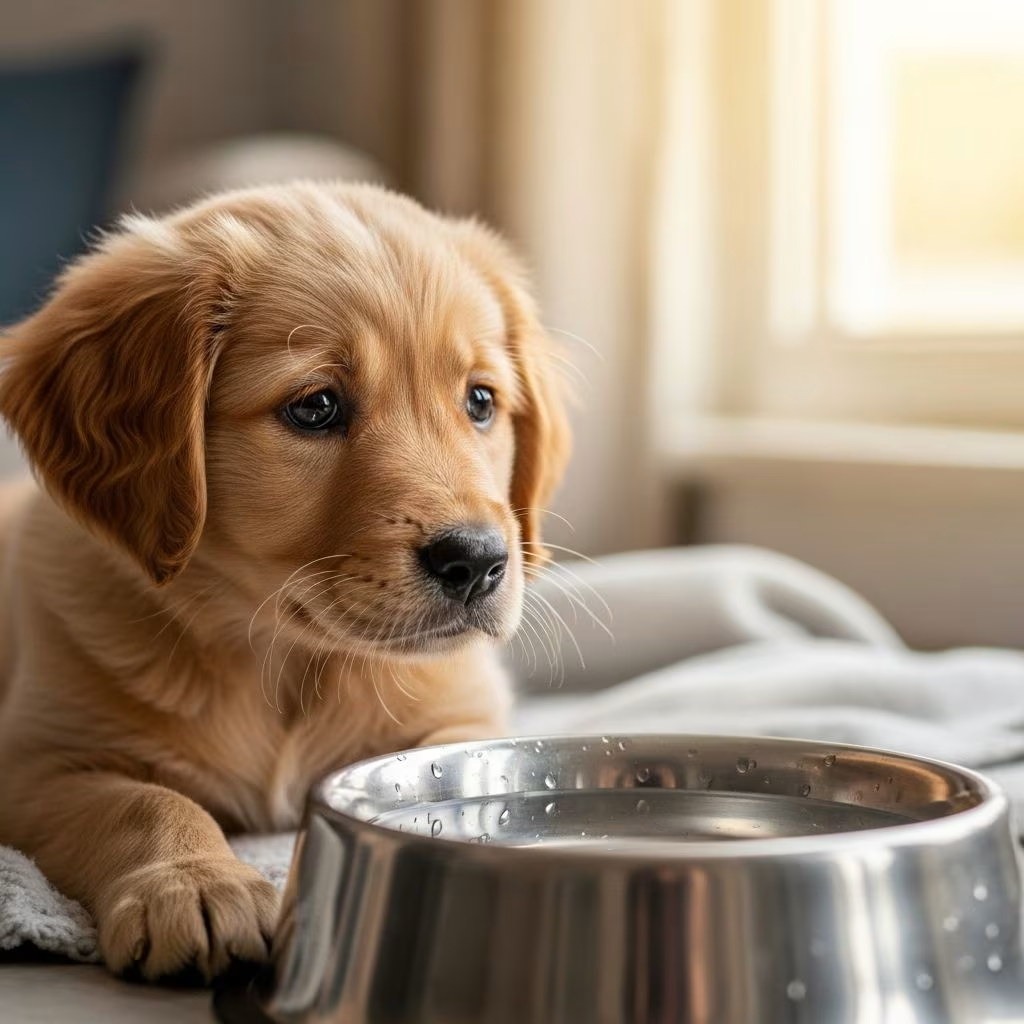
Puppies are vulnerable to numerous health challenges during their early developmental stages, and dehydration stands as one of the most serious concerns that new dog owners must understand. Unlike adult dogs, young puppies have different physiological needs and lesser ability to regulate fluid balance, making them more susceptible to dehydration. This condition occurs when a puppy loses more fluids than they consume, disrupting the delicate balance necessary for proper organ function and overall health. Recognizing the warning signs and understanding how to respond quickly can mean the difference between a minor health scare and a serious medical emergency.
Recognizing the Physical Indicators of Puppy Dehydration
Identifying dehydration in puppies requires familiarity with the physical changes that occur as fluid levels drop. These signs can develop gradually or appear suddenly depending on the severity and cause of fluid loss. Vigilant owners who understand these indicators can seek veterinary care before the condition becomes critical.
Skin Elasticity Changes represent one of the most reliable diagnostic methods for detecting dehydration at home. When you gently pull the skin at the back of your puppy’s neck or along their spine, properly hydrated skin snaps back into place almost immediately. In dehydrated puppies, the skin remains elevated or returns very slowly to its normal position, a condition known as “skin tenting.” This occurs because the loss of fluids causes the skin to lose its natural plumpness and resilience.
Oral and Nasal Changes become apparent as dehydration progresses. A well-hydrated puppy maintains moist gums and a wet nose. As fluid loss increases, the gums become dry, sticky, and may develop a pasty appearance due to thickened saliva—a condition veterinarians call xerostomia. The nose similarly transitions from its normal moist state to a noticeably dry texture.
Ocular Symptoms involving the eyes can indicate moderate to severe dehydration. Affected puppies often develop a sunken or dull appearance in their eyes, which lose the bright, alert quality characteristic of healthy young dogs. In severe cases, the eyes may appear significantly recessed into the sockets.
Behavioral and Physiological Changes accompany visible physical signs. Dehydrated puppies frequently display excessive panting or rapid breathing as their bodies attempt to regulate temperature with insufficient fluid reserves. Loss of appetite commonly occurs, with puppies showing diminished interest in both food and water despite their body’s critical need for hydration. In advanced cases, puppies may become lethargic, unresponsive, or collapse as their systems shut down.
Understanding What Causes Puppy Dehydration
Dehydration develops through various mechanisms, each requiring different preventive approaches. Understanding these causes enables owners to address risk factors specific to their puppy’s situation.
Environmental and Temperature Factors create significant dehydration risk. Puppies exposed to excessive heat, direct sunlight, and high humidity lose fluids rapidly through panting and increased metabolic activity. Young dogs lack the fully developed thermoregulation systems of adult canines, making them particularly vulnerable during warm weather. Even brief outdoor activities during peak heat hours can result in substantial fluid loss if puppies lack adequate shade and water access.
Activity Level and Exercise Demands drive increased water requirements. Active puppies engaged in play, training, or outdoor exploration burn through their fluid reserves quickly. Running, jumping, and sustained physical exertion elevate body temperature and trigger compensatory panting, both mechanisms through which puppies lose fluids. Puppies that exercise regularly, especially in warm conditions, need frequent hydration breaks and constant water availability.
Illness-Related Fluid Loss represents one of the most serious dehydration causes in puppies. Gastrointestinal disorders involving vomiting or diarrhea can deplete fluid reserves rapidly. Even brief episodes of digestive upset can lead to significant dehydration because the body loses both water and essential electrolytes through these routes. Fever from infections increases metabolic demands and causes fluid loss through increased panting and perspiration. Certain viral infections, particularly parvovirus in unvaccinated or incompletely vaccinated puppies, cause severe vomiting and bloody diarrhea that quickly results in dangerous dehydration levels. Other medical conditions affecting fluid balance, such as early-stage kidney or endocrine disorders, may also contribute to dehydration risk.
Insufficient Fluid Intake occurs when puppies simply don’t consume adequate water. Young puppies may forget to drink during exciting play sessions or fail to recognize their thirst signals. Some puppies show natural reluctance toward water, particularly if they’re not accustomed to drinking from specific bowl types. Environmental factors such as lack of accessible water sources or water that becomes warm and unappealing can also result in inadequate intake.
Dietary Factors influence hydration status significantly. Puppies consuming exclusively dry kibble without supplemental water sources lose more fluids than those with mixed diets. Dry food provides minimal moisture compared to wet or fresh food options that contain substantial water content.
Immediate Response When Dehydration Is Suspected
Prompt action becomes essential when dehydration symptoms appear. The appropriate response depends on dehydration severity.
Mild Dehydration Management can sometimes be addressed at home while arranging veterinary consultation. Offer your puppy small amounts of water to drink every few minutes rather than large quantities at once, as excessive water consumption can trigger vomiting and worsen dehydration. Pieces of ice can provide palatable hydration options that puppies may accept readily. Electrolyte replacement solutions specifically formulated for dogs can help restore essential minerals alongside fluid replacement. However, even mild dehydration warrants veterinary evaluation to identify underlying causes and ensure proper recovery.
Moderate to Severe Dehydration demands immediate professional veterinary care. If your puppy displays signs of shock, heatstroke, severe lethargy, or the dehydration symptoms are progressing rapidly, contact your veterinarian or emergency animal hospital immediately. Do not delay seeking care, as severe dehydration can cause organ failure and prove fatal if untreated.
Professional Treatment Approaches
Veterinary treatment for puppy dehydration varies based on severity and underlying causes.
Fluid Replacement Therapies form the foundation of medical treatment. For mild cases, veterinarians may recommend monitored oral rehydration under supervision. More severe dehydration typically requires fluid administration through intravenous (IV) or subcutaneous routes. Intravenous fluids delivered directly into the bloodstream work most rapidly to restore hydration and correct electrolyte imbalances. Subcutaneous fluids, administered under the skin, provide effective rehydration for less critical cases, allowing fluids to absorb gradually into circulation. These professional approaches achieve rehydration far more effectively than home water administration alone.
Addressing Root Causes forms an equally important treatment component. Veterinarians must identify and treat the underlying condition causing dehydration, whether infectious disease, gastrointestinal illness, metabolic disorder, or other medical issue. Without addressing the cause, dehydration may recur even after successful fluid replacement.
Diagnostic Testing often accompanies dehydration treatment. Blood work and other diagnostic tests help veterinarians identify underlying illnesses, assess organ function, and determine whether chronic conditions contribute to dehydration risk.
Prevention Strategies for Maintaining Puppy Hydration
Preventing dehydration proves far easier than treating it, requiring consistent attention to your puppy’s hydration needs.
| Prevention Strategy | Implementation Details |
|---|---|
| Constant Water Availability | Maintain multiple water bowls in different locations. Provide fresh, clean water daily and change it regularly, especially during hot weather. |
| Environmental Management | Limit outdoor activities during peak heat hours. Provide adequate shade during outdoor time. Avoid strenuous exercise in hot or humid conditions. |
| Activity Monitoring | Offer water breaks during play and exercise. Supervise activity levels in warm weather. Ensure cooling periods between intense play sessions. |
| Dietary Optimization | Consider adding wet food or water to dry kibble. Incorporate moisture-rich foods into regular meals. Adjust diet based on activity level and environmental conditions. |
| Health Maintenance | Maintain current vaccination status to prevent infectious diseases. Schedule regular veterinary check-ups. Address illness symptoms immediately before dehydration develops. |
Year-Round Hydration Practices protect puppies regardless of season. Always maintain fresh, accessible water sources throughout your home and yard. Change water frequently to ensure palatability, and consider using multiple bowl locations to encourage drinking. Some puppies prefer running water from fountains, which can be encouraged by providing water fountains designed for pets.
Heat Management During Warm Months becomes critical during summer. Schedule outdoor activities during cooler morning and evening hours, avoiding peak heat periods. Provide adequate shade and water breaks during outdoor play. Consider reducing exercise intensity on particularly hot or humid days. Some puppies benefit from cooling aids such as ice-based treats or wet towels for resting.
Dietary Adjustments for Hydration support overall fluid intake. Adding water or broth to dry kibble increases moisture content and encourages consumption. Incorporating wet food portions into regular meals provides substantial hydration benefits, as wet formulas contain up to 80% water content. These dietary modifications particularly benefit puppies that don’t instinctively drink adequate amounts.
Active Monitoring and Early Intervention catch developing problems before they become serious. Familiarize yourself with normal puppy behavior and appearance so you notice subtle changes indicating potential dehydration. Monitor activity levels, appetite, and water consumption regularly. Recognize early warning signs such as decreased enthusiasm for play, reluctance to drink, or minor appetite changes that might signal developing problems. Schedule routine veterinary check-ups that allow your veterinarian to assess hydration status and identify underlying health conditions that might contribute to dehydration risk.
Special Considerations for Young Puppies
Very young puppies, particularly those under 8 weeks of age, face heightened dehydration risks due to their immature regulatory systems and dependence on mothers for hydration cues. These youngest puppies require careful monitoring and frequent water access. Orphaned puppies bottle-fed with formula need additional attention to ensure adequate fluid intake. As puppies transition to solid food, introduction of wet food alongside dry kibble helps maintain hydration during this vulnerable developmental phase.
Vaccination and Disease Prevention merit special emphasis for dehydration prevention. Complete vaccination protocols protect puppies from dangerous infectious diseases that frequently cause severe dehydration. Ensuring puppies complete full vaccination series before exposure to public areas significantly reduces dehydration risk from viral illnesses.
Frequently Asked Questions About Puppy Dehydration
How much water should a puppy drink daily? Puppies typically require approximately 0.5 to 1 ounce of water per pound of body weight daily, though this varies based on age, activity level, diet, and environmental conditions. Always ensure water remains constantly available rather than forcing specific quantities.
Can I give my puppy electrolyte solutions designed for humans? No—use only electrolyte solutions specifically formulated for dogs. Human electrolyte products may contain ingredients inappropriate for canine physiology and could worsen the situation.
What’s the difference between normal panting and dehydration-related panting? Normal panting occurs during play or heat exposure and subsides when the puppy rests in cool environments. Dehydration-related panting persists even at rest and accompanies other symptoms such as dry gums, dry nose, or behavioral changes.
How quickly does puppy dehydration develop? Dehydration severity depends on the cause. Illness-related dehydration from vomiting or diarrhea can develop rapidly, sometimes within hours. Heat-related dehydration develops more gradually but still requires prompt intervention.
Should I restrict water intake if my puppy has diarrhea? No—continue providing water, though offer it in small, frequent amounts rather than large quantities at once. Consult your veterinarian for specific guidance based on diarrhea cause and severity.
References
- Dog Dehydration: Signs, Causes, Treatment and Prevention — Loveland Regional Veterinary Medical Center. 2024. https://lovelandregional.com/blog/dog-dehydration/
- Dehydration in Dogs: Symptoms, Causes and Treatment — Warrick Veterinary Clinic. 2024. https://warrickvet.com/blog/dehydration-dogs/
- Signs of Dehydration in Dogs & What You Should Do — Northeast Veterinary Medical Center. 2021. https://www.northeast-vet.com/site/pet-care-blog-plains-vet/2021/01/25/dehydration-in-dogs-causes-symptoms-treatment
- Dehydration in Dogs – Symptoms, Causes, and Treatments — Memphis Veterinary Specialists. 2020. https://www.memphisveterinaryspecialists.com/site/blog-cordova/2020/08/14/dehydration-in-dogs-causes-symptoms-treatment
- Dehydration in Dogs: Symptoms, Causes, Treatments — Wellness Pet Food. 2024. https://www.wellnesspetfood.com/blog/dehydration-in-dogs-symptoms-causes-treatments/
- Is My Dog Dehydrated? — PetMD. 2024. https://www.petmd.com/dog/symptoms/is-my-dog-dehydrated



