

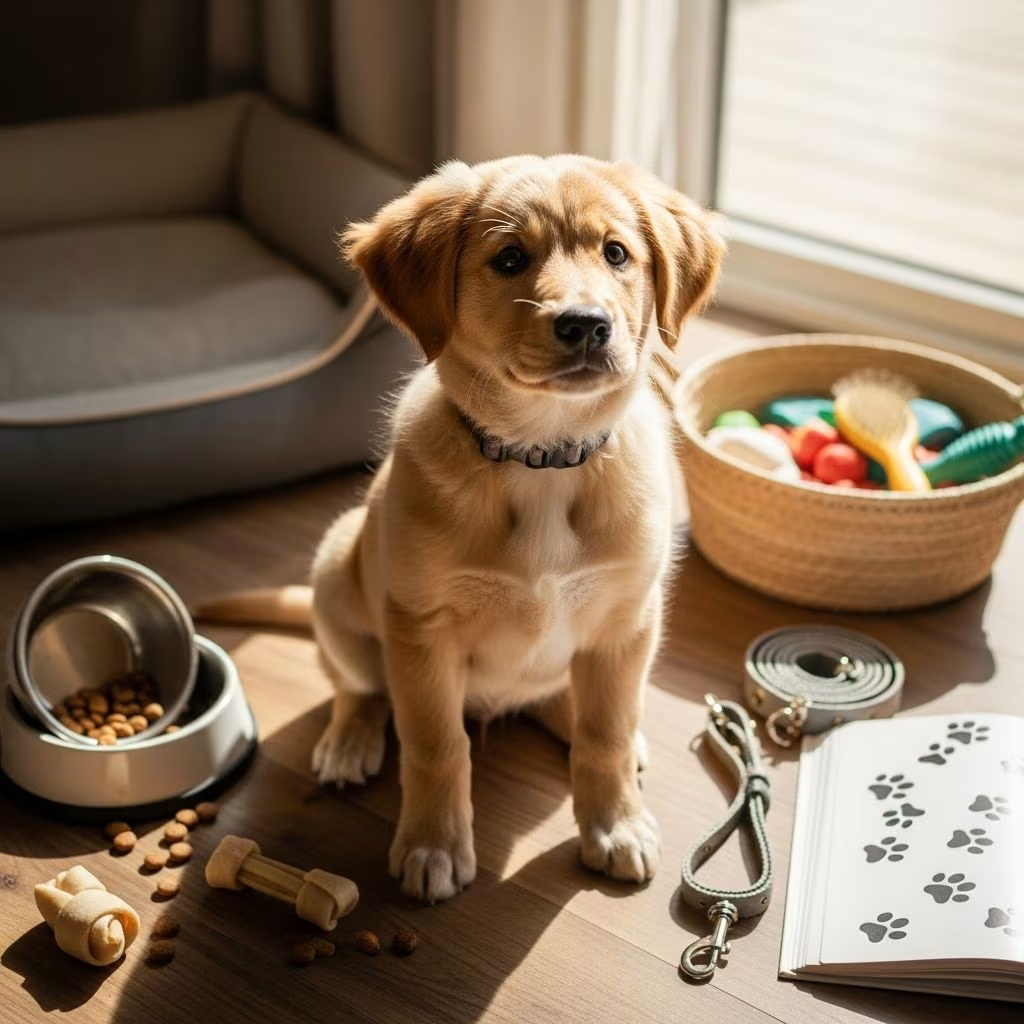
Establishing a consistent daily routine is essential for your puppy’s development, helping them feel secure while teaching vital skills like potty habits, impulse control, and social manners. This guide provides age-appropriate schedules from 8 weeks onward, drawing on expert recommendations for balanced growth.
Why Routines Matter for Young Dogs
Puppies thrive on predictability, which reduces anxiety and promotes faster learning. A structured day incorporates frequent potty opportunities, regular meals, short training bursts, playtime, and ample rest. According to veterinary experts, training begins effectively at 8 weeks, with peak learning between 6 and 16 weeks. Consistent routines prevent common issues like accidents indoors or excessive barking.
Key benefits include improved bladder control, better focus during lessons, stronger owner bonds, and exposure to new experiences without overwhelm. Adjust based on breed size—small pups may need more frequent feeds, while larger ones build stamina quicker.
Building Blocks of a Puppy Day
Every routine revolves around core elements tailored to age:
- Potty Breaks: Frequency equals age in months plus one (e.g., 3-month-old: every 3-4 hours).
- Meals: 3-4 times daily for young pups, reducing as they age.
- Training: 5-15 minute sessions, 2-3 times per day using positive rewards.
- Play and Exercise: Structured games to burn energy and teach commands.
- Naps and Crate Time: Puppies sleep 18-20 hours daily; use crate for security.
- Socialization: Controlled introductions to people, sounds, and environments.
8-10 Week Puppy Schedule: Foundations First
At this stage, focus on settling in, name recognition, and basic potty success. Pups this young have tiny bladders and short attention spans.
| Time | Activity | Tips |
|---|---|---|
| 6:00 AM | Potty break, then breakfast | Use high-value treats for outdoor success. |
| 6:30 AM | Short play (tug or fetch) | Practice “sit” before tossing toy. |
| 7:00 AM | Nap in crate | Leave door open initially with toys. |
| 8:30 AM | Potty, quick training (name, sit) | 5 minutes max; end positively. |
| 9:00 AM | Nap | Monitor for whining signaling potty need. |
| 10:30 AM | Potty, mid-morning meal | Feed in bowl after “sit-stay.” |
| 11:00 AM | Gentle walk or yard exploration | Introduce leash loosely. |
| 12:00 PM | Nap | Aim for 2-hour rests. |
| 2:00 PM | Potty, training (come when called) | Use meals as lures. |
| 2:30 PM | Play session | Supervised chew toys for teething. |
| 3:30 PM | Nap | Crate with familiar blanket. |
| 5:00 PM | Potty, dinner | Same routine as breakfast. |
| 5:30 PM | Evening walk/socialization | Observe calm dogs from distance. |
| 6:30 PM | Quiet time/nap | Dim lights to signal wind-down. |
| 8:00 PM | Potty, final training | Review day’s commands. |
| 8:30 PM | Bedtime routine | Last potty; crate overnight. |
This schedule ensures 10-12 potty trips, vital as pups can’t hold long. Gradually close crate door during naps.
11-16 Week Schedule: Adding Skills
Bladders strengthen; extend breaks to 4-5 hours. Introduce commands like “down,” “stay,” and leash manners.
- Wake-up potty and feed at 6:30 AM.
- Morning training: Combine sit-stay-come (10 mins).
- Three meals with earned access.
- Afternoon socialization: Pet store visits, new sounds.
- Evening: Threshold training (sit at doors).
- Bed by 9 PM; night potty if needed.
Sessions grow to 10 minutes; practice impulse control by delaying meals. Puppy classes ideal now post-vaccines.
4-6 Month Schedule: Building Stamina
Juvenile phase brings energy surges. Focus on duration (longer stays), recalls amid distractions, and group play.
| Focus Area | Daily Integration | Goal |
|---|---|---|
| Potty | Every 4-6 hours | Accident-free nights. |
| Training | 3×15 mins | Heel, leave-it. |
| Exercise | 30-min walks + fetch | Prevent chewing issues. |
| Social | Controlled puppy meets | Confident interactions. |
Reduce feeds to 3; naps shorten to 12-14 hours total sleep.
6-12 Month Schedule: Teen Refinement
Adolescent pups test boundaries. Reinforce basics, add off-leash reliability, and advanced cues like place.
- Potty: Overnight success standard.
- Training: 20-min sessions, distraction-proof.
- Play: Structured fetch/tug for drop-it.
- Social: Diverse exposures weekly.
Consistency prevents regression; track progress in a journal.
Nutrition and Health in Routines
Align meals with potty/training for synergy. Puppies need puppy-formulated food; transition at 12 months. Hydration follows same schedule—wait for sit before bowls. Vet check-ups ensure growth aligns with activity levels.
Socialization Essentials
Expose gradually: 100+ positive experiences by 16 weeks. Include urban sounds, surfaces, people types. Supervise playdates; interrupt roughhousing. Classes provide safe peer practice.
Common Challenges and Fixes
- Night Whining: Ignore if pottied; comfort daytime.
- Leash Pulling: Stop walking; reward slack.
- Biting: Redirect to toys; timeout if persistent.
- Regression: Revert to prior schedule temporarily.
Positive reinforcement trumps punishment. Short, fun sessions yield best results.
Sample Weekly Adjustments
Rotate socialization: Monday park sounds, Wednesday car rides. Weekend puppy playgroups. Always prioritize rest—overtired pups misbehave.
FAQs
What if my puppy resists the crate?
Make it inviting with treats/meals; progress slowly.
How often should I train daily?
2-4 short sessions; quality over quantity.
When to start classes?
8-12 weeks for socialization, 12-16 for skills post-vaccines.
Can I adjust for work schedules?
Yes; use dog walkers or cams, but maintain potty consistency.
What about breed differences?
High-energy breeds need extra play; consult breed standards.
Long-Term Success Tips
Beyond year one, maintain core routine while adding complexity. Annual reviews ensure habits stick. Patient owners see thriving adults.
References
- Complete Puppy Training Schedule by Age — The Puppy Academy. 2020-08-24. https://www.thepuppyacademy.com/blog/2020/8/24/complete-puppy-training-schedule-by-age
- Puppy Training Schedule: A Week-by-Week Guide — Proven Dog Training. N/A. https://www.provendogtraining.com/puppy-training-schedule-week-by-week-guide/
- Puppy Training Guide: How and When To Start — PetMD. N/A. https://www.petmd.com/dog/general-health/when-start-training-puppy
- Puppy Training Guide & Behavior Timeline — Spot & Tango. N/A. https://www.spotandtango.com/blog/puppy-training-guide
- Puppy Training Timeline — American Kennel Club. N/A. https://www.akc.org/expert-advice/training/puppy-training-timeline-teaching-good-behavior-before-its-too-late/



