

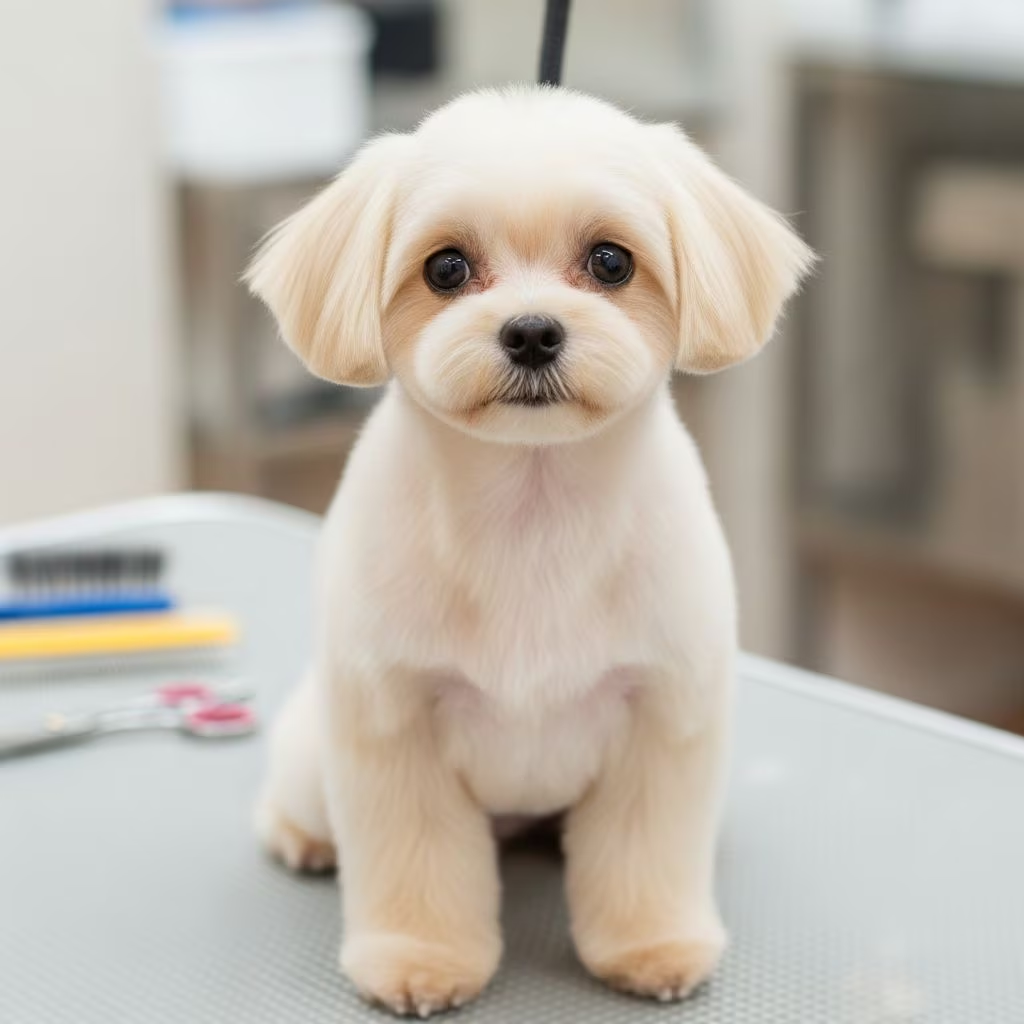
The puppy cut stands out as one of the most requested dog grooming styles due to its simplicity and charm. This uniform trim shortens a dog’s coat to roughly 1-2 inches across the body, creating a plush, even appearance that suits dogs of various ages and breeds. Originating from poodle show grooming, it has evolved into a practical choice for everyday pet care, emphasizing comfort over elaborate styling.
Defining the Puppy Cut Style
At its core, the puppy cut involves clipping the entire body to a consistent short length, typically between 1 and 2 inches, using clippers with appropriate guards. This results in a rounded, fluffy look reminiscent of a young pup’s natural coat. Key areas like the face, ears, paws, and tail receive light shaping to maintain neatness without sharp lines. Unlike breed-specific clips, this style prioritizes uniformity and ease.
Variations exist because no universal standard governs the puppy cut outside poodles. For instance, some groomers leave legs slightly longer for added fluffiness, while others keep everything precisely even. Body length often serves as the baseline, with the head blended to match seamlessly. This flexibility makes it adaptable but requires clear communication with professionals.
Historical Roots and Modern Appeal
The term traces back to competitive dog showing, where young poodles needed a tidy yet protective coat during their growth phase. The original version featured medium torso length, fluffier legs, and pom-poms on the head and tail, with shaved face and feet. As grooming practices spread, pet owners adopted a simplified version for non-show dogs, focusing on low upkeep.
Today, its popularity stems from practicality. It reduces shedding, prevents matting, and allows better temperature regulation. Owners appreciate the teddy-bear aesthetic that emerges naturally, making dogs appear youthful and approachable regardless of age.
Best Dog Breeds for This Grooming Choice
- Poodles: As the origin breed, they thrive with this cut’s balance of style and manageability, especially toys and minis.
- Shih Tzus: Their flowing coats benefit from shortening to avoid tangles while retaining a fluffy face.
- Maltese: Fine, silky hair stays neat and knot-free at this length.
- Yorkies: Active lifestyles pair well with the reduced maintenance.
- Bichon Frises: Curly textures shorten evenly to highlight their cheerful expression.
- Lhasa Apsos: Long guard hairs simplify into a comfortable, everyday trim.
- Havanese and Pomeranians: Double coats gain ventilation without losing plushness.
While versatile, it’s ideal for breeds with continuously growing or medium-to-long fur. Short-haired breeds may not see much change, and wire coats might require adjustments.
Advantages of Choosing a Puppy Cut
This style offers multiple benefits for dogs and owners alike.
- Simplified Care: Less frequent brushing curbs mats, saving time weekly.
- Comfort in Heat: Shorter fur promotes airflow, crucial for small or active dogs in warm climates.
- Hygiene Boost: Exposed skin around paws, ears, and sanitary areas reduces debris buildup.
- Universal Cuteness: The rounded silhouette flatters most face shapes, enhancing photogenic appeal.
- Cost-Effective: Fewer professional visits compared to high-maintenance elaborate cuts.
For small breeds prone to overheating or owners with busy schedules, it strikes an optimal balance.
Comparing Puppy Cut to Similar Styles
To choose wisely, understand how it stacks up against alternatives. The table below outlines key differences:
| Style | Coat Length | Maintenance Level | Best For |
|---|---|---|---|
| Puppy Cut | 1-2 inches all over | Low | All-purpose, fluffy look |
| Teddy Bear Cut | 2-4 inches, rounded face | Moderate | Doodles, emphasis on head shape |
| Kennel Cut | 0.5-1 inch, very uniform | Very Low | Outdoor, high-activity dogs |
| Summer Cut | Under 1 inch body | Minimal | Hot weather, thick coats |
| Breed Standard | Varies widely | High | Shows, traditional appearances |
The puppy cut sits in the middle: fluffier than a kennel but simpler than teddy bear styles.
Step-by-Step Guide to Achieving the Look
Professional groomers follow a methodical process:
- Prep the Coat: Bathe, dry thoroughly, and detangle with a slicker brush.
- Clip Body: Use #7 or #5 blade with 1-inch guard for even coverage from neck to tail base.
- Shape Legs and Feet: Round legs slightly longer, trim pads clean.
- Face and Ears: Scissor or clip to match body, feathering around eyes softly.
- Tail and Sanitary: Light trim for neatness, avoiding over-shaving.
- Finish: Blend transitions with thinning shears, trim nails, clean ears.
Home attempts need quality tools like cordless clippers and combs for safety.
Home Maintenance Essentials
Even with professional cuts, routine care preserves the style:
- Brushing: 2-3 times weekly with a pin brush to distribute oils.
- Bathing: Monthly using oatmeal-based shampoos to avoid drying.
- Trims: Every 6-8 weeks; touch up paws and face biweekly.
- Eye and Ear Care: Wipe daily to prevent staining or infections.
- Nails: Grind or clip every 3-4 weeks.
Consistent habits extend time between full grooms.
Potential Drawbacks and Solutions
No style is perfect. Shorter coats expose skin to sunburn—apply pet-safe sunscreen. Growing out unevenly can look scruffy; plan regrows promptly. Sensitive dogs might nick during clipping; seek experienced groomers. For double-coated breeds, consult vets to avoid over-trimming insulation.
Professional Tips for Optimal Results
Bring reference photos to align expectations, as interpretations vary. Specify lengths (e.g., “1.5 inches everywhere”). Schedule during cooler months for initial adaptation. Pair with dental checks for full wellness.
Frequently Asked Questions
Can any dog get a puppy cut?
Yes, though best for long-coated breeds. Short-haired dogs gain little benefit.
How often is touch-up needed?
Every 6-8 weeks, faster for rapid growers like poodles.
Is it the same as a teddy bear cut?
No—teddy bear emphasizes longer, sculpted faces.
Can I do it at home?
Possible with practice, but pros ensure evenness and safety.
Does it help with shedding?
Yes, by shortening loose undercoat capture.
Conclusion
Embracing a puppy cut transforms grooming into a breeze while keeping your dog irresistibly cuddly. Its adaptability across breeds and lifestyles cements it as a top choice for modern pet parents.
References
- What Is a Puppy Cut? Dog Grooming Style Guide — Boops N’ Bubbles. 2023. https://www.boopsnbubbles.com/puppy-cut
- What is a Puppy Cut? — Uncanny Animals. 2023. https://www.uncannyanimals.com.au/blogs/news/what-is-a-puppy-cut
- The Puppy Cut — Whole Pet Pros. 2023. https://www.wholepetpros.com/the-puppy-cut/
- What is a Puppy Cut or Teddy Bear trim? — AllGroom. 2023. https://allgroom.co.nz/blogs/blades/what-is-a-puppy-cut-or-teddy-bear-trim
- What Is a True Puppy Cut? Read This Before You Ask for One — Rover. 2023. https://www.rover.com/blog/what-is-a-puppy-cut/



