

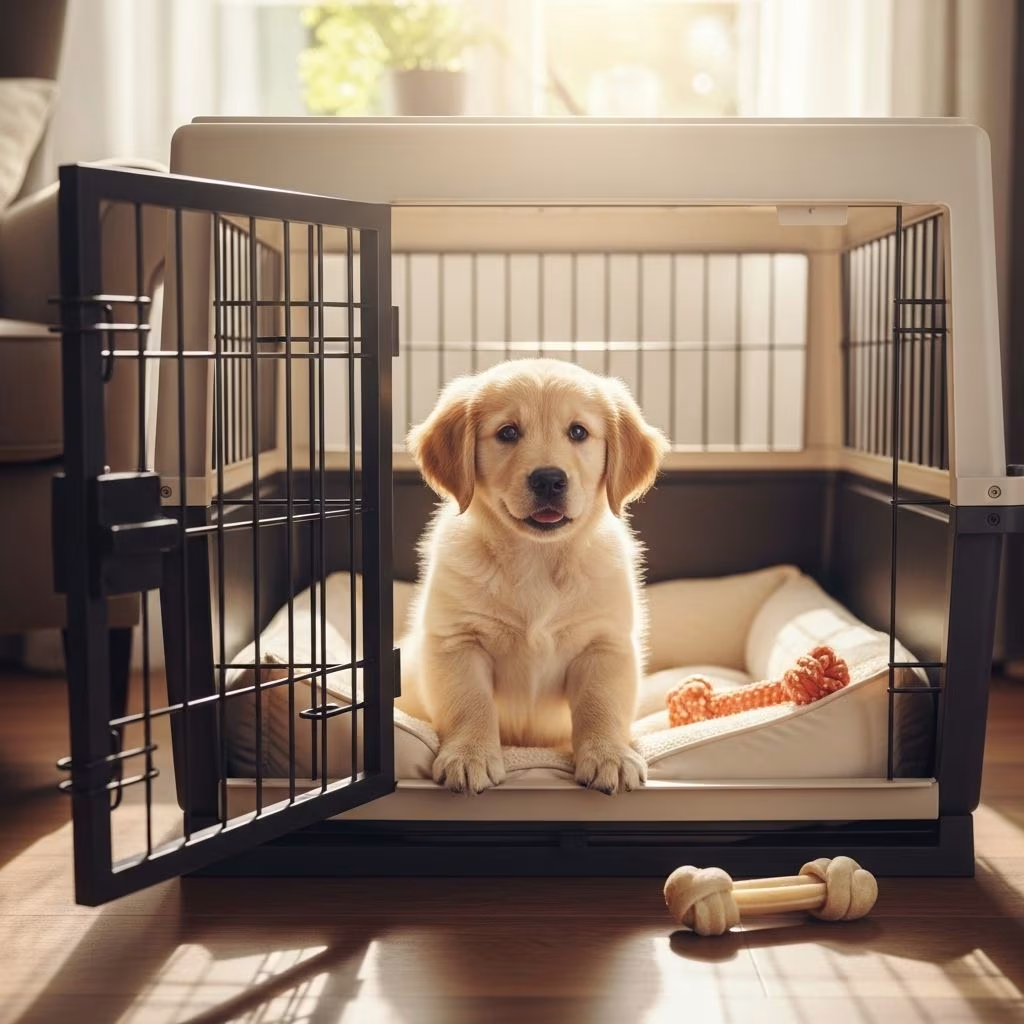
Understanding the appropriate duration for crating puppies is crucial for their physical comfort, bladder control development, and overall well-being during house training. Puppies have limited holding capacity based on age, and exceeding these limits can lead to accidents, anxiety, or health issues. General rules suggest starting with short sessions and gradually building tolerance while balancing crate time with play and potty breaks.
Age-Based Maximum Crate Durations
Puppies’ ability to stay crated without soiling improves as they mature, primarily tied to bladder and bowel maturity. For the youngest puppies, sessions must be brief to match their physiology.
| Age Range | Max Daytime Crate Time | Notes |
|---|---|---|
| 8–10 weeks | 30–60 minutes | Frequent potty breaks essential; use for naps only. |
| 11–14 weeks | 2 hours | Monitor for whining; provide water bottle for longer stays. |
| 15–16 weeks | 3 hours | Ideal for short absences; combine with exercise pen for longer needs. |
| 17+ weeks (4 months+) | 4 hours | Daytime max; overnight up to 6–8 hours possible with training. |
| 6 months+ | 6 hours | Adults can handle 6–8 hours daytime, 8 overnight. |
These limits prevent soiling, which can hinder potty training progress. Daytime crating should never exceed 4 hours for any dog to avoid behavioral issues, with alternatives like puppy-proofed rooms for extended absences.
Why Time Limits Matter for Puppy Health
Exceeding crate durations risks urinary tract infections, digestive upset, and stress-related behaviors like excessive barking. Young puppies’ bladders hold urine for roughly one hour per month of age, plus one, so an 8-week-old (2 months) manages about 3 hours max, though practically less during active hours. Crating promotes rest, mimicking den instincts, but overuse leads to resentment. Balance with the 2:1 rule: two hours crated followed by one hour out for play and relief.
Building a Puppy Crate Training Schedule
A structured routine integrates crate time with meals, play, and elimination to foster positive associations and reliability. Adjust for your lifestyle, ensuring frequent outings.
| Time | Activity |
|---|---|
| 7:00 AM | Potty, breakfast, short play |
| 8:00–10:00 AM | Crate nap |
| 10:00 AM | Potty, exercise/training |
| 11:30 AM–1:30 PM | Crate rest |
| 1:30 PM | Potty, lunch, play |
| 2:30–4:30 PM | Crate nap |
| 4:30 PM | Potty, dinner prep/play |
| 6:30–8:00 PM | Crate wind-down |
| 8:00 PM | Final potty, bedtime crate |
This sample supports naps aligning with natural sleep cycles (16–18 hours daily for young pups). Incorporate enrichment toys during crate time to prevent boredom.
Step-by-Step Crate Training Process
Introduce the crate gradually over days or weeks, making it a rewarding space. Patience varies by puppy temperament.
- Select the Right Crate: Size allows standing, turning, and lying down comfortably. Plastic or wire varieties work; divider for growth.
- Positive Introduction: Place treats, toys, and a blanket inside. Lure with food; praise entry without closing door.
- Short Sessions: Feed meals inside, close door briefly (seconds), offering treats through bars. Build to 1 minute.
- Extend Alone Time: Sit nearby 5–10 minutes, then step away briefly. Repeat, increasing to 30 minutes out of sight.
- Practice Departures: Tire puppy with exercise, then crate for 2–4 hours max. Vary durations randomly.
- Nighttime Routine: Crate in bedroom initially for reassurance; move gradually.
Ignore whining unless potty-related; responding reinforces it. Success signs: quiet settling and sleep.
Common Mistakes and Fixes
- Too Large Crate: Puppy uses corner as bathroom. Solution: Proper sizing or divider.
- Rushing Training: Skipping steps causes fear. Fix: Small increments only.
- No Exercise Before Crating: Leads to restlessness. Always play first.
- Excessive Daytime Use: Over 4 hours risks issues. Use ex-pens for longer.
- Ignoring Signals: Pacing/whining means potty. Respond promptly.
Feed in crate daily for ongoing positivity; even adults benefit.
Long-Term Crate Use and Transition
Continue crating when unsupervised until 2 years old to prevent destructive habits during adolescence. Mature dogs (2+ years) may phase out if reliable, but many retain it for travel/safety. Overnight crating up to 8 hours remains ideal.
Alternatives for Extended Absences
For times beyond crate limits:
- Puppy-proofed kitchen or ex-pen with bedding/toys.
- Dog walker or daycare.
- Water bottle and absorbent pads if needed, but prioritize supervision.
Frequently Asked Questions
How long can a 12-week puppy stay crated?
Up to 2 hours daytime; provide breaks. Overnight longer if trained.
Is overnight crating okay for puppies?
Yes, up to 6–8 hours as they sleep; place near family initially.
What if my puppy cries in the crate?
Ensure needs met (potty, water). Ignore attention-seeking; comfort if genuine distress.
Can I crate an adult dog 8 hours daily?
Max 6–8 hours with exercise breaks; not ideal long-term.
When to stop crate training?
Around 2 years if house-trained and non-destructive; use as needed.
References
- Crate Training Schedule for Puppies and Adults — Rover.com. 2023. https://www.rover.com/blog/blog-crate-training-schedule/
- Puppy Crate Training Packet — Southwest Humane Services (PDF). 2019-03-07. https://southwesthumane.org/media/inxle035/puppy-crate-training-puppy-packet.pdf
- How To Crate Train Your Dog — PAWS.org. Accessed 2026. https://www.paws.org/resources/how-to-crate-train-your-dog/
- Crate Training Your Puppy — UC Davis Veterinary Medicine (PDF). Accessed 2026. https://www.vetmed.ucdavis.edu/sites/g/files/dgvnsk491/files/inline-files/Crate_Training_Your_Puppy.pdf
- Let’s Talk Crates – How long will my dog need one? — Baxter & Bella. Accessed 2026. https://www.baxterandbella.com/post/let-s-talk-crates-how-long-will-my-dog-need-one



