

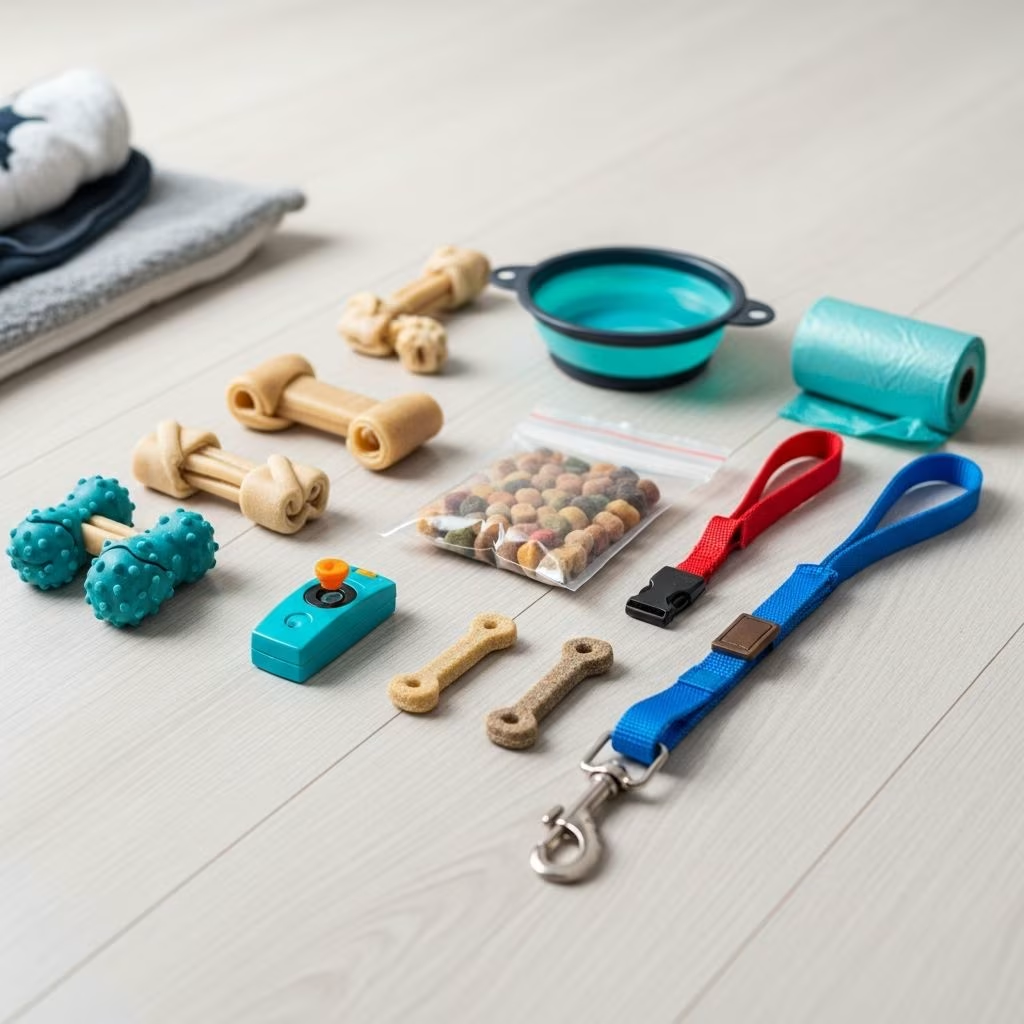
Enrolling your new puppy in obedience class marks an exciting milestone in their development. These sessions provide structured opportunities for learning basic commands, building confidence, and fostering positive social interactions with other dogs and people. To make the most of these classes, thorough preparation is key. This guide outlines the vital supplies to pack, strategies for effective participation, and tips to ensure both you and your pup thrive.
Why Puppy Classes Matter for Early Development
Puppy classes focus on foundational skills during the critical socialization window, typically between 8 and 16 weeks of age. During this period, puppies are highly receptive to new experiences, helping them grow into well-adjusted adults. Structured classes teach impulse control, polite greetings, and responses to cues like sit, stay, and come, reducing future behavioral issues.
Beyond commands, these environments expose pups to diverse stimuli safely, promoting emotional resilience. Owners learn positive reinforcement techniques, which build trust and strengthen the human-dog bond. Starting early prevents problems like fearfulness or over-excitement around others.
Core Supplies for Every Session
Arrive equipped with items that support training, comfort, and safety. Prioritize high-value rewards and familiar gear to keep your puppy engaged and relaxed.
- High-quality treats: Soft, small pieces of puppy-safe food work best for quick rewards. Choose varieties your pup loves to maintain motivation during short attention spans.
- Clicker or marker word: These tools precisely mark desired behaviors, pairing with treats for faster learning. Practice at home first for familiarity.
- Comfortable collar or harness: Ensure proper fit to avoid discomfort. Flat collars suit most pups; harnesses prevent pulling for stronger breeds.
- 6-foot leash: Standard length allows natural movement without tangling. Avoid retractables in class to maintain control.
- Water bottle and bowl: Hydration is crucial, especially after play. Collapsible bowls save space.
Treats and Rewards: Selecting the Best Options
Rewards drive training success. Opt for tiny, soft treats deliverable in seconds to avoid filling up your pup mid-session. Puppy kibble can double as rewards, promoting healthy eating habits.
Vary treats to prevent boredom: mix chicken bits, cheese, or commercial training treats. For food-motivated pups, reserve meal portions for class. Always carry extras for high-distraction moments. Health-conscious choices support nutrition without excess calories.
| Treat Type | Best For | Pros | Cons |
|---|---|---|---|
| Soft meat treats | High motivation | Strong smell, quick to eat | Higher calories |
| Kibble pieces | Daily meals | Balanced nutrition | Less exciting |
| Cheese bits | Picky eaters | Irresistible flavor | Dairy sensitivity risk |
Toys and Enrichment Tools
Interactive toys redirect energy and reinforce calm behavior. Bring 2-3 options: a chew toy for downtime, a tug toy for controlled play, and a puzzle toy for mental stimulation.
Squeaky toys grab attention during recalls, while durable Kongs filled with treats encourage settling. Rotate items weekly to sustain interest. Avoid aggressive play toys in group settings to model politeness.
- Safety tip: Inspect toys for loose parts that could be swallowed.
- Pro tip: Use toys as trade-ups for dropped forbidden items, teaching “leave it.”
Health and Identification Essentials
Vaccination records prove your pup’s health status, a class requirement. Include proof of core shots like distemper and bordetella. Carry a current ID tag on the collar with your contact info.
Pack waste bags, hand sanitizer, and a towel for cleanups. A portable first-aid kit with bandages and styptic powder handles minor scrapes from romping.
Comfort Items for a Stress-Free Experience
Familiar bedding or a blanket provides security in new spaces. A crate cover mutes distractions if crating between turns. Water familiarizes pups with hydration routines amid excitement.
Dress in comfortable clothes and closed-toe shoes for active involvement. Note class location for traffic-aware timing.
Pre-Class Home Preparation Routine
Build foundations at home to boost class performance. Practice name recognition: say the name during meals, rewarding eye contact. Introduce leash walking indoors, luring with treats for loose leash.
Crate train gradually: feed meals inside, associating positivity. Short sessions of sit and down prevent overwhelm. Tire pups with exercise beforehand for better focus.
- Week 1: Name game and handling (paws, ears).
- Week 2: Leash dragging, crate stays.
- Week 3: Basic sits, short stays.
Classroom Etiquette and Participation Tips
Arrive early to settle. Keep distance from other dogs initially. Follow instructor cues; observe before joining. End turns positively, praising heavily.
Manage over-arousal by removing for breaks. Consistency across handlers aids learning. Post-class, review cues at home daily.
Common Challenges and Solutions
Puppies distract easily: shorten sessions, up rewards. Fearful pups need gradual exposure; consult trainers. Over-excited ones benefit from pre-exercise.
| Challenge | Solution |
|---|---|
| Leash pulling | Stop moving, reward slack |
| Ignoring cues | Increase treat value, reduce distance |
| Fear of others | Counter-condition with treats |
Progress Tracking and Home Reinforcement
Log successes: note mastered cues weekly. Use apps or journals. Practice 5-10 minute sessions daily, varying locations. Advance to distractions post-basics.
Socialize safely: controlled meetups post-vaccines. Consistency yields reliable recall, heel, and manners.
Choosing the Right Puppy Class
Seek force-free, positive methods. Check instructor credentials, group size (under 8 ideal), and puppy age limits. Trial sessions confirm fit.
Frequently Asked Questions
What age is best for puppy class?
8-16 weeks, during peak socialization.
Can I bring my unvaccinated pup?
Many require bordetella; confirm with provider.
How often should I practice at home?
3-5 short sessions daily.
What if my pup is shy?
Trainers offer desensitization; don’t force.
Are treats necessary?
Highly recommended for motivation.
Long-Term Benefits of Consistent Training
Investing in puppy class equips your dog for life. Expect fewer vet visits from better handling tolerance and safer walks. Strong bonds reduce separation anxiety. Track growth monthly for adjustments.
References
- Puppy Training 101: Basic Training Guide and Checklist — Rover.com. 2023. https://www.rover.com/blog/puppy-training-guide/
- Puppy’s First Weekend: New Dog Owner Checklist — Nature’s Logic. 2024. https://natureslogic.com/blog/new-pupper-checklist/
- New Puppy Checklist: Essential Tips for Your First Month — Gardens Animal Hospital. 2023. https://www.gardensanimalhospital.com/new-puppy-checklist-what-to-prepare-in-your-first-month-with-your-pup/
- Complete Puppy Training Schedule by Age — The Puppy Academy. 2020-08-24. https://www.thepuppyacademy.com/blog/2020/8/24/complete-puppy-training-schedule-by-age
- To Do List for You and Your New Puppy — McCann Dogs. 2023. https://www.mccanndogs.com/blogs/articles/to-do-list-for-you-and-your-new-puppy
- Puppy Training Timeline: Teaching Good Behavior Before It’s Too Late — American Kennel Club (AKC). 2024. https://www.akc.org/expert-advice/training/puppy-training-timeline-teaching-good-behavior-before-its-too-late/



