

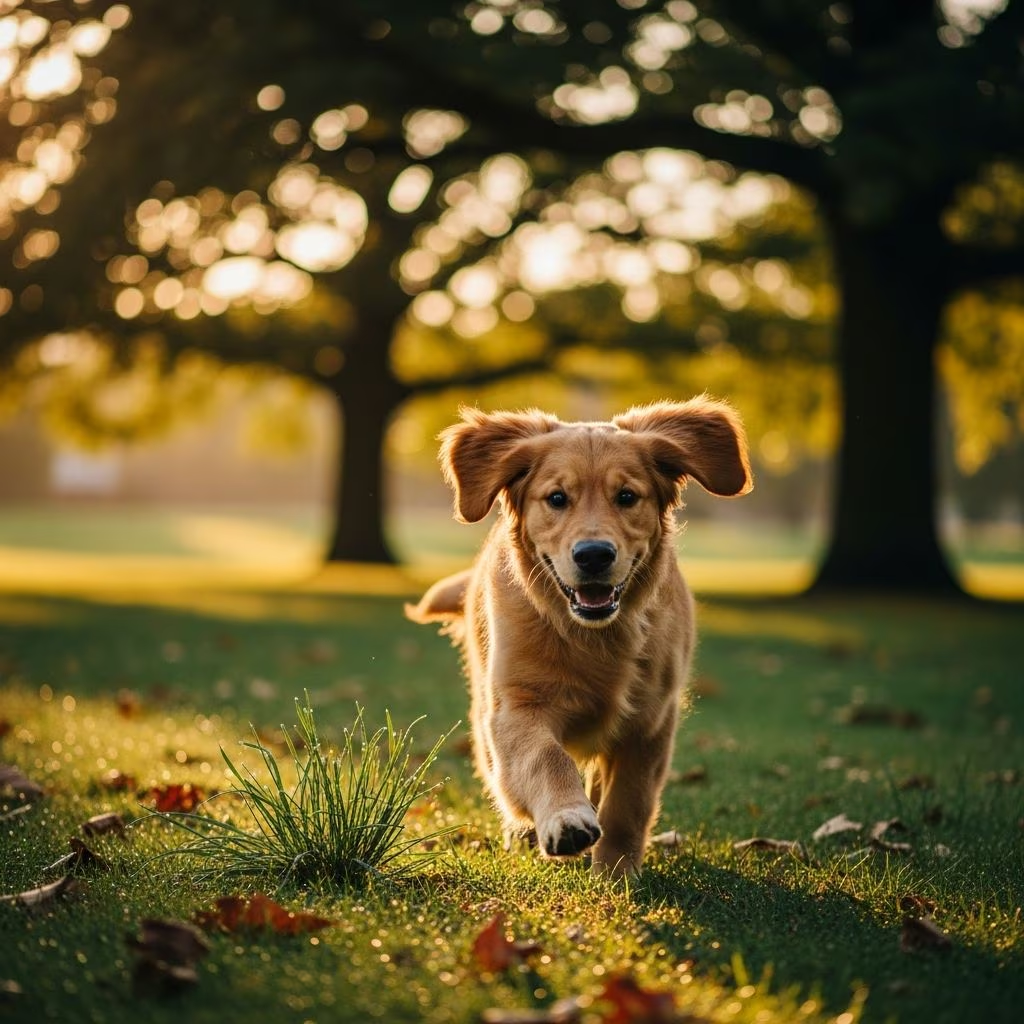
Your puppy between 13 and 18 months is entering a dynamic phase of rapid physical and behavioral changes, often called the adolescent or ‘teenage’ stage. This period marks the shift from playful youth to maturing independence, requiring tailored care in nutrition, exercise, training, and health monitoring to foster a well-adjusted adult dog.
Understanding Adolescent Development
During months 13 to 18, puppies experience significant growth, especially in larger breeds where skeletal development continues. Hormonal shifts can lead to increased energy, testing boundaries, and occasional fear responses. Owners may notice heightened independence, selective listening, and surges in appetite or activity levels. Recognizing these as normal helps in providing consistent guidance.
Physical milestones include closing growth plates around 12-18 months, varying by breed size—small dogs mature faster than giants. Behaviorally, this mimics human adolescence: puppies push limits, forget early training, and explore more boldly.
Nutrition and Feeding Adjustments
Transitioning from puppy to adult food is crucial around this age to match slowing growth rates and prevent obesity. Begin over 7-14 days, mixing gradually: 25% adult food on day 1, increasing weekly. Probiotics aid digestion during changes, reducing upset.
Feed 2 meals daily, following package guidelines based on weight, activity, and breed. Ensure constant fresh water access, changing bowls often as puppies play in them. Avoid table scraps to prevent nutritional imbalances and begging habits.
| Age Range | Meals per Day | Sleep Hours | Potty Breaks | Exercise Minutes |
|---|---|---|---|---|
| 13-18 Months | 2 | 11-16 | 3-4 (hold up to 8 hrs) | 45+ (vet-approved) |
This table outlines a typical daily rhythm, adjustable per individual needs.
Exercise and Activity Essentials
Adolescents need 45+ minutes of structured exercise daily to channel energy and build muscle without joint stress. Opt for pace-controlled activities like fetch, agility basics, or short walks. Consult vets before intense running or hiking, watching for excessive panting or lagging.
- Morning walk: 20-30 minutes brisk pace.
- Midday play: Fetch or tug with toys.
- Evening routine: Calm training or sniffing games.
- Rest periods: Encourage naps to support growth.
Supervise play to prevent overexertion; large breeds benefit from gastropexy discussions if prone to bloat.
Behavior and Training Reinforcement
The ‘teen’ phase brings independence, where puppies may ignore recall or chew inappropriately. Reinforce basics daily: sit, stay, leave it, down, place, and recall using high-value treats and positive methods.
Redirect mouthing/nipping to toys during play—introduce one toy per session. Manage environment: crate or gate off-limits areas, supervise constantly. For fear periods (common 14-18 months in large breeds), pair exposures with rewards, avoiding force.
- Short sessions (5-10 mins) multiple times daily.
- Advanced skills: Leash retrieval, object pickup.
- Socialization: Controlled dog park or daycare visits.
Grooming and Hygiene Routines
Regular grooming maintains coat health and teaches tolerance. Brush 2-3 times weekly to remove tangles and distribute oils. Bathe monthly with puppy-safe shampoo, lukewarm water, avoiding eyes/ears; dry thoroughly to prevent chills.
Nail trims every 2-4 weeks—use dog clippers, rewarding calm. Dental care: Brush 3+ times weekly with enzymatic toothpaste, plus chews to combat tartar. Start vet dental discussions around 12 months.
Health Monitoring and Vet Visits
Schedule check-ups at 12-18 months for vaccines, deworming, and maturity assessments. Discuss spay/neuter (often post-12 months), flea/tick/heartworm preventives. Monitor for first heat in females; separate sexes to avoid pregnancies.
Watch for issues: limping (growth-related), appetite changes, lethargy. Emergency tips: For heatstroke, cool gradually with tepid water, monitor to 103°F.
Spaying, Neutering, and Sexual Maturity
By 13-18 months, most reach sexual maturity. Vets often recommend waiting until 12+ months for spay/neuter, especially large breeds, to allow full growth. Benefits include reduced cancers, roaming; discuss risks like joint issues.
Females: Track heat cycles (every 6 months). Males: Prevent mounting/humping via training.
Daily Schedules for Success
A consistent routine builds security:
- 6 AM: Potty, breakfast, short walk.
- 8 AM: Play/train.
- Noon: Potty, lunch.
- 3 PM: Exercise outing.
- 6 PM: Dinner, calm time.
- 9 PM: Final potty, bedtime.
Potty after meals, naps, play. Crate for naps if needed.
Common Challenges and Solutions
| Challenge | Solution |
|---|---|
| Chewing household items | Provide varied chew toys; supervise and redirect. |
| Forgetful recall | Practice in low-distraction areas; use long lines. |
| Sudden fears | Desensitize gently with treats; no punishment. |
| Energy surges | Mental puzzles + physical exercise. |
FAQs
When should I switch to adult food?
Around 12-18 months; transition slowly over 1-4 weeks with vet input.
Is my puppy’s rebellion normal?
Yes, adolescence brings independence—consistent positive training resolves it.
How much exercise is too much?
45+ minutes structured; avoid high-impact until vet clears, especially large breeds.
What dental care starts now?
Weekly brushing, chews; vet cleanings from 12 months.
Best toys for this age?
Durable chews, puzzle toys for mental stimulation; rotate for interest.
Socialization and Mental Stimulation
Expose to new environments gradually: urban sounds, people, dogs. Enroll in advanced classes for focus. Puzzles, scent games tire mentally, reducing mischief.
By 18 months, your consistent efforts yield a confident companion. Patience through this phase builds lifelong bonds.
References
- Puppy Care Guide for Adopters — Furry Friends Refuge. 2017-10-13. https://furryfriendsrefuge.org/wp-content/uploads/2017/10/puppy-care-updated-10-13-2017.pdf
- Puppy Guide 10-12 Months — Bark.co. N/A. https://bark.co/blogs/bark-post/puppy-guide-10-12-months
- Puppy Guide — Shake A Paw. N/A. https://www.shakeapaw.com/media/filer_public/2a/bd/2abd8dff-7cb2-4daa-98a0-c31ad2ba20de/puppy_guide.pdf
- Puppy Care Guide — Royal Canin. N/A. https://my.royalcanin.com/UserFiles/Digital%20Assets/Start-of-Life/SOL%2023/SOL%20-%20Puppy%20Care%20Guide.pdf
- New Puppy Care: 12-18 Months — PetMD. N/A. https://www.petmd.com/dog/care/new-puppy-care-12-18-months
- Managing Your Adolescent Puppy — RSPCA. N/A. https://www.rspca.org.uk/adviceandwelfare/pets/dogs/health/adolescentpuppies
- Surviving Your Dog’s Teen Months — 3 Lost Dogs. N/A. https://www.3lostdogs.com/just-kill-me-now-surviving-your-dogs-teen-months/



