

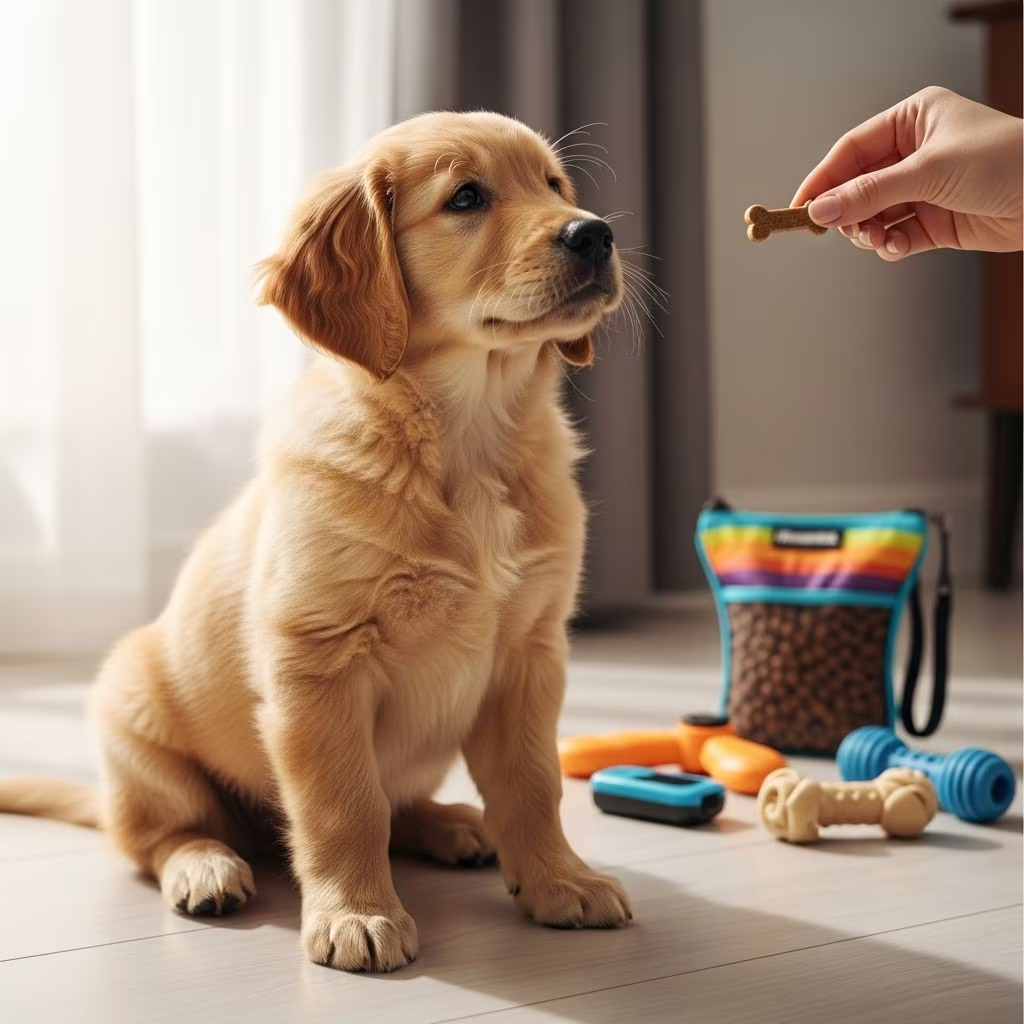
Puppies are born with the capacity to learn from day one, making early training and socialization critical components of their development. Understanding the fundamentals of puppy behavior and establishing effective training practices during these formative months sets the foundation for a well-adjusted, obedient, and behaviorally sound adult dog. This comprehensive guide covers everything new puppy owners need to know about training basics, behavioral development, and positive reinforcement techniques.
When to Start Puppy Training
One of the most common questions new puppy owners ask is when training should begin. The answer is simple: immediately. Puppies begin learning from birth, meaning training should commence as soon as your puppy arrives home, typically around 8 weeks of age. This early start takes advantage of the critical period when puppies are most receptive to learning and socialization.
Early training doesn’t mean intensive obedience sessions. Instead, it involves basic handling, gentle exposure to different environments, and introduction to simple concepts. The key is to keep these initial sessions short and positive, allowing your puppy to develop confidence and trust in their new environment and with their human family members.
The Importance of Socialization
Proper socialization during puppyhood is one of the most critical aspects of raising a well-behaved dog. Socialization involves exposing your puppy to various people, animals, environments, sounds, and experiences in a controlled, positive manner. This process helps prevent behavior problems from developing and builds your puppy’s confidence as they grow.
During the socialization period, typically between 3 and 16 weeks of age, puppies are most receptive to new experiences. Exposing them to different surfaces, sounds, people of various ages and appearances, and other animals creates neural pathways that help them feel comfortable in diverse situations throughout their lives. Puppies that receive adequate socialization tend to exhibit fewer fear-based behaviors and anxiety issues as adults.
Effective socialization includes:
- Meeting people from different backgrounds and appearances
- Exposure to various environments such as parks, busy streets, and different terrain
- Controlled interactions with other vaccinated dogs and animals
- Introduction to common household sounds and appliances
- Positive experiences with veterinary handling and grooming
Foundation Principles of Puppy Training
Start Early and Keep It Brief
The best time to begin training is as soon as your puppy arrives home. Keep initial training sessions short—typically 5 to 10 minutes—to match your puppy’s limited attention span. Young puppies cannot concentrate for extended periods, so multiple short sessions throughout the day are far more effective than one long session.
Stay Calm and Patient
Your demeanor significantly influences your puppy’s learning and behavior. Remaining calm during training sessions creates a positive atmosphere and helps your puppy feel secure. Frustration or anger can confuse your puppy and damage your relationship. Remember that puppies are learning, and mistakes are part of the process.
Maintain Consistency
Consistency is paramount in puppy training. Everyone in your household should use the same commands, hand signals, and reward systems. If one family member uses “sit” while another uses “down” for the same behavior, your puppy becomes confused. Establish clear rules and ensure all caregivers follow them consistently, even when it’s inconvenient.
Use Positive Reinforcement
Positive reinforcement is the only scientifically backed and universally recommended training method for puppies. This approach involves rewarding desired behaviors with treats, praise, toys, or play. Avoid punishment-based methods, including harsh corrections, shock collars, choke collars, or dominance-based techniques. These methods can create fear, anxiety, and behavioral issues that persist into adulthood.
Repeat and Reinforce
Repetition is essential for learning. Practice commands and behaviors regularly in various locations and situations. Consistently reinforcing desired behaviors, even when inconvenient, accelerates learning and prevents confusion about what’s expected.
Essential Basic Commands
Teaching Your Puppy to Sit
Sit is typically the first command puppies learn and serves as a foundation for other training. There are two effective methods for teaching sit: the luring method and the capturing method.
Luring Method:
- Get your puppy’s attention by holding a treat close to their nose
- Slowly move the treat toward the back of their head, which naturally causes them to sit
- The moment their rear touches the ground, say “sit,” give the treat, and praise them calmly
- Timing is critical—reward immediately to create the connection between the cue and behavior
- Repeat multiple times until your puppy sits consistently with the hand motion
- Once they understand the gesture, add the verbal cue “sit” as you make the hand signal
Capturing Method:
- Hold treats and wait for your puppy to naturally sit
- When they sit, immediately say “yes” and give them a treat
- Step backward or sideways to encourage them to stand, then wait for them to sit again
- After several repetitions, begin saying “sit” right as they start to sit
- Gradually phase out food lures once they understand the command
Important note: Never physically push your puppy into a sitting position, as this can be confusing or upsetting.
Teaching Your Puppy to Stay
The stay command teaches your puppy to remain in one position until released. This command enhances safety and helps manage your puppy’s impulses.
- Start with your puppy in a known position such as sit or down
- Place your hand flat in front of their face and give the cue “stay”
- Take one step back while facing your puppy
- If your puppy remains sitting, immediately step forward and reward them
- If they stand, return to them without reward and try again
- Gradually increase the distance you step back over multiple sessions
- Introduce a release word like “free” or “break” to indicate when the stay is finished
- Praise calmly to avoid overexcitement that might disrupt the training
Teaching Your Puppy to Down
The down command is valuable for managing your puppy’s behavior and can be taught after sit is well-established.
- Begin with your puppy in the sitting position
- Hold a small treat close to their nose
- Move the treat down to the ground in front of their front paws
- Slowly drag the treat along the ground as if drawing an “L” shape
- Your puppy should follow the treat and lie down
- As soon as they lie down, praise them calmly and give the treat
- After several sessions, add the verbal cue “down” before they lie down
- Over time, combine down with stay for extended duration behaviors
Teaching Your Puppy to Come
The come command is essential for safety, allowing you to recall your puppy from potentially dangerous situations.
- Sit with your puppy and say their name or “come”
- Each time you say “come,” give your puppy a treat—they don’t need to do anything yet
- Repeat this until they associate the word with rewards
- Drop a treat on the floor near you; as soon as they finish it, say their name
- When they look up, give them another treat
- Once they consistently turn to face you, add movement by tossing a treat and quickly stepping away
- Call your puppy’s name as they run toward you
- Give abundant praise, treats, or play with a toy as reward—make coming fun!
- Gradually build distance and practice in different locations
- When training outside, keep your puppy on a long leash in a secure area initially
Teaching Loose Leash Walking
Loose leash walking prevents pulling and makes outdoor time enjoyable for both you and your puppy.
- First, ensure your puppy is comfortable wearing a leash by giving treats as you put it on each time
- Stand next to your puppy with the leash in a loose loop
- Give several treats in a row for standing or sitting next to your leg
- Take one step forward and encourage them to follow with a treat as they catch up
- Continue giving treats at the level of your knee or hip as you walk forward
- When your puppy runs in front of you, simply turn in the opposite direction
- Call them to you and reward them in place, then continue walking
- Gradually space treats further apart as your puppy improves
- Maintain a positive tone and praise them warmly when they walk with slack leash
- If pulling occurs, stop walking until they calm down before moving forward again
Positive Reinforcement Strategies
Positive reinforcement is the cornerstone of effective puppy training. This approach involves rewarding behaviors you want to encourage, creating a positive association that motivates your puppy to repeat the behavior.
Rewards can include:
- High-value treats (small, soft, aromatic treats work best)
- Enthusiastic verbal praise
- Play with favorite toys
- Physical affection like petting
- Access to activities they enjoy
The timing of rewards is critical. Provide reinforcement immediately—ideally within one second—of the desired behavior to create a clear connection. As your puppy’s understanding improves, gradually reduce treat frequency and increase praise and intermittent rewards.
Avoid punishment-based training methods entirely. These approaches, including harsh corrections and aversive devices, produce fear and anxiety rather than understanding. Dogs trained with punishment methods often develop behavioral issues, fear-based aggression, and anxiety disorders that can persist throughout their lives.
Common Puppy Behaviors
Biting and Mouthing
Puppies explore their world with their mouths, and some degree of mouthing and play biting is normal. However, teaching bite inhibition is crucial. When your puppy bites, calmly remove your hand and redirect their attention to an appropriate toy. Praise them when they chew on appropriate items instead.
Chewing
Destructive chewing often indicates boredom, anxiety, or lack of appropriate outlets. Provide appropriate chew toys and rotate them regularly to maintain interest. Supervise your puppy and redirect them to appropriate toys when they target furniture or household items.
Jumping
Puppies jump to greet people and get attention. Rather than rewarding jumping with attention, teach sit as an alternative greeting behavior. Only give attention when all four paws are on the ground.
Excessive Barking
Some barking is normal communication, but excessive barking may indicate boredom, anxiety, or insufficient mental stimulation. Ensure your puppy gets adequate exercise and mental enrichment daily.
Training Tips for Success
| Training Tip | Description |
|---|---|
| Keep Sessions Short | 5-10 minutes is ideal for puppies; multiple brief sessions are better than one long session |
| Train Before Meals | Your puppy is more motivated by treats when hungry |
| Practice in Different Locations | Generalize training by practicing in various environments and situations |
| Use High-Value Rewards | Use treats or toys your puppy loves most during training sessions |
| Stay Patient and Positive | Maintain a calm, encouraging tone; frustration undermines learning |
| Be Consistent | Use the same commands and rewards across all family members |
| Provide Adequate Exercise | A tired puppy is often easier to train and behaves better overall |
Health and Development Considerations
Training should be age-appropriate and consider your puppy’s physical and cognitive development. Young puppies have short attention spans and cannot hold positions for extended periods. As your puppy grows, gradually increase training duration and complexity.
Ensure your puppy receives all necessary vaccinations before exposing them to other dogs or public areas. Consult your veterinarian about appropriate exercise levels, as excessive activity can harm developing joints and bones in large breed puppies.
Mental stimulation is as important as physical exercise. Use training games, puzzle toys, and interactive play to keep your puppy mentally engaged.
Frequently Asked Questions
Q: At what age can I start training my puppy?
A: You can begin training as soon as your puppy arrives home, typically around 8 weeks of age. Puppies learn from birth, so early training takes advantage of their natural learning capacity. Start with simple tasks and keep sessions very brief.
Q: How long should puppy training sessions be?
A: Keep initial training sessions to 5-10 minutes. Young puppies have limited attention spans, so multiple short sessions throughout the day are more effective than one extended session.
Q: What is the best method for training puppies?
A: Positive reinforcement is the only scientifically backed training method recommended for puppies. This involves rewarding desired behaviors with treats, praise, or play rather than using punishment or aversive methods.
Q: How important is socialization for puppies?
A: Socialization is critical and helps prevent behavior problems from developing. Exposing your puppy to various people, animals, environments, and sounds during the critical socialization period creates confident, well-adjusted adult dogs.
Q: What should I do if my puppy doesn’t respond to training?
A: If your puppy isn’t responding, check that you’re using high-value rewards, practicing consistently, and keeping sessions short. Ensure all family members use the same commands. If problems persist, consult a certified professional dog trainer or veterinary behaviorist.
Q: How do I stop my puppy from jumping on people?
A: Redirect jumping by teaching sit as an alternative greeting behavior. Only give attention and praise when all four paws are on the ground. Ignore jumping behavior entirely, including verbal corrections, as any attention can reinforce the behavior.
Q: Is punishment effective for puppy training?
A: No. Punishment-based methods create fear, anxiety, and behavioral issues. Stick with positive reinforcement techniques that build trust and create a strong bond between you and your puppy.
References
- Basic Puppy Training 101 — Purina. 2024. https://www.purina.com/articles/dog/puppy/training/puppy-training
- Puppy Training Guide: How and When To Start — PetMD. 2024. https://www.petmd.com/dog/general-health/when-start-training-puppy
- Teach Your Puppy These 5 Basic Cues — American Kennel Club. 2024. https://www.akc.org/expert-advice/training/teach-your-puppy-these-5-basic-commands/
- Puppy Behavior and Training Basics — VCA Animal Hospitals. 2024. https://vcahospitals.com/know-your-pet/puppy-behavior-and-training-training-basics
- Behavior Guide for Your New Puppy — Veterinary Medical Center, Ohio State University. 2024. https://vmc.vet.osu.edu/resources/behavior-guide-your-new-puppy



