
Complete Guide to Teaching Your Puppy Bathroom Habits
Master the essentials of puppy toilet training with proven methods and expert strategies
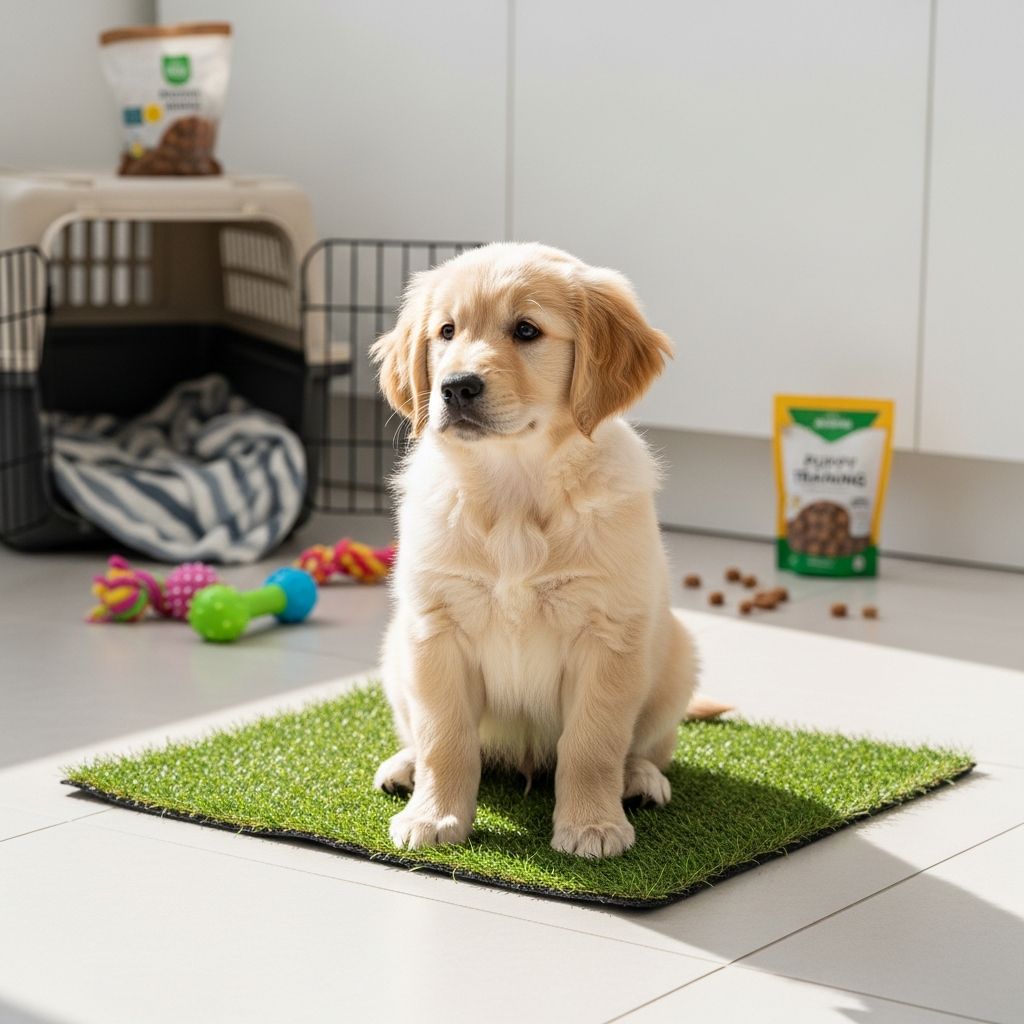
Bringing a new puppy into your home is an exciting experience, but it also comes with significant responsibilities. Among the most important skills your young dog needs to learn is proper bathroom etiquette. Establishing consistent toilet training habits during the early stages of development creates a strong foundation for lifelong good behavior and prevents the frustration of ongoing household accidents. Understanding the principles of effective house training will help you navigate this essential phase of puppy development with confidence and success.
Understanding Why Bathroom Training Matters for Your Puppy
Toilet training is far more than just keeping your home clean. This foundational skill teaches your puppy self-discipline, helps establish a daily routine, and strengthens the bond between you and your new companion. When puppies understand appropriate bathroom behavior, they develop confidence and security in their living environment. Additionally, successful house training prevents behavioral problems from developing later in life, as incomplete training during puppyhood often leads to soiling issues when dogs reach adulthood.
The process also allows you to monitor your puppy’s health more effectively. Regular bathroom habits help you notice any changes that might indicate digestive problems or other health concerns. Furthermore, a well-trained puppy is welcome in more places and situations, making social interactions and travel much easier as your dog matures.
Establishing a Consistent Daily Routine
The foundation of successful bathroom training rests on creating and maintaining a predictable schedule. Puppies have smaller bladders than adult dogs and process food and water more rapidly, meaning they need frequent opportunities to eliminate. A consistent feeding schedule directly translates into predictable elimination patterns, making training significantly more effective.
Puppies under six months of age should receive three meals per day at the same times each day. This regularity helps their bodies develop a predictable rhythm for digestion and elimination. The timing of meals is equally important—avoid feeding large portions immediately before periods of confinement, such as crate time, as this increases the likelihood of accidents.
Critical times to take your puppy outside include:
- Immediately upon waking in the morning and before bedtime at night
- After meals (typically 15-30 minutes after eating)
- Following play sessions or physical exercise
- After emerging from rest periods or naps
- After chewing on toys or bones
- After drinking water
- Before extended periods of confinement
Young puppies may need to go outside 12 or more times daily, so plan accordingly if you work outside the home. Arranging for a dog walker or trusted friend to provide midday bathroom breaks can be instrumental in maintaining your training schedule.
Selecting and Maintaining a Designated Bathroom Area
Confusion about where elimination should occur is a primary cause of house training setbacks. Puppies adapt much more quickly when they understand exactly where their bathroom should be located. Before bringing your puppy home, identify a specific outdoor area where elimination will take place consistently. This might be a particular corner of your yard, a designated grassy spot near your building, or a specific location during walks.
Every single trip outside should begin by taking your puppy directly to this designated spot—not to explore the yard or play first. Use the same entrance to your home each time, and guide your puppy on a leash to the bathroom area. This consistency trains your puppy’s brain and body to recognize this location as the appropriate place for elimination.
Introducing a verbal cue strengthens this association further. Many trainers recommend a phrase such as “Do you want to go out?” or “Let’s go potty,” delivered in a consistent tone each time you’re heading outside for bathroom purposes. Using different phrasing for recreational outdoor time—such as “Want to go for a walk?”—helps your puppy distinguish between bathroom trips and playtime adventures.
Creating a Supervised Indoor Environment
Active supervision prevents accidents before they happen and is essential during the training phase. When you cannot watch your puppy continuously, confinement becomes necessary. Limiting your puppy’s access to your home prevents unsupervised elimination in undesirable locations and reduces the total area you must monitor.
Several strategies support effective supervision:
- Tethering: Attach a four to six-foot leash to your puppy and keep the other end near you. This allows your puppy to move around while remaining under your direct observation.
- Baby gates: Use gates to confine your puppy to rooms where you are actively present and can observe behavior.
- Limited access: Close doors to rooms you cannot supervise, gradually expanding your puppy’s territory as training progresses.
Watch for pre-elimination signals such as sniffing, circling, or walking with stiffened back legs. When you notice these behaviors, immediately take your puppy outside to the designated bathroom area. If your puppy eliminates in the appropriate location, provide lavish praise and offer a reward treat immediately. This positive association makes your puppy eager to repeat the behavior.
Implementing Crate Training as a Management Tool
The principle underlying crate training is that dogs naturally avoid soiling their sleeping and eating areas. A crate of appropriate size—just large enough for your puppy to lie down, stand, turn around, and stretch—capitalizes on this instinct. If a crate is too large, your puppy may feel comfortable using one corner for elimination while resting in another area.
Many commercial crates include removable partitions that allow you to adjust the interior size as your puppy grows. This feature makes the same crate usable throughout multiple developmental stages. The crate serves multiple purposes: it confines your puppy during times you cannot provide supervision, it provides a secure resting space where your puppy naturally develops bladder control, and it prevents unsupervised accidents.
Introduce your puppy to the crate gradually and positively. Never use the crate as punishment, as this creates negative associations that undermine its effectiveness as a training tool. Instead, make the crate a comfortable, inviting space with soft bedding and occasional treats or toys.
Transitioning from Indoor Training Pads to Outdoor Elimination
Some situations require temporary use of indoor elimination options, such as for apartment dwellers in harsh climates or people with work schedules that prevent frequent outdoor trips. However, puppy pads present a training complication: they reinforce the idea that elimination indoors is acceptable, potentially conflicting with your goal of outdoor-only bathroom habits.
If you must use puppy pads temporarily, maintain them in a single consistent location. As your puppy demonstrates reliability with the pad system, gradually move the pad closer to your exit door in small increments. After several successful uses at each new location, move it a few feet closer to the door. Eventually, position the pad just outside your home or at your exit point. This gradual transition helps your puppy adjust to the shifting expectations while maintaining the consistency they need.
An alternative strategy involves introducing a training bell hung on the door at your puppy’s eye level. Your puppy can learn to ring the bell when needing to go outside, providing clear communication of bathroom needs and supporting the transition away from indoor options.
Managing Accidents Appropriately
Accidents are a normal part of the training process and should be expected rather than viewed as failures. How you respond to mistakes significantly impacts your puppy’s learning and confidence. If you catch your puppy in the act of eliminating indoors, calmly interrupt the behavior by making a startling sound—such as a sharp clap—and immediately carry your puppy outside to the designated bathroom area. If your puppy finishes eliminating outside, provide enthusiastic praise and a reward.
Never punish accidents that have already occurred, as puppies cannot connect past actions with current punishment. Cleaning up after accidents thoroughly is crucial; use enzymatic cleaners designed to eliminate urine odor completely. Residual scent may encourage your puppy to use the same spot again.
Maintaining patience throughout the training process is essential. Incomplete house training during puppyhood is a leading cause of soiling problems in adult dogs, so the investment in thorough, consistent training now prevents long-term behavioral challenges.
Adjusting Your Approach Based on Progress
Every puppy progresses at a different rate, and flexibility in your approach supports faster success. As your puppy demonstrates increasing reliability, you can gradually expand their indoor territory. Start with one or two rooms where you can maintain close supervision, then slowly open access to additional areas as your puppy proves their trustworthiness.
If accidents continue to occur in specific locations despite consistent outdoor trips, this may indicate confusion about boundaries. Use baby gates to temporarily restrict access to problem areas, then reintroduce these spaces only after your puppy shows sustained success in other parts of your home. If accidents happen randomly throughout your home, you may need to increase the frequency of outdoor bathroom trips or ensure that outdoor visits are positioned correctly relative to meals and activities.
Frequently Asked Questions About Puppy Bathroom Training
How long does it typically take to house train a puppy?
Timeline varies based on individual puppies and consistency of training, but most puppies begin showing progress within several weeks of starting a consistent program. Some puppies may achieve reliable habits within a few months, while others require four to six months or longer. Complete reliability often develops around six months of age or later, with some dogs not reaching full maturity in this skill until 12 months old.
What should I do if my puppy has a setback after showing progress?
Setbacks are common and typically indicate a change in routine, environment, or health status. Return to more frequent outdoor trips, closer supervision, and consistent positive reinforcement. If setbacks persist, consult your veterinarian to rule out urinary tract infections or other health issues that might affect bathroom control.
Can different puppies in the same household be trained simultaneously?
Yes, multiple puppies can be trained together, though it requires even more diligent supervision and consistent scheduling. Taking each puppy out separately initially helps you track individual progress and ensure each puppy has adequate opportunity to eliminate.
Is it better to use puppy pads or go directly to outdoor training?
Direct outdoor training without puppy pads is generally more straightforward and reaches the ultimate goal more quickly. However, for specific situations where indoor elimination is temporarily necessary, puppy pads can be used as a transitional tool with careful management of the pad’s location.
Key Principles for Success
The three most critical foundations of successful puppy bathroom training are active supervision, frequent outdoor opportunities, and a consistent daily schedule. These elements work together to prevent accidents, establish your puppy’s preferences, and accelerate learning. Combining these fundamentals with patience, positive reinforcement, and realistic expectations ensures that your puppy develops reliable bathroom habits that last throughout their life.
Begin toilet training on day one with your new puppy, maintain unwavering consistency even when life gets busy, and remember that this foundational skill investment pays dividends throughout your dog’s entire life.
References
- How Do You House Train a Puppy? — Hill’s Pet. https://www.hillspet.com/dog-care/training/puppy-house-training-tips-and-hacks
- Puppy Potty Training And House Training — Eukanuba. https://www.eukanuba.com/articles/training/puppy-potty-training-and-house-training
- How to Potty Train Puppies: A Comprehensive Guide for Success — American Kennel Club. https://www.akc.org/expert-advice/training/how-to-potty-train-a-puppy/
- Housetraining — Indoor Pet Initiative, The Ohio State University. https://indoorpet.osu.edu/dogs/puppy/housetraining-dogs
- Potty Training your Puppy — Oregon Humane Society. https://www.oregonhumane.org/portland-training/potty-training-your-puppy/
- House Training Your Dog or Puppy — ASPCA. https://www.aspca.org/news/house-training-your-dog-or-puppy
- Housetraining Your Puppy — UC Davis School of Veterinary Medicine. https://www.vetmed.ucdavis.edu/sites/g/files/dgvnsk491/files/inline-files/Housetraining_Your_Puppy.pdf
Similar Articles








Read full bio of medha deb




