

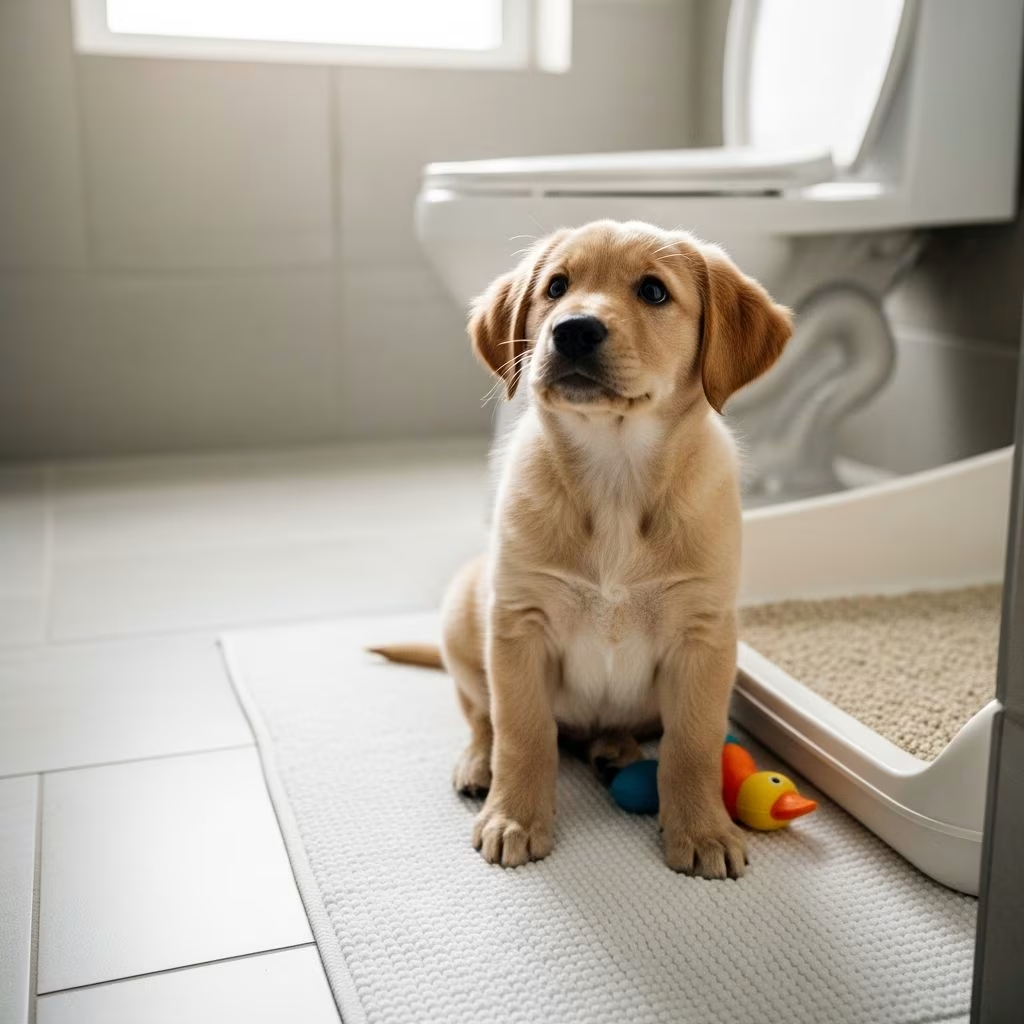
Bringing a new puppy into your home comes with many responsibilities, and understanding their bathroom needs is fundamental to successful potty training and overall health management. Puppies have unique physiological requirements that differ significantly from adult dogs, making it essential for owners to recognize patterns and establish consistent routines. This guide explores the intricacies of puppy urination, providing practical frameworks for managing frequent bathroom breaks and identifying potential health concerns.
The Developmental Basis for Frequent Urination in Young Puppies
Puppies naturally experience much higher urination frequency than their adult counterparts due to biological factors inherent to their developmental stage. Their bladders are substantially smaller, and their digestive and urinary systems are still maturing. The combination of these physical characteristics means puppies cannot maintain urine control for extended periods, regardless of owner preference or training efforts.
Understanding this fundamental reality helps owners adjust expectations and develop realistic potty schedules. Unlike adult dogs that have refined bladder control, young puppies are biologically programmed to eliminate frequently throughout the day and night. This is not a behavioral problem or training failure—it is simply the normal progression of canine development.
Age-Based Urination Patterns and Bladder Capacity
Puppy bladder development follows a predictable progression that owners can use to anticipate bathroom needs. A widely recognized guideline in veterinary practice establishes that puppies can control their bladder for approximately one hour per month of age. This rule of thumb provides a practical framework for scheduling potty breaks and adjusting expectations as puppies grow.
For a concrete example, a two-month-old puppy should theoretically hold urine for approximately two hours, while a four-month-old puppy might manage up to four hours under ideal circumstances. However, this guideline represents the maximum capacity—in practice, most puppies require more frequent breaks, particularly in their earliest months.
Very young puppies (under one month of age) typically need to eliminate approximately every hour while awake. As puppies progress through their first six months, their bathroom frequency gradually decreases, but they still require significantly more breaks than adult dogs.
Specific Bathroom Frequency Guidelines Across Puppy Ages
Creating a structured approach to puppy potty schedules helps streamline training and establishes consistent patterns that support faster house training success.
Young Puppies (6-8 Weeks): Puppies in this stage require outdoor bathroom breaks every two to three hours during waking periods. At night, they may still need outdoor access, though some may begin sleeping through without accidents depending on individual development.
Puppies (2-4 Months): As puppies enter this developmental window, they can typically manage intervals of two to four hours between bathroom breaks. Most puppies in this range need approximately five to eight potty breaks throughout a typical day.
Developing Puppies (4-6 Months): Puppies approaching six months demonstrate improved bladder control and can begin extending intervals to four to six hours between breaks. This stage marks a transitional period where puppies approach adult-like urination patterns, though they still require more frequent access than fully mature dogs.
Near-Mature Puppies (6+ Months): Once puppies reach approximately six months of age, their urinary patterns begin approximating adult dogs, typically requiring outdoor access every six to eight hours.
Critical Moments Requiring Immediate Bathroom Access
Regardless of age, puppies experience predictable moments when they need immediate bathroom access. Recognizing these triggers allows owners to proactively manage accidents and accelerate potty training progress.
- Post-Sleep Periods: Puppies almost universally need to urinate within minutes of waking, whether from nighttime sleep or daytime naps. Building bathroom breaks into your routine immediately after sleep prevents most common accidents.
- Post-Feeding Times: After consuming food, puppies typically need to eliminate within 15-30 minutes as their digestive systems process the meal. Coordinating feeding schedules with outdoor access supports predictable patterns.
- After Water Consumption: Similar to food, water intake directly influences urination timing. Monitor water access and provide bathroom breaks approximately 15-20 minutes after drinking.
- During and After Play Sessions: Physical activity stimulates urination in puppies. Provide bathroom access during extended play periods and immediately after activity ends.
- During Anxiety or Excitement: Emotional states influence puppy bladder control. Stressful or highly exciting situations often trigger urination, requiring immediate outdoor access.
Behavioral Indicators That Your Puppy Needs to Eliminate
Beyond timing-based schedules, puppies display behavioral signals indicating urgent bathroom needs. Learning to recognize these signs prevents accidents and demonstrates attentiveness to your puppy’s communication.
Common indicators include frequent sniffing of specific areas, particularly corners or previously soiled spots where scent markers remain. Puppies may also display restlessness, pacing back and forth, or whining near doors or windows. Some puppies circle repeatedly or squat in place before elimination. Excessive licking of the genital area can also signal urination urgency.
Establishing consistent response to these signals strengthens your puppy’s understanding of acceptable elimination locations and accelerates housetraining success.
Comparison: Potty Frequency Across Different Dog Life Stages
| Life Stage | Age Range | Typical Frequency | Hours Between Breaks | Daily Occurrences |
|---|---|---|---|---|
| Young Puppies | Under 2 months | Hourly | 1 hour | 8-12 times |
| Early Puppies | 2-4 months | Every 2-4 hours | 2-4 hours | 6-8 times |
| Developing Puppies | 4-6 months | Every 4-6 hours | 4-6 hours | 4-6 times |
| Adult Dogs | 6 months-7 years | Every 6-8 hours | 6-8 hours | 3-5 times |
| Senior Dogs | Over 7 years | Every 4-6 hours | 4-6 hours | 4-6 times |
Normal Urine Output and Volume Considerations
Beyond frequency, understanding normal urine production helps owners distinguish between typical puppy bathroom patterns and potential health concerns. Puppies produce more dilute urine than adults due to higher water content needs during development.
Normal adult dogs produce approximately 20-40 milliliters of urine per kilogram of body weight over 24 hours. While puppies typically exceed this baseline, dramatic increases or decreases warrant veterinary evaluation.
Urine color should remain pale to clear yellow. Dark, concentrated urine may indicate dehydration, while cloudiness or discoloration could signal urinary tract involvement. Observing these subtle indicators helps catch health issues before they progress.
Health Concerns Associated with Abnormal Urination Patterns
While frequent urination is developmentally normal in puppies, certain patterns warrant veterinary attention. Recognizing warning signs ensures prompt intervention when medical issues emerge.
Urinary Tract Infections: Common in puppies, particularly females, urinary tract infections cause straining to pass small urine volumes and may produce bloody or discolored urine. Puppies with infections often display increased urination frequency beyond normal developmental patterns, accompanied by discomfort during elimination.
Pollakiuria: This condition, characterized by abnormally frequent urination in small volumes, often signals underlying urinary tract infection or other medical concerns. Puppies with pollakiuria frequently squat to urinate with minimal urine production.
Excessive Thirst and Urination: When increased urination accompanies significantly elevated water consumption, this combination may indicate metabolic disorders, diabetes, or kidney issues. Veterinary evaluation becomes necessary when this pattern emerges.
Blood in Urine: Any visible blood in urine constitutes a red flag requiring immediate veterinary assessment. While sometimes associated with infections, blood in urine can indicate more serious urinary tract or systemic problems.
Straining or Painful Elimination: If puppies display visible discomfort, strain, or vocalization during urination, this suggests underlying problems requiring professional evaluation.
When to Contact Your Veterinarian
Distinguishing between normal puppy bathroom patterns and signs of health concerns helps owners make informed decisions about veterinary care. Schedule an appointment with your veterinarian if you observe:
- Sudden changes in urination frequency, either significantly increased or decreased from baseline patterns
- Straining, whimpering, or apparent pain associated with urination
- Visible blood, cloudiness, or unusual odor in urine
- Repeated squatting with minimal urine production
- Accidents in previously housetrained puppies, particularly if accompanied by other symptoms
- Dramatically increased thirst without corresponding increase in water access
- Signs of discomfort in the lower abdominal area
- Lethargic behavior accompanying changes in bathroom patterns
Frequently Asked Questions About Puppy Urination
Q: How many times should a three-month-old puppy urinate daily?
A: Most three-month-old puppies need outdoor bathroom access approximately five to eight times daily, with breaks ideally occurring every three to four hours during waking periods. Frequency varies based on individual development, size, and water consumption.
Q: Can puppies sleep through the night without bathroom access?
A: This depends on age and individual development. Very young puppies typically cannot sleep through full nights without accidents. By three to four months, many puppies begin managing longer nighttime intervals. By four to six months, most puppies can sleep six to eight hours overnight without elimination needs. However, providing nighttime bathroom access until puppies consistently remain dry overnight prevents regression and accidents.
Q: Is my puppy’s frequent urination normal, or could it indicate a problem?
A: Frequent urination is developmentally normal for puppies. However, if urination suddenly increases dramatically beyond baseline patterns, is accompanied by straining or discomfort, involves blood or unusual odor, or occurs alongside increased thirst and lethargy, veterinary evaluation is warranted.
Q: What factors influence how long a puppy can hold urine?
A: Beyond age, several factors affect bladder control capacity including breed size (toy breeds typically have shorter hold times than large breeds at equivalent ages), individual metabolism, health status, water consumption timing, and emotional state. Anxiety, excitement, and stress can temporarily reduce hold capacity even in older puppies.
Q: Should I limit water intake to reduce bathroom frequency?
A: No. Restricting water intake can cause dehydration and health problems. Instead, manage timing by offering water at consistent intervals tied to potty breaks, but never withhold water completely. This approach maintains hydration while helping establish predictable urination patterns.
Building an Effective Potty Training Schedule
Successfully managing puppy bathroom needs requires creating structured routines that align with your puppy’s developmental capacity and your household schedule. Begin by establishing consistent feeding times, which naturally anchor bathroom break timing. Feed your puppy at the same times daily, then provide outdoor bathroom access within 15-30 minutes post-feeding.
Schedule additional bathroom breaks based on your puppy’s age-appropriate hold capacity, typically every two to four hours during the day for young puppies. Incorporate the critical moments identified earlier—post-sleep, after play, and after water consumption—into your daily routine. Use positive reinforcement, praising and rewarding successful outdoor elimination, to reinforce appropriate bathroom location associations.
Nighttime management should progress gradually. Very young puppies may require middle-of-the-night bathroom access, but as puppies develop, these interruptions can gradually phase out once puppies demonstrate consistent nighttime dryness.
Conclusion
Understanding puppy urination frequency forms the foundation of successful housetraining and early health management. By recognizing developmental stages, establishing realistic expectations, and remaining alert to abnormal patterns, owners create environments supporting healthy development while preventing common behavioral and medical complications. Patience, consistency, and attentiveness to your individual puppy’s needs transform the frequent bathroom breaks of puppyhood into an opportunity for bonding while establishing lifelong good health practices.
References
- How Often Do Dogs Need to Pee? — Odie Pet Insurance. 2024. https://getodie.com/blog/how-often-do-dogs-need-to-pee/
- Why Is My Dog Peeing a Lot? — PetMD. 2024. https://www.petmd.com/dog/symptoms/why-my-dog-peeing-lot
- Why Is My Dog Peeing So Much? Urinary Frequency in Dogs — American Kennel Club. 2024. https://www.akc.org/expert-advice/health/why-is-my-dog-peeing-so-much-urinary-frequency/
- Why is my puppy peeing so much? — Vet Help Direct. 2022-05-06. https://vethelpdirect.com/vetblog/2022/05/06/why-is-my-puppy-peeing-so-much/
- How Often Should You Let Your Dog Out to Pee — PetSafe. 2024. https://www.petsafe.com/blog/how-often-does-my-dog-need-potty-breaks/
- Excessively Frequent Urination (Pollakiuria) in Dogs — Vetster. 2024. https://vetster.com/en/symptoms/dog/excessively-frequent-urination-pollakiuria



