

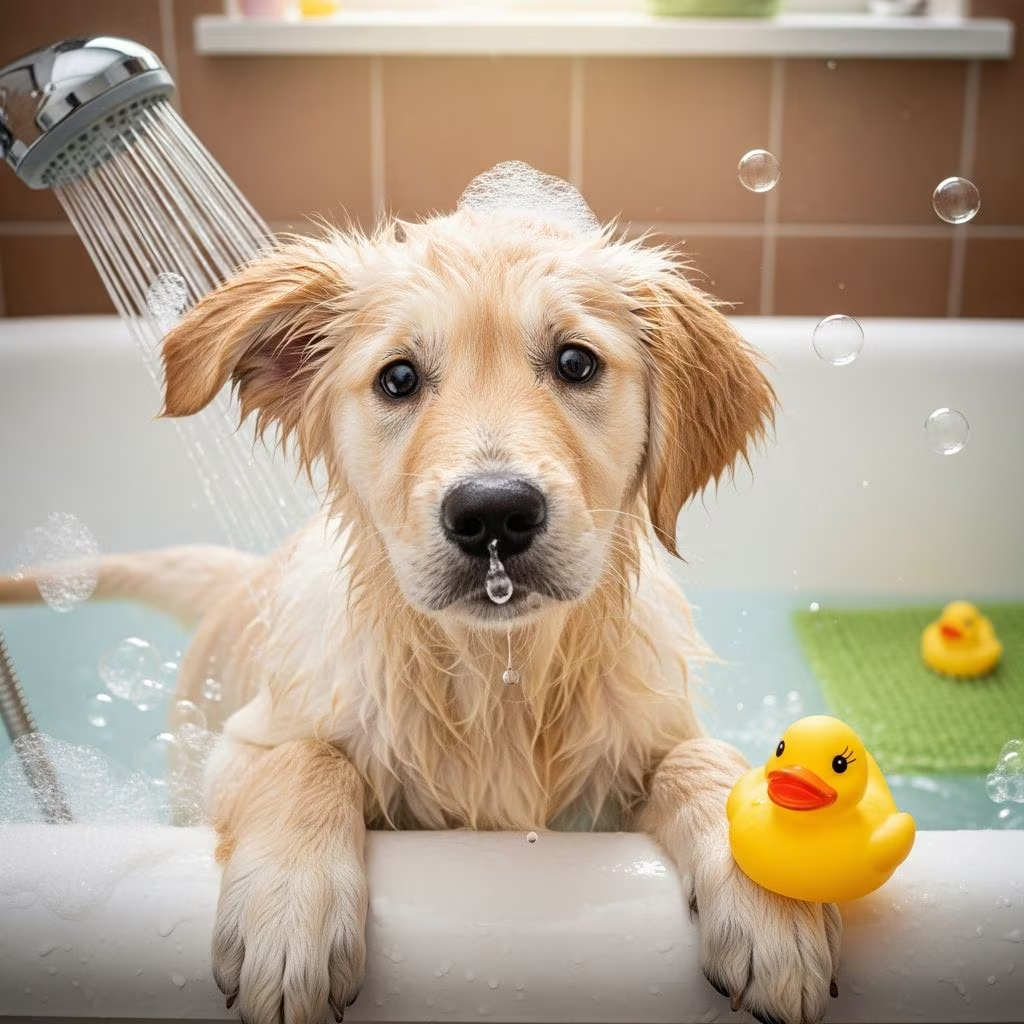
Bringing a new puppy home is exciting, but maintaining their cleanliness requires careful timing and methods. Puppies under 8 weeks old struggle with temperature regulation, making early baths risky for hypothermia or skin irritation. Veterinary guidelines recommend waiting until at least 8 weeks for the first full bath, using mild, puppy-specific products to protect their delicate skin barrier.
Determining the Right Age for Your Puppy’s First Bath
The optimal time to introduce bathing depends on the puppy’s development. Newborns and those under 8 weeks have immature thermoregulation and sensitive skin, so baths can lead to chilling or dryness. At around 8 weeks, most puppies can handle gentle washing if done properly.
- 0-7 weeks: Avoid immersion baths; use damp cloths for spot cleaning only.
- 8+ weeks: Safe for first bath with lukewarm water and vet-approved shampoo.
- Consider breed factors: Short-haired breeds may need less frequent baths than long-haired ones prone to matting.
This timeline aligns with when puppies typically leave breeders and join families, allowing gradual introduction to grooming routines.
Gathering Essential Supplies Before Bath Time
Preparation prevents mishaps and ensures a smooth experience. Stock up on puppy-safe items to minimize stress.
| Item | Purpose | Tips |
|---|---|---|
| Non-slip mat | Prevents slipping in tub or sink | Place in bathtub, sink, or kiddie pool |
| Mild puppy shampoo | Cleans without stripping oils | pH-balanced for dogs; avoid human products |
| Towels (multiple) | Drying and cleanup | Absorbent microfiber works best |
| Brush or comb | Removes mats pre-bath | Suitable for coat type; gentle strokes |
| Treats and toys | Positive reinforcement | |
| Hair dryer (low heat) | Thorough drying | Keep 12 inches away; watch for overheating |
Having everything ready avoids leaving a wet puppy unattended, reducing accident risks.
Step-by-Step Instructions for a Successful Puppy Bath
Follow this sequence to build confidence and prevent fear. Keep sessions under 10-15 minutes initially.
- Brush first: Gently remove loose fur and tangles to avoid water-trapped mats that irritate skin.
- Choose location: Sinks for small breeds; outdoor kiddie pools for larger ones in warm weather.
- Test water: Lukewarm (about 100°F); use a cup or low-flow nozzle to wet gradually.
- Lather shampoo: Apply from neck to tail, massaging in circles; skip head.
- Rinse thoroughly: Residual soap causes hot spots or infections; work with gravity to protect ears.
- Wipe face: Use a damp cloth for gentle cleaning around eyes and mouth.
- Dry completely: Towel off, then low-heat dryer if tolerated; focus on paws, belly, and armpits.
Praise and treat throughout to associate water with positivity. If resistance occurs, pause and try shorter sessions.
How Frequently Should You Bathe Your Puppy?
Overbathing strips natural oils, leading to dry skin and itchiness. Guidelines vary by lifestyle and coat.
- General rule: Every 4 weeks for healthy puppies; more if muddy or smelly.
- Active/outdoor pups: Every 2-3 weeks.
- Low-shedding breeds: Monthly or as needed.
- Signs it’s time: Dirt buildup, odor, or greasy coat.
Spot clean between baths with wipes or dry shampoo to maintain hygiene without full immersion.
Common Bathing Mistakes and How to Avoid Them
Many owners unintentionally harm their puppy’s skin during baths. Awareness prevents vet visits.
- Hot/cold water: Burns or chills; always test on your wrist.
- Human shampoo: Disrupts pH (dog skin ~6.5 vs. human ~5.5), causing irritation.
- Poor rinsing: Leftover residue leads to dermatitis; rinse 2-3 times.
- Rough handling: Creates micro-abrasions; use fingertips for massage.
- Incomplete drying: Damp fur breeds bacteria; dry fully, especially in folds.
Puppies’ skin barrier recovers quickly if minor damage occurs, but repeated errors prolong healing.
Special Considerations for Different Puppy Coats and Breeds
Coat type influences bathing needs and techniques.
| Coat Type | Bath Frequency | Extra Tips |
|---|---|---|
| Short/smooth | Every 4-6 weeks | Minimal brushing; focus on wiping paws |
| Long/wiry | Every 3-4 weeks | Detangle pre-bath; condition ends |
| Double-coated | Every 6-8 weeks | Preserve oils; brush out undercoat |
| Curly/hypoallergenic | Every 2-4 weeks | Moisturizing shampoo; ear protection |
For water breeds like Labradors, baths reinforce natural oils; avoid over-washing curly coats like Poodles to prevent matting.
Building a Lifelong Positive Grooming Routine
Start slow to make baths enjoyable. Introduce water sounds, brushes, and scents days before the first bath. Use happy tones and end with playtime. Over time, puppies view grooming as bonding.
Monitor skin post-bath: Redness or flaking warrants vet check. Consistent routines reduce adult dog anxiety at groomers.
Frequently Asked Questions About Puppy Bathing
Can I bathe my puppy at night?
Yes, but ensure full drying and warmth afterward. Puppies chill easily; daytime baths are preferable.
Is it okay to use a hose outdoors?
For larger puppies in warm weather, yes—lukewarm water only, with non-slip surface.
What if my puppy hates the dryer?
Towel dry thoroughly; air dry in a warm room. Desensitize gradually with treats.
How do I clean puppy ears during bath?
Avoid water inside; use cotton balls loosely and clean exteriors post-bath with vet solution.
Can too many baths cause health issues?
Yes, frequent washing dries skin, inviting allergies or infections. Stick to schedules.
Advanced Tips for Puppy Skin Health During Baths
Bathing supports the skin’s protective layer of oils, cells, and bacteria. Harsh methods disrupt this, but proper care enhances it. Brush pre-bath to remove debris, apply shampoo gently, and rinse fully. For medicated needs, time contact per label and wear gloves.
Post-bath, apply leave-in conditioners for moisture. Track responses: Healthy skin is supple and odor-free.
References
- Your Puppy’s First Bath: Step-By-Step Instructions — Purina US. 2023. https://www.purina.com/articles/dog/puppy/health/when-can-puppies-have-first-bath
- How to properly give pets a bath — Banfield Pet Hospital. 2024. https://www.banfield.com/Wellness-at-banfield/Skin-and-coat-care/How-to-bathe-your-pet
- Safe bathing practices: Protecting your pet’s skin — Virginia Tech Veterinary Medicine. 2022. https://vth.vetmed.vt.edu/animal-care-tips/bathing-tips.html
- Puppy bath time: How to keep your puppy clean & healthy — Douxo. 2024. https://douxo.de/blogs/dog-news/puppy-bath-time-how-to-keep-your-puppy-clean-healthy
- How Often Can You Bathe Your Puppy? Guidelines to Follow — Kinship. 2023. https://www.kinship.com/dog-health/how-often-to-bathe-puppy



