

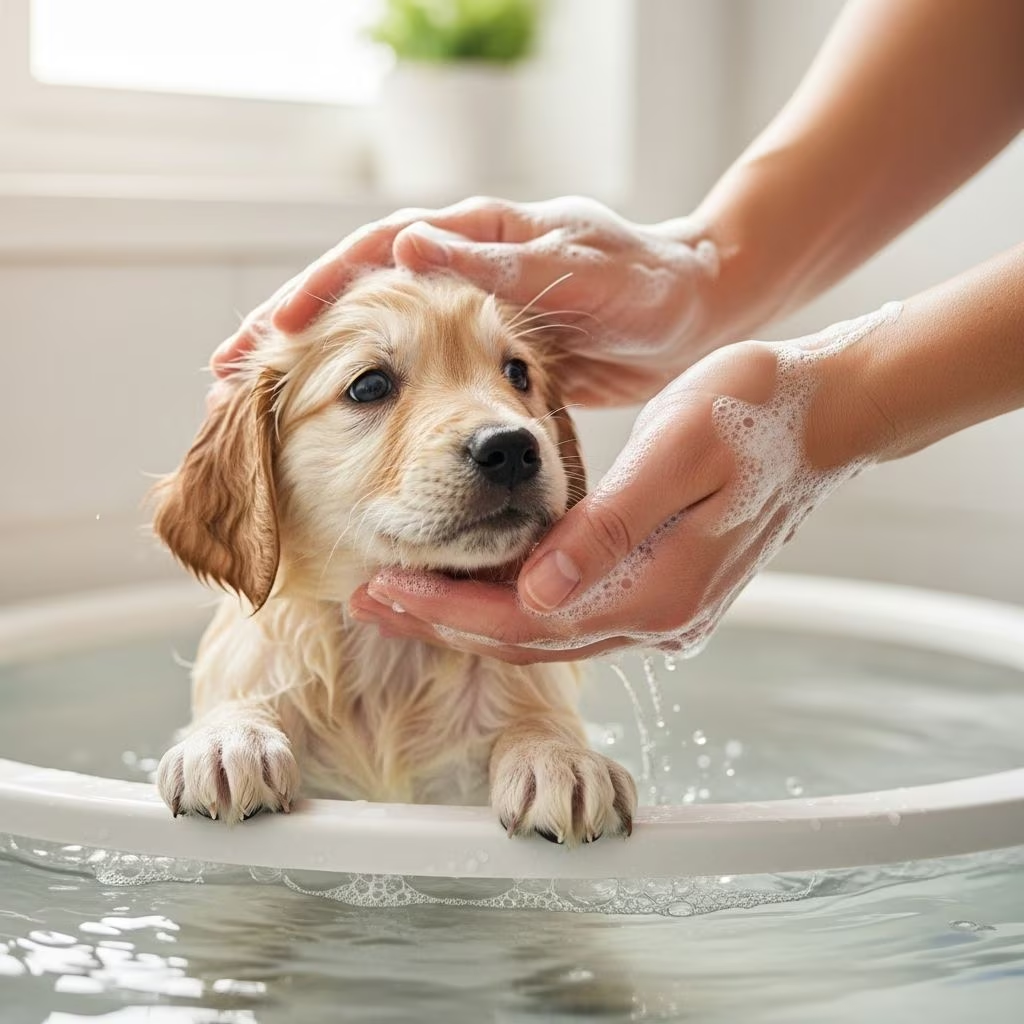
Bathing a puppy is an important part of pet care, but many new puppy owners wonder when it’s appropriate to start and how often baths are necessary. Unlike adult dogs, puppies require special consideration due to their developing bodies, sensitive skin, and inability to regulate body temperature effectively. Understanding the right approach to puppy bathing helps establish positive grooming habits while protecting your puppy’s health and comfort.
Understanding Puppy Readiness for Bathing
The timing of your puppy’s first bath depends on several factors, including age, health status, and whether the puppy is exceptionally dirty. Most dog grooming experts recommend waiting until puppies are between six to eight weeks old before their first full bath. At this age, puppies have developed enough to handle the bathing experience with proper precautions in place.
Very young puppies under eight weeks should only be bathed if absolutely necessary. Their mothers naturally care for their hygiene during early weeks, and young puppies struggle to regulate body temperature effectively during and after bathing. If your young puppy is exceptionally soiled or has a specific medical need, a bath may be warranted, but it should be approached with extra caution.
When you first bring a new puppy home, allow them to adjust for one to two weeks before attempting their first bath, unless they are exceptionally dirty. This adjustment period helps the puppy acclimate to their new environment and reduces stress. The first bathing experience significantly influences how puppies respond to grooming throughout their lives, so gentle, positive introductions are essential.
Determining Bathing Frequency for Growing Puppies
The question of how often to bathe a puppy doesn’t have a one-size-fits-all answer. Several factors influence appropriate bathing frequency for your individual puppy:
- General guideline: Most puppies benefit from bathing every one to three months. This frequency prevents over-bathing while maintaining basic hygiene.
- Breed considerations: Dogs with longer, thicker coats may require different bathing schedules than short-haired breeds.
- Coat type variations: Puppies with oily skin may need more frequent baths, while those with dry skin benefit from less frequent washing.
- Lifestyle factors: Active puppies that spend time outdoors get dirty more frequently than indoor companions.
- Health conditions: Puppies with skin conditions or allergies may require medicated baths on a veterinarian-recommended schedule.
A key principle to remember is that less is often more when it comes to puppy bathing. Excessive bathing strips away the natural oils that protect your puppy’s skin, leading to dryness, irritation, and increased susceptibility to infection. Unless your puppy is visibly dirty or has a specific grooming need, frequent bathing isn’t necessary.
Alternative Cleaning Methods Between Baths
Full baths aren’t always necessary for maintaining your puppy’s cleanliness. Between scheduled baths, several spot-cleaning methods work effectively for minor dirt or odors:
- Damp cloth or pet-friendly wipes for targeted cleaning of muddy paws or soiled areas
- Dry shampoo formulated for puppies to freshen the coat without water
- Gentle brushing to remove loose dirt and stimulate natural skin oils
- Localized rinses with lukewarm water for small soiled areas
These alternatives preserve your puppy’s skin barrier while keeping them clean between full baths. They’re particularly useful during the adjustment period after bringing a puppy home or when your puppy has only minor soiling.
Preparing Your Home and Supplies for Puppy Bathing
Successful puppy bathing begins with thorough preparation. Gathering supplies and setting up your bathing area before bringing your puppy to the tub ensures a smooth experience:
Essential Supplies
- Puppy-specific shampoo that is mild and tear-free
- Non-slip mat for the tub, sink, or shower surface
- Lukewarm water source (cup, pitcher, or gentle spray)
- Soft, absorbent towels for drying
- Optional: low-heat hairdryer for long-coated breeds
- Soft brush or comb for pre-bathing preparation
- Treats and toys for positive reinforcement
Choosing the Right Location
Most puppies of typical breeds can be bathed comfortably in a kitchen sink, especially during their first months. As puppies grow, you may transition to a bathtub or outdoor bathing area. The chosen location should have proper drainage and be easily accessible for you to work comfortably. Choose a warm room to help your puppy maintain body temperature throughout the bathing process.
Preparation Steps
Before wetting your puppy, prepare the coat by gently brushing to remove loose fur or mats. This prevents matting that traps water and shampoo against the skin, which can cause irritation. Use gentle strokes during brushing; rough brushing creates tiny scrapes that sting when shampoo is applied. If your puppy has significant tangles or mats, complete detangling a day or two before bathing.
The Bathing Process: Step-by-Step Instructions
Bathing a puppy under six months is comparable to bathing a human infant. Puppies are unaccustomed to the bathing sensation, cannot protect themselves, and require extra gentleness throughout the process.
Initial Wetting
Begin by easing your puppy gently into the tub or sink, ensuring a non-slip mat is in place for safety. Test the water temperature with your hand or inner wrist—it should feel comfortably warm, similar to bathwater for a baby. Lukewarm water is essential because dogs are sensitive to extreme temperatures, and water that’s too hot or cold causes discomfort and stress.
For very young puppies under three to four months, you may need only lukewarm water and a washcloth without any cleansing products. This gentler approach is sufficient for basic cleaning and allows puppies to acclimate to bathing gradually.
When wetting your puppy’s coat, use a soft stream of water and avoid high-pressure sources like shower heads, which can be stressful. A cup, pitcher, or gentle spray attachment works better than full-force water pressure. Carefully avoid getting water in your puppy’s eyes, ears, and nose, as these areas are sensitive and can cause discomfort or health issues.
Shampooing Technique
Apply puppy-specific shampoo formulated for sensitive skin, as human shampoos and adult dog products are too harsh for puppies. Use only a small amount—more shampoo doesn’t mean better cleaning. Apply the shampoo to your wetted hands first, then work it gently into your puppy’s coat with your fingertips in circular motions, moving from neck toward the tail.
Allow the shampoo to sit on the coat for approximately five minutes, which maximizes effectiveness, particularly with medicated formulas. During this waiting period, gently massage the coat to ensure the shampoo reaches the skin. Speak to your puppy in a calm, soothing voice throughout the bathing process to reinforce the experience as positive and non-threatening.
Thorough Rinsing
Thorough rinsing is critical to remove all shampoo residue, as leftover product causes irritation and creates an environment where bacteria can flourish. Rinse with lukewarm water until the water runs completely clear. Run your hands through the coat while rinsing to feel for slippery spots indicating remaining soap.
Pay special attention to areas where shampoo tends to accumulate, including armpits, under the chest, the groin area, between toes, behind ears, and under the tail. Double-check these areas to ensure all residue is removed. Incomplete rinsing is one of the most common causes of post-bathing skin irritation in puppies.
Drying Your Puppy Safely
Proper drying is as important as washing in protecting your puppy’s health. Gentle towel drying is the primary method for young puppies. After rinsing is complete, gently towel dry your puppy, using rubbing and squeezing motions to remove excess water. Focus on moisture-prone areas like under the belly, between legs, and behind ears.
If your puppy is comfortable with it and has a longer coat, you may use a low-heat hairdryer on a gentle setting, keeping it at a safe distance from the skin. High heat damages the skin barrier and causes discomfort. Keep your puppy in a warm room until completely dry to prevent chilling.
Building Positive Associations with Bathing
How your puppy responds to bathing depends largely on the emotional associations created during early grooming experiences. Throughout the bathing process, offer plenty of praise and treats to create positive connections. If your puppy seems terrified or extremely resistant, it may be better to abandon the bath and try again later. Forcing a scared puppy through bathing can create lasting negative associations that affect grooming compliance throughout their life.
Make bathing a rewarding experience by using high-value treats, cheerful tone, and gentle handling. Over time, puppies that associate baths with positive outcomes are more cooperative during grooming appointments and general care throughout their lives.
Understanding Your Puppy’s Skin Health
Your puppy’s skin serves as a critical protective barrier composed of skin cells, fats, natural oils, and healthy bacteria that maintain moisture and defend against germs and irritants. Proper bathing doesn’t damage this barrier, but harsh products, rough scrubbing, or incomplete rinsing can compromise it.
When the skin barrier is damaged, puppies experience dry, vulnerable skin that’s prone to irritation and infection. In healthy dogs, research shows that damage to the skin barrier recovers more than 50% within 24 hours and fully restores within about 72 hours. However, more serious damage can take weeks to heal. This reality underscores the importance of gentle technique and appropriate product selection when bathing puppies.
Common Bathing Mistakes to Avoid
Understanding common errors helps you provide the best bathing experience for your puppy:
- Using water that’s too hot or cold: Extreme temperatures cause discomfort and can be dangerous for young puppies
- High-pressure water sources: Stressful for puppies and can damage sensitive skin
- Harsh or adult products: These strip natural oils and irritate puppy skin
- Inadequate rinsing: Leftover shampoo causes itching, irritation, and bacterial growth
- Rough scrubbing: Can damage hair follicles and create entry points for infection
- Getting water in ears and eyes: Causes discomfort and potential ear infections
- Over-bathing: Excessive washing depletes natural skin oils essential for protection
- Forcing reluctant puppies: Creates lasting negative associations with grooming
When to Seek Professional Help
If your puppy has existing skin conditions, medicated shampoo requirements, or exceptional anxiety about bathing, consulting a professional groomer or veterinarian is wise. They can demonstrate proper techniques tailored to your puppy’s specific needs and may provide stress-reducing strategies. Professional groomers understand how to handle puppies safely and can establish positive grooming patterns early in your puppy’s life.
Summary: Key Takeaways for Puppy Bathing
Proper puppy bathing sets the foundation for lifelong grooming compliance and skin health. Begin bathing between six to eight weeks of age, maintaining a frequency of every one to three months unless your puppy gets exceptionally dirty. Use lukewarm water, puppy-specific mild shampoo, and gentle techniques that respect your puppy’s sensitive skin and temperature regulation abilities. Prioritize thorough rinsing and positive reinforcement to build healthy associations with grooming. By following these guidelines, you’ll establish a bathing routine that keeps your puppy clean, healthy, and happy.
References
- How To Bathe a Dog: Expert Tips for Safe Home Grooming — PetMD. 2024. https://www.petmd.com/dog/grooming/how-to-bathe-a-dog
- Happy, Healthy, Clean Pup: Your Guide to Puppy Bath Time — Epic Tails Veterinary Care. 2024. https://www.epictailsvet.com/happy-healthy-clean-pup-your-guide-to-puppy-bath-time/
- Bathing Your Puppy: A Step-by-Step Guide — American Kennel Club. 2024. https://www.akc.org/expert-advice/health/bathing-your-puppy-step-by-step-guide/
- Safe bathing practices: Protecting your pet’s skin — Virginia Tech College of Veterinary Medicine. 2024. https://vth.vetmed.vt.edu/animal-care-tips/bathing-tips.html
- When & How to Give Puppy Its First Bath — All Paws Pet Wash. 2024. https://allpawspetwash.com/when-give-puppy-first-bath/



