
Puppy Basics 101: How to Care for Your New Dog
Complete guide to raising a healthy, happy puppy with expert veterinary care tips and training strategies.
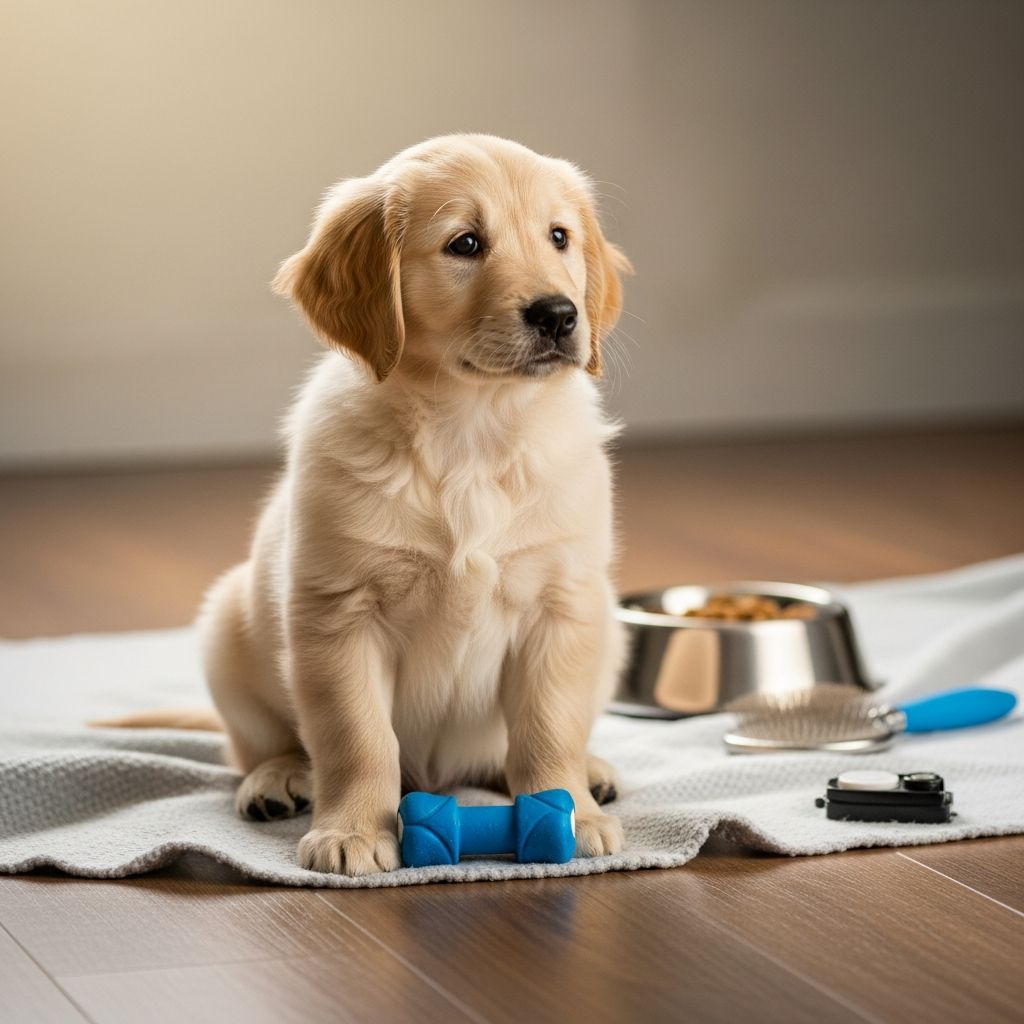
Bringing a new puppy into your home is an exciting adventure filled with joy, companionship, and yes, plenty of accidents on your carpet. While the prospect of puppy parenthood can feel overwhelming, establishing good habits and routines from day one will create a strong foundation for years of happiness together. A growing puppy requires far more than just food and shelter to thrive. This comprehensive guide will walk you through everything you need to know to provide your new furry family member with the best possible start in life.
1. Find a Good Vet
The first and most important step in your puppy care journey is finding a qualified veterinarian. Your initial veterinary visit should happen shortly after bringing your puppy home. This visit serves multiple critical purposes: it ensures your puppy is healthy and free from serious health issues or birth defects, and it establishes the foundation for a preventive health routine that will benefit your dog throughout their life.
When searching for a veterinarian, start by asking for recommendations from trusted sources. Friends and family members who own dogs can provide valuable insights about their veterinary experiences. If you adopted your puppy from a shelter or rescue organization, ask staff members for their recommendations—they often work closely with local veterinarians and can point you toward trustworthy professionals. Local dog walkers, groomers, and pet sitters are also excellent resources for finding reputable veterinary clinics in your area.
2. Make the Most of Your First Vet Visit
Your first veterinary appointment sets the stage for your puppy’s lifelong health and wellness. Come prepared with questions and take notes on your vet’s recommendations. Here are the essential topics to discuss during this crucial visit:
- Puppy Nutrition: Ask your vet which foods they recommend based on your puppy’s age, breed, and size. Inquire about proper portion sizes and feeding frequency to ensure your puppy receives appropriate nutrition for healthy growth.
- Vaccination Schedule: Work with your vet to establish a comprehensive vaccination plan. Puppies require a series of vaccinations starting at 6-8 weeks of age, with boosters given every 3-4 weeks until 16 weeks of age.
- Parasite Prevention: Discuss safe and effective options for preventing both external parasites (fleas and ticks) and internal parasites (worms and heartworms). Your vet will recommend products appropriate for your puppy’s age and weight.
- Health Monitoring: Learn which signs of illness to watch for during your puppy’s first few months, such as vomiting, diarrhea, lethargy, or loss of appetite. Understanding when to contact your vet can prevent serious health complications.
- Spay/Neuter Timeline: Ask your vet about the appropriate age for spaying or neutering your puppy. This procedure helps prevent certain health issues and unwanted behaviors.
3. Shop for Quality Food
Selecting the right food is one of the most important decisions you’ll make as a puppy owner. Quality nutrition is essential for proper growth, brain development, and immune system function. Your vet’s recommendation should be your primary guide when choosing puppy food.
Puppies have different nutritional needs than adult dogs. Look for foods specifically formulated for puppies, as they contain the right balance of proteins, fats, and essential nutrients for optimal development. Consider your puppy’s breed size—large breed puppies have different requirements than small breed puppies and should be fed specially formulated large-breed puppy food to support appropriate growth rates.
Read ingredient labels carefully and choose foods from reputable manufacturers. Premium puppy foods may cost more initially, but they often provide better nutrition and can result in fewer health issues down the road. Always introduce new food gradually by mixing it with the previous food over 7-10 days to avoid digestive upset.
4. Establish a Bathroom Routine
Housetraining is one of the first major challenges new puppy owners face. The good news is that with patience, planning, and consistent positive reinforcement, most puppies can be successfully housetrained. Accidents will happen—especially in those first few weeks—so prepare yourself mentally and practically with carpet-cleaning supplies.
Housetraining Keys to Success:
- Take your puppy outside first thing in the morning to prevent accidents. Use this as an opportunity to establish a designated potty spot where your puppy will associate that location with bathroom breaks.
- Maintain a regular schedule. Young puppies have limited bladder control and may need to go out every 1-2 hours, or follow the general rule of one hour per month of age plus one. A 3-month-old puppy, for example, might go out every 4 hours.
- Use positive reinforcement. Praise and reward your puppy immediately after they eliminate outside. This creates a positive association with the desired behavior.
- Supervise constantly. Watch for sniffing, circling, or whining—signs your puppy needs to go outside.
- Use a crate wisely. Dogs naturally avoid soiling their sleeping area, making a properly-sized crate a valuable housetraining tool. Never use the crate as punishment.
- Be patient with accidents. Never punish your puppy for indoor accidents, as this creates fear and confusion. Simply clean up thoroughly with enzymatic cleaners to remove scent markers.
5. Provide Socialization and Exercise
Socialization and exercise are critical components of healthy puppy development. During the first few months of life, puppies go through a crucial socialization window when they learn about their environment and develop social skills. Proper socialization helps prevent fear and aggression issues later in life.
Exercise requirements vary significantly by breed. Research your specific breed to understand their energy level and activity needs. Large breed puppies require careful, controlled exercise to avoid joint damage, while high-energy breeds need ample outlets for their enthusiasm. Start leash training early—even short walks around your backyard before full vaccination—to help your puppy acclimate to the collar and leash.
Introduce your puppy to various people, animals, environments, and experiences in a safe, controlled manner. This might include visiting puppy socialization classes, meeting friendly dogs, visiting different locations, hearing different sounds, and encountering various surfaces and obstacles.
Provide age-appropriate toys that encourage play and mental stimulation. Rotate toys regularly to maintain interest and prevent boredom. Always supervise playtime and remove any toys with small parts that could become choking hazards. Avoid toys with strings or easily removable squeakers that could cause intestinal blockages if swallowed.
6. Teach Obedience
Teaching your puppy good manners through obedience training is one of the best investments you can make. Obedience training accomplishes multiple goals: it keeps your puppy safe by ensuring they respond to commands in potentially dangerous situations, strengthens the bond between you and your puppy, and sets the foundation for a well-behaved adult dog.
Start with basic commands before enrolling in formal classes. Teach one command at a time, using clear, consistent words and hand signals. Essential commands include:
- Sit: One of the easiest commands to teach and incredibly useful for managing behavior.
- Stay: Helps prevent your puppy from running into dangerous situations.
- Down: Useful for calming an excited or anxious puppy.
- Come: Perhaps the most important command for safety, allowing you to recall your puppy from potentially dangerous situations.
Use high-value rewards like small treats, enthusiastic praise, and petting to reinforce correct behavior. Keep training sessions short (5-10 minutes) and end on a positive note. Most puppies are ready for formal obedience classes at 4-6 months of age. These classes benefit both puppy and owner, teaching you effective training techniques while your puppy learns in a structured environment with peer interaction.
7. Grooming and Personal Care
Early grooming experiences create a foundation for a lifetime of comfortable grooming and handling. Start acclimating your puppy to grooming activities now, before they develop fear or resistance to necessary care procedures.
Brushing and Bathing: Begin brushing your puppy’s coat regularly to remove loose hair, prevent matting, and check for skin issues. Make this a positive bonding experience with treats and praise. Bathe your puppy as needed, using warm water and puppy-specific shampoo. This is an excellent time for both bonding and teaching your puppy to be comfortable with water.
Nail Trimming: Trim your puppy’s nails every 3-4 weeks or as needed. Long nails can cause discomfort and damage to flooring. If you’re uncomfortable trimming nails yourself, ask your vet to demonstrate the proper technique or schedule regular appointments with a professional groomer.
Ear and Eye Care: Get your puppy accustomed to having their ears and eyes examined and cleaned. Some breeds are prone to ear infections, making regular ear care important. Use vet-recommended ear cleaning solutions and never insert cotton swabs deep into the ear canal.
Dental Care: Begin dental care early by gently brushing your puppy’s teeth several times per week with dog-specific toothpaste. This prevents tartar buildup and dental disease that can lead to serious health complications.
Setting Up Your Puppy’s Space
Create a safe, comfortable area where your puppy can rest, play, and feel secure. This space should include a crate, dog bed, food and water bowls, and access to appropriate toys. The crate serves multiple purposes: it provides a den-like refuge where your puppy feels safe, facilitates housetraining by leveraging your puppy’s natural reluctance to soil their sleeping area, and keeps your puppy safe when you cannot supervise.
Choose a crate large enough for your puppy to stand, turn around, and lie down comfortably, but not so large that they can create a bathroom area separate from their sleeping space. Introduce the crate gradually with positive associations—treats, toys, and praise—never forcing your puppy inside or using it as punishment.
Building a Strong Bond
The foundation of a happy, well-adjusted dog is a strong bond with their owner. Spend quality time with your puppy through play, training, and simple affection. Petting and cuddling are simple yet highly effective bonding activities that you can incorporate throughout your day. These moments of connection create trust and security that will benefit your relationship for years to come.
Frequently Asked Questions
Q: How often should I take my new puppy to the vet?
A: Puppies require multiple veterinary visits in their first year. Initial visits should occur every 3-4 weeks until 16 weeks of age to complete the vaccination series. After that, annual visits are recommended until they reach adulthood, when they can typically move to annual or biannual exams depending on age and health status.
Q: What should I feed my puppy?
A: Feed your puppy a high-quality food specifically formulated for puppies. Your veterinarian can recommend appropriate brands based on your puppy’s breed, size, and age. Large breed puppies require specially formulated food to support appropriate growth rates. Always transition to new food gradually over 7-10 days.
Q: How long does housetraining typically take?
A: Most puppies can be reliably housetrained by 4-6 months of age, though some may take longer. Consistency, patience, and positive reinforcement are key. Accidents will happen during the learning process—this is normal and expected.
Q: When can my puppy join obedience classes?
A: Most puppies can begin formal obedience classes at 4-6 months of age. However, you can start teaching basic commands at home as early as 8 weeks old. Always check with the training facility about their minimum age and vaccination requirements.
Q: How much exercise does my puppy need?
A: Exercise requirements vary by breed. Generally, puppies need multiple short play sessions throughout the day rather than one long exercise period. A good rule is 5 minutes of exercise per month of age, twice daily. Consult your vet about appropriate exercise for your specific breed.
Q: Is crate training necessary?
A: Crate training is highly recommended as it aids in housetraining, provides a safe space for your puppy, and facilitates safe travel. Introduce the crate gradually with positive associations and never use it as punishment.
Q: When should I spay or neuter my puppy?
A: The appropriate age for spaying or neutering varies by breed and individual health factors. Most vets recommend the procedure between 6-12 months of age, though some large breed dogs benefit from waiting until growth plates have closed. Discuss timing with your veterinarian.
Q: What should I do if my puppy has an accident in the house?
A: Never punish your puppy for accidents, as this creates fear and confusion. Simply clean the area thoroughly with enzymatic cleaner to remove scent markers, and increase frequency of outdoor potty breaks. Accidents are a normal part of the housetraining process.
References
- Puppy Care 101: Vet-Approved Guide for the First Year — MedVet. 2024. https://www.medvet.com/puppy-care-vet-approved-guide/
- Puppy Basics 101: How to Care for Your New Dog — Vetstreet. 2024. https://www.vetstreet.com/care/puppy-basics-101-how-to-care-for-your-new-dog
- Puppy 101: A Quick-Start Guide to Caring for Your New Puppy — Best Friends Pet Care. 2024. https://bestfriendspetcare.com/puppy-101-quick-start-guide-caring-new-puppy/
- How to Take Care of a Puppy: A Step-By-Step Guide — Pet Insurance Review. 2024. https://www.petinsurancereview.com/blog/how-take-care-puppy-step-step-guide
- Puppy Care 101: Tips for Eyes, Ears and Teeth — Vetstreet. 2024. https://www.vetstreet.com/our-pet-experts/puppy-care-101-tips-for-eyes-ears-and-teeth
- How to Help Your New Puppy Feel at Home — Vetstreet. 2024. https://www.vetstreet.com/our-pet-experts/help-your-new-puppy-feel-at-home
Similar Articles








Read full bio of medha deb




