

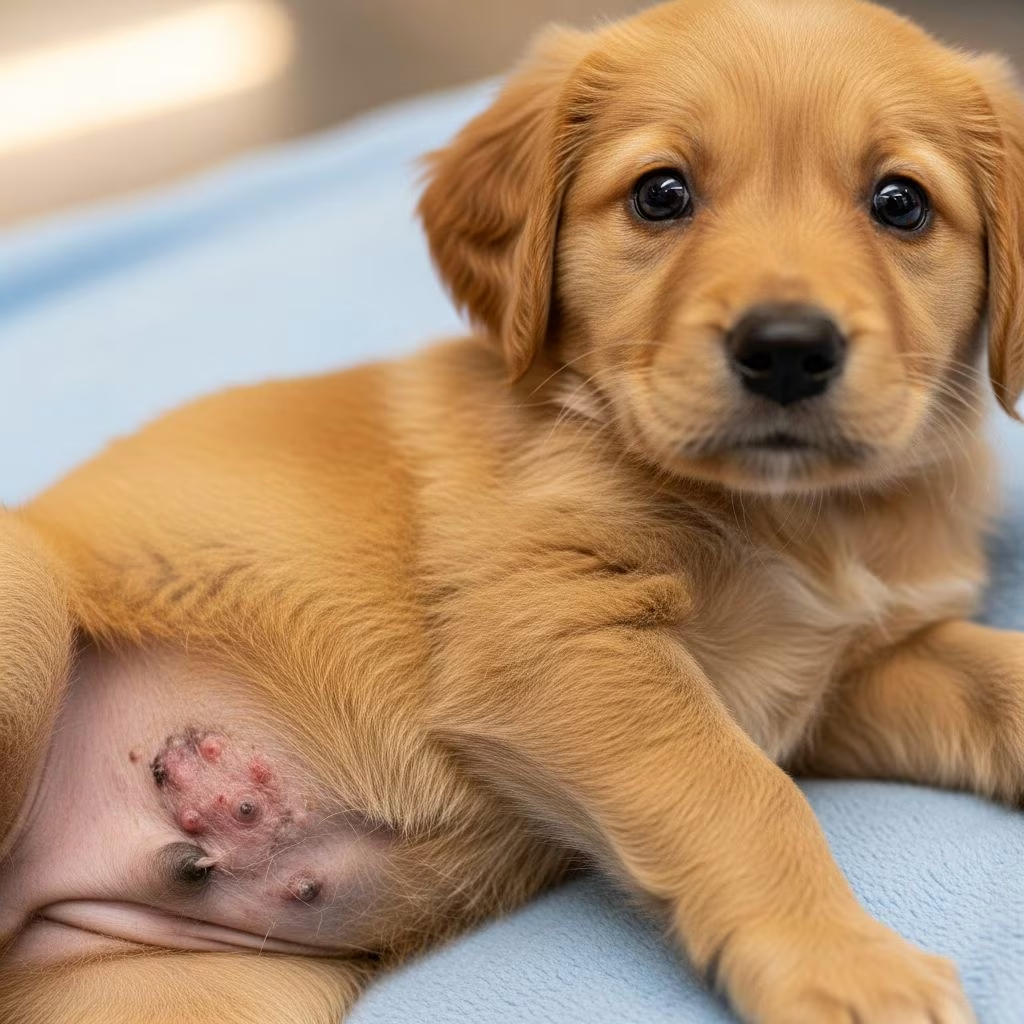
Young dogs frequently encounter various health challenges during their developmental years, and skin infections represent one of the most common concerns veterinarians address. Impetigo, a bacterial skin infection, affects puppies at higher rates than adult dogs due to their still-developing immune systems and tendency to engage in rough play that can damage the skin barrier. Understanding this condition, recognizing its early signs, and knowing when to seek professional treatment can help protect your puppy’s health and comfort.
Understanding Puppy Impetigo and Bacterial Pyoderma
Impetigo is a superficial bacterial infection of the skin that occurs most frequently in puppies and young dogs. The infection typically involves bacteria that naturally inhabit a dog’s skin and nasal passages but cause problems only when they breach the skin barrier or encounter a weakened immune response. The most prevalent causative agent is coagulase-positive staphylococci, though other bacterial species can also contribute to infection development.
This condition falls under the broader category of pyoderma, which encompasses various bacterial skin infections in dogs. Unlike deeper skin infections, impetigo remains confined to the superficial layers and often presents as distinctive pustules—small, pus-filled bumps that appear on the affected areas. The infection can develop on any part of the body but shows a preference for hairless or sparsely-haired regions, particularly the abdomen, face, and paws.
Risk Factors and Underlying Causes
While the exact mechanisms behind puppy impetigo remain not entirely understood, research has identified several contributing factors that increase susceptibility. Puppies face inherent vulnerability due to their immature immune systems, which have not yet fully developed protective mechanisms. This developmental limitation makes them significantly more prone to bacterial colonization than adult dogs.
Primary Contributing Factors
- Skin Damage: Any break in the skin barrier—whether from scratching, biting, abrasions from rough play, or minor injuries—creates an entry point for bacteria
- Immune Compromise: Malnutrition, underlying health conditions, and stress can all suppress immune function, allowing bacterial overgrowth
- Endocrine System Weakness: Hormonal imbalances or underdeveloped endocrine function can increase infection susceptibility
- Environmental Factors: Poor hygiene, unclean living conditions, and contaminated bedding or toys facilitate bacterial spread
Specific Triggering Conditions
Several specific conditions commonly precipitate impetigo development in puppies. Parasitic infestations, particularly flea infections, create intense itching that drives excessive scratching and compromises skin integrity. Food allergies trigger inflammatory responses that damage the skin barrier and predispose to bacterial infection. Insect bites and mange mite infestations similarly cause skin damage and irritation. Urine scalding—skin irritation from prolonged contact with urine—represents another preventable risk factor, particularly in puppies with housetbreaking difficulties or those confined in dirty environments.
Recognizing the Clinical Signs
Early recognition of impetigo symptoms enables prompt veterinary intervention and faster recovery. The infection typically begins as an itchy, red rash appearing on hairless or minimally-haired skin areas. Affected puppies display visible discomfort and may engage in increased licking or scratching of the affected regions.
Characteristic Skin Lesions
As the infection progresses, several distinctive lesion types develop. The hallmark sign involves pus-filled, painful red bumps resembling acne or pimples, particularly noticeable on the face and paws. These pustules contain bacterial material and inflammatory fluid. Over time, affected lesions develop crusty, scab-like appearances as the body attempts to isolate and contain the infection. In some cases, the ruptured blisters leave behind circular crusts or dry, flaky patches of skin.
Behavioral and Systemic Changes
Beyond visible skin changes, infected puppies often exhibit behavioral modifications. Lethargy and depression represent common systemic responses to infection. Affected puppies may show decreased appetite and reduced interest in normal activities. These behavioral signs, combined with visible skin lesions, should prompt immediate veterinary consultation.
Progression Without Treatment
When impetigo progresses unchecked, more serious complications develop. Continued scratching spreads the infection to new body areas, potentially resulting in significant hair loss and weight loss. In severe untreated cases, the infection can penetrate deeper skin layers, leading to secondary infections and more extensive tissue involvement.
Diagnostic Approaches and Confirmation
While experienced veterinarians often recognize impetigo based on clinical appearance and patient history, definitive diagnosis benefits from confirmatory testing. The characteristic presentation of pustules confined to superficial, non-follicular skin areas strongly suggests impetigo, but bacterial culture provides crucial information for optimal treatment planning.
Culture and Sensitivity Testing
Culture and sensitivity analysis identifies the specific bacterial organism responsible for infection and determines antibiotic susceptibility patterns. This testing proves particularly valuable in cases where initial treatment shows inadequate response or when resistant bacteria are suspected. The results guide antibiotic selection, ensuring that prescribed medications target the actual causative organism rather than relying on empirical choices. This approach helps prevent unnecessary antibiotic exposure and reduces the likelihood of resistance development.
Treatment Strategies and Recovery Protocols
Impetigo responds well to treatment across a spectrum of severity levels. Some mild cases resolve spontaneously when environmental triggers—such as dirty living conditions—are corrected, though veterinary supervision remains essential to ensure appropriate healing. Most cases, however, benefit from active therapeutic intervention that accelerates recovery and prevents progression.
Medicated Bathing Protocols
Topical therapy using medicated shampoos represents the cornerstone of impetigo treatment, particularly for mild to moderate cases. Veterinarians typically prescribe shampoos containing specific antiseptic agents that effectively eliminate surface bacteria. Chlorhexidine-based shampoos (2-4% concentration) demonstrate the most reliable efficacy against the primary causative bacteria. Benzoyl peroxide formulations offer an alternative mechanism, effectively penetrating follicles and reducing bacterial populations. Some formulations combine sulfur with salicylic acid, providing additional keratolytic benefits.
Treatment frequency and duration depend on infection severity. Puppies with active infections typically require shampooing one to three times weekly for a minimum of two weeks. Maintaining consistent treatment frequency proves essential, as interruptions allow bacterial regrowth. Importantly, pet owners should avoid excessive bathing with regular dog shampoo, as this can strip natural protective skin oils and worsen the condition.
Systemic Antibiotic Therapy
Moderate to severe infections often require oral antibiotics to achieve systemic bacterial elimination. Veterinarians frequently prescribe cephalexin, clindamycin, or erythromycin for treatment periods of six to eight weeks. These systemic antibiotics circulate throughout the bloodstream, reaching bacteria that topical treatments cannot adequately address. The extended treatment duration ensures complete eradication and minimizes recurrence risk.
In cases where initial antibiotic courses fail to resolve infection, resistant bacteria may be present. Culture and sensitivity testing becomes particularly valuable in these scenarios, as it identifies resistant organisms and guides selection of alternative antibiotics. Multiple antibiotic courses may be necessary when bacterial resistance is documented.
Topical Antibiotic Preparations
For localized infections affecting limited body areas, topical antibiotic ointments or creams provide concentrated delivery directly to affected skin. These preparations prove particularly useful for supplementing systemic therapy or for managing minor lesions. However, topical antibiotics alone may prove insufficient for more extensive infections, necessitating combination therapy with systemic antibiotics and medicated baths.
Supporting Recovery Through Environmental Management
Successful treatment extends beyond medications to encompass environmental and hygiene modifications. Keeping affected skin areas clean and dry prevents bacterial overgrowth and promotes healing. Pet owners should ensure bedding is laundered regularly in hot water to eliminate contaminating bacteria. Contaminated toys and objects should be cleaned or temporarily removed to prevent reinfection.
Preventing excessive scratching during the healing phase proves important, as continued trauma reopens lesions and perpetuates infection. Anti-itch topical preparations can help manage discomfort and reduce self-trauma. When environmental factors like poor sanitation contributed to infection development, corrections must be implemented to prevent recurrence.
Prevention and Long-Term Management
Preventing impetigo recurrence requires attention to underlying risk factors. Regular grooming and bathing with appropriate products maintain skin health and support immune function. Controlling parasites through consistent flea and tick prevention eliminates a significant triggering factor. Addressing food allergies through dietary modification or management prevents immune-driven skin inflammation.
Maintaining clean, dry living environments significantly reduces bacterial colonization risk. Puppies should have access to clean bedding, and contaminated materials should be promptly replaced. Ensuring adequate nutrition supports immune system development and strength.
Managing stress through appropriate socialization, exercise, and stable routines supports immune competence. Puppies experiencing significant stress show increased susceptibility to infections, making environmental stability important for prevention.
Antibiotic Stewardship and Resistance Considerations
The emergence of methicillin-resistant and multidrug-resistant bacteria has complicated pyoderma treatment in recent years. These resistant organisms require careful antibiotic selection based on culture results rather than empirical prescribing. Importantly, owners must complete full antibiotic courses as prescribed, even when symptoms resolve, to prevent resistance development.
Avoiding certain antibiotics without culture guidance has become necessary, as some bacteria produce enzymes that destroy common first-line antibiotics. Penicillin, amoxicillin, and ampicillin should not be used empirically for canine pyoderma without sensitivity data, given resistance prevalence.
When to Seek Veterinary Care
Any visible skin infection in puppies warrants veterinary evaluation. Early intervention prevents progression to severe disease and complicated secondary infections. Puppies showing systemic signs—fever, lethargy, loss of appetite—require prompt professional assessment. If skin infections fail to improve within two weeks of treatment or show progression despite therapy, revised diagnostic approaches and treatment modifications become necessary.
Prognosis and Expected Recovery Timeline
The prognosis for impetigo in puppies is generally excellent with appropriate treatment. Most cases resolve completely within three to four weeks with consistent topical therapy and, when necessary, systemic antibiotics. Spontaneous resolution occurs in some puppies when environmental triggers are eliminated, though active treatment typically accelerates this process.
With proper care and adherence to veterinary treatment recommendations, long-term complications are uncommon. Maintaining follow-up appointments ensures infection resolution and identifies any underlying conditions requiring additional management.
References
- How to identify and treat impetigo in puppies — BetterPet. https://www.betterpet.com/learn/impetigo-in-dogs
- Uncovering & Managing Impetigo in Puppies: A Comprehensive Guide — Animal Friends Dermatology. 2024-03-15. https://www.animalfriendsdermatology.com/site/blog/2024/03/15/uncovering-managing-impetigo-puppies
- Understanding What is Impetigo in Dogs — Pet Honesty. https://www.pethonesty.com/blogs/blog/understanding-what-is-impetigo-in-dogs
- Pyoderma in Dogs and Cats – Integumentary System — Merck Veterinary Manual. https://www.merckvetmanual.com/integumentary-system/pyoderma/pyoderma-in-dogs-and-cats
- Pyoderma in Dogs — VCA Animal Hospitals. https://vcahospitals.com/know-your-pet/pyoderma-in-dogs
- Treating Resistant Skin Infections in Dogs — Today’s Veterinary Practice. https://todaysveterinarypractice.com/dermatology/treating-resistant-skin-infections-in-dogs/
- Puppy Pyoderma, Superficial Pyoderma, Impetigo — Connecticut Humane Society. https://cthumane.org/wp-content/uploads/2024/04/Puppy-Pyoderma.pdf



