

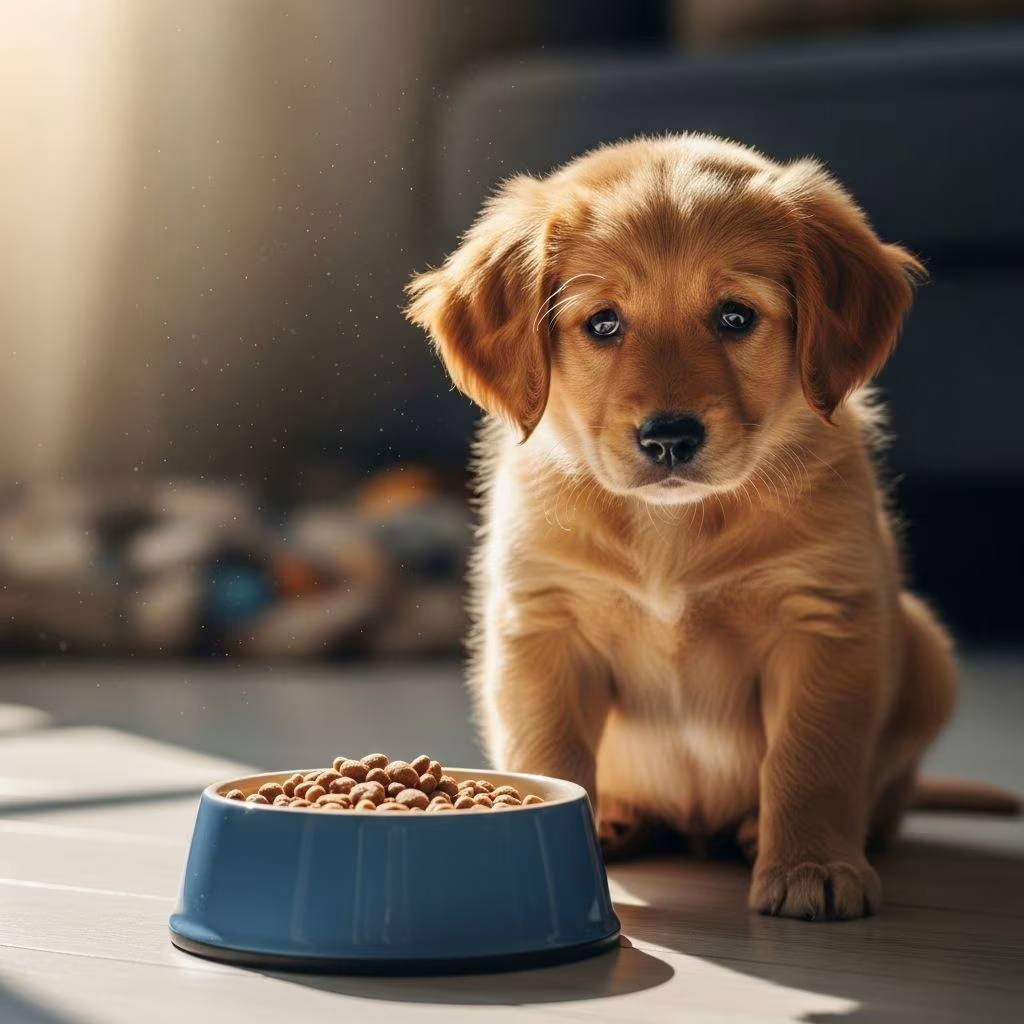
Your energetic little puppy suddenly turns away from their bowl, leaving kibble untouched. This common concern among new pet parents can stem from simple adjustments or signal deeper problems. Understanding the reasons behind a puppy’s refusal to eat empowers you to respond appropriately, safeguarding their growth and vitality.
Common Triggers for Reduced Appetite in Puppies
Puppies, with their developing systems, can skip meals for various reasons. Identifying the trigger often starts with observing recent changes in their world or body.
Adjustment to New Surroundings
Moving to a new home, welcoming a baby, or even rearranging furniture can unsettle a sensitive pup. These shifts disrupt routines, leading to temporary disinterest in food as they process the unfamiliar. Puppies thrive on consistency, so environmental upheavals often manifest as picky eating phases lasting a day or two.
Discomfort from Growing Pains
Around 3-6 months, puppies enter teething, where baby teeth give way to adults. Inflamed gums make chewing painful, causing them to avoid hard foods. Provide soft options or chilled toys to soothe, but monitor if avoidance persists beyond a week.
Selective Tastes and Food Factors
Like toddlers, puppies can be finicky. A switch in brand, stale kibble, or unappealing texture might prompt rejection. Ensure food is fresh, stored properly, and transitioned gradually over 7-10 days to prevent digestive upset.
Overactivity or Insufficient Exercise
Too much play tires them out, suppressing hunger, while boredom from under-stimulation dulls appetite. Balance daily walks and play to match their breed’s energy needs, promoting regular mealtimes.
Health-Related Reasons Puppies Skip Meals
Beyond behavioral causes, medical issues demand prompt attention. Appetite loss often flags underlying conditions in fast-growing pups.
Gastrointestinal Disturbances
Upset stomachs from scavenged items, rapid diet changes, or parasites like worms reduce interest in food. Watch for loose stools or regurgitation alongside.
Oral and Dental Concerns
Beyond teething, fractures, infections, or tartar buildup cause pain on contact with food. Inspect gums for redness or swelling; a vet dental check is essential if bad breath accompanies.
Infections and Systemic Diseases
Viral threats like parvovirus strike hard in unvaccinated pups, causing severe refusal plus exhaustion. Bacterial issues, pancreatitis, or organ strains (liver, kidney) also suppress hunger. Puppies dehydrate faster, amplifying risks.
Medication Effects or Toxins
Post-vaccination soreness or side effects from treatments can temporarily deter eating. Accidental toxin ingestion mimics illness; secure households prevent this.
Recognizing When to Seek Professional Help
Not all skips warrant alarm, but timelines and symptoms guide action. Puppies can’t fast like adults; low blood sugar (hypoglycemia) endangers small breeds within hours.
- 24-Hour Mark: No food intake without clear cause—call vet.
- Accompanying Signs: Lethargy, persistent vomiting/diarrhea, weakness.
- Hydration Checks: Pinch skin on neck; slow tenting signals dehydration.
- Behavioral Shifts: Aggression, excessive sleep, or toilet changes.
- Weight Fluctuations: Rapid loss indicates urgency.
| Symptom | Potential Issue | Action |
|---|---|---|
| Lethargy + No Eat | Infection/Parvo | Emergency Vet |
| Vomiting/Diarrhea | GI Upset | Vet within 24h |
| Pain on Chewing | Dental/Teething | Exam + Soothing Aids |
| Normal Energy, Picky | Stress/Food | Monitor 48h |
Safe Strategies to Encourage Eating
While awaiting vet input for concerning cases, try these gentle nudges tailored to puppies.
Enhance Meal Appeal
Warm wet food slightly to release aromas, or mix in low-sodium broth. Top kibble with safe toppers like plain yogurt or pumpkin puree for fiber and taste.
Establish Routine Feeding
Offer meals 3-4 times daily in a quiet spot, removing uneaten portions after 15-20 minutes to build hunger. Consistency fosters good habits.
Promote Gentle Exercise
Short walks before meals stimulate appetite without exhaustion. Avoid forcing; let natural hunger guide.
Soothe Discomfort
For teething, frozen carrots or vet-approved chews numb gums. Ensure ample fresh water, perhaps via puzzle feeders.
Caution: Never use human foods excessively; obesity risks loom large in pups.
Preventing Future Appetite Issues
Proactive care minimizes episodes, supporting steady development.
- Follow vaccination schedules to block infections.
- Introduce new foods slowly.
- Maintain dental hygiene with brushes or additives.
- Provide stable environments and exercise.
- Regular vet checkups catch issues early.
Frequently Asked Questions
How long can a puppy go without eating?
Under 24 hours max for most; smaller breeds risk hypoglycemia sooner. Consult vet promptly.
Is it normal for puppies to not eat during teething?
Yes, briefly, due to gum soreness. Soft foods and chews help; persistent refusal needs checking.
What if my puppy won’t drink water either?
Dehydration emergency—offer ice cubes or electrolyte solutions, then rush to vet.
Can stress really make a puppy stop eating?
Absolutely; new homes or routines often cause short-term loss. Patience and familiarity restore it.
Should I force-feed my puppy?
No—risks aspiration. Use enticements; vet syringe-feeding only if advised.
Long-Term Nutrition for Thriving Puppies
Beyond resolving dips, optimal diets fuel growth. Choose AAFCO-approved puppy formulas matching size and activity. Portion per weight, adjusting as they mature. Monitor body condition: visible waist, palpable ribs signal balance.
Incorporate variety safely—veggies for fiber, fish oils for coat health. Annual bloodwork verifies nutrient absorption, especially in breeds prone to sensitivities.
Building a food-positive bond starts young: hand-feeding bits during training reinforces mealtime joy. Track intake via apps, noting trends for vet discussions.
Puppies refusing meals challenge owners, but informed responses turn worry into wellness. Your vigilance ensures they bound into adulthood strong and happy.
References
- Why is My Puppy Not Eating? (2023) — Beco Pets. 2023. https://www.becopets.com/blogs/news/puppy-not-eating
- Why is Your Puppy Not Eating? Reasons for a Change in Food Intake — Purina. N/A. https://www.purina.com/articles/dog/puppy/health/puppy-not-eating
- Why Is My Dog Not Eating? Causes and What To Do — PetMD. N/A. https://www.petmd.com/dog/symptoms/why-my-dog-not-eating



