

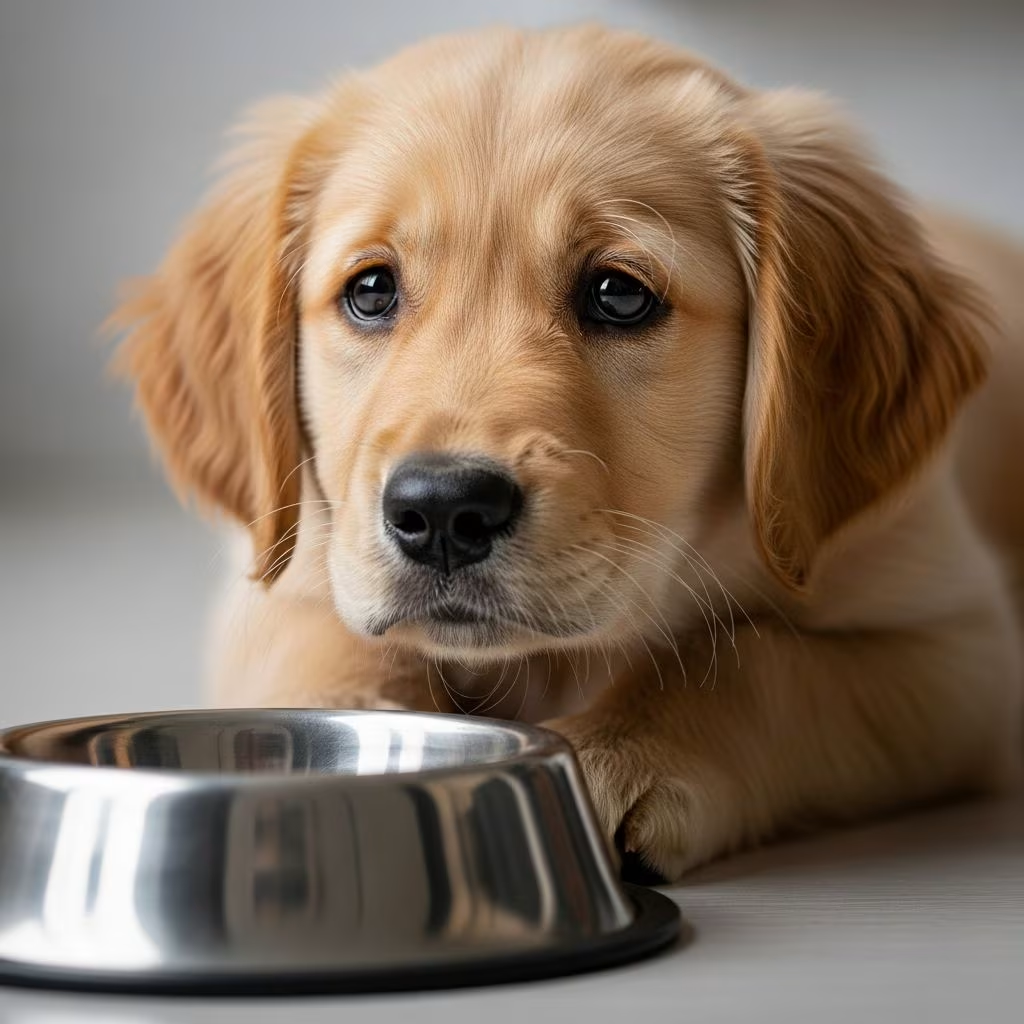
Puppies require consistent nutrition for proper growth and development, so a sudden refusal to eat warrants prompt attention. Understanding the underlying factors can help owners address the issue effectively while knowing when professional veterinary intervention is necessary.
Understanding Normal Puppy Eating Patterns
Young dogs typically eat multiple small meals daily, often showing enthusiasm for food due to their high energy needs. Deviations from this, such as skipping meals entirely, signal potential problems. Puppies under six months have limited energy reserves compared to adults, making prolonged fasting riskier.
Factors like age influence expectations: weaning puppies might experiment with food, while older ones follow stricter routines. Monitoring intake alongside behavior provides context for changes.
Common Non-Medical Reasons for Refusal to Eat
Many instances stem from everyday adjustments rather than illness. Identifying these allows simple fixes without veterinary visits.
- Adjustment to New Surroundings: Moving homes or separation from littermates triggers anxiety, suppressing hunger. Create a calm space with familiar items to ease transition.
- Recent Diet Changes: Abrupt switches to new kibble or flavors upset digestion. Transition over 7-10 days by mixing old and new food gradually to prevent refusal.
- Excessive Treat Consumption: Training rewards or human snacks fill tiny stomachs, leading to meal skips. Limit treats to 10% of daily calories and use them sparingly.
- Environmental Discomfort: Heat, noise, or recent exercise reduces interest in food. Feed in a cool, quiet area post-activity.
- Teething Discomfort: Emerging adult teeth cause mouth soreness around 3-6 months, making chewing painful. Offer frozen chew toys for relief.
Health-Related Causes of Decreased Appetite
When behavioral tweaks fail, medical evaluation becomes essential. Puppies hide illness well, so subtle signs matter.
| Cause | Symptoms | Action |
|---|---|---|
| Gastrointestinal Upset | Diarrhea, vomiting | Monitor 24 hours; vet if persists |
| Dental Problems | Drooling, bad breath, pawing at mouth | Professional cleaning/exam |
| Parasites/Infections | Lethargy, weight loss | Fecal tests, deworming |
| Systemic Diseases | Weakness, dehydration | Immediate vet for bloodwork |
Conditions like parvovirus demand urgency in unvaccinated pups, presenting with severe symptoms alongside anorexia.
Recognizing Danger Signs That Require Urgent Care
Not all appetite loss poses immediate threats, but certain combinations do. Puppies dehydrate faster than adults, amplifying risks.
- Skipping two consecutive meals or 24+ hours without eating.
- Not drinking water, leading to dry gums or sunken eyes.
- Accompanied by vomiting, bloody diarrhea, or seizures signaling hypoglycemia.
- Lethargy, trembling, or unusual weakness.
- Signs of pain like whining or hunched posture.
Err on caution: contact a vet for any multi-symptom cases, especially in puppies under 16 weeks.
Practical Strategies to Encourage Eating
Once serious issues are ruled out, these evidence-based methods stimulate appetite safely.
- Establish Routine: Feed 3-4 times daily at fixed times; remove uneaten food after 15 minutes to avoid grazing.
- Enhance Palatability: Warm food slightly or add vet-approved toppers like broth (low-sodium).
- Exercise Before Meals: Short play sessions build hunger without exhaustion.
- Portion Control: Avoid overfeeding; follow breed-specific guidelines based on weight and activity.
- Hand-Feeding Trials: Temporarily feed by hand to rebuild positive associations, phasing out gradually.
For picky eaters, rotate approved protein sources slowly, ensuring nutritional balance.
Nutritional Guidelines for Optimal Puppy Health
Complete, balanced puppy formulas support growth with higher protein/fat than adult diets. Key components include:
- DHA for brain development.
- Antioxidants for immunity.
- Controlled calcium for bone health.
Avoid human foods high in fat/salt, which spoil tastes and cause pancreatitis. Consult vets for breed-specific needs, like large breeds prone to joint issues.
Preventive Measures to Maintain Steady Appetite
Proactive habits minimize episodes:
- Regular vet checkups with vaccinations/deworming.
- Consistent feeding schedule from weaning.
- Dental hygiene via chews and annual cleanings.
- Stress reduction through gradual introductions.
- Monitor weight weekly to catch trends early.
FAQs on Puppy Appetite Issues
Is it normal for my puppy to skip a meal occasionally?
Yes, if acting energetic and hydrated, especially during growth spurts or mild excitement. Persistent skips need review.
How long can a puppy go without eating?
No more than 24 hours; younger ones less. Risks include low blood sugar.
What if my puppy won’t eat but drinks water?
Observe for other symptoms. Hydration buys time, but vet check recommended after 24 hours.
Can medications cause appetite loss?
Yes, some post-vaccination soreness or antibiotics do temporarily. Discuss with prescribing vet.
Should I force-feed my puppy?
No; it risks aspiration. Use encouragement or seek professional guidance.
Long-Term Monitoring and When to Follow Up
Track eating in a journal noting portions, stool quality, and energy. If issues recur, advanced diagnostics like ultrasounds may uncover parasites or organ problems. Partner with vets for tailored plans, ensuring vaccinations protect against appetite-suppressing diseases like parvo.
Restoring appetite supports milestones like house training and socialization. Persistent problems impact development, underscoring early action.
References
- Why is Your Puppy Not Eating? Reasons for a Change in Food Intake — Purina. 2023. https://www.purina.com/articles/dog/puppy/health/puppy-not-eating
- Why Is My Dog Not Eating? Causes and What To Do — PetMD. 2024-02-15. https://www.petmd.com/dog/symptoms/why-my-dog-not-eating
- Is Your Pet Not Eating? Causes and When to Call a Vet — PetVet Fishers. 2023-10-01. https://www.petvetfishers.com/blog/is-your-pet-not-eating-causes-and-when-to-call-a-vet
- Puppy not Eating – Causes and Solutions — VitaPet. 2024. https://vitapet.com/au/vitapet-central/articles/puppy-not-eating-causes-and-solutions/
- Why is my dog not eating and what can I do? — Small Door Veterinary. 2023. https://www.smalldoorvet.com/learning-center/what-to-do/dog-wont-eat
- Dog Not Eating? Possible Causes and Appetite Solutions — WebMD. 2024-01-10. https://www.webmd.com/pets/dogs/dog-not-eating-possible-causes-and-appetite-solutions
- 7 Reasons Why Your Dog Is Not Eating (and How to Help) — GoodRx. 2024. https://www.goodrx.com/pet-health/dog/not-eating



