

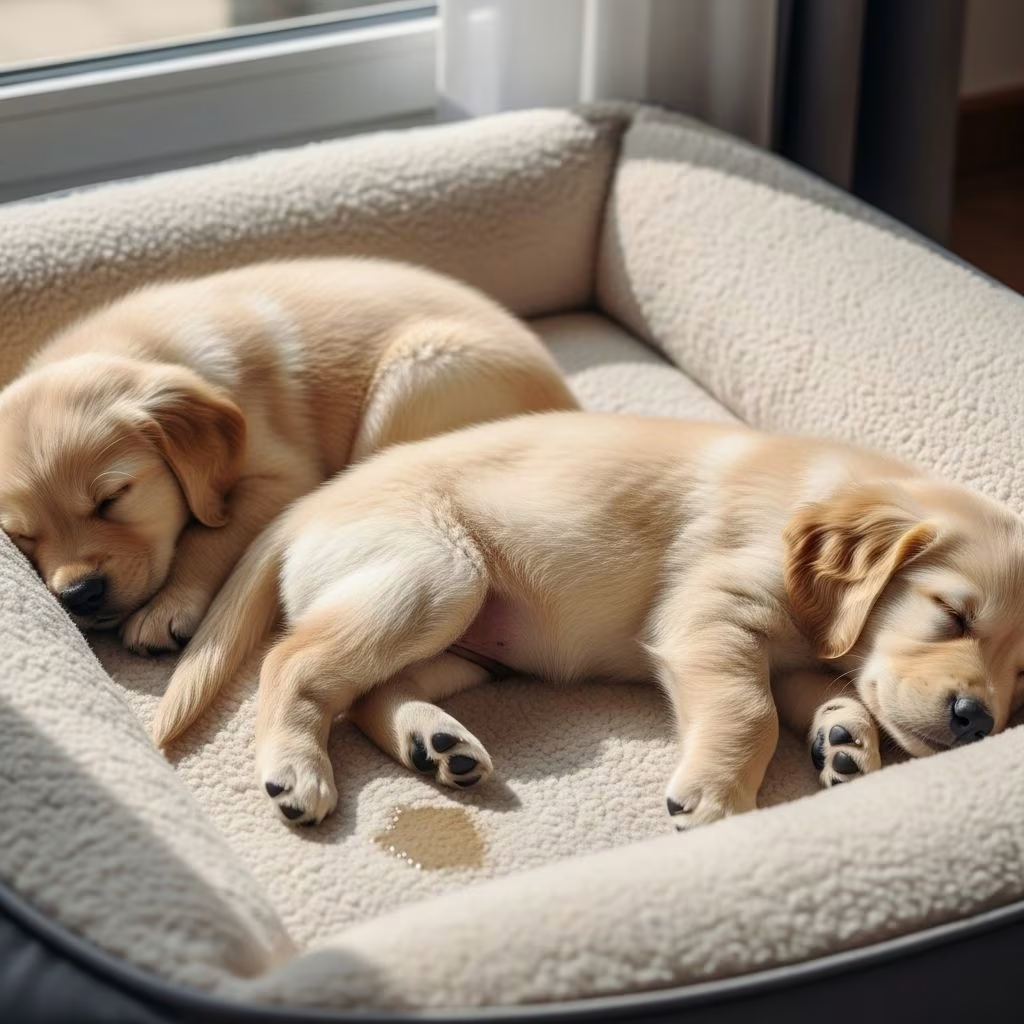
Observing a puppy urinate while asleep can alarm any pet owner, but this phenomenon has several explanations ranging from benign developmental stages to underlying medical concerns. Understanding these factors helps in timely intervention and ensures your young dog’s comfort and health.
Understanding Bladder Development in Young Dogs
Puppies are born with underdeveloped bladder control mechanisms. Their nervous systems are still maturing, making it challenging to hold urine during deep sleep phases. This is particularly common in litters under 12 weeks old, where the bladder sphincter muscles lack full strength.
During the first few months, puppies rely heavily on their mothers or owners to stimulate urination. As they grow, voluntary control develops around 8-12 weeks, coinciding with housetraining efforts. Occasional accidents during sleep often resolve naturally as the puppy ages, without indicating a problem.
- Bladder capacity increases with size and age.
- Sleep depth affects muscle relaxation, leading to leaks.
- Frequent potty breaks before bed can minimize incidents.
Common Medical Triggers for Sleep Urination
Beyond normal growth, various health issues can cause involuntary urination in resting puppies. Prompt recognition of symptoms allows for effective veterinary care.
Urinary Tract Infections (UTIs)
UTIs rank among the top reasons for puppy incontinence during sleep. Bacteria invade the urinary system, causing inflammation that weakens bladder control. Puppies may show signs like straining, small urine volumes, or discomfort.
| Symptom | Description |
|---|---|
| Increased thirst | Puppy drinks excessively. |
| Cloudy urine | Abnormal color or odor. |
| Frequent licking | Genital area irritation. |
| Blood in urine | Visible red tinges. |
Antibiotics typically resolve UTIs quickly, but untreated cases can lead to kidney complications.
Hormonal Changes Post-Spaying or Neutering
Recent surgical sterilization can disrupt hormone levels essential for urethral muscle tone. In females, reduced estrogen post-spaying often results in leakage during relaxation. Males may experience similar effects from testosterone drops.
This condition, known as hormone-responsive incontinence, affects about 20% of spayed females. Symptoms emerge weeks after surgery and improve with medications like phenylpropanolamine.
Congenital Defects like Ectopic Ureters
Some puppies are born with ectopic ureters, where ureters bypass the bladder and connect abnormally to the urethra or vagina. This structural flaw causes constant dribbling, worsened during sleep.
Diagnosis involves imaging like cystoscopy. Surgical correction offers high success rates, especially if addressed early.
Serious Health Conditions Linked to Incontinence
Less common but critical, systemic diseases can manifest as sleep peeing in puppies.
Kidney Disorders
Though rare in young dogs, kidney issues from toxins or infections impair urine concentration, leading to overflow incontinence. Watch for polydipsia (excessive drinking) and dilute urine.
Diabetes Mellitus
Type I diabetes, due to insulin deficiency, prompts extreme thirst and urination. Puppies may lose weight despite normal eating and develop recurrent UTIs.
- Lethargy and dehydration signs.
- Requires blood glucose testing.
- Managed with insulin and diet.
Neurological and Spinal Problems
Conditions like intervertebral disc disease (IVDD) damage nerves controlling the bladder. Puppies with trauma or congenital spinal issues lose sensation, urinating unaware.
Veterinary neurological exams and MRIs confirm diagnoses. Treatments range from rest to surgery.
Recognizing When It’s Time for Veterinary Help
Not every wet bed signals crisis, but patterns demand attention. Monitor if incidents increase, accompany other symptoms, or occur in housetrained puppies.
Key red flags:
- Sudden onset after housetraining.
- Paired with pain or behavioral changes.
- Persistent despite frequent outings.
A vet visit includes urinalysis, bloodwork, and possibly ultrasounds to pinpoint causes.
Practical Management Strategies at Home
While awaiting professional advice, implement these steps to support your puppy.
- Enhance bedtime routines: Last potty break close to sleep time.
- Supervise sleeping areas: Use waterproof mats for easy cleanup.
- Diet adjustments: Reduce evening water intake; opt for puppy formulas aiding digestion.
- Housetraining reinforcement: Positive rewards build control.
For diagnosed incontinence, medications strengthen sphincter muscles. Natural aids like cranberry supplements may deter UTIs, but consult vets first.
Preventive Measures for Long-Term Bladder Health
Proactive care minimizes risks. Maintain hygiene to prevent infections, schedule regular check-ups, and monitor weight to avoid diabetes predispositions.
Breeds prone to issues—like those with short legs (e.g., Dachshunds for IVDD)—warrant extra vigilance. Balanced exercise supports muscle tone without overexertion.
FAQs on Puppy Sleep Peeing
Is it normal for puppies under 6 months to pee while sleeping?
Yes, due to immature control, but frequency should decrease with age.
How do I differentiate UTI from normal accidents?
Look for odor, straining, or licking; urinalysis confirms.
Can diet influence bladder control?
High-quality food reduces infection risks; avoid fillers.
What if my puppy is spayed and now leaks?
Hormone therapy often resolves post-surgical incontinence.
Are there home remedies for puppy incontinence?
Supportive care yes, but cures need vet diagnosis.
Prognosis and Owner Expectations
Most cases respond well to treatment. Developmental issues self-resolve, infections clear with meds, and surgeries fix defects. Ongoing management suits chronic conditions like diabetes.
Patience and consistency yield dry nights. Track progress and adjust as your puppy grows.
References
- Do Puppies Pee in Their Sleep? Vet Reviewed Facts & FAQ — Dogster. 2023. https://www.dogster.com/dog-health-care/do-puppies-pee-in-their-sleep
- Why Is My Dog Peeing in Their Sleep? — ElleVet Sciences. 2023. https://www.ellevetsciences.com/blog/dog-pees-in-sleep/
- Dog Bedwetting: Why Does My Dog Pee In Their Sleep? — Paw Origins. 2024. https://paworigins.com/blogs/vet-blogs/dog-bedwetting-why-does-my-dog-pee-in-their-sleep
- Can dogs pee in their sleep? — Snoozer Pet Products. 2022-12-01. https://snoozerpetproducts.com/2022/12/can-dogs-pee-in-their-sleep/
- Does my puppy have urinary incontinence? — Vetster. 2023. https://vetster.com/en/wellness/does-my-puppy-have-urinary-incontinence
- Urinary Incontinence in Dogs: Signs, Causes, Treatments — Best Friends Animal Society. 2023. https://bestfriends.org/pet-care-resources/urinary-incontinence-dogs-signs-causes-treatments
- Urinary Incontinence (Urethral Incontinence) in Dogs — VCA Animal Hospitals. 2023. https://vcahospitals.com/know-your-pet/urethral-incontinence-in-dogs



