

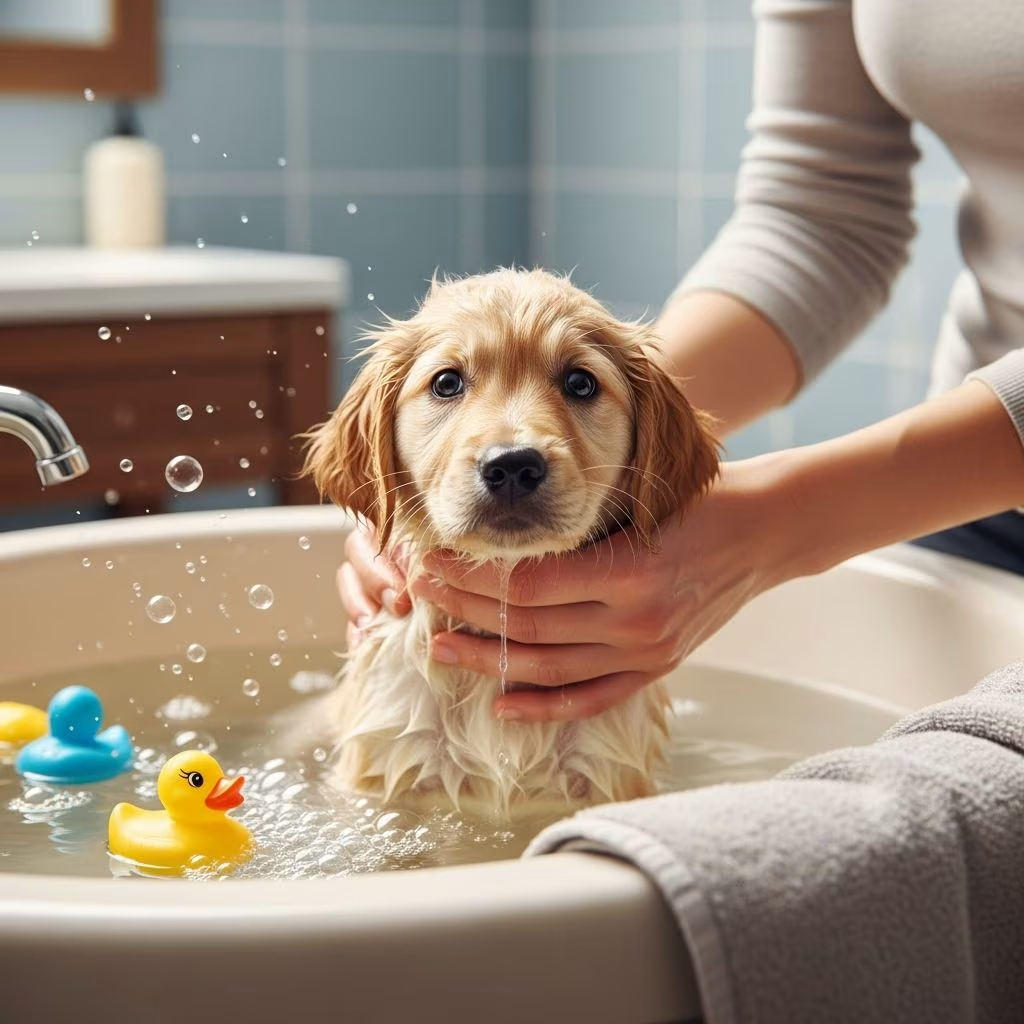
Introducing your new puppy to bathing requires careful timing and technique to support their developing immune system and sensitive skin. Puppies under eight weeks old cannot effectively regulate body temperature, making full baths risky and potentially leading to chills or illness. Instead, wait until they reach at least eight weeks before their initial full immersion in water.
Optimal Timing for Your Puppy’s Initial Bath
The consensus among veterinary and pet care experts is clear: postpone full baths until puppies are eight weeks or older. At this milestone, their thermoregulation abilities mature sufficiently to handle water exposure without health risks. For very young puppies, mother dogs naturally clean them through licking, eliminating the need for human intervention with soaps or submersion.
When bringing a new puppy home, especially if over eight weeks, allow one to two weeks for acclimation to the new environment before scheduling the first bath. This reduces stress and helps them associate the experience positively rather than with upheaval. Exceptions apply if the puppy arrives exceptionally soiled from travel or accidents, but even then, opt for spot cleaning with a damp cloth initially.
How Frequently Should Puppies Be Bathed?
Over-bathing puppies strips essential natural oils from their skin, causing dryness, irritation, and potential infections. Aim for baths every three to four weeks or as needed based on dirt accumulation, rather than a rigid schedule. Some sources suggest every one to three months for most puppies, adjusting for breed, coat type, and activity level.
- Short-coated breeds (e.g., Labrador Retrievers): May tolerate slightly more frequent baths if active outdoors.
- Long-coated breeds (e.g., Golden Retrievers): Require gentler handling to avoid matting, with baths every 4-6 weeks.
- Dirt or odor triggers: Visible mud, strong smells, or sticky fur signal bath time, regardless of calendar.
Between full baths, maintain hygiene through brushing, dry shampoos, or pet-safe wipes to preserve coat health.
Signs Your Puppy Requires a Bath
Monitor these indicators to decide on bath necessity without overdoing it:
| Sign | Description | Action |
|---|---|---|
| Visible Dirt or Mud | Puppy has rolled in soil or tracked in messes | Full bath if extensive; spot clean otherwise |
| Persistent Odor | Shift from puppy scent to unpleasant “doggy” smell | Bath with deodorizing puppy shampoo |
| Matted or Sticky Fur | Spills, food residue, or tangles forming | Gentle wash focusing on affected areas |
| Vet Recommendation | Skin conditions like allergies or fleas | Follow prescribed medicated routine |
Regular checks prevent escalation of minor issues into coat problems.
Essential Supplies for Puppy Bathing
Gather these items beforehand for a smooth process:
- Lukewarm water source (handheld sprayer or jug)
- Puppy-specific shampoo and conditioner (pH-balanced for sensitive skin)
- Non-slip bath mat
- Absorbent towels and optional low-heat blow dryer
- Treats, toys, or lick mats for positive reinforcement
- Pet comb or brush for post-bath grooming
Avoid human shampoos, as they disrupt the puppy’s skin barrier.
Step-by-Step Instructions for Bathing Your Puppy
Follow this structured approach to ensure safety and enjoyment:
- Prepare the Environment: Select a quiet, warm room with lukewarm water (around 100°F or body temperature). Line the tub or sink with a non-slip mat.
- Introduce Gradually: Place the dry puppy in the empty tub, offering praise and treats. Run water nearby to acclimate them to sounds without overwhelming.
- Wet the Coat: Start from the back and legs, moving upward. Skip the head initially; use a damp cloth for face, eyes, and ears to prevent discomfort.
- Apply Shampoo: Dilute puppy shampoo per instructions, massage gently into a lather, then rinse thoroughly from neck to tail.
- Condition if Needed: Apply conditioner, leave for recommended time, then rinse completely to avoid residue irritation.
- Dry Thoroughly: Towel off immediately, focusing on paws and belly. Use a low-heat dryer if tolerated, keeping distance to prevent burns.
- Positive Closure: Reward lavishly and brush to distribute oils and check for missed spots.
Keep sessions under 10-15 minutes to match short attention spans and minimize stress.
Tips to Make Bath Time Enjoyable
Transform potential anxiety into a bonding ritual:
- Use distractions like peanut butter on a lick mat during wetting.
- Speak calmly and maintain eye contact for reassurance.
- Practice weekly dry runs to build familiarity before the real bath.
- End on a high note with playtime or walks post-dry.
- For fearful puppies, start with paw-only dips progressing slowly.
Patience yields lifelong compliance; rushed introductions often lead to resistance.
Professional Grooming Introduction
Schedule the first groomer visit between 10-12 weeks or 12-14 weeks if vaccinations are current, allowing early socialization without health risks. Initial sessions focus on basic baths and handling to desensitize to clippers and dryers later. Home routines complement professional care, ensuring comfort in both settings.
Common Pitfalls to Avoid
Steer clear of these errors for optimal results:
- Water Temperature Extremes: Too hot scalds; too cold chills.
- Incomplete Rinsing: Soap remnants cause itching.
- Neglecting Drying: Damp fur breeds bacteria and odors.
- Forced Sessions: Builds aversion; always prioritize positivity.
FAQ
Can I bathe a puppy right after bringing it home?
If over eight weeks and not overly dirty, wait a week for settling. Spot clean as needed to avoid stress.
What if my puppy hates baths?
Desensitize gradually with dry tub play and rewards. Consult a trainer for severe phobias.
Is dry shampoo safe for puppies?
Yes, as a bath alternative, but choose puppy-formulated products sparingly.
How do I clean puppy ears and eyes during bath?
Use separate damp cloths; never submerge head. Consult vet for cleaning solutions.
When can puppies go to groomers?
After 10-14 weeks post-vaccinations for safety.
Health Benefits of Proper Bathing
Regular, appropriate bathing maintains coat integrity, reduces allergens, and detects issues like lumps or parasites early. It strengthens the human-puppy bond when done right, contributing to overall well-being.
References
- When and how to bathe a puppy – Wellbeloved — Wellbeloved. 2023. https://wellbeloved.com/blogs/puppy-training/puppy-bath/
- How Often Should Your Puppy Get a Bath? – Rover.com — Rover.com. 2023. https://www.rover.com/blog/puppy-bathing/
- Happy, Healthy, Clean Pup: Your Guide to Puppy Bath Time — Epic Tails Vet. 2024. https://www.epictailsvet.com/happy-healthy-clean-pup-your-guide-to-puppy-bath-time/
- Puppy’s first bath: Making it a paw-sitive experience – Ontario SPCA — Ontario SPCA. 2023. https://ontariospca.ca/blog/puppys-first-bath-making-it-a-paw-sitive-experience/
- Bathing Your Puppy: A Step-by-Step Guide – AKC.org — American Kennel Club. 2024-02-17. https://www.akc.org/expert-advice/health/bathing-your-puppy-step-by-step-guide/
- Puppy’s First Bath: When, How, and What to Use – Doggy Bathroom — Doggy Bathroom. 2023. https://doggybathroom.com/blogs/blog/puppys-first-bath-how-when-and-with-what
- How and When To Groom a Puppy | PetMD — PetMD. 2024. https://www.petmd.com/dog/general-health/grooming-tips-new-puppy



