

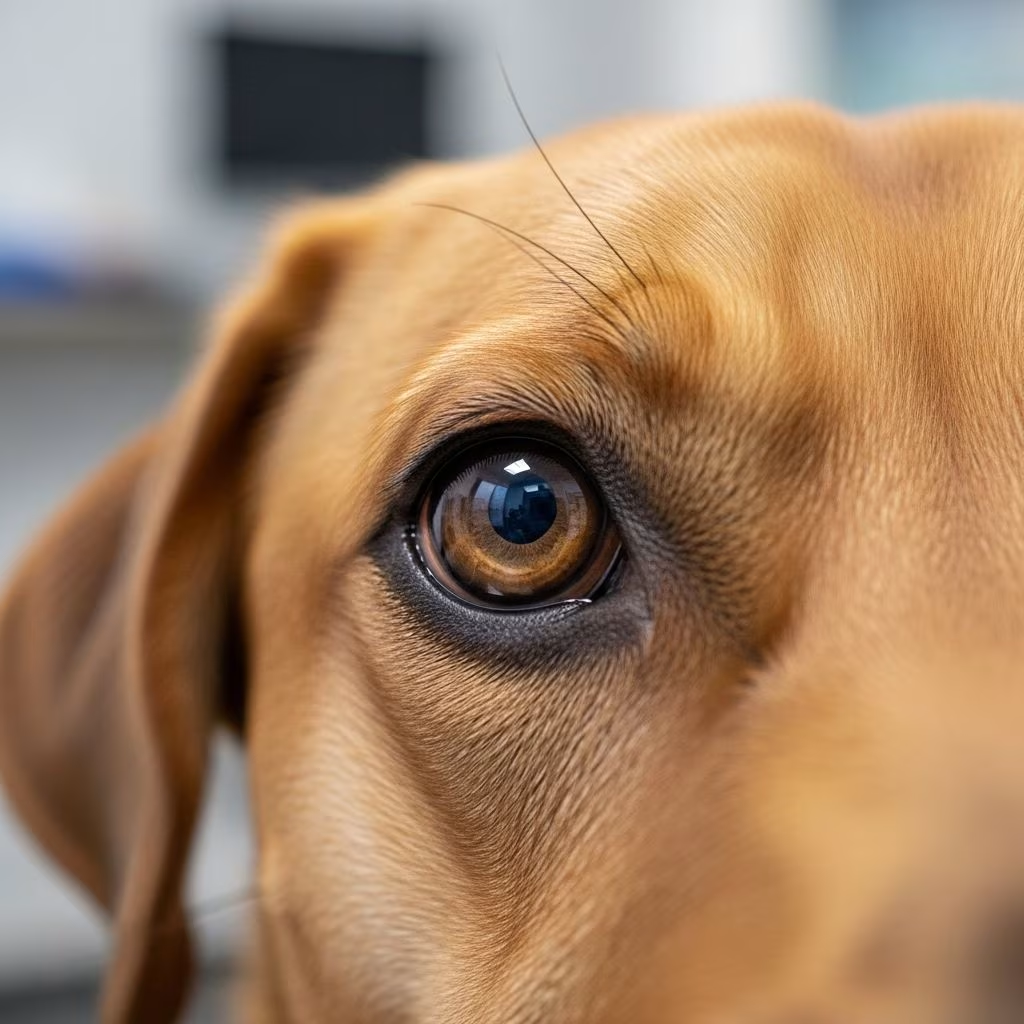
When you notice that your dog’s eyes don’t look quite right—specifically that one pupil appears larger or smaller than the other—you may be observing a condition called anisocoria. This condition, characterized by unequal pupil sizes, can range from a minor concern to an indicator of a serious underlying health issue. Understanding what causes this difference, recognizing its symptoms, and knowing when professional intervention is necessary can help protect your dog’s vision and overall well-being.
What Is Anisocoria and Why Does It Matter?
Anisocoria refers to a disparity in pupil size between a dog’s two eyes. While it might seem like a minor cosmetic concern, this condition is actually a symptom indicating that something is affecting how your dog’s eyes function. The pupils are controlled by complex neurological and muscular systems, and when this balance is disrupted, it signals a need for investigation.
The significance of anisocoria lies in its potential to indicate various health conditions—some manageable and others requiring urgent attention. The pupil size changes are controlled by muscles in the iris and regulated by both the sympathetic and parasympathetic nervous systems. When these systems malfunction, the result is visible as unequal pupil sizes. Understanding the underlying cause is essential for determining the appropriate treatment and preventing potential complications such as vision loss.
Primary Causes of Unequal Pupil Sizes
Ocular Surface and Corneal Damage
One of the more common causes of anisocoria involves damage to the eye’s surface structures. When the cornea—the clear protective layer covering the front of the eye—sustains an injury, such as a scratch or ulcer, the affected eye often responds by constricting its pupil. This protective response causes discomfort and reduces light entry into the damaged eye. Corneal injuries can result from various sources, including scratches from environmental contact, foreign objects, or trauma from fighting with other animals.
Head Trauma and Increased Brain Pressure
Significant head injuries from incidents such as vehicular accidents, falls, or blunt force trauma can lead to anisocoria. When the brain experiences bruising or internal bleeding, intracranial pressure increases, which can compress the nerves responsible for controlling pupil dilation. This type of anisocoria may accompany other neurological signs and requires immediate veterinary attention to assess the extent of brain injury and prevent further damage.
Neurological Dysfunction: Horner’s Syndrome
Horner’s syndrome represents a neurological condition affecting the sympathetic nervous system pathways that control eye muscle function. This disorder disrupts the nerve signals responsible for pupil dilation, resulting in a persistently constricted pupil on the affected side. The condition can stem from various causes, including nerve damage from spinal injuries, tumors affecting nerve pathways, or inflammation of nerve tissues.
Uveal Inflammation
The uvea—the middle layer of the eye comprising the iris, ciliary body, and choroid—can become inflamed due to infections, immune-mediated diseases, or other systemic conditions. When uveitis occurs, inflammatory mediators cause the iris muscles to contract, leading to pupil constriction in the affected eye. This inflammation typically produces additional symptoms that make diagnosis more straightforward for veterinarians.
Elevated Intraocular Pressure
Glaucoma, characterized by abnormally high pressure within the eye, can cause lasting changes in pupil size. In some cases, the increased pressure causes the pupil to remain permanently dilated. Unlike some other causes of anisocoria, glaucoma represents a progressive condition requiring ongoing management to prevent permanent vision loss and eye damage.
Degenerative Changes in Iris Tissue
As dogs age, the muscles within the iris can gradually weaken and lose their ability to function properly, a condition known as iris atrophy. This degenerative process is particularly common in older dogs and may result in a dilated, poorly responsive pupil. While degenerative iris changes typically progress slowly, they represent a permanent alteration in eye structure and function.
Iris and Ciliary Body Tumors
Neoplastic growths affecting the iris or ciliary body can cause anisocoria through multiple mechanisms. Tumors may trigger inflammation within the eye, cause secondary glaucoma, create adhesions between iris structures, or physically obstruct the pupil. The specific mechanism depends on the tumor’s location, size, and characteristics.
Accidental Nerve Damage
Certain veterinary procedures and handling techniques can inadvertently damage the nerves controlling pupil response. Deep ear flushing procedures, excessive force during jugular venipuncture (blood draws from the neck), and improper use of choke chains can all cause iatrogenic nerve injury. These injuries typically affect the sympathetic nerves coursing through the neck region, resulting in Horner’s syndrome-like symptoms.
Recognizing the Warning Signs
Visual Indicators
The most obvious sign of anisocoria is the size difference itself—one pupil appears noticeably larger or smaller than its counterpart. Beyond the size disparity, dog owners should watch for additional ocular symptoms that often accompany anisocoria:
- Redness or inflammation of the sclera (white part of the eye)
- Cloudiness, haziness, or bluish discoloration of the cornea
- Excessive tearing or mucus discharge from the affected eye
- Visible swelling or puffiness around the eyelids
Behavioral Changes
Dogs experiencing eye problems often exhibit behavioral signs reflecting their discomfort. These may include squinting or keeping the affected eye partially closed, excessive blinking, pawing at the face, and reluctance to move in certain directions due to vision changes. Some dogs become more withdrawn or anxious when experiencing ocular discomfort.
Pupil Response Abnormalities
In addition to size differences, abnormal pupil responses to light can indicate underlying problems. Normally, pupils should constrict when exposed to bright light and dilate in darkness. When this reflex is impaired or absent in one eye, it suggests dysfunction in the visual or neurological pathways controlling pupil response.
Diagnostic Approaches and Testing Methods
Physical Examination
The veterinary evaluation begins with careful observation of pupil size under various lighting conditions. The veterinarian examines how each pupil responds to light and assesses for other signs of ocular disease or trauma. This preliminary assessment helps determine whether the issue is primarily ocular or neurological.
Pharmacological Testing Techniques
When neurological causes are suspected, veterinarians may employ pharmacological tests to identify the specific nerve pathway affected. These tests involve applying different medications to the eye and observing how the pupil responds.
Physostigmine testing: This cholinesterase inhibitor affects parasympathetic nerve function. When applied to the eye, it causes rapid pupil constriction if a preganglionic parasympathetic lesion exists, distinguishing this from other parasympathetic dysfunction types.
Pilocarpine testing: This parasympathomimetic medication helps differentiate between various parasympathetic conditions. Animals with parasympathetic dysfunction show rapid constriction following pilocarpine application, while those with iris atrophy demonstrate only partial constriction. Importantly, pilocarpine can temporarily cause mild inflammation with associated redness and discharge.
Phenylephrine testing: Dilute phenylephrine solution tests sympathetic nerve function. When applied topically, it causes rapid dilation (typically within 20 minutes) if postganglionic sympathetic dysfunction is present, whereas it has no effect on normal eyes.
Advanced Diagnostic Imaging
When initial examination and pharmacological testing don’t yield clear answers, or when head trauma or neurological disease is suspected, advanced imaging becomes necessary. Computed tomography (CT) or magnetic resonance imaging (MRI) can reveal structural abnormalities, tumors, inflammation, or other pathological changes affecting the brain or nerve pathways.
Intraocular Pressure Measurement
Tonometry—the measurement of pressure within the eye—is essential when glaucoma is suspected. This simple test can confirm whether elevated intraocular pressure is contributing to pupil changes and helps guide treatment decisions.
Treatment Strategies Based on Underlying Cause
Medical Management Approaches
Treatment varies significantly depending on the specific diagnosis and severity of the condition. For infectious or inflammatory causes, veterinarians typically prescribe targeted medications:
- Antibiotic or antifungal eye drops: Address bacterial or fungal infections affecting corneal or uveal tissues
- Anti-inflammatory medications: Reduce swelling associated with uveitis, corneal disease, or neurological conditions
- Glaucoma medications: Help lower intraocular pressure and prevent progressive vision loss
- Pain management: Alleviate discomfort from corneal ulcers or other ocular injuries
Surgical Interventions
Some causes of anisocoria require surgical correction to restore normal function or prevent blindness. Surgical options may include repair of severe corneal injuries, removal of ocular tumors, glaucoma drainage procedures, or lens removal in cases of advanced cataracts. The decision to pursue surgery depends on the underlying diagnosis, the dog’s overall health status, and the potential for vision restoration or preservation.
Long-term Management Protocols
For chronic conditions like glaucoma or degenerative iris atrophy, lifelong management becomes necessary. Dogs with these conditions require ongoing medication administration, regular veterinary monitoring, and lifestyle adjustments to maintain comfort and preserve remaining vision. The prognosis varies—some conditions stabilize with treatment while others progress despite intervention.
When to Seek Emergency Veterinary Care
Sudden onset of anisocoria warrants immediate veterinary attention, as it may indicate a serious, time-sensitive condition. Emergency evaluation is particularly important if anisocoria is accompanied by other neurological signs such as head tilt, loss of balance, altered consciousness, or inability to move properly. Similarly, if a dog experiences obvious eye trauma followed by pupil changes, rapid professional assessment can help prevent permanent vision loss.
Prognosis and Recovery Expectations
The outlook for dogs with anisocoria depends entirely on the underlying cause and how promptly treatment begins. Minor conditions like corneal abrasions or infections often resolve completely with appropriate medical care. Conversely, some neurological causes produce permanent pupil changes that persist even after successful treatment of the underlying disease. Progressive conditions like glaucoma may stabilize but typically don’t reverse the damage already incurred.
Prevention and Risk Reduction
While not all causes of anisocoria are preventable, certain precautions can reduce risk. Avoiding use of choke chains, being gentle during grooming around the eyes and ears, protecting dogs from traumatic injuries, and maintaining prompt treatment of infections all contribute to eye health. Additionally, regular veterinary examinations allow early detection of progressive conditions before significant damage occurs.
Frequently Asked Questions
Is anisocoria always serious?
Anisocoria is a symptom rather than a diagnosis, and its seriousness depends on the underlying cause. While some causes like minor corneal scratches respond well to treatment, others like head trauma or certain neurological conditions can be quite serious. Any instance of unequal pupils warrants veterinary evaluation.
Can anisocoria cause blindness?
Depending on the cause, anisocoria can potentially lead to vision loss. Conditions like untreated glaucoma, severe uveitis, or traumatic injuries can damage structures necessary for vision. Prompt treatment significantly improves the chances of preserving sight.
Is anisocoria hereditary?
Most causes of anisocoria are not hereditary. However, some underlying conditions that produce anisocoria as a symptom—such as certain neurological disorders—may have genetic components in some dog breeds.
Can anisocoria resolve on its own?
Some mild cases associated with infections or minor inflammation may improve without treatment, but most cases benefit from veterinary intervention. Relying on spontaneous resolution risks missing serious underlying conditions.
Conclusion
Anisocoria in dogs represents a visible sign that something requires attention within your dog’s visual or neurological systems. From straightforward corneal injuries to complex neurological conditions, the causes are varied and the appropriate responses differ accordingly. By recognizing the signs of unequal pupils, understanding the potential underlying causes, and seeking prompt veterinary care, dog owners can help ensure their pets receive appropriate treatment and maintain the best possible vision and quality of life. Whether the prognosis involves complete recovery or long-term management, early diagnosis and targeted treatment provide the foundation for the best possible outcomes.
References
- The Practitioner’s Guide to Neurologic Causes of Canine Anisocoria — Today’s Veterinary Practice. 2016. https://todaysveterinarypractice.com/ophthalmology/the-practitioners-guide-neurologic-causes-canine-anisocoria/
- Anisocoria in Dogs: Causes & Treatment — Animal Emergency & Urgent Care. https://www.animalemergencyurgentcare.com/anisocoria-in-dogs/
- Anisocoria in Dogs: Symptoms, Causes, Diagnosis, & Treatment — Muffin’s Halo. https://www.muffinshalo.com/blogs/news/anisocoria-in-dogs
- Anisocoria in Dogs — PetMD. https://www.petmd.com/dog/conditions/eyes/anisocoria-dogs
- Anisocoria in Dogs — VCA Animal Hospitals. https://vcahospitals.com/know-your-pet/anisocoria-in-dogs
- Anisocoria in Dogs – Symptoms, Causes, Diagnosis, Treatment — Wag Walking. https://wagwalking.com/condition/anisocoria
- Unequal Pupils (Anisocoria) in Dogs — Vetster. https://vetster.com/en/symptoms/dog/unequal-pupils-anisocoria



