

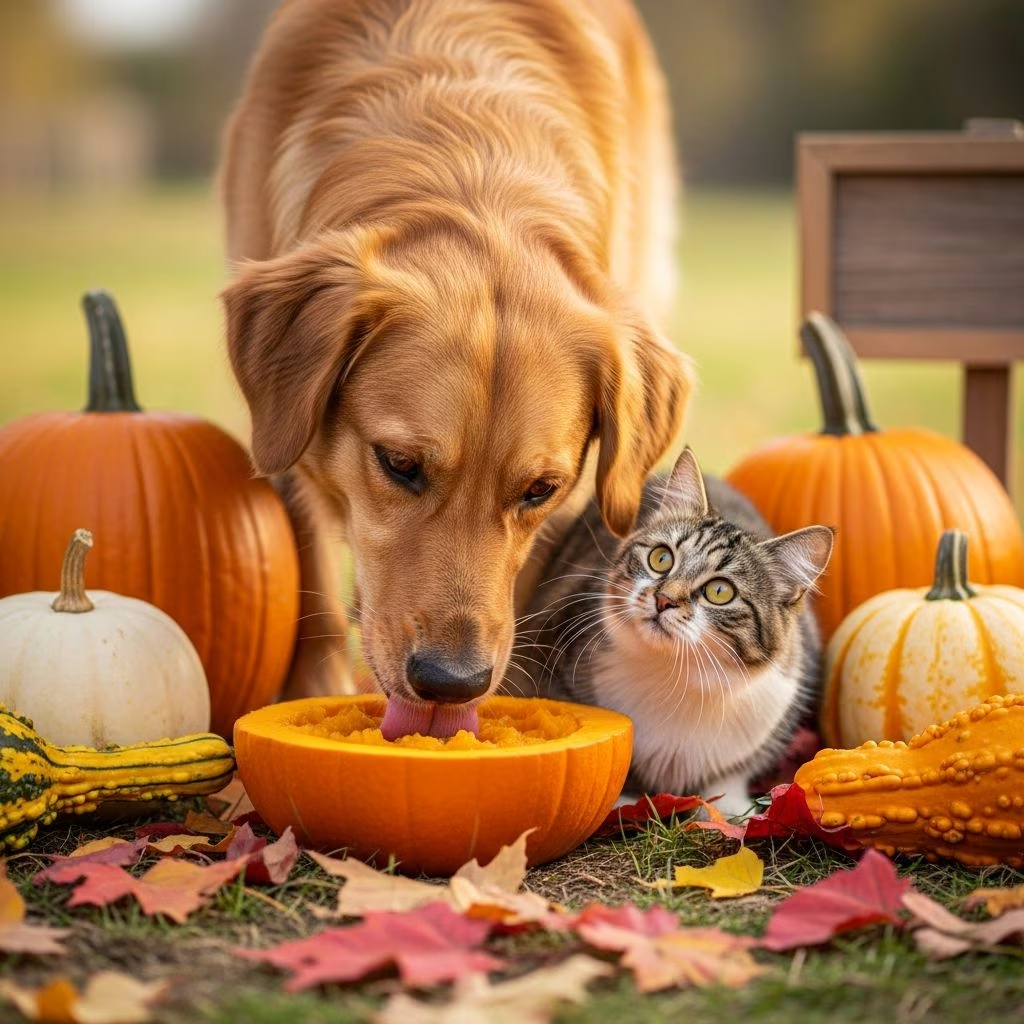
Understanding Pumpkin as a Pet Superfood
Pumpkin has emerged as a popular nutritional supplement for pets, praised by veterinarians and pet owners alike for its versatile health applications. This humble autumn vegetable offers far more than seasonal appeal—it represents a nutrient-dense addition to your pet’s diet when prepared and served correctly. Unlike many commercial pet supplements, pumpkin is a whole food that provides multiple benefits without artificial additives or excessive calories.
The reason pumpkin works so effectively for pets lies in its unique nutritional composition. Rich in vitamins, minerals, and phytonutrients, pumpkin addresses several common pet health concerns simultaneously. However, the key to harnessing these benefits lies in understanding proper serving sizes, preparation methods, and knowing when pumpkin may not be appropriate for your specific pet.
Nutritional Composition and Vitamin Profile
Pumpkin delivers an impressive array of essential nutrients that support various bodily functions in dogs and cats. The vegetable contains significant quantities of vitamin A (in the form of beta-carotene), vitamin C, vitamin E, and B vitamins. Beyond these essential vitamins, pumpkin provides important minerals that contribute to overall metabolic health.
The phytonutrient content deserves particular attention. Compounds including lutein, flavonoids, and cryptoxanthin work synergistically to provide antioxidant protection. These natural chemicals help neutralize free radicals that can damage cellular structures and contribute to chronic disease development. For pets facing aging-related concerns or environmental stressors, these antioxidants offer meaningful cellular protection.
Perhaps most notably, pumpkin contains substantial dietary fiber. This fiber comes in both soluble and insoluble forms, each contributing different benefits to digestive function. The high water content—approximately 90 percent—makes pumpkin particularly useful for promoting hydration, especially important during seasons when pets may drink less water.
Digestive System Support and Gastrointestinal Health
The most well-documented benefit of pumpkin for pets involves digestive health. Veterinarians frequently recommend pumpkin to address both constipation and diarrhea—conditions that might seem contradictory but are both manageable through pumpkin’s unique fiber profile.
When pets experience constipation, the soluble fiber in pumpkin adds bulk to stool while retaining moisture. This combination gently stimulates bowel movements without the harsh effects of pharmaceutical laxatives. The fiber encourages natural peristalsis (the muscular contractions that move food through the digestive tract) while the water content prevents the stool from becoming too dry.
For diarrhea cases, pumpkin works differently. The same soluble fiber absorbs excess water from the intestinal tract, firming stool consistency while promoting beneficial gut bacteria growth. This mechanism makes pumpkin particularly valuable after pets consume something unsuitable, as it helps stabilize the digestive system during recovery.
Beyond these specific conditions, pumpkin soothes sensitive stomachs and promotes overall digestive regularity. Pets with unpredictable digestion often show improvement within days of adding pumpkin to their diet.
Weight Management and Metabolic Support
Obesity in pets has reached epidemic proportions, with veterinarians identifying weight-related issues as a leading health concern. Pumpkin offers a practical tool for managing weight through multiple mechanisms.
The high fiber and water content creates satiety—the feeling of fullness—with minimal caloric contribution. Adding pumpkin to meals allows pets to feel satisfied while consuming fewer calories overall. A pet given a reduced meal portion with added pumpkin puree experiences the same fullness as before the adjustment.
This approach proves particularly effective for weight management because it doesn’t rely on caloric restriction alone, which can create behavioral problems or nutritional deficiencies. Instead, the volumetric approach maintains meal satisfaction while achieving weight loss.
Immune System Enhancement Through Antioxidant Action
The antioxidant compounds in pumpkin provide meaningful immune system support. Beta-carotene, which the body converts into vitamin A, plays a central role in maintaining immune function. This conversion process enables the immune system to generate adequate white blood cells and antibodies for fighting infections.
The protective action of these antioxidants extends beyond immediate immune response. By reducing oxidative stress—cellular damage caused by free radicals—pumpkin consumption may lower the risk of chronic diseases including cancer, heart disease, and cognitive decline. For aging pets, this preventive benefit becomes increasingly valuable.
Specialized Benefits: Anal Gland Health
Pet owners often encounter an embarrassing but common problem: anal gland issues. When anal glands fail to empty naturally, pets experience discomfort and may engage in excessive scooting or licking. While not life-threatening, this condition significantly impacts quality of life.
The fiber and bulking properties of pumpkin address this issue by increasing fecal mass and creating firmer stool. As stool passes through the rectum, it applies natural pressure to the anal glands, triggering normal emptying. Many pet owners report resolution of scooting behavior within one to two weeks of adding pumpkin to their pet’s diet.
Parasitic Protection and Natural Defense Mechanisms
Pumpkin contains cucurbitacin, a naturally occurring compound with demonstrated antiparasitic properties. This substance proves toxic to common parasites including certain tapeworms, offering supplementary protection against intestinal parasites.
However, this benefit should be understood as complementary rather than primary. While pumpkin provides beneficial antiparasitic action, it cannot replace veterinary-prescribed parasite prevention protocols. Pet owners should continue regular worming treatments as recommended by their veterinarian while viewing pumpkin as an additional supportive measure.
Hydration and Skin-Coat Wellness
Proper hydration affects numerous physiological processes, yet many pets consume insufficient water. Pumpkin’s high water content serves as an unexpected hydration tool, particularly valuable during dry seasons or for pets with low thirst drive.
Beyond internal hydration, the vitamins and minerals in pumpkin support skin barrier function and coat quality. The combination of vitamin A, vitamin E, and antioxidants promotes healthy skin cell turnover and reduces inflammation. Pet owners often report shinier coats, reduced itching, and less excessive shedding following consistent pumpkin supplementation.
Managing Blood Sugar and Supporting Diabetic Pets
Pets with diabetes benefit from pumpkin’s fiber content, which slows sugar absorption from the digestive tract. This delay helps prevent rapid blood sugar spikes that complicate diabetes management.
For diabetic dogs and cats, this benefit proves especially valuable when combined with appropriate diet and medication. The soluble fiber essentially creates a slower entry point for carbohydrates, allowing the pancreas to manage blood glucose more effectively.
Proper Preparation Methods and Food Safety
How you prepare pumpkin dramatically affects its safety and nutritional value. Plain, cooked pumpkin—whether canned or home-prepared—provides the safest, most effective form for pets.
Recommended preparation approaches include:
- Canned pure pumpkin puree (verify no additives or seasonings appear in the ingredient list)
- Fresh pumpkin roasted until soft, then pureed or mashed
- Fresh pumpkin boiled until tender, cooled, and pureed
- Homemade frozen pumpkin cubes for portion control and extended storage
Never use pumpkin pie filling or pumpkin spice products, as these typically contain added sugars, nutmeg, allspice, or xylitol—all potentially harmful to pets.
Determining Appropriate Serving Sizes
Serving size depends on your pet’s weight and the specific health condition being addressed. Starting with conservative portions allows you to monitor your pet’s response before increasing amounts.
General Serving Guidelines:
| Pet Size | Starting Amount | Maintenance Amount |
|---|---|---|
| Small dogs (under 15 lbs) | ½ teaspoon | 1 teaspoon daily |
| Medium dogs (15-30 lbs) | 1 teaspoon | 1-2 tablespoons daily |
| Large dogs (30+ lbs) | 1 tablespoon | 2-4 tablespoons daily |
| Cats | ¼ teaspoon | ½-1 teaspoon daily |
For pumpkin seeds specifically, medium dogs may safely consume five to ten seeds daily, while large dogs can handle up to twenty seeds daily. Grind or roast seeds to reduce choking risk, particularly for small dogs and cats.
Recognizing When Pumpkin May Be Inappropriate
Despite its generally safe profile, certain circumstances warrant caution or elimination of pumpkin from the diet.
Conditions requiring veterinary consultation before adding pumpkin:
- Diabetes mellitus (requires careful monitoring and possible medication adjustment)
- Kidney disease (may affect mineral and nutrient processing)
- Pancreatitis (certain dietary modifications may be necessary)
- Allergies or sensitivities (though pumpkin rarely causes reactions)
Additionally, excessive pumpkin consumption can create problems even in healthy pets. Too much fiber may cause bloating, loose stools, or interfere with nutrient absorption from other food sources. Excessive vitamin A from prolonged pumpkin overconsumption poses toxicity risks in some cases.
Safety Hazards and Physical Risks
Beyond nutritional concerns, physical hazards warrant consideration. Raw pumpkin skin, large chunks, and whole seeds present choking risks, particularly for puppies, kittens, and small breed dogs. Always prepare pumpkin in appropriately sized pieces, and supervise initial consumption.
Decorative porch pumpkins should never be used for pet consumption, as they may harbor mold, rot, or environmental contaminants.
Creating Appealing Pumpkin-Based Pet Treats
Making homemade pumpkin treats provides portion control, quality assurance, and bonding opportunities. Simple recipes combining pumpkin with pet-safe ingredients create nutritious rewards.
Frozen pumpkin puree in ice cube trays creates convenient portion-controlled servings. These can be thawed and mixed into meals or served as cooling treats during warm months. Baked pumpkin treats—combining pumpkin puree with dog-safe flour and unsweetened applesauce—offer variety while maintaining nutritional benefits.
Consulting Your Veterinarian: A Critical First Step
Before introducing pumpkin to your pet’s diet, professional veterinary guidance ensures appropriateness for your specific animal’s health status and nutritional needs. Veterinarians can assess whether pumpkin addresses your pet’s particular health concerns and recommend specific serving sizes based on individual factors.
This consultation becomes especially important for pets with existing health conditions, those taking medications, or animals with unexplained digestive symptoms requiring professional diagnosis before home remedies are attempted.
Frequently Asked Questions About Pumpkin for Pets
Can cats safely eat pumpkin?
Yes, pumpkin is safe for cats and provides similar digestive and nutritional benefits as for dogs. Feline serving sizes should remain smaller due to their reduced body weight—typically ¼ to ½ teaspoon daily.
How quickly will I see results from adding pumpkin?
Most pets show digestive improvements within three to seven days of consistent pumpkin consumption. Weight management results require several weeks to become apparent.
Is canned pumpkin as nutritious as fresh?
Canned pure pumpkin puree is actually more nutrient-concentrated than fresh pumpkin due to water removal during processing. Both provide excellent nutritional benefits when no additives are present.
Can pumpkin replace veterinary treatment for digestive disorders?
No. While pumpkin effectively addresses mild digestive upset, serious gastrointestinal conditions require professional diagnosis and treatment. Pumpkin serves as a supportive supplement, not a substitute for veterinary care.
What should I do if my pet experiences negative reactions to pumpkin?
Discontinue pumpkin immediately and consult your veterinarian. While rare, some pets may have individual sensitivities or the amount given may have exceeded their tolerance level.
References
- Can Dogs Eat Pumpkin — Volhard Dog Nutrition. Accessed January 2026. https://www.volharddognutrition.com/can-dogs-eat-pumpkin
- Are Pumpkins Safe for Cats and Dogs? — Joii Pet Care. Accessed January 2026. https://www.joiipetcare.com/blogs/advice/are-pumpkins-safe-for-cats-and-dogs
- Pets and Pumpkin — ASPCA Pet Health Insurance. Accessed January 2026. https://www.aspcapetinsurance.com/resources/pets-and-pumpkins/
- Is Pumpkin Good for Dogs? What Our Vets Want You to Know — Longwood Vet Center. Accessed January 2026. https://longwoodvetcenter.com/is-pumpkin-good-for-dogs-what-our-vets-want-you-to-know/
- Pumpkin May Be Beneficial to Your Pet’s Health — Lake Cable Animal Hospital. Accessed January 2026. https://lakecableah.com/pumpkin-may-be-beneficial-to-your-pets-health/
- The Superfood Solution: Why Cats and Dogs Should Enjoy Pumpkin — Cascade Vet Clinics. Accessed January 2026. https://www.cascadevetclinics.com/services/other/blog/superfood-solution-why-cats-and-dogs-should-enjoy-pumpkin-fall
- Can Dogs Eat Pumpkin? What to Know About Adding Pumpkin to Your Dog’s Diet — Cincinnati Family Vet. Accessed January 2026. https://www.cincinnatifamilyvet.com/services/dogs/blog/can-dogs-eat-pumpkin-what-know-about-adding-pumpkin-your-dogs-diet



