

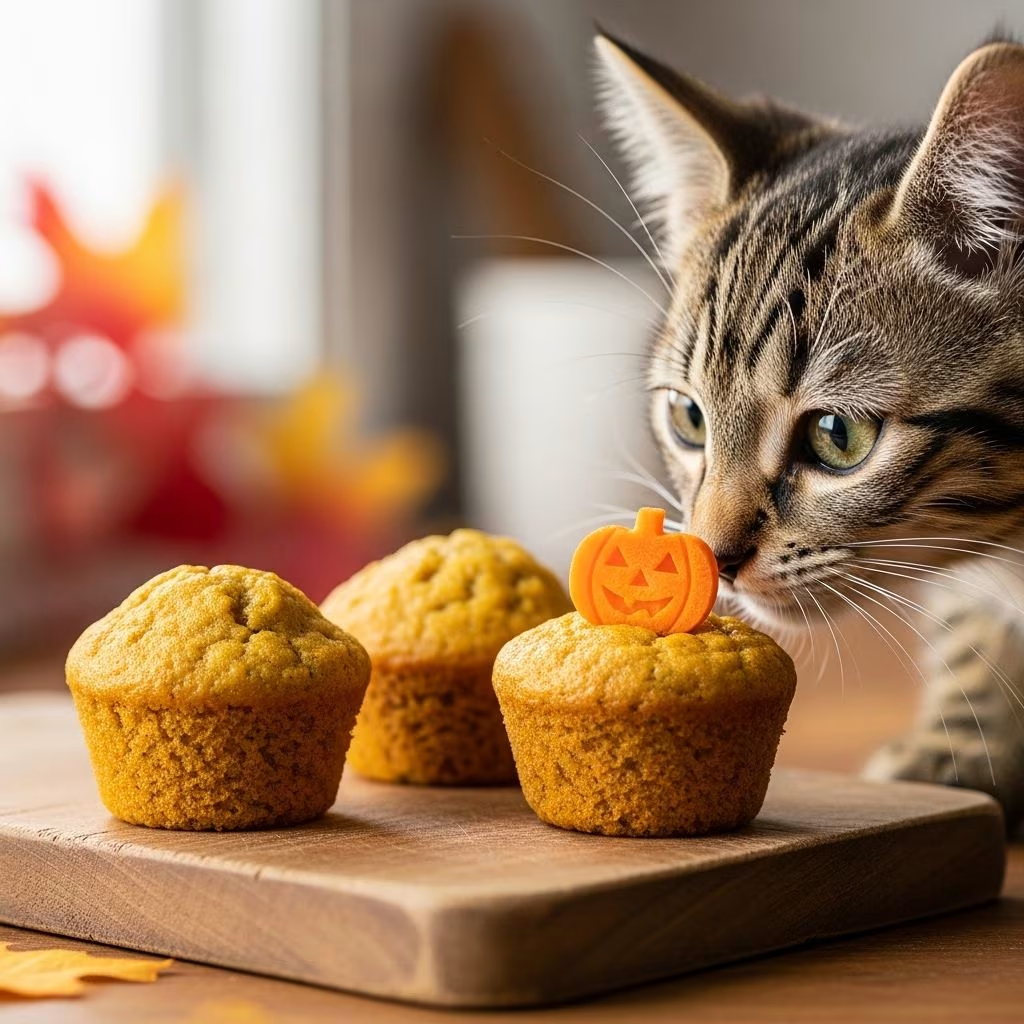
Homemade Pumpkin Mini Muffins for Cats: A Fall Favorite
When autumn arrives, pumpkin becomes a beloved ingredient in kitchens everywhere—from pies and pancakes to lattes and sauces. But did you know that your feline companion can also enjoy this versatile fall favorite? Pumpkin is not only safe for cats but makes an excellent ingredient for homemade treats that your cat will absolutely love. If you’re looking to create something special for your pet this season, homemade pumpkin mini muffins are the perfect solution. These charming little treats look just like the ones you’d find at your local café, complete with that irresistible crumbly top that makes muffins so delightful.
Unlike pumpkin pie purée, which contains added sugars and spices that aren’t suitable for feline friends, pure pumpkin is a nutritious and safe ingredient for cat treats. It’s digestible, fiber-rich, and offers genuine nutritional benefits when used in moderation as part of a balanced treat regimen. This recipe, created by renowned recipe developer and food blogger Alison Lewis, transforms simple ingredients into a gourmet treat that will have your cutie-pie cat purring with satisfaction.
Why Pumpkin is Perfect for Cat Treats
Pumpkin has become increasingly popular in pet nutrition for good reason. This humble squash offers numerous benefits that make it an ideal ingredient for homemade cat treats. First and foremost, pure pumpkin is packed with fiber, which supports healthy digestion in cats. The natural moisture content also aids in hydration, which is particularly beneficial for cats that don’t drink enough water throughout the day.
Beyond digestive support, pumpkin contains vitamins and minerals including vitamin A, potassium, and manganese. These nutrients contribute to overall wellness, supporting everything from vision to immune function. The ingredient is also naturally low in calories and fat, making it suitable for cats of various weight levels and dietary needs. However, it’s crucial to remember that pumpkin should be used only as a treat or occasional snack—not as a primary food source.
When selecting pumpkin for your cat treats, always choose pure, cooked pumpkin rather than pumpkin pie filling. Canned pumpkin labeled as “100% pure pumpkin” is convenient and works beautifully in this recipe. Avoid anything with added sugars, spices like cinnamon or nutmeg, or other seasonings, as these ingredients are not appropriate for feline consumption.
Pumpkin Mini Muffins Cat Treat Recipe
Ingredients You’ll Need
This recipe yields 12 adorable mini muffins, each serving as a single treat for your feline friend. The ingredient list is straightforward and likely includes items you already have in your kitchen:
- 1 cup gluten-free rolled oats
- 1/2 teaspoon baking powder
- 1/8 teaspoon salt
- 1/4 cup pure maple syrup
- 2 tablespoons plus 2 teaspoons reduced-fat lactose-free milk
- 2 tablespoons plus 2 teaspoons coconut oil
- 1/4 teaspoon pure vanilla extract
- 1/4 cup cooked pumpkin (pure, not pumpkin pie purée)
Optional Topping: Stella & Chewy Marie’s Magical Dinner Dust Cage Free Chicken Recipe Freeze-Dried Raw Cat Food Topper adds an authentic muffin-top texture and flavor boost that mimics the crumbly tops found on bakery muffins.
Essential Supplies and Equipment
Before you begin, gather the following tools to ensure a smooth baking experience:
- Measuring cups and measuring spoons for accurate ingredient portions
- A whisk for combining dry ingredients
- A large mixing bowl for wet and dry ingredient combinations
- A high-speed blender for grinding oats and blending wet ingredients
- A mini muffin pan for baking perfectly-sized treats
- A small cookie scoop or small spoon for portioning batter
- Mini baking liners to prevent sticking and ensure easy removal
Recipe Details at a Glance
Understanding the recipe specifications helps ensure success:
| Specification | Details |
|---|---|
| Yield | 12 mini muffins |
| Serving Size | 1 treat per serving |
| Preparation Time | 25 minutes |
| Baking Time | 12 to 15 minutes |
| Oven Temperature | 375 degrees Fahrenheit |
Step-by-Step Instructions
Preparation Phase
Begin by preheating your oven to 375 degrees Fahrenheit. While the oven reaches the correct temperature, line your mini muffin pan with paper liners. This step prevents the muffins from sticking and makes removal much easier once they’ve cooled. The liners also help maintain the muffins’ attractive appearance for presentation.
Creating the Wet Mixture
In a high-speed blender, combine the pumpkin, maple syrup, reduced-fat lactose-free milk, coconut oil, and pure vanilla extract. Blend on high speed until the mixture becomes completely smooth. This wet mixture serves as the flavorful base for your muffins, providing moisture and natural sweetness that cats find appealing. The texture should be uniform with no lumps or separation. Once blended to perfection, transfer this mixture to a mixing bowl and set it aside for now.
Preparing the Dry Ingredients
After rinsing and drying your blender thoroughly, add the gluten-free rolled oats and grind them into a fine flour-like consistency. This step is crucial because it creates the proper texture for your muffin batter. The finely ground oats distribute more evenly throughout the mixture and create a lighter, more cake-like crumb structure. Transfer the ground oat flour to a separate large mixing bowl.
To the bowl with the ground oat flour, add the baking powder and salt. Stir these dry ingredients together until they’re evenly combined. The baking powder helps the muffins rise slightly during baking, creating a more authentic muffin texture, while the minimal salt enhances flavor without overwhelming your cat’s palate.
Combining and Baking
Now comes the moment when wet and dry ingredients come together. Pour the pumpkin mixture into the bowl containing the dry ingredients and whisk gently until just combined. It’s important not to overmix at this stage, as overmixing can result in dense, tough muffins. The batter should be slightly lumpy and just barely combined—this actually produces better texture in the finished product.
Using a small spoon or cookie scoop, carefully spoon the batter into the prepared mini muffin cups, filling each one about two-thirds full. Don’t overfill, as the muffins will rise slightly during baking. Here’s a helpful tip: gently tap the muffin pan on the counter a few times to smooth out the batter in each cup. This creates a more uniform and professional-looking finished product.
Place the filled muffin pan in your preheated oven and bake for 12 to 15 minutes, or until the tops are lightly golden brown. The exact baking time may vary slightly depending on your oven’s characteristics. Start checking around the 12-minute mark to ensure they don’t overbake.
The Perfect Finishing Touch
For an authentic muffin-top experience, remove the muffins from the oven while they’re still warm and top each one with Stella & Chewy Marie’s Magical Dinner Dust Cage Free Chicken Recipe Freeze-Dried Raw Cat Food Topper. This addition creates a delightfully crunchy, crumbly texture that mimics real bakery muffin tops and adds an extra flavor dimension that cats find irresistible.
Allow the muffins to cool completely before serving. Once cooled, gently remove the paper liners. Store any remaining treats in an airtight container in the refrigerator, where they’ll keep for several days. For longer storage, freeze the muffins in an airtight container or freezer bag—they maintain their quality for several weeks when properly frozen.
Important Nutritional and Safety Considerations
While these pumpkin mini muffins make delightful treats, it’s essential to remember that they should constitute only a small portion of your cat’s daily diet. Treats should never exceed 10 percent of your feline’s total daily caloric intake, as excessive treat consumption can lead to nutritional imbalances and deficiencies in essential nutrients that your cat needs from their primary food source.
This recipe has been veterinarian-reviewed to ensure cat safety, but certain cats may require special considerations. If your cat has health issues, including sensitivities to fats, digestive disorders, or other medical conditions, consult your veterinarian before introducing these treats. Similarly, if you have any concerns about your individual cat’s ability to tolerate the ingredients, seek professional veterinary guidance.
The lactose-free milk used in this recipe is specifically chosen because many adult cats are lactose intolerant. The coconut oil, while beneficial in small quantities, should be used carefully for cats with pancreatitis or fat sensitivities. The gluten-free oats ensure digestibility for cats with grain sensitivities, though cats are obligate carnivores and don’t require grains in their diet.
Why Homemade Cat Treats Matter
Creating homemade treats for your cat offers numerous advantages over commercial alternatives. First, you control every ingredient that goes into the treats, knowing exactly what your cat is consuming. There are no mystery additives, artificial preservatives, or mysterious fillers—just wholesome, recognizable ingredients.
Homemade treats also provide an excellent bonding opportunity. The act of baking special treats for your feline companion strengthens your relationship and allows you to express your love through nutrition. Many cat owners find that their cats seem to sense the care and attention that goes into homemade treats, making them even more special.
Additionally, homemade treats are often more cost-effective than premium commercial options, especially when you consider the quality of ingredients used. You can customize recipes to suit your individual cat’s preferences and dietary needs, making treats appropriate for cats with allergies, sensitivities, or particular nutritional requirements.
Fall Festivities with Your Feline Friend
These pumpkin mini muffins are perfect for incorporating your cat into fall festivities. Whether it’s Thanksgiving, Halloween, or simply celebrating the changing season, these treats create special moments with your pet. The fall flavors and charming presentation make them ideal for pet parents who want to share seasonal joy with their feline companions.
Consider photographing your finished muffins—their authentic appearance makes them perfect for social media sharing. Many cat lovers enjoy documenting their pets enjoying homemade treats, creating wonderful memories while celebrating the bond between human and animal.
Frequently Asked Questions About Pumpkin Mini Muffins for Cats
Q: Can I use fresh pumpkin instead of canned pumpkin?
A: Yes, you can use fresh cooked pumpkin. Cook a fresh pumpkin until soft, then puree it until smooth. However, canned pure pumpkin is more convenient and provides consistent results. Ensure any pumpkin used is plain and unseasoned.
Q: How often can I feed these treats to my cat?
A: Treats should constitute only a small percentage of your cat’s daily caloric intake. Offer these muffins as occasional treats, not daily staples. Two to three times per week is appropriate for most cats, but always follow your veterinarian’s recommendations based on your individual cat’s dietary needs.
Q: What if my cat is lactose intolerant?
A: This recipe specifically uses lactose-free milk to accommodate cats with lactose sensitivities. However, if your cat has severe dairy sensitivities, you could substitute the lactose-free milk with an equal amount of water or unsweetened pumpkin to maintain moisture content.
Q: Can kittens eat these treats?
A: Kittens have different nutritional needs than adult cats and require a diet focused on high protein and essential nutrients for growth. While small amounts of pumpkin are safe for kittens, consult your veterinarian before offering these treats to ensure they don’t interfere with your kitten’s specialized nutritional requirements.
Q: How should I store the muffins?
A: Keep cooled muffins in an airtight container in the refrigerator for up to five days. For longer storage, freeze them in an airtight container or freezer bag for up to two months. Thaw frozen muffins at room temperature before serving.
Q: Can cats with diabetes eat these treats?
A: While pumpkin itself is beneficial for cats with diabetes due to its fiber content, the maple syrup adds natural sugars. Cats with diabetes should only receive these treats under veterinary supervision, and portions should be strictly limited or avoided entirely depending on individual dietary recommendations.
Q: What if my cat doesn’t like pumpkin?
A: Not all cats enjoy pumpkin flavors. If your cat shows disinterest, try offering a small amount plain and unseasoned to determine if it’s the pumpkin itself or the combination of flavors. You can also try other cat-safe treat recipes featuring proteins or other vegetables your cat prefers.
References
- Pumpkin Mini Muffins for Cats Recipe — Chewy.com. 2025. https://www.chewy.com/education/cat/food-and-nutrition/pumpkin-mini-muffins-cat-treat-recipe
- Can Cats Eat Pumpkin? — Chewy.com. 2025. https://www.chewy.com/education/cat/food-and-nutrition/can-cats-eat-pumpkin
- Pet Nutrition Guidelines for Cats — American Feline Medical Association. 2024. https://www.catfriendly.com/
- Homemade Pet Treat Safety — American Veterinary Medical Association. 2024. https://www.avma.org/
- Nutritional Requirements of Cats — Association of American Feed Control Officials (AAFCO). 2024. https://www.aafco.org/



